





About this show:
Over the past 2 decades, Gardiner Harris has been covering and collecting data on Johnson&Johnson. Now, as an independent and award-winning investigative journalist, he releases the fruits of 2 decades of research, interviews, analysis and findings in No More Tears: The dark secrets of Johnson & Johnson exposed.
In this show we explore:
- The collapse of a strong public health framework
- The infiltration of industry into public service
- The specific ways in which Johnson&Johnson has caused millions harm over decades across a number of their products.
- The opioid crisis, hip replacements, vaginal mesh, anemia drug EPO in cancer patients and antipsycholotics in aged care and more…
- The way J&J can stay afloat despite all of the damages and legal fees
- What hope we have of restoring faith in health care?
- What you and I can do to ensure at the grass roots we are building a better system.
It’s a doozy, I’m not going to lie, but it’s important work and Gardiner has done some extraordinary work to bring this story to light.
Alexx Stuart
Your Host, Low Tox Life Podcast
Want to learn more about this week’s guest?
Website: gardinerharris.com
The book: https://bit.ly/4kkKc8p
Alexx Stuart
Founder of Low Tox Life and the Low Tox movement
Join me on Insta @lowtoxlife
Want to support the show?
Free option: Leave a 5 star review wherever you listen to Low Tox Life – thanks SO much!
Paid + Member PERKS: Join the Low Tox Club – monthly practitioner live masterclasses, a suite of low tox store discounts from around the world and the most supportive and lovely chat group on all low tox topics on the internet: Check it out and join here for just the price of a coffee per month! https://www.lowtoxlifecourses.com/offers/YzLXThRQ/checkout
***
Thank you to this month’s show sponsors for helping you make your low tox swaps easier:
@ausclimate gives you 10% off their range for the whole of 2024, with brilliant Winix Air Purifiers, the best Dehumidifiers I’ve ever used and their new energy-efficient heating range. code LOWTOXLIFE https://bit.ly/ShopAusclimate
And @weledaaustralia – global leader in natural science and beauty gives you a massive 20% off sitewide. Code LOWTOXLIFE. Stock up on favourites or make your swaps and experience the power of nature for your skin (our faves are the shower bars, rose face care range, arnica EVERYTHING, rosemary hair tonic, deep cleansing gel – Oh, and Calendula range for the bubs!) Enjoy!
Be sure to join me on Instagram @lowtoxlife and tag me with your shares and AHAs of this week’s episode.
***
About Gardiner Harris
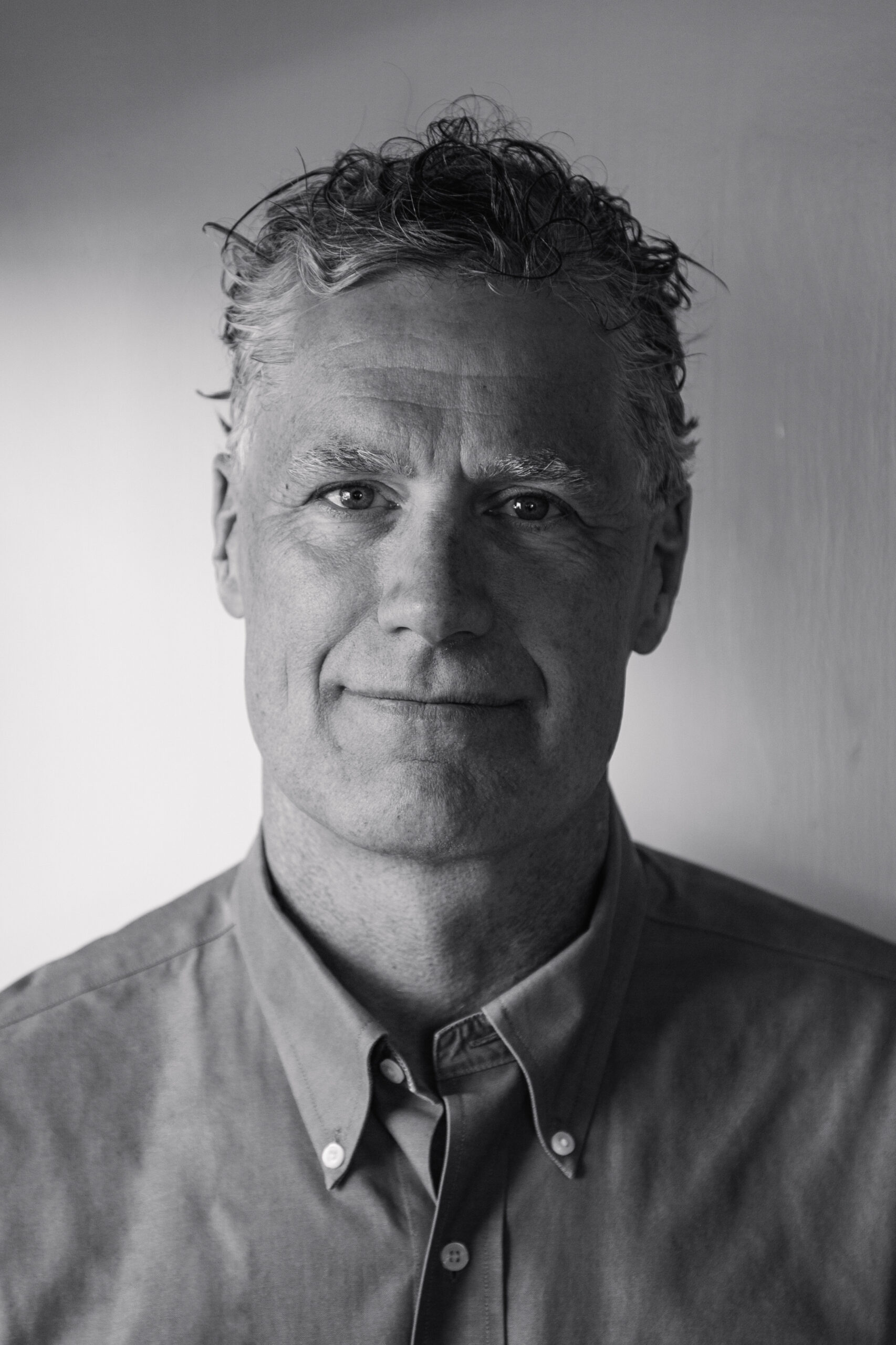
Gardiner Harris previously served as the public health and pharmaceutical reporter for The New York Times and is now a freelance investigative journalist. He also served as a White House, South Asia, and international diplomacy reporter for the Times. Before that, he was a reporter for The Wall Street Journal, covering the pharmaceutical industry. His investigations there led to what was then the largest fine in the history of the Securities and Exchange Commission.
He won the Worth Bingham Prize for investigative journalism and the George Polk Award for environmental reporting after revealing that coal companies deliberately and illegally exposed miners to toxic levels of coal dust. Harris’s novel, Hazard, draws on his experience investigating these conditions. He has also been a Pulitzer Prize finalist with a team of others at the Times. He lives in San Diego, California.
Thank you to this month’s sponsors for partnering with our show and helping you make your swaps with their special offer:

Ausclimate’s highly recommended range of WINIX Air Purifiers is the ideal solution for cleaner, healthier indoor air. Easy to use, reactive features and settings with a truly comprehensive 4-5 stages of purification, including Hospital Grade True HEPA Filtration and Winix’s unique PlasmaWave® technology. Perfect for smoke, dust, pets, viruses, bacteria, household odours, and allergies (covering a variety of allergens). Breathe easier, sleep better, and feel better. Winix; is the most complete air purifier on the market!

Offer: Ausclimate is now giving all Low Tox Life followers an EXTRA 10% OFF their already discounted prices. Simply enter the discount code of LOWTOXLIFE on check out via: https://www.ausclimate.com.au/
This discount can also be redeemed for over-the-phone orders verbally.
Website: www.ausclimate.com.au
Facebook: www.facebook.com/Ausclimate
Instagram: www.instagram.com/ausclimate

About Weleda:
Is a personal care upgrade or re-stock of your faves in your low tox priorities right now? You’re in luck if you’re in Australia, as you have 20% Weleda site-wide, from March 31st to May 3rd. Head here and use code LOWTOXLIFE at check out.
Today, Weleda is the world’s leading manufacturer of certified natural and organic skincare and medicines for anthroposophic therapy. As a pioneer of sustainability, Weleda has followed this trailblazing approach for 100 years. Weleda’s ethical business principles have been recognised with numerous prestigious awards, such as the German Sustainability Award, the Swiss Ethics Award, and the Green Brand Award 2020. Weleda processes several hundred raw plant materials, which are cultivated in the company’s eight biodynamic medicinal plant gardens or sourced from more than 50 long-term raw materials partnerships around the world. Weleda places great importance on ensuring that its supply chains are both environmentally and socially sustainable.
Weleda is a certified B Corporation, joining other companies that want to do business in a meaningful way. Weleda’s B Corp impact score is 106.8 (the median score is 50.8).
Enjoy the 20% off site-wide with your code LOWTOXLIFE and if you have any questions, feel free to ask in the comments.
Alexx x
Website: www.weleda.com.au/
Instagram: www.instagram.com/weledaaustralia/
***
Title show track, by LIOR.
Love the podcast music? You will hear excerpts from Lior’s track “Caught Up” – go check it out on iTunes or Spotify if you want to hear the whole song or album, Scattered Reflections. Co-written with Cameron Deyell, it’s a great song and I love the reflective energy of it – perfect for the show, right? Enjoy. Lior is always touring, so do check out his website. It is wonderful to hear him sing live, trust me.
Low Tox Club – The place to bring your low tox life to life.
Want to join a community of like minds and enjoy all the perks of being in the Low Tox Life inner circle such as an online membership platform, 50% off all our Low Tox courses, an awesome chat group, my monthly Q&A, and special guest star interviews for just $49AUD ($29USD/28EUR/23pounds) per YEAR? We have created a special place and set of resources to help you achieve your goals and it’s a wonderful place to be – MORE DETAILS AND REGISTRATION HERE.
***
If you would love reading like me or you just simply want to go through the full transcript, you can check below.
[Alexx Stuart] (0:00 – 10:48)No More Tears, a very well-known strapline for one of the biggest companies in the world that has unfortunately caused plenty of tears for hundreds of thousands of people over decades. That is today’s show. Hello and welcome to the Low Tox Life podcast.
I’m Alexx Stuart, your host. Today’s show 4.29 and I have a brilliant independent investigative journalist Gardiner Harris joining me on the show. He has won multiple awards for his journalism over the years.
He has been a journalist for some of the biggest publications in the world. He’s been everything from a White House correspondent to a South Asia correspondent. He has uncovered some of the storylines that have ended up in causing some of the biggest fines to industry in history.
So the man knows how to tease out the truth, I’ll tell you that right now. And No More Tears, his latest book, is a dark expose on Johnson & Johnson. You might know about the baby powder, talc, asbestos scandals.
Of course, unfortunately, there are many more medications and medical procedures that Johnson & Johnson has directly been responsible for in terms of harming public health. And today, we go over a few of the ones that he talks about in his book. And it’s not a light show.
Something I do try to tease out throughout the course of the show and in different parts is a greater understanding of how we can restore trust in science. Because of course, not all medications are terrible. Some are life-saving and I do not want anybody who is listening right now to be thinking, I’m now going to feel ashamed for taking an antidepressant or for taking my diabetes medication or for anything that you might be on that you need right now or permanently.
This is not a judgment of you or any medical choices you are making. Nor is it a holistic and natural is always the best way because anyone who’s heard the show over the years knows that there are many perspectives and many different situations and n equals one and your conversation with your health practitioners is the most important one you can have. But in today’s show, we learn that transparency and accountability are key components to us being able to trust anyone we go to for medical care.
And we speak about that as well. We also speak about the FDA and the demise of the credibility of that organization, which interestingly from a hot button topic right now happened with the cutting of public service jobs, which led to industry becoming more influential in the FDA, which I found interesting. So we explore a whole bunch of stuff today.
It is a roller coaster of a ride. And something that is abundantly clear to me is that I feel compelled to find us more public speaking doctors and PhD scientists who are happy to be questioned, not just by me, but by people who have concerns and we can see what they say plain and out in the open. So I have actually already started reaching out to health professionals to see who would be happy to either debate with other health professionals with whom they don’t agree always, as well as receive community questions about people’s concerns, whether those concerns are based on fact or just fear from the internet and who you might have ended up following.
I genuinely think we would start to feel calmer and more able to build a system of trust and accountability if we had more transparency and if we could challenge more openly experts rather than jocks on podcasts throwing around opinions and suspicions that actually don’t lead us any closer to knowing the truth and can actually, as we see in authoritarianism, mean stronghold people come in and say, I’m the one who’s going to rescue you and have all the answers and give you stability and truth and freedom and then actually that just means for one group and then another people, a group, get to feel like they don’t have any freedom. That’s not the end goal for me. We need to actually create systems that allow us to all exist in the way that allows us to feel free to explore whatever we want to have more access to and systems that don’t hide stuff from the public, no matter what the subject is beyond healthcare, into everything.
And so watch this space. I’m really going to try for us to create some more dynamic explorations that involve debate. Coming from a French culture where there is a shed ton of debate, very heated in fact often, and then see you next time.
There are a lot of cultures that are actually really comfortable with heated conversations and it doesn’t mean you then become each other’s enemies. And I’m curious about that and seeing how we can infuse more of that into Anglo-Saxon explorations of different topics. So that’s on its way.
I’m thinking about how to make that happen. If you’re a health professional who knows their subject so well that you’re actually very happy to either debate it with people who disagree or to receive questions with people who have suspicions or want to have their concerns answered in a public forum, then get in touch. Team at lotoxlife.com.
I would love to see people putting their hand up to go into that position. All right, so we of course always have some monthly swaps to help you with your LOTOX goals. These two are for the Aussies.
Weleda.com.au is giving you 20% off site wide, excluding packs. And I love their new smoothing rose packaging. They’ve brought it out now in these beautiful pots that they have the pomegranate and revitalizing ranges in and the skin food pots.
Delicious, delicious, delicious. I don’t care that I’m 49 and it’s more of a product for people in their 30s. I still adore the smoothing rose face cream, especially in the warmer climates.
It’s a beautiful drink for the skin, very hydrating. And the way Weleda have led for decades, for more than a century in fact, in natural science, harnessing the power of plants at their most potent, putting it into these little jars that are so affordable compared to the mainstream stuff I used to sell for hundreds and hundreds of dollars a pot. I just honestly just laugh.
It’s the only reaction I can have when I think about my old days in prestige cosmetics and how my skin’s never felt better than since going LOTOX and using things that are a fraction of the price by harnessing the power of plants. Weleda has been showing us they’re a market leader in not only that, but in logistics chains that are fair and equitable. And of course, in the regeneration of landscapes by working with communities around the world to create resilient and biodiverse farms.
I just adore them. We have stocked up on our shower bars, an extra tube of skin food, of course, my fave, the rosemary hair tonic, which I always thought was like, I’m a bit of a dag for using such a daggy old product. But now it’s apparently got cult status out there because it went viral on TikTok.
I love that for rosemary hair tonic. It’s brilliant for fortifying the hair, for stimulating growth and promoting healthy hair. I have loved it for over a decade and I would highly recommend you add that to your loot because 20% off sitewide with the code LOTOXLIFE gets you a long way to stocking up and also trying a couple of new things, right?
So you also, of course, have our major sponsor, Oz Climate Dehumidifiers. Please don’t wait until you need one desperately. It is an important thing to have in your home year round.
We learnt with Professor Matthew, oh my gosh, Professor Matthew England a couple of weeks ago, of course, that tropicalization is causing about 10% more humidity in coastal areas. And so you’re not wrong to think, gosh, why are my things growing mold in the, you know, shoes and bags and things in cupboards now? Didn’t used to be like that when I was a kid.
Well, it is more humid than ever. And so chances are, especially if you don’t have ducted air conditioning, you need humidity and moisture control in your home. I’ve been doing some educational reels on Instagram.
Please go check them out at LOTOXLIFE, which is beneficial for anyone around the world. Even though you can’t make the most of this particular brand, please do get a dehumidifier. They are game changing.
And 10% off at LOTOXLIFE.com.au also gives you that across their whole range of winning, say purifiers, cooling products, heating products. It’s a huge range now. So enjoy.
And now let’s tuck into this doozy of an expose with Gardener Harris. Gardener, hello. How are you?
Good, Alex. I’m glad to be here. I am so excited to be here.
Thank you for being a long form investigative journalist by career, because I genuinely believe you guys and girls are the most precious thinkers and explorers of these muddy, muddy times. And today we’re going to unpack the story of one of the biggest healthcare companies in the world with the most ironic strapline in history, Johnson & Johnson, No More Tears. But I’m going to start by asking you, were you always a curious person growing up?
Was it like, were you the why, why, why kid and the four year old phase never stopped?
[Gardiner Harris] (10:49 – 12:32)I think so. I mean, I think I’ve always been curious. I think I’ve always been maybe a little pissed off for reasons that are a little unclear, maybe because my mom died when I was young or I’m not sure.
But I yeah, I always was why and then why that’s terrible about a lot of a lot of things that we all kind of take for granted, I think. So I spent much of my life kind of peeling the onion early in my career. I was a police reporter in Louisville and ended up getting the chief of police indicted and fired.
The black bag unit for the department, which was called the intelligence department, ended up surveilling me for a long time, and it became sort of dangerous, which led my editors to send me to Hazard, Kentucky, where I uncovered this broad ranging conspiracy within the industry to cover up dust records within coal mines and cover up just an enormous amount of dust that was that’s to this day killing coal miners. And in fact, I checked the records for the then sitting governor of Kentucky, a guy named Paul Patton, and discovered that he was part of this thing.
And so I ended up doing a story about accusing the governor of the time of felonies and he held this big rally and in Pikeville, where he’s from, there must have been 1000 people under a tent and I went to cover it. And he like pointed down to me as he denounced me and I was honestly not sure I was going to get out of there alive.
[Alexx Stuart] (12:32 – 12:40)I can imagine do you in your in your line of work? I can imagine that’s happened a few times where you thought have I gone too far here? [Gardiner Harris] (12:41 – 13:02)
Yeah, happened again and again and again. It happened in, you know, amongst Kashmiri militants on the borders between India and Pakistan. You know, I think back in the day reporters ended up being more out on their own. [Alexx Stuart] (13:02 – 13:49)
Well, I grew up in a time where, you know, I think just the facts, man, and I just think of these like, like go where no man dares to go kind of situations where reporters were frontline investigators. And it was a duty. And it was before the muddying of a huge amount of advertising corrupted a lot of the messaging or or made the messaging have to be dumbed down to police sponsors and all that kind of stuff.
It was like you were the truth seekers. And every major crime that was committed politically, like, you know, I think of Watergate, I think of all these things. And I think it was reporters that helped us figure all of these things out.
[Gardiner Harris] (13:49 – 15:45)Well, and I think also reporters back then just had so much more freedom to do what they felt was right. You know, first of all, there were thousands more outlets, right, every little town, like when I was in Hazard, Kentucky, there were three newspapers in Hazard, right? Wow.
I was working for the Louisville paper, but there were these three small, you know, papers that were all competing in this tiny town of 9000. And most towns had something of a paper themselves. And so that created a kind of dynamic, where it was really hard to control the narrative centrally.
And I think one of the one of the unfortunate aspects of the collapse of media over the last 20 years is that we’re now down to just sort of a handful of incredibly powerful media organizations. And one of them is the New York Times that I work for. And the other one is the Wall Street Journal, part of, you know, the Fox News empire.
And so I think that there’s growing suspicion about what’s left to people, which are just a very few organizations that really control the landscape in kind of mainstream media. It’s why there’s been this embrace of this proliferation of, you know, sub stacks and, you know, much smaller micro voices to kind of say, wait a second, this is, this is not right, because I will tell you, you know, my years at the New York Times, the New York Times has an orthodoxy about certain stories, and that orthodoxy can be wrong, and has been wrong on numerous occasions. And in that, as we talk about about other things, feeds suspicion.
[Alexx Stuart] (15:46 – 17:28)It does. I remember studying media and political science in my degree at uni. And there’s that fantastic ground news on Instagram these days, and they show you the left, the center and the right take, and the headlines so that you can actually see that anyone can spin anything a certain way.
And I remember back in third year, we had to grade things like that we had, we were given seven newspapers, we had no idea where they came from, what they were leaning, they were largely fictitious. And we had to go from left to right, into the middle and, and grade them by one same political incident. And it was one of the best life skills I’ve ever been given, because you can read, analyze, see through and assess quite quickly to what there might be as an ulterior motive on something, right.
And so it’s really important, I think, to rebuild these skills for everybody in this landscape, where you now have very controlled messaging, both left and right. I mean, you know, here in Australia, we have a joke that well, what does Rupert Murdoch want us to vote this year, because he owns so much of the media landscape, and it’s so obvious. And the I guess the problem is, is yes, humans crave multi perspective, I don’t see my perspective anywhere, I want to find it.
And so now you can. But I kind of want investigative journalists to go out and do all that stuff, rather than random bro podcasters that the whole world ends up believing is a god. Like that’s not great either.
[Gardiner Harris] (17:29 – 18:51)No, there’s no good answer. I mean, Alex, one of the problems that you know, I, I’m sorry to look down, but I decided to open up the New York Times app, which is how we all sort of read newspapers nowadays. Yeah, yeah, I got mine too.
And, you know, if you go, these are all stories, you all stories, and then you go, and it says opinion, you can’t really say that. And then there are all these op eds opinion piece. Now, when you’re scrolling through it, you know, it one looks very much like the other, you know, in the old days, you, you could only read the newspaper by opening up the paper.
And the front page was all news. And if you get to opinion, you had to page to the back to a special section that was just opinion. And it was clear that it was sort of set off.
Now, many readers, according to reader surveys back in the day, kind of still kind of confused them. But now, it’s all one feed. And you have these stories, and you have opinions, and it’s all part of the same thing.
And so I think it is led and by the way, the opinion pieces often end up being the most read, because when someone is shouting about their opinion, the writing itself can feel very compelling, as opposed to a he said, she said, dynamic on a news story.
[Alexx Stuart] (18:51 – 18:55)So yeah, well, we prefer storytelling than we do just fact listing. [Gardiner Harris] (18:55 – 19:25)
So the the sort of the on the pivot of journalism to the online space has really heightened individual voices, not just writ large, as we see, you know, everybody’s got a Facebook page and has their own opinions. But also within these top media organizations, you know, you look at the feed on your phone, and the opinions, the opinion pieces and the news pieces look all the same. [Alexx Stuart] (19:27 – 20:33)
And so do you feel like it would be actually a really good step to for people to disclose whether it’s an opinion or not, like a lot of people don’t know that Fox News is an entertainment company, they’re not a news company, for example. And people are shocked when I say I’m like, did you know, it is one giant opinion piece there. And I think we need to learn how to distinguish that.
But I feel like we’ve been bombarded so much gardener that like people now get their news from a headline, we’re in this dopamine addiction phase of learning, where it’s top line, top line, top line, I don’t got time. Plus, you know, the bigger picture of that, I think is people are stressed more than they ever have been before. We’ve eroded the middle class pretty much.
And people are working harder, working longer, trying to make it all work. Like the whole thing, you can see how we end up then just quickly grabbing things in all parts of our lives. And that does us a massive disservice.
[Gardiner Harris] (20:33 – 21:42)Couldn’t agree more. I mean, it makes me crazy. It’s got to make us crazy, too.
I mean, one of the great challenges of doing those jobs, I think, like, I don’t understand really how reporters even do their jobs now, because you, you’re supposed to go out and talk to real people. On the other hand, you have seven or eight different electronic communications platforms that you’ve got to monitor all the time. You know, you’ve got to monitor Blue Sky now, you’ve got your email, you’ve got Slack with your editors, you’ve got, you know, all these things are coming at you on your phone, and it’s like 1000 balls at your face.
And, you know, but by the end, I mean, my editors made clear that I needed to respond to them within about 90 seconds when they reached out to me, you, you cannot have a conversation with someone, if you’re looking at your phone every, you know, 15 to 20 seconds, it’s just Wow, and never mind the fight or flight response that puts you in on a permanent basis.
[Alexx Stuart] (21:43 – 21:47)Not a lot of creativity and deep thinking can happen if you’re in fight or flight. [Gardiner Harris] (21:48 – 23:27)
No, I mean, the writing standards have have have dropped off the cliff, because you simply cannot write in any kind of high quality way if you’re constantly checking your feeds. And so it and look, I am incredibly sympathetic to my former colleagues who are still getting it done. I think in many cases, they are doing really heroic work.
But I also think that they fail to see just how much the system is failing them and how much the system is making it impossible for them to do what they think are their jobs. Like, when we start talking about the book, again, this book is obviously its first and primary target is Johnson and Johnson. But the secondary target is really the American professional class, the doctors, the lawyers, the academics who allowed Johnson and Johnson to really get away with these outrageous acts that they did.
And, you know, journalists are not immune to that stuff. But it goes to, I think part of why people are so distrustful of, you know, professionals and what they’re supposed to believe and all that, because, you know, health care is arguably the most important people, the most important industry that people have dealings with. And what what I tried to show in this book about Johnson and Johnson is how often and how regularly the people you trust are actually selling you out.
[Alexx Stuart] (23:28 – 23:40)It’s actually horrifying. It’s it’s as exciting as it is horrifying as a book like. You can pop that on the cover of the second edition. [Gardiner Harris] (23:40 – 24:54)
Well, there is actually a really interesting Australian component in the book, and I don’t know if you got to it. It’s it’s in the vaginal mesh section. And it was really Australia that really found out long before the rest of the world just how bad vaginal mesh was.
And as you probably know, vaginal mesh became a national scandal in Australia in a way that it was not in any other country. And it’s because you guys almost uniquely that the Brits also have it. But you have this fabulous medical device registry that allows you to see when medical devices are going south before anybody else.
So in both the vaginal mesh and in the metal on metal hip implant situation, Australia withdrew both of those dangerous products long before the Americans did. And part of that has to do with just how how much FDA has become a creature of industry. And but a lot of it is also that, you know, Australia actually tracks these things in a way few other countries do.
[Alexx Stuart] (24:55 – 25:37)We are good at tracking and we are very good at a takedown. We don’t mind taking down a big guy. No problems at all.
Yeah, I think so. I think so. You can’t get quite as much past us as you can in America, which is a good thing.
You guys were born that way. Yeah, yeah, we were. And and so, OK, let’s let’s start unpacking this Johnson and Johnson thing, because take me back to 2004 when you have an encounter with a Johnson and Johnson rep.
Was that where you kind of going to speak to this person or was it by chance?
[Gardiner Harris] (25:38 – 25:50)I adore March Madness. And and this was now 20 years ago and there was a March Madness game on. I had a couple of hours.
I wanted to watch it and I sat down to do so.
[Alexx Stuart] (25:51 – 26:04)OK, and so how do we go from the chance sitting down to do so and who you were actually sitting next to becoming one of the reasons you started going down pharmaceutical industry rabbit holes? [Gardiner Harris] (26:05 – 27:48)
So she was rooting for Mississippi State, which was this at the time one of the favorites in the tournament. And they were playing. What was at the time the sort of the Cinderella team of the tournament?
And when I sat down, it was just. The end of the half in Mississippi State, I think, was up by like 20 points. I mean, it was clear that Mississippi State was going to win this game.
And then over the course of the next 20 minutes of basketball, which of course takes place over nearly an hour and a half, Mississippi State collapsed and and lost. And this woman with this Mississippi State baseball cap on was crushed. And I just I sort of made fun of her a little bit because, you know, it was how could they possibly lose this game?
And we ended up talking and it turned out that she was she was a drug sales rep for Johnson and Johnson. And and I, of course, immediately told her, well, I’m a drug reporter for The New York Times. And she nearly fled right then.
And but we ended up talking. And, you know, as I say in the book, she told me a story about her family and how it intersected with her professional responsibilities in a terrible way that ended up kind of leading to me pursuing that one story that then, you know, metastasized into a whole group of stories and then eventually into this book.
[Alexx Stuart] (27:49 – 27:57)Wow. And was she key in helping with further questions after that meeting? [Gardiner Harris] (27:58 – 29:10)
No, she did not take the card. I mean, I wanted I wanted, you know, to talk to her again. I gave her my card.
She left my card on the bar. She, you know, waved goodbye to me as Mr. New York Times. And and I never saw or heard from her again.
I would subsequently get to know a lot of Johnson and Johnson executives. In fact, I ended up getting a lot of grand jury documents in these grand jury documents are thousands of employee names and cell phone numbers. So over the course of writing this book, I called and interviewed hundreds of them in a way that I’m sure drove Johnson and Johnson corporate headquarters nuts because, you know, roughly nine out of ten of these people didn’t know me, hung up on me, and I’m sure immediately reported the exchange to corporate.
But I got, you know, 10 percent of people to talk to me. And when you’re calling hundreds and hundreds of people, 10 percent adds up. That does add up.
[Alexx Stuart] (29:10 – 29:36)And how much do you get from the real person in that conversation compared to the court records and what’s happening in courtrooms? How much more do you get? Oddly, not a lot.
I was going to say, I wouldn’t imagine it would be a ton of extra juicy information given given who they work for. This book took me six years.
[Gardiner Harris] (29:36 – 30:16)If I had to do it over again, I probably wouldn’t reach out to all those hundreds of people because the juice probably wasn’t worth the squeeze. Now, the fact that I did, I think, lends enormous credibility to this book. And I obviously have a bunch of quotes of some of these both executives and lower down people that add, I think, enormous amount of credibility to the book.
But those quotes took me so much work and so much effort. The book was originally twice as long when I. I could imagine.
[Alexx Stuart] (30:16 – 30:22)I’m impressed with how you managed to kind of slow that down because there’s a lot in there. [Gardiner Harris] (30:23 – 31:20)
I didn’t actually. We had editors to do that. And and so I had a lot more remarks from these Johnson and Johnson employees in the original manuscript because I couldn’t stand not to have them.
I’d worked so hard to get them. And, you know, to my great disappointment. But, you know, I, I agreed with their decisions.
My editors were like, Gardner, we just we can’t have all this. You know, we have to get rid of a lot of this. And so the book is, you know, even so it’s a long book and and is, you know, very meaty.
But it doesn’t have nearly the kind of detail, the sort of the personal executives details and inpatient details. I also went through months and months and months to try to find specific patients impacted by these things.
[Alexx Stuart] (31:21 – 31:34)And did you find anyone who used to work for Johnson? Johnson kind of abdicated basically like either whistleblowers or, you know, crisis of conscience? Sure.
Absolutely.
[Gardiner Harris] (31:34 – 33:07)And they’re quoted in the book. Yeah. And it’s sort of a self-selected sample that way.
You know, the people who were most likely to talk to me were the ones who had really had a crisis of conscience either at the time or subsequently. It was having said that, it was remarkable the share of people who in many of these instances did not know that Johnson and Johnson had pleaded guilty to criminal charges about the very things that they had done. Like it just what Johnson and Johnson is unbelievably skilled at gaslighting their own employees.
You know, they have this intensive internal acculturation and training for their employees around the credo they call the credo. Anybody else would call it a credo. And around the 1982 Tylenol poisoning scandal.
Both are deeply problematic in ways that people within Johnson and Johnson don’t understand. And but it creates this idea in most Johnson and Johnson employees that their employer is uniquely ethical. And so I think what it did was provide a kind of permission structure for what otherwise they would have seen as so obviously wildly unethical and even illegal behavior.
[Alexx Stuart] (33:08 – 34:01)I remember when I started writing about Monsanto and genetically modified seeds and things just on Facebook, you know, uncovering things and meeting Vandana Shiva and finding out there’s like a team of people who literally are employed to take her down on the Internet. And that’s what they do. And and I remember the kinds of comments I would get.
It was so obviously from Monsanto employees who genuinely believed they were under some sort of a duty to feed the world, genuinely believed it. You could feel it. I’m a good reader of people and I could see that they weren’t just trolls.
They were desperately trying to make a case for what they were doing. And I found that really fascinating. And that indoctrination in a corporate structure can be really hard to see the wood from the trees if you’re in there.
[Gardiner Harris] (34:02 – 37:33)Oh, yeah. I covered Monsanto. I have family members who actually worked at Monsanto and close friends.
It’s hard to remember that back in the day Monsanto was seen as really one of the good guys because, of course, the whole point and, you know, as you know, I was the South Asia correspondent for The New York Times. I covered Bangladesh. Bangladesh would not survive if not for genetically modified seeds of of rice crops that are allowing that allow them to grow in a highly salinated environment.
Right. Which is what’s happening with climate change is that Bangladesh is gradually being flooded by the Bay of Bengal. And so seawater is coming into all of these agriculture environments.
And, you know, they are able to still grow rice in these environments because they have these really hardy seeds that that grow in the presence of salt. So like it was that kind of idea that really animated Monsanto in the early days. What Monsanto ended up using those skills for were were not to feed the world, but rather to feed them Roundup, their herbicide.
So their big sellers are crops that have been modified to to handle more pesticide and herbicide. Pesticides and herbicides. So so they ended up doing just the opposite of what they kind of said they were going to do and what they recruited so many people to do in their careers, you know, like come here and we will save the planet.
You know, just meanwhile, let’s work on on Roundup ready crops. And, you know, the subsequent good stuff never really happened. And that’s really what happened.
That’s how companies gaslight huge numbers of people to do incredibly unethical things because they have a great story. Johnson and Johnson, you know, if you go to Harvard Business School, you go to the Wharton School, the very first case study that you will study is how Johnson and Johnson how how its reaction to the 1982 Tylenol poisoning scare was the model of corporate crisis response. Now, it just so happens that that’s completely wrong.
And as you know, I tell the story of the 1982 Tylenol poisoning scandal where it’s clear that Johnson and Johnson’s behavior was far from ideal. And the real lessons from the 1982 Tylenol poisoning scandal is that you need if you pay off the regulators, if you’re actually paying illegally the FDA commissioner, if you are undermining all reporters, you can get your B.S. story believed by, you know, nearly all reporters and the American public. I mean, it’s much the lesson that is taught in Harvard and and and Wharton and every other school is if you’re open and you’re honest and you really kind of do the right thing from the get go, the public will reward you.
That’s not the real lesson. The real lesson is that you can fool almost everybody all the time.
[Alexx Stuart] (37:35 – 38:21)That’s why it ends up in artists song lyrics, doesn’t it? Yeah, exactly. OK, so I want to talk about the opioid crisis because Johnson and Johnson played a huge part in marketing the marvel of their drug.
I’m just trying to imagine you’re a jezik. Is that good for you? Yeah.
Which is basically it’s fentanyl. And we know we have Johnson and Johnson discovered medicine, by the Yes. And we have a huge problem with this.
So how did they manage to get such a toxic, addictive drug to be in every corner of every home in America and much of the world now? It’s it’s crazy.
[Gardiner Harris] (38:23 – 39:24)Also, of course, there’s two parts to the Johnson and Johnson story and opioids. One part, of course, involves Australia and Tasmanian alkaloids. And, you know, how Johnson and Johnson bought in the 1970s this this opioid production facility on the island of Tasmania and turned it into this blockbuster producer that that produced two thirds of of all the natural opioids used in the United States.
So Purdue, all of Purdue Pharma’s opioid production for Oxycontin and all of their hydrocodone pills came from Johnson and Johnson. Johnson and Johnson was by far and away their most important supplier. So there’s a story there.
And Johnson and Johnson itself had had all of these semisynthetic and natural opioids that it sold and it branded to compete and to work alongside Oxycontin.
[Alexx Stuart] (39:24 – 39:40)So can I just you say natural and synthetic? I just don’t want to leave anyone out who’s going, what does that mean? So does this mean they’ve made it just synthetic enough, kind of like a Monsanto situation, that they can then patent it and privatize it? [Gardiner Harris] (39:40 – 45:07)
Exactly. So semisynthetic opioids are these yes, that you sort of create a new molecule, but it but it and it really comes the the primary source is a natural product, you know, in Tasmania. So there are two basic ways to to make opioids.
Right. You you first you have all these opium poppies. And one way is the traditional way, which is still done in Turkey, still done, obviously, in Afghanistan and elsewhere, in which you grow these poppies and then you go by hand to the to the flower bulbs and you slice the side of the bulb.
And opium poppies are that have this extraordinary latex that it it heals its own wound. So this latex will come out on the slice and it’ll be this brown, almost bandaid on the on the poppy bulb. And and then workers then go back several days later and scrape off that brown pus it looks like.
And it’s a latex. And that brown stuff is essentially, you know, is essentially opium that that’s what you use. And back in the day when you know, when Chinese were addicted and all this sort of stuff, mostly because the Brits addicted them so that they could then buy Chinese tea.
Right. So the great opium. Brits do love their tea.
So the only way the Chinese emperor at the time wouldn’t allow the Brits to trade in anything but gold. And so essentially the only way the East India Company could could sort of get this done is by bringing in opium, selling it for gold and then taking away tea. Anyway, that that’s the original opium thing.
What you did, what you uniquely did in Australia and Tasmania is that you realized that you didn’t actually need that much manual labor, that if you grew up the poppies and then harvested the entire flower and stem, you could then process it and and get the ingredients that you needed for opioids out of the entire flower. It’s not as concentrated, but you then you actually Johnson and Johnson bought this this condensed milk plant there and then the condensation process they use to actually sort of boil down the opioids. And then Johnson and Johnson did this sort of genetic process to get a flower that they call the Norman flower that produced an extraordinary amount of one particular alkaloid that is particularly good for hydrocodone that is oxycontin.
Anyway, that’s the natural part. The this entirely synthetic part is that back in 1960, Johnson and Johnson bought this this Belgium company called Janssen Pharmaceutical. And Paul Janssen is one of the greatest medicinal chemists in history.
And he’s the guy who discovered right as Johnson and Johnson was buying his company, fentanyl. And, you know, fentanyl, as we all know, is 75 times more powerful morphine, which is, you know, the traditional opioid and is wildly addictive. And Johnson and created a bandaid with fentanyl in it.
So it’s a patch. And the idea was to provide painkiller for 72 hours for people essentially who you were about to read their last rights. I mean, you know, it was for either very brief use or last rights.
It was for, you know, mostly cancer pain. But oxycontin comes out and shows to Johnson and Johnson, wow, you can make serious money in this market if you go beyond the, you know, the indication that the FDA has given you. And what really was going on at this time, Alex, is that the pharmaceutical industry actually their labs were failing.
The great period of medicinal chemistry kind of began with aspirin in the late 1800s and then ended with this flurry of amazing drugs like the statins, like Lipitor and Zoka and, you know, the stomach acid drugs like Tagamet and Prilosec and all those drugs, like a huge number of drugs that were all created through medicinal chemistry and all came out in really in the 80s and the 90s and made the pharmaceutical industry what it is today, these gigantic, highly profitable companies.
But suddenly in the mid 1990s, all of their labs go dry. And so what they are forced to do is either they’re going to have to accept lower profits, which nobody’s going to accept.
[Alexx Stuart] (45:07 – 45:33)Well, and they kind of can’t. Right. You actually like you are literally in a system that needs growth always because otherwise shareholders get upset, board members get upset, your company tanks.
So you like for me, I keep going back to why, why did we listen to GDP theory as like some kind of blueprint for success? Because you end up with a too big to fail.
[Gardiner Harris] (45:34 – 49:05)Right. So all these companies have fewer drugs that they’re launching. There’s now a generic industry, which in the United States starts in 1984.
And the generic industry started because Congress passed a law that said, you know, if there’s a drug that’s already on the market and the patents have expired, you don’t have to test it in people, which is really expensive. You just have to do some chemical tests to show that it’s chemically identical to drug that we already approved and was tested in people. And so the generic drug industry comes up and they start, you know, prior to the generic drug industry in 1984, the biggest selling drug was Valium in 1984.
And it had been on the market for 30 years. And, you know, it just had this great brand name. It was called Mother’s Little Helper.
You know, it’s sort of a and it just was gonna have these big sales in perpetuity. Well, now you can have pharmacists prescribe instead of brand name Valium, you can have them prescribe generic Valium. So like all of these, you know, Valium was sold by Roche at the time and Roche over, you know, seven or eight years suddenly sees this enormous franchise they’d spent decades building collapse.
And that put these companies on this innovation treadmill. And now you only have 20 years to sell a drug. That’s the time of your patents.
Now, companies have done a lot of things to extend that lifeline. They’ve patented the states and all that, but I won’t go into it. But basically, you know, at some point, this drug is going to have generic competitors.
So you need a new one, and then you need the next new one, and then you need the next new one. And the problem was in the mid 1990s, these companies, suddenly their labs run dry, they don’t have any new ones. And so they respond basically, by the largest bout of criminality in American industrial history.
Maybe you could compare it to, you know, the time in the 1920s and 30s, when so many companies were selling alcohol, you know, against the law, but companies during this period of time, there are something like, there has been something like 350 criminal guilty pleas, that collectively, the fines have been in the hundreds of billions of dollars. Like, there has never been that much frank criminality in a top industry in American history. And why?
Because they just don’t have enough new products. So what they have to do is start selling their old products to patients for whom these drugs are not intended. And one of those is Duragesic.
Here’s a patch, opioid patch or fentanyl patch, that is intended only for dying cancer patients. And Johnson and Johnson seeing how well, you know, Purdue Pharma and the Sacklers are selling Oxycontin to everyone and their brother, decides to do the same thing with Duragesic. And the amazing thing is that their marketing campaign for Duragesic, which remember is fentanyl, one of the most addictive, dangerous substance ever discovered.
And they market fentanyl as a non-addictive alternative to Oxycontin.
[Alexx Stuart] (49:06 – 49:38)And how do they do that? In Australia, you would never get away with that. I remember in cosmetics, we weren’t even allowed to use the word wrinkles.
And we’d have these huddle groups to try and figure out like, how can we get the anti-aging message across when I was like 21 in marketing? And I thought, that always stayed with me when I learned about our TGA regulatory body and how tough they are on messaging with even natural products, drugs, whatever it is, very, very tough. How on earth in America did they get away with that?
[Gardiner Harris] (49:38 – 49:50)Because they quietly took over the FDA. In the late 1980s and 1990s, the FDA, Congress, remember this is the era of Newt Gingrich. [Alexx Stuart] (49:51 – 50:03)
Yes, Newt Gingrich was the guy who really patented the idea that if you cross the aisle, you are done. You get primaried, you’re out of the party for the Republicans, right? [Gardiner Harris] (50:04 – 54:11)
Right. And it was the beginning and we’re seeing this now with the Trump administration of slashing government. And the Republicans really slashed the budget of the FDA.
And what happened is that FDA, because it just didn’t have the money, ended up taking, the average was more than two years to approve new medicines because they just didn’t have the personnel to go through these huge files on all the studies being done on these new medicines. And so there was something called the drug lag, which was the United States started getting these new drugs much later than Europe, where the EMEA, the FDA equivalent was much more rapid. They had more staffing.
And so David Kessler, who was the commissioner of the FDA at the time, realized that he had to do something because the drug lag was becoming so controversial that Republicans in Congress were actually talking of taking away the drug approval process from the FDA, which is kind of their core function, and getting private companies to do these on sort of a contract basis. So what Kessler did was strike an agreement with the drug industry, which is, you pay us fees and we’ll be able to hire more people to review your products faster. And why that was so important is because the arrival of the generic drug industry, the drug industry realized that every month that they lost in an FDA review process was a month of sales they could never get back.
Like you have a drug that’s selling $5 billion annually, you know, one month of sales is, you know, more than half a billion dollars. I mean, it’s a lot of money. And so they suddenly realized if they pay the FDA these fees, they will get these drugs quicker, they will get it on the market sooner, and their total sales for those drugs will be vastly increased.
Pay the FDA fees, what could possibly go wrong? Exactly. So what happens is basically an industry takeover of the FDA.
And each one of these fees agreements were only five years long. And so at the end of every five year period, the industry would go back and say, okay, we’ll agree to these fees again, but you have to essentially sell another part of the agency to us. You have to stop cracking down when we violate the law, you have to stop coming after us, you have to partner with us.
So now, top FDA officials when they go speak, they nearly always refer to industry as their customers, as their partners. FDA officials never talk about the public as their customers and their partners. It’s industry.
FDA is now very much a simply partner to industry. So how did they get away with this? Because the FDA never cracked down on them.
All of the stories that I’m telling you in this book, and almost every guilty plea that has come out of the industry, these 350 criminal guilty pleas, were the result of inside whistleblowers going to prosecutors and telling prosecutors, independent of the FDA, what was going on, and prosecutors then pursuing these companies. There is not a single one of these cases after 1992, when FDA started taking money from the drug industry, in which the FDA, even though it has criminal investigators, has guys with guns inside, the FDA never let those guys with guns basically out of the box again. So that’s how they got away with it.
[Alexx Stuart] (54:11 – 54:14)And what year was that, that that was beginning? [Gardiner Harris] (54:15 – 55:10)
1992. So the opioid crisis really doesn’t explode into view until the approval of OxyContin in 1996. Progesic is actually approved in 1992.
So basically, and I make an argument in my book, that the opioid crisis would never have happened if David Kessler hadn’t essentially sold the FDA to the drug industry. This thing that has killed more than 500,000 Americans, and of course, the antipsychotic crisis that I talk about, would never, millions of Americans have died. There’s simply no doubt about this.
There is no argument. Millions of Americans have died from these myriad criminal schemes, largely because Congress refused to fund the FDA.
[Alexx Stuart] (55:13 – 55:26)So what I’m hearing there is that, like, the stripping of public service jobs was actually in part one of the reasons we ended up with an opioid crisis. [Gardiner Harris] (55:26 – 55:28)
Oh, it is the main reason. [Alexx Stuart] (55:28 – 55:29)
The main reason. [Gardiner Harris] (55:30 – 56:07)
Absolutely. I mean, because the FDA, actually, this beleaguered office within the FDA, which oversaw marketing efforts. Oftentimes, you know, there was like one little guy in there, responsibility for thousands, looking at thousands and thousands of these ads.
But these, nonetheless, they sent out these warning letters to Johnson & Johnson again, and again, and again, and again, saying, you can’t describe fentanyl as non-addicting. Like, that’s not possible. That is so crazy.
You’ve got to stop.
[Alexx Stuart] (56:08 – 56:15)And- But that sounds like a friendly friend kind of saying, come on, mate. It doesn’t sound particularly threatening. [Gardiner Harris] (56:16 – 56:53)
Right. And Johnson & Johnson, which spends more on lawyers than any company in the world, right, they spend, you know, they’ve spent more than $25 billion on litigation expenses over the last 10 years alone. They would, you know, fire up their lawyers who would send letters to the FDA in response, this FDA, you know, marketing division saying, we’re not sure what you’re talking about.
Can you explain some more? And so there would be this jawboning back and forth of letters. And meanwhile, the advertisements or the marketing campaign- They’re still running.
[Alexx Stuart] (56:53 – 56:55)It’s innocent until proven guilty out there. [Gardiner Harris] (56:55 – 57:04)
And then finally, they might say, OK, we now understand what you’re saying. We’re withdrawing that. And they’re withdrawing it, of course, because they’ve now got a new set of- Oh, my gosh. [Alexx Stuart] (57:04 – 57:14)
It’s like a basketball, kind of hugging the ball when there’s 10 seconds left on the clock and it’s a close game. It’s like, how fine a line can I tread before I get a penalty? [Gardiner Harris] (57:15 – 1:00:53)
Right. And in none of these cases did Johnson & Johnson ever get a penalty. They would simply, you know, do the rope-a-dope with this office.
And because the agency was now run by people who saw Johnson & Johnson as one of their most important partners, these problems were never stepped up to a criminal investigation. You know, one of the stories I tell, Alex, in the book is in 2012, one of these fee negotiations between FDA and the industry was going on in medical devices. So each part of the FDA, the drug center, negotiates directly with the pharmaceutical industry for its money.
The medical device center negotiates directly with the medical device industry. Anyway, this negotiation was going on and the device committee had been taken over by these small companies in 2012, who basically told FDA to shove itself, like, we’re not paying you jack anymore. And so FDA was in a panic.
And the commissioner of the FDA then called up Al Skorsky, who was then the head of the medical device part of Johnson & Johnson, who would soon become their CEO, and said, save us. You know, the industry, if you don’t, if we don’t have a deal, I’m going to have to lay off hundreds of reviewers in the medical device division, and you’re not going to get your devices approved. And, you know, the public will suffer.
Well, Al Skorsky rode to the rescue, ended up putting together a deal between the industry and FDA, and got its, used Johnson & Johnson’s huge number of lobbyists on Capitol Hill, got it sold in Congress, and literally rescued the FDA’s medical device division. And FDA paid Johnson & Johnson back. And this is why it’s so important to look at products across a major company like Johnson & Johnson, because you can’t really see these trends unless you look at a whole bunch of products.
But what FDA did in response is that they delayed the recall of those dangerous vaginal meshes that you guys in Australia had already taken off the market. They delayed the recall of those dangerous metal on metal hip implants that you guys in Australia had already taken off the market. When they did, you know, essentially do things to lower the sales of these, they didn’t do a recall.
They just asked Johnson & Johnson essentially to stop selling them, which meant when you do a recall, your liability soars. And plaintiffs’ attorneys win huge amounts of money because a recall is an admission that something is unsafe. When you simply start selling it, you say, oh, well, we stopped selling it not because it’s unsafe, but because, you know, it’s just the marketing wasn’t working.
And so FDA did that. FDA then sends out a letter just before Johnson & Johnson has this opioid trial in Oklahoma. And FDA two weeks before sends out this letter that is tailor-made for J&J’s defense saying opioids are incredibly important products.
Just before a big trial involving Risperdal in kids, FDA puts out a statement that is tailor-made to help J&J’s defense in that case. And in the baby powder trials, we haven’t talked about Johnson’s baby powder.
[Alexx Stuart] (1:00:53 – 1:01:12)No, well, that was one of the things that made a lot of mainstream people who hadn’t had any of these issues with particular drugs or hip replacements go, what? The baby brand is like toxic? You know, a lot of people woke up to Johnson & Johnson at that point.
It is.
[Gardiner Harris] (1:01:13 – 1:01:39)I mean, it is, I believe, and there’s some top people who’ve said this to me in background conversations. It is the greatest consumer fraud in American history. You know, Johnson & Johnson for decades sold a powder for babies that it knew was contaminated with asbestos.
It knew. It’s crazy.
[Alexx Stuart] (1:01:40 – 1:01:59)I mean, I spent the first four years of my life in Chicago and in the mid-70s. So I was like lathered up in Johnson & Johnson products. That’s, I remember, I could tell you, if you put that smell in front of me with my eyes closed, I could tell you exactly what it is.
And I haven’t smelled it in 45 years.
[Gardiner Harris] (1:02:00 – 1:02:30)So that smell, Johnson & Johnson did surveys that showed that that smell is the most recognized smell in the world. And Johnson’s baby powder is arguably the most powerful branding instrument ever created, right? Because when babies first smell that product, it comes with this moment where their mother is, you know, wiping their butt of shit, right?
Like the best moment.
[Alexx Stuart] (1:02:30 – 1:02:32)Let’s make it pleasant. Yeah. [Gardiner Harris] (1:02:33 – 1:04:34)
The best moment as a baby, which is that I’m, this stuff is being cleared away from me. It’s being done by the most important person, you know, on the planet. And she is cooing at me and loving me all the while.
And thus this smell gets associated with the best possible thing that happens to you in your young life. So it, this branding tool, it’s this brain worm of unrivaled power that, so nearly, you know, half of Americans had their bottoms powdered with Johnson’s baby powder. And thus when they smell that smell as adults, and as you know, the smell, the olfactory center in your brain is right by the emotional core of your brain.
So that’s why smells can elicit such an extraordinary emotional response because those two parts of your brain are right side by side. And so what happens is that you smell that smell and you have this sense of trust and love that wells up inside of you. And for decades, Johnson and Johnson executives, when they gave speeches, they would start their speeches by saying, when I say Johnson’s baby powder, how many people can just smell it?
And the entire room would light up because everyone’s face would smile like, you know, as if they’d been hypnotized. So that shield of Johnson’s baby powder ended up protecting Johnson and Johnson from criminal guilty plea after criminal guilty plea after criminal guilty plea of extraordinarily bad behavior. And when I wrote these stories showing like that it had done terrible things that it knew would kill babies, people would say to me, oh Gardner, well, okay, they might’ve messed up on this one case, but Johnson and Johnson is a great company.
And I’d be like, why do you think that?
[Alexx Stuart] (1:04:35 – 1:04:57)And so basically we’re like a giant mass of abuse victim who refuses to believe things are going to change, you know, or refuses to believe that like things can’t change. And our fantasy of this being a lovely, lovely brand that looks after our precious babies and helps our mothers. Right. [Gardiner Harris] (1:04:58 – 1:04:58)
Yeah. [Alexx Stuart] (1:04:58 – 1:04:58)
Wow. [Gardiner Harris] (1:04:59 – 1:05:16)
You know, for many women in the United States who, who bore children in the U.S., one of the big gifts that they used to get is this, you know, mommy’s mother’s basket of… Oh wait, it’s here. It’s not just America. [Alexx Stuart] (1:05:16 – 1:05:16)
Yeah. [Gardiner Harris] (1:05:17 – 1:05:56)
Right. Right. Around the world.
And, you know, Johnson’s baby, you got this little thing of Johnson’s baby powder, you know, baby oil, you know, shampoo. And, and for many mothers, it was this, you know, it, it, it had this extraordinary reminder of arguably the most important moment in their lives when they took their child home from the hospital and were given what to them seemed like, you know, the most trusted products on the planet to help care for this, you know, infant that for many women, of course, scared the Jesus out of them.
[Alexx Stuart] (1:05:56 – 1:06:00)Yeah. But then you had this generous care package and it was comforting. [Gardiner Harris] (1:06:00 – 1:06:38)
Yeah. So again, a brilliant marketing and branding tool. And it’s why Johnson and Johnson has sold itself since 1918 as the baby company, because, you know, in all these internal documents show this, they know that those baby products are, even though the, the prop, the actual profit from those products are relatively low.
They are the most value, valuable products in the company, because they basically shield all of their bad behavior from anyone really believing it.
[Alexx Stuart] (1:06:39 – 1:06:53)And speaking of really believing it, can we talk about anemic cancer patients? Because that was a horrifying story with the drug that was supposed to help their anemia, but it turns out grew tumors. Hello? [Gardiner Harris] (1:06:54 – 1:14:08)
Yeah. So this is another one of those stories that shows at least from the American perspective, just how corrupt the entire system is because basically every oncologist in the country, and certainly every cancer hospital in the country was in on the scam. And, and this is what the grand jury documents that I have shown, you know, I just one note about grand juries, like in the United States, and I believe this is also true in Australia, grand juries are the last truly secret institutions.
You know, I don’t think the New York times has had any insight into a single grand jury since the Clinton star grand jury in the 1990s, like, and not the wall street journal, like, grand juries are, you know, when the Mueller grand jury was investigating Trump and Russia, I was, you know, a Washington correspondent, White House correspondent, we knew nothing about what was going on, like grand juries, like we, you get all kinds of national security secrets when you’re in those jobs.
Reporters never get grand jury documents. That’s why it’s so extraordinary that I have hundreds of them from how did you get them? Right from multiple grand juries.
And what this what the procreate what the EPO grand jury and again, we’re talking about EPO here. Lots of people know EPO through Lance Armstrong, right and bicycling, and Lance Armstrong and a lot of cyclists on the tour de France used EPO to boost their red blood cell count, which allowed them to process oxygen much more efficiently, which, as you know, in cycling is so important, and for all aerobic exercise. So people know EPO through the sports doping world, but actually, the biggest use of EPO by far by far by far for for many, many, many years was in cancer.
Because what what Johnson and Johnson and Johnson struck a deal with Amgen that was the first creator of EPO. Originally, EPO was intended just for kidney dialysis, because what happens in kidney dialysis, as you know, your kidneys stop functioning, your kidneys filter your blood of toxins. So what happens in in dialysis is you have these filtration systems outside of your body that you then cycle your entire blood through these filtration systems to get out the toxins that your kidneys would normally do.
But but human filtration systems are aren’t nearly as good as the usual kidneys, and they end up destroying dialysis destroys a lot of red blood cells. And so dialysis patients become anemic when you’re anemic, it’s when you have fewer red blood cells, right, which are the things that transport oxygen around your body and are so important for that case. So Amgen realizes that one way to correct anemia is to get this EPO erythropoietin, which is the the little stimulant that your bone marrow needs to create red blood cells.
And so what EPO does is it’s a signal to your red to your bone marrow, we need to create more red blood cells. And it, you know, the thinking was, if you gave dialysis patients this EPO, they would create their own red blood cells, they wouldn’t be as anemic, and they wouldn’t need blood transfusions, which was the cure for for really acute, life threatening anemia at the time. It’s a great idea.
And then Johnson and Johnson was like, well, cancer patients get anemic because chemotherapy often destroys red blood cells as well. Why don’t we sell it to cancer patients. So EPO became this kind of all encompassing pick me up for anybody who was kind of sick, cancer patients, dialysis patients, just give them a shot of EPO.
And they’re going to feel better because they’ll have more red blood cells. And they’ll have this great pick me up. The problem was, is that Johnson and Johnson knew from day one, that EPO also was miracle grow to cancer and tumors.
You know, at the time, there was this whole research program called anti angiogenesis, which grew out of this discovery that the way tumors grow in your body is that they send out signaling EPO often to say, I’m I need more red blood cells. And your body actually builds capillaries around tumors to feed the tumors and make them grow. So EPO itself is miracle grow to tumors is a is a tumor fertilizer.
And even though Johnson and Johnson had decided to start selling EPO to cancer patients, they secretly started a research program internally to develop an anti EPO drug, a drug that killed off EPO, which they thought would actually kill off tumors as well. So here they are selling EPO to cancer patients and telling them, it’ll be a great pick me up. Don’t worry about it.
And then internally, they’re actually got this research program to to basically destroy EPO because they know that that will hurt the tumors. So for 15 years, they’re selling EPO. It is their biggest selling drug by far.
It’s the first great biotechnology franchise in history. And and and it’s being sold in Europe. It’s being sold elsewhere.
And they create this whole scheme to encourage doctors and hospitals to to undertake massive insurance fraud. And basically what they do is they add extra EPO to these vials. Then they’re telling the government that they’re selling to these these oncologists.
And so they sell extra, they give away extra EPO to oncologists and then teach oncologists how to bill for that EPO as if they’d paid full freight. So oncologists in the United States start making huge amounts of money on this extra free EPO. The average oncologist in the United States during this period made $300,000 in their entire practice by selling extra EPO.
They made another $300,000. They doubled their income through largely through insurance fraud. And nearly every major cancer hospital was in on the scam.
They in fact, they were so intent on maximizing their insurance fraud that they hired what are known as compounding pharmacies to repackage the EPO so that they could capture as much of this free EPO as they possibly could, so that they could charge insurers, including the federal government, as much as they could in fraudulent EPO.
[Alexx Stuart] (1:14:08 – 1:14:21)So how on earth is justice sought and found in this kind of a case? That is, that’s obscene. So many people would have been affected. [Gardiner Harris] (1:14:22 – 1:16:30)
Yeah, no justice. There was no way to. It’s clear that EPO got epidemiologists to estimate the EPO death toll.
It’s around 500,000. So it’s around, it’s very similar to the opioid disaster death toll, the original opioid prescription disaster death toll. And then similarly, the antipsychotic death toll is more than a million probably.
In fact, quietly one person estimated 6 million of the antipsychotic death toll. I took the much more conservative figure that has actually been published publicly. And in each one of these cases, it’s impossible for anybody to get justice because in the EPO case, what happened is that people who had cancer died sooner of cancer or died of cancer instead of being cured of it.
And there was no way to distinguish those who would have lived or who would have lived longer. And it’s worthwhile noting that most cancer drugs only give you a few months extra life, right? Very few drugs actually cure you of cancer.
So the fact that EPO sped your death is a huge deal because almost the entire point of going to see a doctor when you have cancer is to slow your death and delay your death. And this EPO was by far the most popular drug in cancer in the United States during this period of time. And in fact, it was the single largest expense of the federal government in the United States.
So yeah, we spent more on EPO than we did on aircraft carriers, anything for about 15 years and all because Johnson and Johnson lied so thoroughly and so effectively.
[Alexx Stuart] (1:16:31 – 1:16:40)And about something that you couldn’t prove was down to the drug because of the disease it was the type of person it was supporting. [Gardiner Harris] (1:16:41 – 1:17:44)
Same thing in antipsychotics, like it tended to kill people through heart attacks, strokes. And as we said, antipsychotics, one way it kills you is by making you far more susceptible to respiratory infection. And Johnson and Johnson’s criminal scheme meant that nursing home patients were being given this drug in huge amounts when they should not have been.
And this is an American nursing home patients to this day get far more antipsychotics than nursing home patients almost anywhere else on the planet. Why did American nursing homes suffer such huge mortality during the first initial COVID-19 wave? Well, again, Johnson and Johnson’s drug kills you by making you more susceptible to respiratory infection.
COVID-19 is a respiratory infection. So justice basically in nearly all of these cases is all but impossible.
[Alexx Stuart] (1:17:45 – 1:17:51)But isn’t justice a company like Johnson and Johnson, like dying out, like just actually going down? [Gardiner Harris] (1:17:53 – 1:19:46)
So Johnson and Johnson has been sued by hundreds of people in the vaginal mesh case, in the metal on metal hip implants case. Now they’re facing 93,000 lawsuits in the baby powder litigation. But it nonetheless is genius at making sure that these cases never really see the inside of courtrooms.
They’re right now using this extraordinary procedure in the baby powder cases to put all of their baby powder liabilities into this small little company called Red River, and then declaring bankrupt that company and then forcing all of the people who are suing over baby powder to get the leavings from the bankruptcy case. They’ve said that they’re going to have this $10 billion trust, but there have been previous cases where Johnson and Johnson has put together just such a trust. For instance, in the propulsive case, the lawyers all got their money, all got paid.
There was this trust set aside to pay patients, but there was this extraordinarily high bar for patients to qualify for any money. In the propulsive case, not one single patient ended up qualifying for the money. So the money that was set aside in this trust, eventually years later, with no public notice, went right back to Johnson and Johnson.
So what happens in a lot of these cases is that the lawyers who represent these people are actually in on the fix and the patients who are the claimants and the plaintiffs get nothing.
[Alexx Stuart] (1:19:50 – 1:20:30)So your doctor who’s supposed to help you stay healthy, get healthy, cure, whatever, is a part of it sometimes. I will say not everybody, sometimes. The lawyers sometimes are also in on it.
And so, I mean, I’m going to leave people to read the book because it’s truly incredible, but I want to spend a few minutes before we wrap up on how the heck do we rebuild trust in science? Because it seems like pre-1992, 95, that was actually a pretty decent framework. There were a lot less medical deaths, at least anyway.
[Gardiner Harris] (1:20:31 – 1:23:03)You know, Alex, I mean, I get a little lost myself. I mean, I can’t say that Trump and his acolytes are completely wrong to kind of knock it down and maybe we need to build it back up again in a very different way. I mean, there are a lot of different ways to skin this cat.
Make a whole host of recommendations at the end of the book about how to tackle this, certainly in the medical sector. I personally think that doctors should not be allowed to take gifts of money, food, or anything of value from companies, drug makers, all the rest, and treat people as, you know, in the federal Medicare program and elsewhere. Like, if you want to go work for industry, and this has been true for reporters for a long time, I mean, there’s nothing wrong with going work for industry.
You just can’t be a reporter at the same time. And the same thing is true, should be true for doctors, academics, and in some cases, lawyers. You know, you’re welcome to go help out Johnson & Johnson if you want to.
You’re welcome to take money from Johnson & Johnson if you want to. You just can’t treat patients while you’re doing that. And there should be some two-year kind of period in which, a washout period, in which if you take those sorts of monies, you know, you cannot make these supposedly independent decisions.
Because the reason we trust doctors, the reason they are there is that they are supposed to be what is known as a learned intermediary. And an intermediary is someone who is supposed to be independent of all of these other influences in the healthcare system. You don’t want your doctor to be corrupted by, you know, by the providers of drugs and devices that you, that they then have to make a choice for.
You know, in medical devices, for instance, in the United States, for decades, and all medical device companies pleaded guilty to bribing surgeons, like every single one. So every surgeon who did hip implants, every surgeon who did knee implants, all of them, for years, these orthopedists were bribed to the tune of, many of them, millions of dollars.
[Alexx Stuart] (1:23:03 – 1:23:07)And is this uniquely America? Or were you seeing this in other parts of the world as well? [Gardiner Harris] (1:23:08 – 1:24:34)
So the United, it’s not unique to the United States, although it is a big part of the American experience. You do not have it in Australia, you have a government run system, you have this independent technology assessment group that’s very good, that is making the decision about what implants and what drugs should be used in your system. So there are systems out there that have real buffers between doctors’ commercial incentives and the practice of medicine.
The Americans don’t. And the problem is, is that we are so corrupt that you get an enormous amount of messaging from us that you end up absorbing. So the use of EPO, for instance, you used a third as much EPO in cancer patients during this period of time as American doctors did.
American doctors used three times as much EPO in cancer patients as you. So, and that’s because you didn’t have all the financial incentives and you didn’t have all the nonsense, you know, marketing that we got here. So you are somewhat insulated, but not entirely.
But what really needs to happen is there needs to be just like it is in Britain and Australia, much more separation between the commercial interests on the one hand and the people who are making decisions about your life and death and healthcare on the other.
[Alexx Stuart] (1:24:35 – 1:24:52)Yeah. And then that brings me back to dissolving Citizens United. Like that’s got to be one of the biggest failures that sent us on this train wreck of, of private industry hold on government decision and rollout, right?
And research.
[Gardiner Harris] (1:24:54 – 1:27:29)So, you know, Citizens United was fundamentally this, this core decision from the Republican part of the Supreme Court saying that corporations had free speech rights, that they in, in, in having free speech rights, you cannot limit their donations to politicians. Right. And we see this dynamic in healthcare in a huge way, because one of the reasons why Johnson and Johnson was so defensive and, and refused to plead guilty to criminal charges around its marketing, it’s false and misleading marketing around all of these products is that they basically said, we’re a corporation, we have free speech rights.
It doesn’t matter what FDA approved these products for. We can tell doctors to use them however we want them used in whatever patients we want them used. So your question really goes to the core thing going on in healthcare, which is, can corporations lie to you?
Are they free? Do they have the right to lie to you, or to tell you things that are simply untrue and bad for your health? Can they pay doctors and lie to those doctors about the same thing?
And can they pay congresspeople and senators? So how broad is this freedom of speech for corporations? And, and one of the reasons why FDA is so timid, and will not go after these companies, even though FDA constantly catches them lying, is that they fear that if one of these cases gets to the Supreme Court, and Johnson & Johnson sues them, the Supreme Court will tell FDA, you cannot police any of the marketing messages of any of these companies because their free speech rights are unabridgable.
And so it’s the Citizens United case is much bigger than just about money for politicians, actually has infected the entire healthcare system of the United States, and completely taken FDA’s will from policing this industry.
[Alexx Stuart] (1:27:30 – 1:27:40)Wow, thank you for stepping that out in the broader sense. Have you ever thought about going into policy yourself? Does it ever tempt you?
No.
[Gardiner Harris] (1:27:40 – 1:28:36)So I left the New York Times and I then became a consultant and I worked for the Rockefeller Foundation, ended up writing the Biden administration’s COVID-19 testing plan, and I helped the Trump administration as well on COVID-19. It was, it was very ugly once inside. It would have to be just the right person for me to go in and do that again, because it’s a, it’s a, it’s, it’s incredibly hard to get anything done and get it right, I have found.
It was, I suspected as much when, you know, when I was reporting on the White House from the outside, but once I got on the inside, it was, it was uglier even than I thought it would be.
[Alexx Stuart] (1:28:37 – 1:29:17)Wow. Well, okay, so I feel like you’ve actually given us some really good things that we can put to hyper-localized government officials that we do have a lot more agency with as the general public. And to say we’re concerned about this, this is a broken record, a broken system, loophole central, revolving door central, I want my elected official to do something about it.
Like, I genuinely believe those parts of grassroots politics are better fought in town halls and with politicians than on social media, where we are getting nowhere fast.
[Gardiner Harris] (1:29:18 – 1:30:30)Yeah, I think that’s right. You know, there were, there are specific laws that can change, you know, anytime there’s a, I believe that anytime a company tests something in humans, there is an ethical must that they make public the data that they get out of this. Because when people participate in clinical trials, it, it’s certainly partly a hope that they get something that works for them, but many people are doing it for the good of humanity.
And in case after case after case, Johnson and Johnson would test these dangerous products in humans and then hide the results from that came with it. And in fact, in many cases they would then analyze the results and it would come out positive and the FDA would analyze the same results and show that it was negative and deadly. And when you went back to the, the company’s statisticians, they would say, well, we used a different math.
Like what? A different math? Oh my gosh.
Alex, this is why, and I know that your podcast is about urging people to do their own research.
[Alexx Stuart] (1:30:30 – 1:30:48)Yeah. I don’t just want like information for information’s sake. Right.
I want like a, we’ve always got to have a thought about like, if this has lit something up in you do something positive. Don’t just bitch about the system online. Cause I’m a really, I’m sick of it and it’s getting us nowhere.
[Gardiner Harris] (1:30:49 – 1:31:58)Well, I, you know, one of the things could be, you know, these, what are known as data safety monitoring board, which are these researchers who, who analyze the results of clinical trials as they’re ongoing to protect the patients in it. In my opinion, the, the, the opinions of DSMVs should always be made public. Like it is a human trial that there needs to be a DSMB and what they conclude must be made public within six months of their conclusions.
That didn’t happen in any of these cases. There are a variety of very specific things that can be done in science so that you, as a person can actually find the real data, the real information, and not this, you know, false front that these companies often put out right now, it’s all but impossible for you to find out what’s really going on. And there are ways to change the system so that you can find out.
[Alexx Stuart] (1:31:58 – 1:32:37)And that in itself would mean a more of a fail fast situation. Cause if people know publicly, and then there’s no buy-in, then it’s like, okay, next, next, next. And then we might actually make drugs that are safer.
Imagine that. I don’t think we have to choose drugs or holistic care. We’re just jack of drugs having so many ridiculous side effects and being so poorly monitored and disclosed before they get rolled out.
That’s what everyone’s genuinely sick of. And I think freedom of information is actually something everyone deserves and wants. If we really think about it.
[Gardiner Harris] (1:32:38 – 1:33:19)So this is, you know, your podcast really is about a loss of trust, you know, in a lot of these traditional sources of information and products and drugs and all the rest. And unfortunately what my book is about is that you have really good reason to be. We were right.
Yeah. Yeah. And what you and I are talking about is how to fix the system, which is going to be hard in, in, you know, in, in what we’re really talking about is in as many places as we possibly can, separating out decisions about people’s healthcare from a profit motive and incentive.
[Alexx Stuart] (1:33:19 – 1:33:45)And that’s something you can take to your local politician anywhere in the world. Thank you so much. I mean, what an epic conversation.
I feel like I could have doubled that and still being completely enthralled. Thank you for writing this book. It’s brilliant.
I’m sure it will do very well and hopefully leads us to a better place now that everyone knows just how bad it is.
[Gardiner Harris] (1:33:45 – 1:33:58)Thank you. We’ll see. I mean, I hope it gets sold in Australia there where, you know, there’s a lot of countries where the, the arm of my publisher will not publish this book because they’re afraid of Johnson and Johnson. [Alexx Stuart] (1:33:59 – 1:34:08)
Wow. Well, thankfully the internet exists and I’m sure we’ll be able to get our hands on it one way or the other. One would hope.
Take care, Alex. Bye. You too.
[Gardiner Harris] (1:34:08 – 1:34:08)Bye. [Alexx Stuart] (1:34:09 – 1:37:04)
I hope you loved today’s show as much as I loved bringing it to you. I want to remind you that if you are someone who craves a low-tox community that is judgment-free, full of empowerment, has health professionals and building health professionals that can support you as well as me in their answering questions multiple times a week, I want to invite you to join the low-tox club for the price of less than a cup of coffee a month. You have an annual membership for $49 Australian.
So it’s about $30 US or Euro that allows you to have a member master class every single month with a health professional or global expert from the podcast where we have them to ourselves for an hour to ask questions and deep dive further. You have the beautiful supportive chat group. You have Q and A’s with me, me answering questions.
We read books and talk about them and a whole bunch more. You can head to lowtoxlife.com, hit the explore tab and join the club is the very first option on that list. Of course, we have over 10 evergreen courses that you can jump into anytime, whether it’s navigating everyday low-tox swaps with our go low-tox signature course, whether you have kids and you’re wanting to know how to best support them with our low-tox kids course, whether you’re planning a family and looking at a healthy low-tox preconception journey, reducing inflammation, especially the chronic kind with our inflammation ninja course, many, many other courses. You can again, head to lowtoxlife.com, hit the courses tab and you’ll see all of the options, which includes a business course, my low-tox method program. A lot of people don’t know, but I was doing a lot before starting low-tox life in 2009. And I was a business consultant across hospitality, health, retail, and cosmetics. I have been in business consulting for a very long time.
So I absolutely adore helping people move into the low-tox space or develop their low-tox businesses. So that’s a way I can support you. And then of course, there’s our wonderful social media communities at lowtoxlife on Instagram.
And of course the website with over 250 gluten-free recipes, blogs, downloadable PDFs to help you navigate wanting to get rid of synthetic fragrances in your school or office. I could go on. So head to lowtoxlife.com, see what takes your interest or fancy. And thank you so much for being a part of our podcast community. I love, love, love reading your reviews. I appreciate every follow and subscribe.
And I want to just remind you to finish off that if there’s anything you heard that you found interesting from medical or scientific perspective, it is intended as education only. Please always chat to a health professional who knows you and your situation best. I’ll see you next week.
Bye.
