


Sea salt hair sprays are great for styling and if you’ve been looking for a holistic, non toxic alternative, you’re in the right place.
There was a time I too used to buy a mainstream brand salt texture spray for my hair. It’s awesome stuff for wavy hair to help it look ‘done’ rather than lazily ‘let go’. As I get older with more greys, I find my hair getting crazier and a salt spray helps crazy hair look cool rather than, well, crazy.
I thought I’d head back and look at the spray I used to use and run it through some chemical research papers on the ingredient list.
I think when really getting a fire in our bellies to change the stuff that’s not so awesome in our lives, if we take a little second to truly understand what’s not so great about something, moving on is more motivating and purposeful – and that’s the best kind of change we can hope for. It’s the lasting kind.
So here’s the old “no-name”… blow-by-blow ingredient list.
Exhibit A
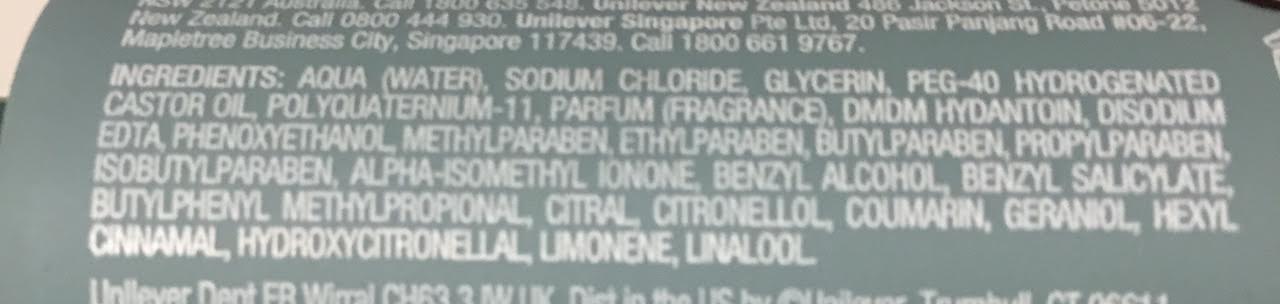
Water
Sodium Chloride
Glycerin (Derived from animal, maybe GMO, maybe palm oil derived; may irritate skin, not assessed for safety in cosmetics)
PEG-40 Hydrogenated Castor Oil (petroleum derived; not safe for use on injured or damaged skin – most scalps have a nick or two here and there so, um, no thanks!)
Polyquaternium-11 (lung irritant)
Parfum (fragrance. When not specified as natural, it is the gross majority of the time a synthetic fragrance and in synthetic fragrance/parfum, it is commonplace for hormone-disrupting ‘phthalates’ to hide – they’re used to make fragrances ‘stick’ and last longer but they’ve been found to be sex-hormone mimicking (Read more on hormone disruptive chemicals HERE )
DMDM Hydantoin (synthetic; eye/skin/lung irritation, releases formaldehyde, suspected immunotoxicity)
Disodium EDTA (maybe petroleum derived; allergic reactions, skin/mucous membrane irritation)
Phenoxyethanol (petroleum derived; eye irritation, headache, tremors, and CNS depression, suspected reproductive and developmental toxicity. Banned in Japan for personal care products)
Methylparaben (petroleum derived; contact dermatitis, endocrine disruption)
Butylparaben (petroleum derived; allergic reactions, dermatitis, endocrine disruption)
Propylparaben (petroleum derived; contact dermatitis, suspected endocrine disruption, suspected skin/sense organ toxicity)
Isobutylparaben (may be petroleum derived; allergic and hypersensitive reactions)
Alpha-Isomethyl Ionone (synthetic; CNS disruption, possible human toxicant, suspected environmental toxicity)
Benzyl Alcohol (may be petroleum derived; Allergic reactions, liver/immune/and neurotoxicity)
Benzyl Salicylate (may be petroleum derived; Associated with endocrine disruption, skin irritation)
Butylphenyl Methylpropional (restricted in EU cosmetics, allergic reactions, contact dermatitis)
Citral (synthetic; allergic reactions, eyes/skin/lung irritation, suspected liver toxicity)
Citronellol (plant derived; not common but sometimes allergic reactions, irritation to skin and mouth, sensitisation)
Coumarin (synthetic; allergic reactions, suspected carcinogen, suspected cardiovascular and liver toxicity)
Geraniol (plant derived; possible but not probable allergic reactions, contact dermatitis, skin/eye irritation)
Hexyl Cinnamal (synthetic, restricted in EU cosmetics; allergic reactions, skin irritation)
Hydroxycitronellal (synthetic; allergic reactions, skin irritation)
Limonene (plant derived; possible but not common skin/eye/lung irritation)
Linalool (plant/synthetic; possible facial psoriasis, allergic reaction and skin irritation)
SHEESH: What the hey now, right?
Don’t panic. What we didn’t know, we didn’t know. We just have to take a deep breath, find a better way and move on from this weirdness. A lot of the skin irritant potential ingredients only affect sensitive skins, so it’s really the hormone / endocrine disruptive ingredients as well as the lung irritants, unsustainable palm and petroleum we need to ditch here – so, yeah… basically the lot 😉
Now we cover every aspect of low-tox hair care and every other day-to-day choice across 22 topics, extensively in my start-anytime E Course GO LOW TOX.
BUT, if you just want to deal with this AHA, then I am delighted to share great go to brand many low tox peeps use and a very simple DIY, cheap to make, low tox natural texture spray right in your own home.
BUY IT
So many people use and love this in our community and if you aren’t a DIY’er then go for it and give that Noosa Basics a go.
DIY HAIR TEXTURISING SPRAY
What you need
1 cup boiling water
2 tbsp epsom salts
1 heaped tsp quality salt (adds the ‘hold’ to the waves. Use 1/2 if you want looser, zero stiffness waviness)
50ml aloe vera juice (optional but nourished and tones hair – available online or at your local health shop)
6-8 drops of your favourite essential oils (I’ve done a blend of 2 drops vetiver, 3 drops balsam fir and 2 drops peppermint from Young Living oils, which smells ridiculously good but you can literally blend what you fancy or leave the oils out altogether. I can help with a wholesale oils account if you need one; otherwise, grab your own from whichever brand you enjoy.)
What to do
Drop the oils if using, into the epsom salts so that they emulsify in with the water once mixed.
Then dissolve the salt and epsom salts into the boiling hot water.
Add the aloe vera juice and stir well through
You’re done. Pop in an atomiser of some kind (I rinsed out the old texture spray bottle, or an apple cider vinegar bottle works well with a new spray top screwed onto it)
To apply, just spray a few sprays on your hair, especially middle and ends so it doesn’t get weighed down at the roots and scrunch it up to give the definition to the hair.
This is my favourite thing to use when I’ve let my hair dry naturally and need to make it look like ‘it was on purpose’, if you know what I mean.
So there you go!
Low Tox Hair. Yeah yeah (anyone else remember that hilarious Ashley Martin hair ad from the 80s? Just me then? Moving on…)
FEATURE IMAGE PHOT CREDIT: From the Hello Giggles blog.


Comments 21
Advanced hair…….yeah yeah
Am whipping this up now
Author
Awesome. Let me know how you enjoy it!
Thanks for this Alex! I once picked up a bottle of Bumble and Bumble sea salt spray thinking that it was a good brand and then I read all the ingredients. And I am not sure salt was one of them!! Have been looking for something like this as I have a 3.5 month old and not a lot of time to get ready in the morning 🙂
Author
We’ve all been there! You’re welcome 🙂
what is hilarious is that literally two days ago I bought a can of that weirdness because I’m sick of having limp hair. How bad can sea salt spray be right? Yesterday I hung my head upside down and sprayed it on and as I breathed in the fumes I thought… yep…pretty bad… what a duffa. now tell me where I’m getting aloe vera juice?
Author
Oh no! Health shop is the easiest place for aloe juice x
Great info, thanks! Totally off topic, though, I’ve been reading your older post on Teflon cookware. I guess I can leave a comment there because it’s an old post, but I am wondering if you know whether the new? Pyrolux Pyrocast cookware is safe? It seems to be made from cast iron, but it’s extremely hard to find out anything more than what is listed on online stores that sell the products. Pyrolux seems to be an offshoot from Scanpan, but there’s nothing on the Scanpan website. I’d love to switch over to cast iron cookware or similar, but am a bit leery of these big companies doing the right thing and keeping toxic chemicals out of their products. Would love to hear if you know anything more about Pyrolux or other products. (PS. have looked at the Solidteknics pans and they look awesome but the range is still quite limited)
Thanks!
I think this will truly work. Have heard other reviews on these as well.
Author
Sure does work!
Great info you shared with us!, thank you!
Do you spray this on when your hair is wet or dry?
Author
You can do either. Totally up to you and same result x
Hi Alex
So I have everything but the aloe, so can easily make up even a half batch to test but, my question is, does this spray have that same tacky feeling that the commercial ones do? (Cos really what I want is the impossible – hair that dries beautifully on its own, that I can brush or run my hands through that will still have it’s beautiful cute little curls / waves after brushing…)
I have thin dead straight hair and this works perfectly for me. It gives my hair a little body and stops it from being fly away. I wash and towel dry my hair then spray this through my hair while still a little damp. My hair dries straight 🙂
I have thin dead straight hair and this works perfectly for me. It gives my hair a little body and stops it from being fly away. I wash and towel dry my hair then spray this through my hair while still a little damp. My hair dries straight 🙂
Can you use this on synthetic wigs?
Author
Hmm, not sure Terry, might be a question for the manufacturer as the hair may be treated with something else.
Hi Alexx
Thank you for an amazing alternative to those smelly, toxic sprays.
I’m just wondering how long the spray lasts before it goes rancid??
Author
Hi Moira, if you are leaving out the aloe, it should last a while as it is only salt and water. You can always do a smell check 🙂
Hello!
Thanks for your recommendation. I was wondering why you add epson salt into it? Most blogs use the other ingredients but not that one, so I was just wondering why sea salt AND epson salt? Or why eson salt AND sea salt??
Thanks!
Hello!
Thanks for your recommendation. I was wondering why you add epson salt into it? Most blogs use the other ingredients but not that one, so I was just wondering why sea salt AND epson salt? Thanks!