







About this show:
What a treat this Part-1 of microbiome explanation is with Kiran this week on the podcast. We explore:
- Different types of bacteria and their various roles in the gut, including the importance of their balance and diversity to overall well-being and resilience.
- The gut/immune connection
- The importance of working on growing your window of tolerance of food variety and the potential downsides of narrowing your food mix too much and for too long.
- How we get to a place where because we’re resilience-focused 80% of the time, the 20% isn’t make-or-break when it comes to choices/social ‘go with the flow’ moments. (As long as we don’t start putting everything in the 20% as @livealivehq reminded us last week!! 😘)
It was so detailed and high-quality that I invited Kiran back for Part 2, where we will explore “leakiness” in the skin, brain, gut, and more.
Enjoy the show and tag me on Instagram with your AHAs or shares @lowtoxlife

Alexx Stuart
Founder of Low Tox Life and the Low Tox movement
Join me on Insta @lowtoxlife
***
Questions we explore in the show:
- What made you choose microbiome as your area of research and focus as a scientist (personal/professional origin story)
- When we think of the microbiome we often think ‘gut’ but there are several… 101 ‘tour’.
- What is the interplay between microbiomes and the immune system?
- The top impacting factors in daily life are stress, illness, the environment, and what we eat… can you talk about any specifics as to how and why these variables impact us so greatly/ cool facts to add in to bring these impacts to life?
- And do we know how much genetics come into play with establishing/maintaining a healthy microbiome?
- Leakiness is also something we’ve come to learn so much more about – leaky gut, brain, skin… and we often talk about it from the protein “wrong particles floating around” perspective – can you talk us through the immune system implication here
- Probiotics – your company’s probiotics are quite different to most, at microbiome labs – can you share why you developed your formulations?
- When someone takes a lot of ‘one strain of probiotic’ say Acidophilus which everyone seemed to be blanket-put-on at one stage for a brief minute – what does this sudden increase of one species do to the others? Is there a prudent, best course of action for exploring when/what one might need when it comes to probiotics? (best testing data/genes/what they’re sick with, ie SB when gastro is around…)
- Should we ever take probiotics ‘as a staple, year round’, or is it an ever-moving feast we involve a good clinician in for optimal benefit at different ages, stages, and situations?
And no doubt we’ll tangent from there.
Thank you to this month’s show sponsor for helping you make your low tox swaps easier:
@ausclimate continues giving 10% off their Winix Air Purifiers and Dehumidifiers at ausclimate.com.au. CODE: LOWTOXLIFE at checkout https://bit.ly/ShopAusclimate
@Biofirst with 15% off sitewide for the entire month of June – welcome to your new podcast swaps offer for one of my favourite low tox brands when it comes to skin with challenges and how frustrating it can be. CODE: LOWTOXLIFE https://bit.ly/3ydRS8T
Be sure to join me on Instagram @lowtoxlife and tag me with your shares and AHAs of this week’s episode.
***
About Kiran Krishnan
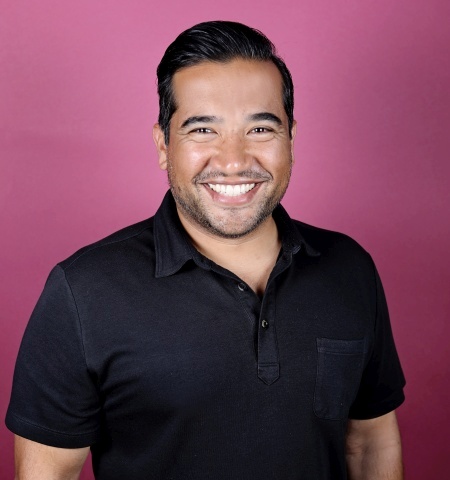
Kiran is a research microbiologist and a health and wellness expert who aims to make complex information understandable to all. He has founded a number of successful health and supplement companies over the last 20 years including co-founding and leading Microbiome Labs, the preeminent, microbiome therapeutics-focused brand among healthcare professionals. He is currently a co-founder and partner in 3 other companies that aim to revolutionise wellness care. He has conducted and published several research studies in scientific journals, has published chapters in scientific textbooks/reference books, has global patents and is a sought-after speaker on human health and the microbiome
Connect with Kiran on Instagram @kiranbiome
Websites: www.endoaxis.com and www.sivcare.com
***
More about this month’s sponsors:
Thank you to this month’s sponsors for partnering with our show and helping you make your swaps with their special offer:

Ausclimate’s highly recommended range of WINIX Air Purifiers is the ideal solution for cleaner, healthier indoor air. Easy to use, reactive features and settings with a truly comprehensive 4-5 stages of purification, including Hospital Grade True HEPA Filtration and Winix’s unique PlasmaWave® technology. Perfect for smoke, dust, pets, viruses, bacteria, household odours, and allergies (covering a variety of allergens). Breathe easier, sleep better, and feel better. Winix; is the most complete air purifier on the market!

Offer: Ausclimate is now giving all Low Tox Life followers an EXTRA 10% OFF their already discounted prices. Simply enter the discount code of LOWTOXLIFE on check out via: https://www.ausclimate.com.au/
This discount can also be redeemed for over-the-phone orders verbally.
Website: www.ausclimate.com.au
Facebook: www.facebook.com/Ausclimate
Instagram: www.instagram.com/ausclimate

If you’re looking for high-quality skin formulations to address skin challenges or stress and nothing’s worked yet – put this on top of your shopping list, with 100’s saying “Finally something has worked!”.
Enjoy the help in making the skin product swaps with this month’s generous offer from Biofirst, Alexx! Anyone tried the products yet? I love using the Ultra sensitive skin rescue lotion towards the end of my luteal phase as my day/night moisturiser, and I’ve given both that one and Manuka skin saver to people as gifts with Eczema or Dermatitis skin challenges. The little self heal salve tube is a very effective first-aider too

Enjoy 15% off site-wide with your code LOWTOXLIFE and if you have any questions, feel free to ask in the comments via our Facebook or Instagram.
🔗 https://bit.ly/3ydRS8T
Facebook: BioFirstOfficial
Instagram: @biofirstofficial
***
Title show track, by LIOR.
Love the podcast music? You will hear excerpts from Lior’s track “Caught Up” – go check it out on iTunes or Spotify if you want to hear the whole song or album, Scattered Reflections. Co-written with Cameron Deyell, it’s a great song and I love the reflective energy of it – perfect for the show, right? Enjoy. Lior is always touring, so do check out his website. It is wonderful to hear him sing live, trust me.
Low Tox Club – The place to bring your low tox life to life.
Want to join a community of like minds and enjoy all the perks of being in the Low Tox Life inner circle such as an online membership platform, 50% off all our Low Tox courses, an awesome chat group, my monthly Q&A, and special guest star interviews for just $49AUD ($29USD/28EUR/23pounds) per YEAR? We have created a special place and set of resources to help you achieve your goals and it’s a wonderful place to be – MORE DETAILS AND REGISTRATION HERE.
***
If you would love reading like me or you just simply want to go through the full transcript, you can check below.
[Alexx Stuart] (0:00 – 8:39)Increasing resilience by understanding our gut bugs better. That is today’s show. Hello, and welcome to the LOTOX live podcast.
I’m Alexx Stuart, your host and founder of the LOTOX movement. And I want to welcome any new listeners. And of course, all of our returning listeners.
It is such an honor to have you take some time out from your day to deepen your understanding about the things that move the needle for our health and the planet each week. I appreciate every review. I appreciate every single time someone takes the time to share and tag me that they’ve had a really amazing aha with one of the shows.
And I deeply appreciate your listenership. It’s awesome to have you here. Now, today’s guest is Kiran Krishnan.
And if you don’t follow at Kiran biome on Insta, he’s a fascinating microbiologist. And I wanted to have him on the show, which I often hesitate, especially if someone owns a brand in the space in which they’re an expert. But he is a wonderful scientist, and he definitely explains bacteria in a way that really helps us understand their various roles in the gut, including the importance of balance and diversity to overall well-being and resilience.
So he talks a lot about leakiness as well. And that’s actually going to be our part two that we’re going to deep dive in, in a few weeks time. But part one really today is about understanding gut bugs at a much deeper level so that we can understand the piece around gut and immune connection, gut health and a weak system versus gut health and a resilient system.
And we really explore, which I think is so relevant, right? So often we hear that we have to ditch this food, then we have to ditch another food, then we’re sensitive to another group of foods. And it’s almost like in reducing the diversity of our exposures to all things, we actually weaken our systems and then become a slave to really narrow, small diets that then form some sort of catalyst, if you like, to even poorer gut health.
And we can end up in a bit of a tricky cycle. And so we unpack that today as well. And there are definitely times for narrow windows.
I mean, I remember when I had a very high overflowing histamine bucket, I had to be very careful in those first couple of years of navigating mold illness and still living in a moldy water damaged building until we got out, until I could start building resilience. I did have to play it safe. I get that.
So I’m not discounting anyone who is at a stage where that is your reality. But I hope from listening to today’s show, you understand that yes, there’s an SOS, but there’s also a long game. And we explore some of the ways that we are best placed to increase resilience, increase the amount of foods we tolerate and enjoy.
And by becoming more resilient, becoming less likely to be knocked down by one tiny food that was on a plate, say. Of course, always talk to your health professional before you make any changes, especially if you have an allergy or a known intolerance. So I wanted to preface this show by sharing that.
Before I kick into the chat, of course, this show can’t come to you every single week for free, wherever you are in the world without our incredible show sponsors. Our major sponsor gives you 10% off all year this year. And that is Oz Climate.
If you haven’t heard me talk about dehumidifiers and air purifiers, then you probably don’t know me too well yet. And so welcome to you. But I am a huge fan as someone who has navigated mold toxicity and SERS and prevention is the best medicine.
Our en suite in our new apartment doesn’t have windows. And this is so common with en suite bathrooms and they can become a real mess real quick. If you don’t keep that humidity nice and low and dry them out.
I’ve never met an extractor fan in my lifetime that does a good enough job at drying out a bathroom completely. So consider a dehumidifier in that scenario for sure. 10% off code LOTOX life, ozclimate.com.au. And they’ve also just released an energy efficient heating range that you might want to explore as well. If you’re down this neck of the woods in Australia, because it is cold. Now our guest sponsor this month is BioFirst. If you have not come across these often life-changing skin products, then you are absolutely in for a treat.
BioFirst is an Australian company. They are multi award winning. And if you have eczema, hives, psoriasis, dermatitis, rosacea, excess dryness, flakiness, or perhaps you’re recovering from radiotherapy treatment and your skin needs a lot of love and healing.
Welcome to the Manuka skin saver, the ultra sensitive skin rescue lotion, which I’m actually looking at on my desk right now and going to pump out because it’s the funniest thing. But at the start of winter, I develop a crack in my pointer finger on my left hand, I’m a lefty. And for some reason, that finger gets a little crack of skin.
And right now I am religiously multiple times a day. Every time I think about it, that’s why I’ve got my BioFirst skin rescue lotion on my desk so that I don’t forget. I’m massaging it into the cut and that develops with this dry cracked skin crack that I get.
It’s bizarre. But it’s every single month when every single winter, when it gets really cold and dry. And in just like three or four days, it’ll be gone, it’ll be healed.
There won’t be any pain. It’s a really fantastic product. And I mean, the fact that it’s a hundred mil is extremely generous.
It’s a wonderful, wonderful product. And on the BioFirst website, you actually have plenty of helpful blogs that help, you know, for which skin condition or challenge you might be experiencing at the moment, whether the Manuka Skin Saver, the Self Heal Salve or the Ultra Sensitive Skin Rescue Lotion are going to be your best friend. We actually have all three.
I adore them. And they have a beautiful immune support throat syrup, actually, that you can use from little kids to grannies and grandpas. That is exceptionally smoothing, completely plant based, delicious as well.
So great uptake for the kids who maybe don’t like some of those awful conventional syrups that have a whole bunch of other nasties in them too. 15% off Australia, USA, New Zealand with your code LOTOXLIFE. And I want to hear the results because when you look at the reviews on their website, you can see that it’s often that camp of people.
And maybe this is you where you’ve tried a bazillion products for your skin over the years. You are in a steroid cream cycle where every time you stop it, the problem comes back. Give them a try.
And now let’s talk microbiome with Kiran Krishnan. Enjoy. Kiran, hello.
How are you doing?
[Kiran Krishnan] (8:40 – 8:42)I’m doing great. How are you? [Alexx Stuart] (8:42 – 9:05)
I’m very well. And you are coming to me from the city that I went to preschool in, Chicago. It’s lovely to have you on the show.
I’m going to dive right in and ask you the first question I want to ask, which is of all scientists, why microbiome for you? Like where did that torch get lit in your scientific mind that you wanted to go down that rabbit hole?
[Kiran Krishnan] (9:06 – 11:43)Yeah, you know, well, funny enough, when I chose the path of science in general, the microbiome didn’t exist, at least it existed, but we didn’t know it existed, right? I was fortunate enough to choose to study microbiology, which I knew I was going to go into the biological sciences. I wasn’t quite sure which one, but having watched a very exciting movie in the first week of college, a movie called Outbreak, I decided like, wow, that is really exciting.
I wanted to chase pathogens and figure out cures for them and so on. So that’s why I went into microbiology and virology. And then once in the world of microbiology, I did research on a number of topics, including lots of pathogenic organisms.
And what I came to realize fairly quickly is that so much in the area of clinical microbiology, which was the part that was most relevant to me, because it’s microbiology of lots of different things, right? There are microbiologists that study soil and wastewater treatment and biodegradation, all kinds of wonderful things. But I wanted to do clinical microbiology.
That was my interest. The vast majority of focusing clinical microbiology was around pathogens. And when I started looking at all the microbes discovered, such a small percentage of them are actually pathogens, right?
It’s like less than 0.1% under best case scenarios are actually pathogenic. The rest of them are either benign or useful in some way. But at that time, when I was starting off in research and industry and things like that, there was no real impetus to study the benign or the potentially even beneficial microbes.
It was all around disease-causing microbes, right? And so then I went into the nutrition space. I started doing clinical trials and arranging clinical trials for companies in the nutrition space.
And then the NIH kicked off this project of the human microbiome. And the main reason they kicked it off is to understand this massive universe of benign and beneficial organisms that we knew nothing about. And so to me, that was like, aha, that’s where I want to go.
That is the treasure trove of healing opportunities, of discoveries, of understanding the human system. That’s where it is. So I wanted to dive headfirst into that because to me, that was the frontier, the new frontier of biology, as it has turned out to be.
[Alexx Stuart] (11:44 – 12:30)Absolutely. And the first pathogen you made me think of as you were talking there is something like E. coli, right?
Because it’s like it gets all this bad press because yes, in too much of an amount, it becomes a big problem. But it actually serves a purpose in a role of a happy microbiome as well. And so how in science do you guys figure out where is the point at which it becomes a problem?
And I think with probiotics, which of course we’re going to unpack, we then push things a big way, one other way, and then are we getting everything else out of balance? It can be really confusing.
[Kiran Krishnan] (12:31 – 14:22)Yeah. Well, we can relate this to humans to a certain degree, right? So if you think about, let’s just take bacteria.
Bacteria, you can really think about them in three categories. So category one are what we call pathogenic organisms. So these are direct pathogens, meaning their whole purpose is to be pathogenic.
They have a ton of genes that code for things like virulence factors. Virulence factors are any genes that help them cause infection or problem or tissue damage. So they code for toxins.
They code for things that help them evade the immune system. They code for things that kill other microbes in a dismantling way. So their whole world is being a pathogen.
And a great example of this is like, let’s take salmonella typhimurium. Salmonella typhimurium is a direct pathogen. Or you take the mycobacterium that causes tuberculosis.
So mycobacterium tuberculosis is a pathogen, a direct pathogen that if you get exposed, you can live with it for a period of time, but it’s trying to cause an infection in your system, right? And I would say actually in the world of evolution, these are the least evolved pathogens, right? The least evolved microbes.
And the reason for that is it doesn’t really help a microbe to kill its host, right? Ultimately what the microbe wants to do is be able to live within the host for a long, long period of time. So the pathogens that show up like Ebola, for example, shows up and kills its host in a matter of weeks or months, that’s a terrible microorganism because it’s basically wiped out its home.
[Alexx Stuart] (14:23 – 14:26)It’s like an Easter Island kind of situation. [Kiran Krishnan] (14:26 – 14:27)
Yeah, exactly. [Alexx Stuart] (14:27 – 14:27)
Yeah. [Kiran Krishnan] (14:28 – 19:18)
They overuse resources. They go a little bit crazy and haywire. And what tends to happen with pathogens over time, and this happens with viruses as well, and we can give examples of this, is they start to become more and more and more benign, right?
The best viruses are the ones that can live within you forever, not kill you. They might be very annoying, but they can live with you forever and not kill you. And they themselves have a home forever.
So Epstein-Barr virus, for example, cytomegalovirus, right? Or you even look at herpesvirus, right? They can live within the host forever, not actually killing the host.
They found ways to evade the immune system indefinitely, but they don’t harm the host because they need us. They need our cellular machinery to replicate themselves. So you take the direct pathogens.
These are microbes. By all accounts, in their nature, they’re here to harm. Then you’ve got opportunistic microbes.
So these are microbes that have toxigenic tendencies, meaning they have genes within their system that code for toxins or that code for virulence factors, but they don’t express those genes until certain conditions are met, right? A good example of that is like a transmissible pathogen called listeria monocytogenes, right? So listeria is interesting because it is a pathogen, but it only infects once it reaches a certain threshold of its own population in the body.
And if it doesn’t reach that threshold, it’s not going to upregulate its virulence factors. There’s lots of E. coli’s that are similar to that.
And staphylococcus, streptococcus, many of those that tend to live in our system for long periods of time, they tend to be opportunistic like that, where you might have a staph sitting on one part of your skin and it’s totally fine. It’s benign, not doing anything bad. But then another part of your skin, and there’s a break in the skin, all of a sudden it has the opportunity to express its virulence factors and it may cause a massive infection there.
So these organisms sit down and often they can have beneficial effects when they’re not acting as pathogens, but given the right conditions, they will express their virulence factors and they will cause a problem. More often than not, the right conditions are if other pathogens in the area are also expressing virulence factors, or their numbers reach a certain threshold, or the host immune system seems to be suppressed, right? They measure things like your stress hormones and other things to understand what is going on with the host immune system, or they can even measure inflammatory cytokines to understand what the inflammatory state is.
And if the inflammatory state is high, then they may express their virulence factors. Now, the third category are completely benign and or beneficial microbes. Now, the big difference between these types of microbes is that they don’t contain any virulence factors.
So even if they wanted to, they can’t actually be pathogenic because they don’t code for any toxins. They don’t code for antibiotic resistance. They don’t code for any other virulence factors.
They don’t have it in their genome at all, right? Now, in some cases, they can pick up some of these genes from pathogenic organisms, but the ones that are commensal within our body that we’ve developed this symbiotic relationship with, they tend not to do that because they do know that maintaining this homeostasis is better for them, right? They don’t want the host to actually get ill.
So those are the three categories of microbes. Now, I would say that in most humans, when we think about dysbiosis in the gut, on the skin, in other parts of the body, and we think about like, okay, pathogens causing a problem, you know, everything from creating a frank infection or illness where you feel it, you’re sick, you have fevers, you have whatever the symptoms are, to the poor causing disruption, like in your digestive system, immune dysfunctions, all of those things, most of the time, those are the opportunistic, right? It’s not as common for us to have exposure to and get ill from a direct pathogen. The most common version of that is when people get foodborne illnesses, right?
You eat a contaminated burrito or something and you’re vomiting and feeling like you’re dying for the next two, three days, but then your body clears that, your immune system clears that, or maybe you took a medication to clear it and it’s gone, right? That’s the acute illness that’s often associated with direct pathogens. Most of the chronic issues that are credited to microbes come from the opportunistic ones.
[Alexx Stuart] (19:19 – 19:23)Yeah. Wow. Well, that was quite a tour there, Karen.
Thank you.
[Kiran Krishnan] (19:25 – 19:27)It’s so important for people to understand, right? [Alexx Stuart] (19:27 – 19:29)
It is so important. Absolutely. [Kiran Krishnan] (19:29 – 20:13)
I want people to know that the terrain really matters, right? Whether a bacteria or even to a certain degree, a virus is going to act in a pathogenic way is dependent on the terrain and ecosystem. The ecosystem dictates what they do.
And so if you have an ecosystem that tends to allow for the manifestation of the expression of virulence genes, then you’re going to be somebody that’s constantly dealing with toxin producing microbes that are causing inflammation, illness, chronic issues, and so on, right? So managing your terrain becomes really important. And a lot of that management can be done through improving the benign and beneficial microbes.
[Alexx Stuart] (20:13 – 20:39)Yeah. And can it end up being a little bit chicken or the egg? Like if the immune system’s down, then that affects the gut.
If the gut’s down, then that affects the immune system. Like, I mean, part of the chronic illness picture for so many people is like chasing that silver bullet root cause, but then in fact, finding a holistic approach ends up being the best because it’s very hard to find out which one went out first. It’s better to just try and build a healthier person.
[Kiran Krishnan] (20:40 – 21:49)It’s true. So when it comes to the immune system and the gut microbiome, and we can talk a little bit deeper about the relationship between the two, one affects the other quite dramatically, right? So a messed up immune system will cause a dysfunctional gut microbiome and then thereby a dysfunctional gut microbiome will cause even more problems with the immune system.
And it becomes a self-perpetuating cycle. And often what the people who are experiencing this cycle feel like is it may start off with, you know, I get sick quite a bit, maybe more often than my peers, right? Like, oh, every time there’s a cold or flu thing going on, I pick it up.
Or there might, they might be more, less resilient to things like lower sleep amounts or, you know, you know, being exposed to things all the way to like, all of a sudden they’re getting food sensitivities and they’re getting more autoimmune type responses like eczema, psoriasis, they’re seeing more inflammatory conditions like acne popping out or indigestion and chronic indigestion. And then it goes all the way to more serious conditions, but that is a self-perpetuating cycle that then needs to be arrested.
[Alexx Stuart] (21:50 – 22:22)Yeah, absolutely. And how does one decide to approach improving one’s gut health best in your view? I mean, you’ve obviously explored this to the point where you decided to start a supplement company and it’s by no means an ad for microbiome labs, but it’s a very interesting take, if you like, in the microbiome space.
And I’m curious to see how you arrive at, I think this is missing.
[Kiran Krishnan] (22:23 – 33:00)Yeah. So, you know, when I looked at it, you know, I really am, as a microbiologist, I follow a lot of evolutionary biology cues, right? Because the thing is our microbiome, our digestive system, our immune system didn’t occur overnight.
These are products of hundreds of thousands of years of evolution, right? And you have to look at the pattern of evolution and how we co-evolved with microbes in the environment and all that to understand how a lot of this may work. So what becomes clear, not only just from my thinking and my investigation, but then from lots and lots of studies that have been done on this topic, what becomes clear is that we have a very intimate relationship with microbes, not only in us, but in our environment as well, right?
And constant and continuous exposure to a large variety of microbes in our environment and between each other, between individuals itself is a very important aspect of maintaining diversity and resilience within the gut microbiome. That’s also arguably one of the most important things that occurs for your immune system in terms of maintaining robustness and proper functionality of the immune system. And so when we looked at, okay, so if we’re going to give people a tool, there’s a lot of things they need to be doing themselves because there’s no silver bullet in fixing the gut, right?
But we want to give them a tool that helps mimic what our ancestors did to evolve and create this amazing, robust microbiome. And so we honed in on microbes that acted as what you call quorum sensing agents, right? So think about it this way.
We’ve got this diverse and complex microbiome in our gut and on our skin and everywhere else in our body. And there’s tons and tons and tons of microbes in the environment, right? And for the vast majority of human evolution for 99.999% of the time that we’ve been here, we’ve been in concert with the dirt, right?
We’ve lived in the dirt, ate off the land. We drank water, some rivers and streams. We dug for roots and tubers and foraged.
And so we got a lot of exposure on a regular basis to the environment around us. And as a consequence of that exposure, we also get a lot of exposure to microbes. And as it turns out, that constant osmosis of us putting microbes back out into the environment through shedding it, through our skin, through breathing, through sputum, through sneezing, and then of course through defecation, which is a huge part of it.
And then bringing in microbes through food and diet and exposure and all that, that constant exchange seems to be incredibly important, not only to maintain a measurement of what the environment is like for our immune system to understand where we live and what we live amongst, but also to maintain a certain diversity and cohesiveness to our gut microbiome. And so we said, okay, how do we mimic that? And so we started looking for organisms that exist naturally in the environment that also can colonize and play a role in the gut microbiome.
And that’s where we found these bacillus endospores. And the endospores are very unique because they’ve been around for millions of years. They were possibly some of the earliest cellular life form on earth itself.
There’s some really interesting documented studies on the ability of these spores to survive interstellar travel on meteorites. And possibly being, yeah, this is a theory if people really want to nerd out. There’s this amazing theory called the theory of panspermia, right?
The theory of panspermia says this, it’s like, okay, where did the building blocks of cells come from on earth, right? So we know early earth, there was this massive bombardment period where the earth was basically being bombarded with rocks from outer space. Some of it coming off of other planets, some of it coming from Kuiper belts and all these other regions of space, but earth is being bombarded.
And then eventually the bombardment era stopped and earth continues to get hit by meteorites because we didn’t have an atmosphere just yet, right? Right now, a lot of those rocks would be disintegrated in our atmosphere. But before we had this thick atmosphere, we were getting hit by a lot of things.
And what they found, scientists have found that on meteorites that have hit the earth in the more modern day, they find proteins and nucleic acids, which are the building blocks of cellular life on these meteorites, right? So they’re present on meteorites that are coming in from outer space. They even found some, if I’m not mistaken, on ones that are found on the moon, right?
And so the thinking is that, wait, so there may be microbes that live on earth today that were part of the original seeding of cellular machinery on earth from outer space. So this is the idea of panspermia and it sounds cuckoo, but it’s not, right? It is great documentation for this from a scientific literature standpoint.
So for example, Mars had a completely different environment early on than earth did, right? We now know that there was likely liquid water on Mars. There were likely microbes and other things on Mars.
There are lots of rocks and things that have skipped off of surface of Mars and made their way to earth. So it could have picked up microbes from Mars. Can something survive the interstellar travel from Mars to earth, a microbe?
They found that spores that live on the earth today can survive up to seven years of interstellar travel on a rock, right? And then when they look at the genetic homology of Bacillus endospores that are found today versus ones that are found in glacial ice cores that are six, seven million years old, they find that the genes don’t hardly change. So these are very stable microbes have been the way they are for the vast majority of time and could be, at least they could be an answer to what seeded the earth with proteins, nucleic acids and all that in the early bombardment period, right?
So it’s pretty crazy when you think about it, but it also speaks to paying homage to where we all may have come from and where cellular life, how all of that started, right? And of course, there’s lots of different explanations that people can have, but as a microbiologist, this is where my brain goes, right? I go to the smallest of biological units and I look at the cell and I go, okay, where did these components come from?
And microbes could have very well seeded it. And so we honed in on those microbes. We said, okay, those microbes have been here for billions of years.
They have a very unique capability of surviving through the gastric system, living in the human gut, and also waiting in the environment for up to 200 million years before they get re-swallowed and go work in the human gut, right? And they have this unique ability of quorum sensing. And this part is really interesting because quorum sensing is the ability of microbes to read each other’s chemical signatures, to understand who’s in the environment.
And then some of these microbes can take action as a result of that, right? Oh, it’s like a little networking event. It is a networking event.
And it’s the earliest language that we know of. I mean, before it completely predates our ability to communicate with one another, right? And microbes are still doing this today in the body itself.
They’re quorum sensing with each other and talking to each other. And in fact, we know that microbes in different sites of the body can talk to each other. We don’t exactly know how, right?
How are they sending messages among each other within our body? So it’s absolutely fascinating. So I’ll give you a story of the earliest understanding of bacillus quorum sensing, right?
And this is why it was so exciting to me. So it’s well documented that in World War II, the German army, in their campaign in North Africa, most of the German soldiers were dying of dysentery and food poisoning and so on, right? They couldn’t drink the local water.
They couldn’t eat the local food. And so one of the things they noticed is when the locals got an upset stomach, one of the things that they would do is they would look for dried camel dung and they would chew on the dried camel dung and that would cure their digestive issues, right? And so they took back a bunch of this dried camel dung and a pharmaceutical company in Germany or in Europe in general worked on figuring out what is it in the dried camel dung that could heal dysentery, which is of course a terrible gut infection.
And they found that bacillus endospores, so these are the probiotic bacteria that we’re working with, that were colonized in the camel’s gut that was coming out through defecation. When humans consumed it, those spores would go into your gut. They come out of their dormant state, which is the state that they’re in in the environment.
They come into the vegetative or living state in the gut. They start reading the chemical signatures of all the microbes around. They can identify pathogenic organisms.
They’ll go sit next to them and produce all of these compounds to kill the pathogenic organisms without harming or touching anything else, right? So this pharma company Sanofi Aventis discovered this and they launched in 1952 a prescription probiotic drug for the treatment of dysentery. And that drug is still on the market today, widely used in parts of Europe, Latin America, and Asia as a primary treatment for traveler’s diarrhea and gut infections.
They even have expanded the use of things like chronic upper respiratory infection and so on. And that’s all from the capability of this microbe to be able to read the microbial signatures, find the bad microbes, the ones that are either direct pathogens or opportunistic that we talked about earlier, and then sit next to them and bring their numbers down without harming any of the beneficial bacteria, right? That is a clever little microbe right there.
[Alexx Stuart] (33:00 – 33:01)It’s a clever microbe, right? [Kiran Krishnan] (33:01 – 35:46)
You could give me a thousand of the best microbiologists and endless budget and we wouldn’t be able to engineer that, right? That is just such natural brilliance. Like it’s hard to even fathom how you would engineer that capability in a microbe.
I’ll give you another example of the same Bacillus endospores, right? So we did this study with Cleveland Clinic, which is a huge research hospital, very, very well-known, very prestigious in the U.S. And they were studying Clostridium difficile infection, right? We know Clostridium difficile is very hard to treat.
You’ve been treated with strong antibiotics, there’s almost a 40% recurrence rate in people, and then it’s bloody diarrhea and there’s something like 25,000 people a year that die from this infection, right? So there was one of the microbiome researchers that was studying it. We gave them the spores to study it in the model that they had, which is an animal model of C.
diff infection. And what they found was when they added our spores, that the spores could knock down the C. diff infection as well as any antibiotic could, right?
In this model that they’ve published on many a times. But here’s a really interesting thing about it. The interesting thing is how the spores killed off the C.
diff, right? Because the spores can kill lots of different pathogenic organisms. And in many cases, what they do is they produce antibiotic compounds to kill off the bacteria, right?
So a bacteria can produce antibiotics to kill off other bacteria. In this case, because Clostridium difficile is a very robust pathogen and is resistant to a lot of antibacterials and antimicrobials, the spores found a new way. And this was a very cool discovery.
What they do is they surround the Clostridium difficile like covered wagons surrounding an enemy, and they secrete chelating agents into the environment to starve the microbe of iron. Because Clostridium difficile requires iron in order to activate its metabolism. This is why people with C.
diff have bloody diarrhea, right? Because what the bacteria is trying to do is it’s eating through the lining of your intestines to get to the blood supply. And then when it gets there, it’s feeding off the blood supply.
This is why blood now is coming out in your intestines and you’re having bloody diarrhea. So it’s getting to the iron in the blood. So the spores have figured out that C.
diff in order to get rid of that, they need to produce a chelating agent that starves this pathogen of iron, right? That’s an absolutely brilliant thing. It’s just so clever.
[Alexx Stuart] (35:47 – 35:52)I mean, and it’s all just happening while we’re going about our lives. That’s my favorite part. [Kiran Krishnan] (35:52 – 37:38)
Yeah, we could be on TikTok and just looking at idiotic things, right? And there’s all of this natural brilliance happening in us that we don’t even realize, right? And so to make a long story longer, that is the kind of thing that really captures me.
And I go, wow, this is freaking crazy. Can we utilize this powerhouse of nature and help people give them an assistance in improving their gut health? So that’s how we develop the probiotic.
We just took what nature had already given us, this beautiful quorum sensing agent, Bacillus endospores that we know can knock down pathogenic organisms or harmful organisms. And then we proved they can also dramatically increase beneficial microbes and they can seal up the lining of the gut in the leaky gut studies that we did. So we know that they can modulate the gut microbiome quite dramatically, but you add that to all these other behaviors that people should be doing to improve their gut microbiome.
And then you have a total solution, right? A supplement is not going to be the be-all end-all. You do so many more things throughout the day that have a dramatic influence on your microbiome.
So you do have to curb those, which is diet, exposure to certain things, lack of exposure to other things. So we could touch on each of those, but a supplement can certainly be a big help, but it’s not going to be the magic bullet. And that’s the thing I always tell people, despite us having a supplement company, the supplement company exists out of need because we needed to bring this back to our guts.
But at the end of the day, people really need to hone in on some of the lifestyle things as well.
[Alexx Stuart] (37:39 – 38:02)Yeah. And I think it’s those things that we know that are just so basic and yet. Okay.
So what is your take on why humans find it so hard to realign with what we basically need to be healthy? And we spend so much money on chasing silver bullets. I always think it’s an interesting thing to talk about.
[Kiran Krishnan] (38:03 – 41:38)I think a lot of it is because the basics, the simple basics are boring and we are very much geared towards this idea of progress, right? And progress in our mind is often associated with technology and technology is often associated with convenience, instant gratification, all of those things, right? So we see that in everything we do.
It’s not just our phones and communication and all that anymore. It’s also in our food, right? In our drink, in the supplements we take and all of those things, because we want what we perceive to be the highest technology.
We want what we perceive to be the most instant gratification and the fastest road to success, right? Because it is boring to think about like, well, you need to get enough sleep. You need to get outside more.
You need to eat a more diverse diet. Those are the fundamental things that just have not changed. And studies show over and over and over again, that these are the most important things.
One of the most important things you can do for your gut, right? And the world has, even the world of wellness has gone in a thousand and one different directions. You’ve got people going, you have to be keto.
You have to be carnivore. That’s the only way that’s healthy for the gut. You have to be vegan.
You have to do this. You have to do that. You have to take kombucha.
You have to take all of this stuff, right? And that’s a million and one probiotics out there. Million and one prebiotics is, you know, all kinds of things that you can do.
At the end of the day, the most important thing that’s not only for your gut, but actually arguably for your health is fiber, right? And we’ve all known this, right? And it’s so boring.
It’s so bloody boring that it’s like, wait, fiber? I thought you were going to tell me something more exotic. There’s a guy online that’s talking about, you know, drinking your own recycled urine, because that’s the healthiest thing for you, right?
Or that liver nut guy that’s like, all you eat is liver, raw liver all day long, right? Those are the things that people grab onto because there’s sensationalism towards it and excitement. It’s the next new shiny thing.
When at the end of the day, the most boring thing, fiber is so important, right? So fiber is going to be one of the most impactful things on your gut microbiome in terms of diversification, creating resilience, creating all of these important by-products that your body needs to function like short chain fatty acids and urolithins and so on. It’s also going to create all these vitamins and minerals and enzymes and all that as a result of digesting the fiber.
And fiber is arguably one of the most well-studied macronutrient. There are a couple of recent meta-analysis papers that have come out that include upwards of a million subjects in these studies, right? And they’ve shown that when they compared low fiber consumption to a high fiber consumption group over a long period of time, what they show is that the high fiber consumption group reduces their mortality rate by almost 40%.
And we’re talking about all cause mortality, right? Meaning dying from anything. And then they also showed that when they followed individuals that actually incrementally added in fiber for every 10 grams of fiber, you add to your diet per day, you can reduce your mortality risk by 10%.
Right. Which is huge.
[Alexx Stuart] (41:38 – 42:06)And so why do so many people add the fiber and then get totally backed up and constipated? How do we fix that problem? Because that’s come up a lot.
And that is, seems to be, you know, I’ve interviewed lots of people, spoken to lots of people in our community. It seems to be why a lot of people then gravitate keto carnivore. Cause it just kind of chills the body out from trying to process all the fiber.
So why are we having so much trouble processing fiber?
[Kiran Krishnan] (42:07 – 46:41)It does. Yeah. And so, and, and, and, you know, one of the misnomer here is that if you eat it, if you eat this food in a fiber, for example, and you get a negative response and you get bloating, you get constipation and all that, that, oh, that must mean it’s bad for you.
Right. What it does actually mean is your system is disrupted and not utilizing this very important food. Right.
And, and this is again, this, the process of the, the, the very conventional elimination diets, right. Where it’s like, oh, I can’t tolerate this anymore. I can’t tolerate that anymore.
I can’t tolerate that. It must be the foods they’re bad for me. It’s your system that is mad, right.
You should be able to eat all of those things. Humans are omnivores. We’ve, we’ve survived on over 600 different types of foods annually.
A lot of the anthropological studies show we, you know, we eat insects and nuts and roots and tubers and animals and all their parts. I mean, we can survive in every corner of the earth because we can consume almost anything. Right.
And, and, and survive on it. And, and our, our digestive system, our microbiome and all that suggests that we are more than likely omnivores. So fiber is, is really important, but fiber has to be able to be utilized properly in the system.
More often than not, most Westerners have a diminished microbiome, right. Which means that they’ve had multiple courses of antibiotics. They probably ate, you know, just shitty fast food for a long, long periods of times and made a lot of poor lifestyle choices.
So you now, what you’ve done is you’ve diminished the diversity of the microbiome. And because you haven’t eaten much fiber, you have a very low number of important microbes whose job it is to, to digest the fiber and produce beneficial byproducts. Right.
But what you do have are microbes that can also utilize some of that fiber and they may produce a non-beneficial byproducts like gas, right? So they’re not converting the fiber into things like short chain fatty acids. They’re instead converting it into gas.
And so that’s what you feel. So now you’ve got this dysbiotic gut, you throw fiber in there. A good portion of that fiber is being utilized by the dysfunctional microbes.
They’re producing gas, bloating, and, and constipation. And that’s what you feel. And so you go, oh, that’s bad.
I’m going to stop the fiber. Whereas some of these good bacteria are still actually consuming the fiber still and giving you the benefit. What you need to do is over time keep incrementally adding in fiber.
And these guys, the beneficial guys will outweigh and overrun the dysfunctional microbes because the beneficial guys are better at utilizing fiber, but their numbers are likely lower at the moment. Right. So let’s, let’s just say this, this is a completely nonsensical number, but I’m just using it just so people understand things.
Let’s say you’ve got a hundred of these microbes that could utilize fiber. And let’s say, you know, right now you’ve got 70 that are really bad and that, that utilize fiber in a negative way. And you’ve got 30 that utilize it in a beneficial way.
Right. In that system, you add 30 grams of fiber because you heard someone say, well, you need to take a lot of fiber. So I’m going to add 30 grams in there, 30 grams of fiber comes in 60, 70% of that fiber gets utilized by these 70 guys that are now producing gas and all that.
And you go, oh God, this fiber is really not agreeing with me. And yet some of it is still being utilized by these other guys. Now over time, what can happen is the numbers shift.
Right. But what you really want to do to avoid that feeling is you want to incrementally add smaller amounts of fiber. Right.
So I wouldn’t start off. If you’re somebody that eats four to eight grams of fiber a day, which is probably pretty standard, just accidentally from eating food will accidentally eat for four to eight grams a day, where you really want to be is 50 plus grams. That’s where it’s like, man, it’s that’s where you see magical benefits happening, right.
But you don’t get there overnight. Right. If you’re eating four to four to eight grams a day, what you want to do is add roughly three to four grams per day each week.
Right. So if I’m so then I go, okay, next week is my fiber adding week. So I’m going to go from four to eight grams, which is what I normally eat.
I’m just going to, you know, either pick a fruit or tuber or something that I know has a carrot, add an apple.
[Alexx Stuart] (46:41 – 46:43)That’s next week’s increase. [Kiran Krishnan] (46:43 – 49:25)
Yeah. And add that in every day of that week. And then the next week, add another four or five grams, four or five grams and so on.
Before you know it, 10, 12 weeks later, you’ve already added 40 ish grams a day. Now, what that does is when you add a small amount in, because these guys are better at utilizing fiber, they will utilize a larger part of that small amount because these guys who can utilize other things like fats and proteins and so on, they may focus their efforts on the larger amounts of volume of macromolecules coming in. So then you incrementally and slowly feed these beneficial microbes.
Now there’s another trick to feeding just those beneficial microbes is adding in oligosaccharide prebiotics, right? Oligosaccharide prebiotics are different than fiber. So fiber is the roughage in a lot of fruits and vegetables, right?
So this, and you have two categories really, soluble fiber and insoluble fiber. So the difference between the two is soluble fiber does mix in water well and can hold water. Insoluble fiber does not hold water, doesn’t mix water well.
In your diet, you want a good mix of both. You want a more soluble fiber than insoluble fiber. Let’s say you were eating 40 grams of fiber a day.
You’d want about 30 of it as soluble fiber and about 10 of it as insoluble, right? So that’s a fiber portion. And you get it largely from food.
I do supplement as well because I’m constantly trying to increase my fiber intake. So I do do psyllium, husk, and sun fiber and things like that, that give me additional 15 to 20 grams. But then the next category of prebiotics, prebiotics are more like specialized fiber molecules that are far more complicated than your typical soluble and insoluble fiber.
And because their structures are much more complicated, they can only feed certain category of bacteria. In the case of prebiotic oligosaccharides, they generally feed your keystone species, which are the most important microbes in your microbiome, your most important friendly microbes in your microbiome, right? So what you want to do then, if you’ve got a lot of these guys that could utilize fiber in a negative way and very little of these guys, then what you want to do is start your fiber intake by doing very small amounts of normal fiber, but start adding in two to three grams per day of oligosaccharides.
So these are abbreviated GOS, like galactooligosaccharides or FOS, fructooligosaccharides or XOS, you know, those kinds of things.
[Alexx Stuart] (49:25 – 50:02)Yeah. And these are the things that FODMAP avoidance are trying to give a wide berth. And so what is your take on FODMAPs as a way of permanently having to avoid a huge amount of foods?
Because that just doesn’t make sense to me that that should be the end goal, yet people are really suffering. And I completely understand why you would choose that in that moment and with that practitioner at that time, but we have a different goal, right? It’s not just to feel better right now.
It’s like, what is the long game?
[Kiran Krishnan] (50:03 – 50:20)Yeah. We have to, we have to build resilience, right? We have to, I’ve always said to people like, like my health goal, when people ask me like, what is your health goal?
I always say my health goal is to build resilience because I want to be fine and still make 20% bad decisions. Right.
[Alexx Stuart] (50:21 – 50:30)Yeah. That really is the goal, isn’t it? And that’s my, my low tox mantra is we do what we do most of the time.
So we can go with the flow some of the time.
[Kiran Krishnan] (50:30 – 51:52)Totally. Because we have to live, right? If I’ve got, I’ve got a bunch of friends that are going out for beer and pizza.
I don’t want to be the guy that’s showing up with my, you know, little Tupperware of, of some sort of salad and, and organic for something like that. Right. And oh, no, I can’t have a beer because it’s going to make me, I want to be able to have me social and hang out and not have to worry about it because 80% of the time I’m building my resilience.
Right. And, and the beauty of the human system is that we are designed to be incredibly resilient. We have a lot of functional redundancies built into our microbiome.
We just have to diversify and expand that. So, so when you go to these highly restricted lifestyles, like for lifelong FODMAP, right, what you are doing is exactly the opposite where you’re, you’re reducing the diversity over time and you’re reducing that functional redundancies that people have that we, we should naturally have that give us resilience. So you’re making yourself functional in a very narrow spectrum, right?
This is where you hear from people while like, I feel fine as long as I don’t eat this, this, this, and they named 25 foods that they can’t eat. And if as long as they don’t eat that, they’re fine. Right.
And as long as I never drink this, I’m fine. As long as I sleep this amount and I never get less than this amount, I’m fine.
[Alexx Stuart] (51:53 – 52:28)Yeah. It’s literally the most high maintenance, fragile health situation. I come, I’m so glad this has come up Karen, because I think, you know, I have so much compassion for chronic illness because I’ve been there with mold.
It is dark and awful, and I wouldn’t wish it on the meanest person on the planet. But at the same time, I always had this inkling that it wasn’t about just doing what you needed to do to like feel okay that day. You’ve got to get more flexible in every sense of the word.
[Kiran Krishnan] (52:28 – 56:19)You, you really do because because the problem with that, with that narrowing down of your the, the realm in which you can focus is that inevitably that becomes narrower and narrower and narrower because intolerance continues. Right. If you have a system that is moving towards intolerance, meaning right now you can’t eat these five foods.
Okay. And you go, well, I’m, I’m okay. I can figure out a lifestyle where I avoid these five foods because you have an intolerance already.
And you’re moving in that direction. That five is going to become seven foods in a, in a couple of years, then it’s going to become 12. It’s going to become 15 and so on.
It just keeps moving in that direction because intolerance is not our normal condition. In fact, we have very robust systems in place to build tolerance, right? One of the, one of the, one of the marks of a healthy immune system is called high oral tolerance.
What does that mean? That means you have an immune system that knows not to attack the vast majority of things that your body encounters, right? We always think about the immune system as one that can defend us against things, right?
Pathogens that come in, viruses, bacteria, fungi, toxins, and all that. Great. We absolutely want an immune system that can react appropriately and neutralize those threats, but we equally need an immune system that doesn’t react to the vast majority of things that we are exposed to.
Because if it does, then you have an intolerant system. Then your immune system is attacking all the food that you eat. It’s attacking all the particles you breathe in and attacking everything.
And you, you end up with this chronic condition of, of intolerance. You end up with, it starts with things like allergies, asthma, chronic sinusitis, chronic upper respiratory, eczema, psoriasis, food intolerances. And it moves on to the point where your own immune system doesn’t tolerate your own body, which is autoimmune, right?
This is why from 40 years ago, we had somewhere around 30 or 40 known autoimmune conditions to now we have over 110 documented autoimmune conditions because we keep moving our system towards this area of intolerance. And eventually it won’t tolerate anything, right? And when it doesn’t tolerate anything, it attacks everything, including your own system, right?
And so that becomes a big, big issue. So for those that are in a predicament right now that are like, well, I, I can’t tolerate these things. I can’t tolerate that.
So I have to avoid it. I totally get it like you do. And it’s not an easy place to be because exposure to those things does make you feel like crap, right?
And, and people want to feel better. So, so my advice to them is this. Let’s say you discovered FODMAPs you don’t tolerate well, right?
And anytime you eat FODMAPs, you get terrible bloating and maybe you get brain fog and headache and you get a rash or whatever the negative side effect is. Okay. Just know, number one is you have to switch your mentality that it’s not the FODMAPs that are bad.
It’s your system that is messed up and is not tolerating it the way it should, right? And it should be able to tolerate those. So that’s phase number one, because so, and the reason I say that is a very important thing is because it’s so much easier to go, well, those are bad for me.
Right. And then when you go down that rabbit hole, you will find a million people online that will support that false notion that those are all bad. Right.
And then you start getting convinced and then you start seeing these online influencers running around the beach with their shirt off and eating nothing but raw meat. Right.
[Alexx Stuart] (56:19 – 56:29)And they’re like, I’m not laughing at the people because they’re going through their own stuff, but I’m just laughing at the hilarity of where our online health conversation has ended up. [Kiran Krishnan] (56:29 – 57:53)
Because that’s how people gain followers, right? They know people are suffering from something and they’re trying to present to you what they, what, you know, they hopefully they don’t believe it’s a true solution, but they’re, and they know that it’s going to get your attention. Right.
Because you’re now in this really difficult space where you go, oh, I have to go on a low FODMAP diet. So then you Google low FODMAP diet and you see all of these foods that you no longer can eat. Right.
And it’s mind boggling. Right. And it’s, and it’s disruptive to your lifestyle and your social life and everything.
So you’re in a difficult place. And so you’re looking for solutions. What becomes easier is someone online that you think is an influencer of some sort telling you that, no, you’re right.
These are all really bad things for you. This is what you need to eat. Just eat butter and steak.
Right. And not to hammer on the carnivore people. I love meat.
I eat meat all the time, but loving meat doesn’t mean that vegetables are bad for you. Right. And loving vegetables doesn’t mean meat is bad for you.
Right. We really have, we’re designed to have a balance of the two. And so what I really want those people to do is number one, reframe in their mind that it’s not the food that’s bad.
Right. It’s the system that’s dysfunctional. Right.
And this is assuming we’re talking about real food. We all can agree that all the processed junk is nonsense. That’s not on the table.
[Alexx Stuart] (57:53 – 57:54)Literally. That’s not on the table. [Kiran Krishnan] (57:54 – 1:00:40)
We’re only talking about real foods here, real fruits, vegetables, roots, tubers, and all that. And so that’s step number one. Step number two, as you are eliminating those foods, so you feel better, which I can understand and it’s fine to do.
You also still need to revamp your system. Right. And what does that mean?
That means you have to start rebuilding the ecosystem in your body that is responsible for allowing you to tolerate those foods. So how do you do it? You don’t need those foods just yet to do it.
Right. You can do it without those foods. So a couple of things, number one, you need to start reducing exposure to things that harm microbes in your system.
Right. So for example, if you’re eating lots of non-organic foods or lots of other processed things, you need to eliminate those. Right.
Or reduce them dramatically because know that those processed and packaged things and all that, that are convenient and easy and may even be labeled to present like they’re healthy, will have things like antimicrobials and so on in them to preserve them. So those things can have a negative impact on your body. You may even want to get a nice water filter system for your home, because at least in the U.S., our water has lots of chloride in it and fluoride and those things all kill microbes. You may want to, you know, clean up some of your personal care products. You don’t need antimicrobial everything. Right.
You don’t need to sterilize your home top to bottom with chlorine based cleaners and kill all the microbes. So you want to start modulating those things. You also then want to get out as much as you can.
As we talked about, our relationship with the dirt and with the natural environment is so important to the health of our microbiome. So even though you’re not adding those foods back in yet, get outside. Right.
Go for hikes, go in the natural environment and sit down and eat in the natural environment. That’s one of the most, you know, connective things you can do with the outside environment. So near me, there’s a lot of forest preserves and I love going for bike rides and walks and jogs and all that through it.
I walk through and then we go on a path and then we sit down somewhere. We touch. I’m very purposeful about touching things along the way.
Right. Feel what the bark feels like and picking up rocks and things like that. That’s how humans interacted with the environment.
Right. We were very exploratory. So you’re picking up all these things and you make your kids do that if they’re there and kids won’t actually do that anyway because they’re so curious.
But touch things and then sit down and you know, open up some food, an apple or whatever it may be. And don’t sanitize your hand with a bunch of hand sanitizer before you do this. But sit down and eat in the environment.
Right. Sit in the dirt if you can. Sit on a log.
Sit on a rock.
[Alexx Stuart] (1:00:41 – 1:00:47)Sit down and eat. Yeah. It’s the train station where you might need the sanitizer, not the picnic in the park. [Kiran Krishnan] (1:00:48 – 1:03:36)
Exactly. If you go to the bathroom in the train station or the mall or something like that, absolutely wash and clean your hands right before you touch your face or anything like that. But if you’re going out in the natural environment, even the beach, right, the beach is a natural environment with lots of natural microbes.
If you happen to live on the coast, go sit on the beach and eat some food there. And so start doing those things. Start managing stress.
Stress has a huge impact on changing your microbiome in a negative way. So even though you can’t eat all these foods just yet, you’re starting to get outside. You’re starting to clean up your environment so you’re not exposing yourself to lots of antimicrobials.
You know, you start to manage stress or try to get into some meditation. Or if you naturally have a lot of anxiety and all that, you want to look at a psychobiotic like Zenbiome, for example. It’s a very well-studied probiotic that manages cortisol response and dramatically reduces anxiety and stress in response to adverse situations, right?
So that in itself can start to help your microbiome. So now you’re doing a few things that are already good for your microbiome, even before thinking about the foods that you cannot eat, right? So now let’s say you’ve gone through about a month, month and a half of doing some of these things to try to help increase, improve your microbiome.
Now you want to look at start incrementally with tiny amounts, adding some of those foods back in, especially foods in the FODMAP category or any category of food that you used to be able to tolerate, right? Like a lot of people develop these sensitivities and intolerances later in life, right? I used to be able to eat eggs.
I used to be able to eat this, but now I can’t touch it anymore. I have this response and that response. Well, if you used to be able to eat it, there’s still a tolerance factor somewhere in your system.
You just have to bring that up, right? So as you’re improving your gut, you could start taking the spore-based probiotics because those will go in and start improving the gut like we talked about earlier. Now you start incrementally bringing in small amounts of those foods.
And I’m talking about like, you know, let’s say for example, you can’t tolerate eggs, right? All of a sudden. I’m talking about, you know, but your kids can tolerate it, make an egg for them, but then take just a spoonful and eat it, right?
We’re talking about just small amounts that you reintroduce to your system over time, but do that incrementally. Don’t rush it. If you go too much and you feel awful, then slow it down, you know, but just do that incrementally.
And you’ll be shocked at how effective it can be to reintroduce those foods into your diet. The human system is designed to build tolerance over time, but you need a healthy microbiome in order to do that.
[Alexx Stuart] (1:03:36 – 1:03:56)Yeah, a hundred percent. You’ve inspired me to reintroduce mushrooms, teeny tiny bits, because that was just something with the mold gears that I just, anything in the fungi world was just not my friend. But I just love them and I want them back so bad.
Tiny amounts, right?
[Kiran Krishnan] (1:03:57 – 1:05:35)Yeah. Tiny amounts. Take it with the spores.
I often tell people to do that because one of the unique things that the spores do is they up-regulate a tolerance factor in your immune system. Your immune system has a type of cell called a T regulatory cell. The beauty of this cell is its job is to regulate unfavorable immune responses.
And these are immune responses that you shouldn’t be having, like responding to food in a negative way, right? So the Treg system will shut down that kind of immune response and go, Hey, we need to tolerate this food. Don’t respond to it.
And that’s how your body learns as time goes on. So take the spores and then take a little bit of, for you, in your case, what would it be, a cheese or something like that? On a cheese, I’m great.
Like a mushroom, you mean? Very specific mushrooms. Yeah.
Yeah, yeah. So tiny amount, as long as you’re not anaphylactic. Of course.
This is another disclaimer for anyone’s listening to this. If you’re not anaphylactic to the food, you can start introducing it. If you are anaphylactic, then you’ve got a different issue with it.
And of course, don’t tease around with that or mess around with that. But if you’re just intolerant, meaning it gives you bloating and discomfort and all this stuff, you can add back in small amounts. But I would give yourself at least a month of what we talked about earlier, without introducing the foods, of starting to revamp your microbiome, right?
Start doing that first, add in the spore probiotics, manage stress, get outside, start exercising to a certain degree. Then after about a month, start adding small amounts of the food.
[Alexx Stuart] (1:05:35 – 1:06:08)Yeah, that’s an exciting challenge for us all. Now, this feels like we definitely need to have a part two because I had this whole plan to talk leakiness, another huge issue, and leaky skin. So Kieran, I am here publicly inviting you back to the show in a few months to dive into those topics and thanking you so much for exploring this tiny window of tolerance humans seem to have got ourselves into and how we might move forward in a different way.
I really appreciate the work you do.
[Kiran Krishnan] (1:06:08 – 1:06:54)It’s my pleasure to give people a little bit of a teaser and preview. So ultimately, we talked about how we disrupt the microbiome throughout the body. And it is starting to become clear that one of the biggest consequences of disruption of the microbiome in the gut, on the skin, in the brain, and everywhere else is that the barriers that the microbiome supports become dysfunctional.
And when the barriers become dysfunctional, the barriers become leaky. And at the end of the day, these leaky barriers become the number one driver of chronic disease. So it becomes really important for people to understand that.
And we’ll cover that in part two. And so that’ll be exciting.
[Alexx Stuart] (1:06:55 – 1:06:57)Very exciting. Thanks so much, Kieran. [Kiran Krishnan] (1:06:57 – 1:06:58)
My pleasure. [Alexx Stuart] (1:06:59 – 1:09:54)
I hope you loved today’s show as much as I loved bringing it to you. I want to remind you that if you are someone who craves a low-tox community that is judgment-free, full of empowerment, has health professionals and building health professionals that can support you as well as me in there answering questions multiple times a week, I want to invite you to join the low-tox club. For the price of less than a cup of coffee a month, you have an annual membership for $49 Australian.
So it’s about $30 US or Euro that allows you to have a member masterclass every single month with a health professional or global expert from the podcast where we have them to ourselves for an hour to ask questions and deep dive further. You have the beautiful supportive chat group. You have Q and A’s with me, me answering questions.
We read books and talk about them and a whole bunch more. You can head to lowtoxlife.com, hit the explore tab and join the club is the very first option on that list. Of course, we have over 10 evergreen courses that you can jump into anytime, whether it’s navigating everyday low-tox swaps with our go low-tox signature course, whether you have kids and you’re wanting to know how to best support them with our low-tox kids course, whether you’re planning a family and looking at a healthy low-tox preconception journey, reducing inflammation, especially the chronic kind with our inflammation ninja course, many, many other courses. You can again, head to lowtoxlife.com, hit the courses tab, and you’ll see all of the options, which includes a business course, my low-tox method program. A lot of people don’t know, but I was doing a lot before starting low-tox life in 2009. And I was a business consultant across hospitality, health, retail, and cosmetics. I have been in business consulting for a very long time.
So I absolutely adore helping people move into the low-tox space or develop their low-tox businesses. So that’s a way I can support you. And then of course, there’s our wonderful social media communities at lowtoxlife on Instagram and of course the website with over 250 gluten-free recipes, blogs, downloadable PDFs to help you navigate wanting to get rid of synthetic fragrances in your school or office.
I could go on. So head to lowtoxlife.com, see what takes your interest or fancy. And thank you so much for being a part of our podcast community.
I love, love, love reading your reviews. I appreciate every follow and subscribe. And I want to just remind you to finish off that if there’s anything you heard that you found interesting from medical or scientific perspective, it is intended as education only, please always chat to a health professional who knows you and your situation best.
I’ll see you next week. Bye.
