







About this show:
Nervous system, somatics and what true regulation means. We go there again with a brilliant practitioner. It’s a biggy this week. It’s going to be a cause for reflection and compassion for many of us, I think!
I wanted to have Irene Lyon, MSc. on the show because I’ve become concerned myself about AI and the impact on education online – models hired to demo a few ‘easy exercises’ to regulate system and modules churned out by computers, funnels built by bots and everything geared to algorithm eye catching… it’s the Wild West out there and we’re playing with humans who actually need support.
What people ‘think’ doing work to regulate the system might have gone through to need it:
- War
- Physical or mental abuse
- Difficult experiences around big moves, big illnesses, bullying
- Crime or violence committing, “troubled youth”.
What experiences also can mean regulation work can be needed
- Illness, surgery, difficult births
- Contact sports
- Shaming or being in the care of “overreacting adults” as a child
- Being left to cry oneself to sleep as a baby
- Head trauma such as a fall/hitting head
- Break ups, grief, job loss
And the list goes on! We unpack the many ways to know if you’re connecting with a good person/platform to work with – how to spot ‘quick fixing red flags on the internet’ and then some of the common situations where people go through every possible treatment for whatever it is they’re experiencing as adults, only to find it stems from dysregulation.
I hope you love the show as much as I love bringing this one to you,

Alexx Stuart
Founder of Low Tox Life and the Low Tox movement
Join me on Insta @lowtoxlife
Questions we explore in the show:
- How did your fascination with the nervous system take shape?
- You talk about being excited that nervous system awareness is ramping up in the best way… but that there are some common misconceptions between mental/physical health and stress response and nervous system – what are some of the big ones you often see.
- Do you feel like the sheer amount of information, options, podcasts, courses, content… could be keeping us dysregulated for longer and holding us back from deciding to DO THE WORK? Like we’re not actually sure what the work is to be done?
- When it comes to turning information into transformation – how can we trust and feel ready and what resources to use? Difference between a ‘creator’ and a teacher/red flags to watch for in this space in terms of people saying they can help you with ‘finding safety’ or ‘releasing trauma’ ?
- I loved a video you shared recently on coping/managing techniques and them not actually being about ‘I’m helping myself feel regulated’ it’s more just managing dysregulation – almost it feels like you were saying, it’s giving you respite momentarily from having a dysregulated nervous system. Can we unpack a little more what a True window of tolerance vs false window of tolerance is?
- I just loved seeing you say that – as I’ve found this to be so important in my own healing and in supporting others, that our goal is to teach our nervous systems that it’s ok to spend more TIME in healing mode. Sending that message is so important – how does that look for someone looking to cultivate them for themselves?
- And can we talk about some of the habits/negative behaviors/lack of control over things etc that seem such common problems that might actually be rooted in nervous system dysregulation?
- Lets talk about things we think are linear to treat – like a big cut that causes a wound in a home accident… or your doubles partner hits your head super hard by accident with their tennis racquet, or whiplash from a car accident, or you had a bad fall. You go to the physio, chiro, doctor, get the scans, take the antiinflammatories or natural supps… you do all the things but you’re not seeming to get over it completely – what might that person be missing?
- And how about things we don’t deem ‘stressful’ to our nervous system perse like getting braces, having a filling, having a day-surgery… what could we be doing so that these don’t get us stuck in stress states?
- How underestimated is the impact of a birth trauma and how can we go about working on that. I was so disconnected from my 3-day labour rollercoasting that ended in an Emergency C that when I told the story at mother’s group, it was like I was telling some other person’s story – like I couldn’t even connect to it being ‘me’ that went through that – I wondered if that was a sign of being dysregulated/disociated?
- I want to ask about parenting for our last subject as many of us go into parenting with dysregulation of some kind and think “Oh well,
- I’m anxious, so I guess my kid is anxious” for example… many other examples could share. We then worry “Oh I made my kid this way” when we see they’re dysregulated but we don’t know what to do about it/them… Advice on where to start there?
***
Thank you to this month’s show sponsors for helping you make your low tox swaps easier:
@ausclimate continues giving 10% off their Winix Air Purifiers and Dehumidifiers at ausclimate.com.au. CODE: LOWTOXLIFE at checkout https://bit.ly/ShopAusclimate
@koalaeco gives you 25% off all of July CODE: LOWTOXLIFE. It’s a delicious range of home and personal care products using no new plastic, fake fragrances, dyes, harmful preservatives or phosphates. I’m a bit obsessed with their clothes-washing liquid, stain spray and doggy wash are all on repeat order at our house! https://bit.ly/3sOmxr1
Be sure to join me on Instagram @lowtoxlife and tag me with your shares and AHAs of this week’s episode.
***
About Irene Lyon, MSc.:
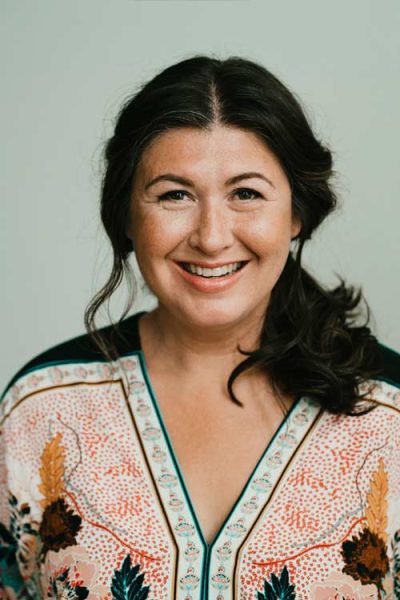
Irene Lyon, MSC. and nervous system expert, teaches people around the world how to work with the nervous system to transform trauma, heal body and mind, and live full, creative lives. To date, her online programs and classes have reached over 9,500 people in over 90 countries. Irene has a Master’s Degree in Biomedical and Health Science and also has a knack for making complex info easy for ALL of us to understand and apply to our lives. She has extensively studied and practices the works of Dr. Moshé Feldenkrais, Peter Levine (founder of Somatic Experiencing) and Kathy Kain (founder of Somatic Practice). Irene spends her free time eating delicious food, hiking in the mountains or walking along the Pacific Ocean in her hometown of Vancouver, British Columbia.
Connect with Irene on the following platforms;
Instagram— @irenelyon
Website — irenelyon.com
Check out Irene’s 21-Day Nervous System Tune-Up program: https://21daytuneup.com/
It’s a self-study virtual training course that blends cutting-edge neuroscience with crafty neurosensory exercises – all designed to spark up your nervous system powers by helping you tune in to the mind-body-environment connection.
RESOURCES TO LIFT QUESTIONS: https://irenelyon.com/free-resources/
More about this month’s sponsors:
Thank you to this month’s sponsors for partnering with our show and helping you make your swaps with their special offer:

Ausclimate’s highly recommended range of WINIX Air Purifiers is the ideal solution for cleaner, healthier indoor air. Easy to use, reactive features and settings with a truly comprehensive 4-5 stages of purification, including Hospital Grade True HEPA Filtration and Winix’s unique PlasmaWave® technology. Perfect for smoke, dust, pets, viruses, bacteria, household odours, and allergies (covering a variety of allergens). Breathe easier, sleep better, and feel better. Winix; is the most complete air purifier on the market!

Offer: Ausclimate is now giving all Low Tox Life followers an EXTRA 10% OFF their already discounted prices. Simply enter the discount code of LOWTOXLIFE on check out via: https://www.ausclimate.com.au/
This discount can also be redeemed for over-the-phone orders verbally.
Website: www.ausclimate.com.au
Facebook: www.facebook.com/Ausclimate
Instagram: www.instagram.com/ausclimate

Koala Eco is a purpose-led family business founded by Jessica Bragdon and Paul Davidson. We have created a range of safe, powerful, plant-based products for a clean home, body and mind. Made locally in the USA with high concentrations of Australian essential oils, the range of natural and eco-friendly cleaning and hand & body products are certified non-toxic, vegan and allergy-safe.

Enjoy the 25% off site-wide with your code LOWTOXLIFE and if you have any questions, feel free to ask in the comments. You can also check out their subscriptions to save even more, which you can cancel any time! Available in Australia AND the USA, a beautiful range of low tox home and personal products.
What to say about this lovely, Aussie/American brand of goodness other than we’ve had the liquid laundry wash, doggy wash and now Stain Spray too, on regular reorder for a couple of years now? Koala Eco is a purpose-led family business founded by Jessica and Paul. They’ve created a range of safe, powerful, plant-based products for a clean home, body and mind. Made locally in the USA with high concentrations of Australian essential oils, the range of natural and eco-friendly cleaning and hand & body products are certified non-toxic, vegan and allergy-safe. I love that they provide refills for products, given pumps are notioriously hard to recycle, and no virgin plastics are used in the range.
Fun fact – the laundry wash is 100 washes per bottle (tell my teen that, though, who always uses far too much!!! hehe) so it’s extremely good value. The Eucalyptus rosemary liquid is our family favourite.
Instagram: https://www.instagram.com/koalaeco
Facebook: https://www.facebook.com/koalaeco
***
Title show track, by LIOR.
Love the podcast music? You will hear excerpts from Lior’s track “Caught Up” – go check it out on iTunes or Spotify if you want to hear the whole song or album, Scattered Reflections. Co-written with Cameron Deyell, it’s a great song and I love the reflective energy of it – perfect for the show, right? Enjoy. Lior is always touring, so do check out his website. It is wonderful to hear him sing live, trust me.
Low Tox Club – The place to bring your low tox life to life.
Want to join a community of like minds and enjoy all the perks of being in the Low Tox Life inner circle such as an online membership platform, 50% off all our Low Tox courses, an awesome chat group, my monthly Q&A, and special guest star interviews for just $49AUD ($29USD/28EUR/23pounds) per YEAR? We have created a special place and set of resources to help you achieve your goals and it’s a wonderful place to be – MORE DETAILS AND REGISTRATION HERE.
***
If you would love reading like me or you just simply want to go through the full transcript, you can check below.
[Alexx Stuart] (0:00 – 8:23)…of information and content on nervous system health, healing, trauma, and somatics. Today we explore the wood from the trees with Irene Lyon. Hello and welcome to the Lotox Life podcast.
I’m Alexs Stuart, your host, founder of the Lotox movement, and I’m so thrilled that you’ve joined me today to explore a topic very close to my heart as I realized on a chronic illness journey through mold just how important nervous system health was to overall health, how it is one of the major players, if not the most major player, and how then everything feeds into that from the baseline of it all.
So, wow, I’m so excited to have Irene joining us. I came across her work as a real thought leader in this space and someone who often feels that they get people who’ve done a little quick course online and they’re, you know, they’re upset because they haven’t healed yet or they’re doing their nervous system exercises or their vagus toning exercises and they’re not healed yet. And she really, through her training, through her Master of Science, and then having worked and studied Feldenkrais Method and then having worked, studied under Peter Levine, the founder of the Somatics, well, School of Science and Thought, if you like, and just so many incredible layers to her training that she is then able to bring what she brings to support a deep healing and a regulated state is really admirable. She’s very generous with what she shares online and is an incredible teacher as well as not being afraid to explore why certain things work, why certain things don’t, and what people might need to look into in their own stories to uncover what it is that is holding you back from feeling regulated, from not going from zero to a hundred at the smallest of things, or from not carrying stress of an email of an upset person into the next three days of your life.
Hello, I am recovering from that last one, that’s for sure. So it’s just a really good exploration. You are not going to find the three quick exercises that you need to do this week to have a regulated nervous system.
Today is very much about exploring how in this explosion of interest on the subject do we find sources and connections with practitioners who can genuinely help us move the needle as we want to do, and how we can then look at trauma in a broader definition with some parenting examples, some examples of trauma that we don’t necessarily think of as a traumatic childhood. But if you bumped your head massively three times and just got the physical fix of that experience, you could actually be stuck in trauma from not having dealt with the actual traumatic experience of those moments. Surgery could be another one.
So we actually look at a bunch of different things, and Irene so beautifully explores things, and I just know you’re going to love this chick, and you’ve got all the details on how to connect with her work. I definitely think her Instagram is one of the ones to follow because it is so generous and detailed. You know, one of the things she teaches us in this show today is watch for red flags around content in somatics and in nervous system health.
And I think that’s really, really important as we move into these uses of AI on the regular more and more. And really, I think critical thinking is genuinely one of our most powerful assets and learning how to spot red flags. So I’ve always thought that, you know, my European political science degree taught me that.
But I get that a lot of people didn’t have to write a bazillion 10,000-word essays backing up their point and researching it to the point of being able to make a point. So, you know, that’s a huge part of it as well, and we all need help in recognizing that in areas that we’re maybe less expert in. Enjoy that conversation.
Of course, our show is sponsored by two wonderful brands this month. You have Ozclimate continuing to give us dehumidifier, air purifier, and heater support with 10% off code LOTOX life. And that often works on top of little sales they sometimes do on particular units.
So keep an eye out for that too. And dehumidifying can be really important in winter with temperature drops, Aussies. If you’re noticing condensation on your windows or you’re noticing your clothes aren’t drying on the rack quite as quickly or easily as they normally do, you may be dealing with excess moisture.
I always say before you buy hundreds and hundreds of dollars worth of appliances, just getting something like a $20 climate gauge from their website to start noticing how often is my home over 60% humidity. That’s when mold starts to grow after a couple of days at 60% or higher. Does my home need support in drying out so all my soft furnishings don’t end up moldy in my wardrobe or, you know, on my mattress?
So definitely start there if you’re completely new to this and start getting to know your indoor humidity situation. And then of course, Koala Eco is joining us with 25% off with the code LOTOX life. It excludes any special pack deals that they have on their website, but it is a great way to try one of my favorite LOTOX cleaning brands.
We have the doggy wash, we have the laundry liquid, their new stain spray is fantastic, especially if you apply it as soon as the stain happens and then get it in the wash an hour or so later. I find it to be fantastic. And they have a natural oxygen bleach product that helps with the whites that a lot of people are often concerned about when they switch to LOTOX laundry.
And then their kitchen spray, which, sorry guys from Koala Eco, I actually use the kitchen spray across kitchen and bathroom because I’m a simplifier and I find it great. I just love the smell. So that’s the one I love using.
But the whole range is fabulous. I saw someone on Facebook saying the other day, we love the floor cleaner and the giveaway was huge last week. So jump on and try a couple of products, 25% off, nothing to lose.
LOTOX life is your code. Let’s now talk about regulation and the nervous system. Enjoy.
Irene, hello. Hi, Alex. I am so excited to be able to spend this next hour exploring the nervous system with you as you so wonderfully support thousands of people and have done for years.
You’ve been at this a very long time with an origin in actually studying science more broadly. And I want to kind of understand in that university kind of education journey, was that when you already started to notice nervous system health or did you have an existential crisis? I’m always interested in the origin story.
[Irene Lyon, MSc.] (8:23 – 10:32)Yeah, well, I’ll do the quick and dirty to the best of my ability. So I was raised in a medical environment. Both of my parents, they’re still alive to this day, they are veterinarians.
So cat, animals, dogs, that kind of thing. And so I was, honest to God, Alexx brought up in an animal hospital. It was in our basement when I was an infant.
And, you know, back in the day, there was no such thing as babysitters because nobody had money for that or daycare. So I was just, I was with them. And so as soon as I was old enough to do things, I was doing small medical procedures and understanding labs and developing x-rays and prescribing pharmaceuticals.
I mean, don’t tell anyone, you know, I was filling up the bottles and, you know, clipping nails and understanding ECGs and watching my dad do surgeries. Both on, you know, animals that are alive when they were, the common thing was being spayed and neutered. And, and, you know, so from a younger age, I understood reproduction and ovaries and testicles.
And, and I also would watch him do exploratories, you know, after an animal had passed, and he’s trying to figure out what’s wrong, you know, this is the liver and this. So I had a really odd childhood in that respect. I think kids that grew up on farms tend to also have that real life experience with animals and seeing, you know, animals being born, animals dying, animals getting sick, that kind of thing.
So that was my first entry actually into, I often say medicine and health. I had no interest in following those footsteps. And they never forced me.
So that was cool. But I was always, I was always an athlete as a kid, as a teenager, skiing, figure skating, hiking. And I went into something that we call here kinesiology, but that’s different in Australia.
[Alexx Stuart] (10:33 – 10:33)It is. [Irene Lyon, MSc.] (10:33 – 10:45)
Yeah, here, it would be I know, kinesiology for you is more energy, work, energy medicine. For us, it’s exercise, physiology, human performance, all the things. [Alexx Stuart] (10:46 – 10:49)
There we go. [Irene Lyon, MSc.] (10:49 – 16:02)
So studied that human nutrition, and went to Australia and did my master’s in biomedical and health science. So I worked with humans and human performance. And then, in this timeframe of me being in university, I kept injuring myself.
So I kept having knee injuries after knee injuries, that’s a whole other story. But one thing led to another. And I was actually in Australia, doing my master’s and in a lot of physical pain.
So I was seeing Cairo and massage and physical therapy and stretching. And like, I probably was spending three hours a day. And I’m not joking on my reputation.
And my physical therapist, I still remember his name, Ray Dubber was his name. At the rule physio, he was like, something’s not right. We need to send I want to send you to another colleague who does something called Feldenkrais, the Feldenkrais method.
And I went and it shifted everything. In about a month, all the pain, and all of the crackiness and creakiness and heaviness, and I was fit like I was an athlete body back then. And I, I, I couldn’t believe that stopping my rehab, and stopping my exercise and stopping stretching and learning Feldenkrais, which is a methodology that is so complex that we won’t even get into all of it today.
But it’s rewiring the patterns of the sensory motor system so that we can have more efficiency and how we move our skeleton. And when the skeleton is lined up, not just in upright posture, but in all the ways that we crouch and squat and roll over, the muscles just fall into place. So this is like opposite to what I was taught in eight years of university.
Wow, yeah, that’s that would have been such a mind game. It was a it was it was humbling, to say the least to go Wow, I have been trained by literally some of the best people. I was one of my trainings was with was with Paul Cech, who still is going strong in the world of physical fitness and functional medicine.
And so I was like, Okay, this is an interesting, but I was so busy at grad school, I didn’t think twice about the Feldenkrais method. I was young, I was like, 25. So I was like, whatever, I’ll just keep doing my stuff.
And then fast forward back home in Canada, I tweaked my back doing something at the gym. And I’m like, oh, I should look into Feldenkrais again. And by that time, Google.
Yeah, it was blessing and a curse. Yeah, I’m almost 50. So that gives you an idea when this was a while ago.
And I was like, wow, I need to study this. So I studied it for four years, which is how long the trainings are. And I got into private practice, I started working with people in sport and fitness and all sorts of things, chronic pain.
And it helped me the Feldenkrais method. But there was so many people I was seeing, who wasn’t helping. And I’m like, what the heck am I missing?
I’ve just spent four years. After 10 years of university, I need I’m missing something. And what I found was the work of Peter Levine, this was an 08.
And so something led me to the work of Peter Levine, his methodology, somatic experiencing. And I wish I could remember the light bulb, light bulb moment when I found it, but I don’t really have one. It was more when I was deep in my training with se.
Fast forward, 09, 2010. And I just was like, holy cow, this is the thing that we are missing. Now, of course, since then, I know, you know, this is 14 years ago, there’s a lot of other things that I was still missing, like toxins in the environment, and all the things that you teach and talk about, and I’ve since learned about, but it was really the missing piece for these, I call them students, my clients, whom were doing all the things with me with Feldenkrais.
And they still were coming back in pain. They couldn’t figure out their frozen shoulders, they couldn’t figure out why they couldn’t sleep, why they had these migraine headaches, why they had pain, even though nothing was physically wrong with them. Hmm.
So that that was sort of 2010. And then I just kept going deeper and deeper, I studied with some other key mentors in the field who studied with Peter, namely Kathy Kane and Stephen Terrell. And then once I kind of got to that level of training, then it was like, okay, time to practice time to work with people.
[Alexx Stuart] (16:03 – 16:21)And, and here we are, here we are. Wow. So I, I, I want to unpack a few themes.
I think that’s going to be the best way for us to play this. We cannot do a three day seminar or a six month course right now in one hour.
[Irene Lyon, MSc.] (16:21 – 16:22)No, impossible. [Alexx Stuart] (16:22 – 18:11)
But I do want to talk about before we go into some technical aspects, how you even say it’s so exciting that nervous system health as a topic is like ramping up big time right now, lots and lots of people talking about it content. And, you know, I think there’s, we can’t ignore the fact that it seems like the internet, I was served an ad just the other day, here we go. That was a nervous system certification in six weeks so that you can get out there and build your online business.
And I was, I was floored. I actually clicked through it. What are they offering exactly?
And then it was like, you know, 32 modules that you could see the whole thing had probably been created in an AI kind of situation. And so I want to talk about some of the things that are coming up for you as a person who practices from a deep space of expertise and from over a decade of well to really five years. Yeah, exactly.
You know, what are you seeing that could be some red flags for people as they start to clock that the nervous system is a very important piece of our overall function and many of the things we’re experiencing to make sure that we’re on the right track and we’re being guided by good people because there are many good people as well. And I always think in health, you know, you want to find the people that vibe with you and that’s going to be different for different people. But what are some of the red flags?
I want to start there because there’s lots of them right now. And I think we just have to get that out of the way.
[Irene Lyon, MSc.] (18:12 – 24:25)So where do I start? Some of the red flags would definitely be those flashy ads because people send them to me and they’re appalled and they’re like, how can this happen? I’m like, well, it’s it’s like free speech.
It’s a free Internet. Anybody can put anything out there. And you cannot you can’t control something that doesn’t have a controlling body yet.
Right. Like if someone was to say on the Internet, hey, I’m doing appendectomies. Yeah, let’s go real basic.
I am doing appendectomies on this corner in this building. Are you in line to try to get one at your hospital? But you can’t click here and I’ll give you a deal that we would see that and we’d be like, that’s ridiculous.
But medicine. Well, I definitely know there are some terrible doctors. Right.
I know that there’s some good ones and there is a governing body that that governs you and ensures that you’ve gone through basic medical training. I know I know there are exceptions. I get that.
But what I’m seeing are these flashy ads and I’ll just say them and there’s nothing wrong with a beautiful woman wearing tight fitting clothes who looks great and has her makeup done up. But these are often the case. They’re doing these movements with hips.
And when I look at the movements, they’re actually very Feldenkrais based. And there was a branch of the Feldenkrais method called somatics, Thomas Hannah somatics. He was a student of Feldenkrais.
And a lot of the movements that you see on these flashy and they’re very AI because the voice that’s coming out of that usually it’s a woman is robotic. I’m like, that’s not a real person. They mimic a lot of the somatics movements.
So the movements aren’t bad, Alex, but they’re not going to heal your trauma if you do these hip movements and roll your pelvis around on a chair and open up your arms and your eyes and do all this. So that’s one red flag. The other thing, if you go to those, so go to any site, I have worked hard for my credentials.
If someone doesn’t have some form of credential, that is a red flag. Now, here’s the thing I’m starting to see. Someone because of the online world, someone might have a workshop that they did, like a three hour webinar.
And they’ll say, Holly vagal theory informed, although they’ll say, somatic experiencing by Peter Levine, they’ll say, they’ll say the key words. But if they don’t have certified did training with, then you know, they might have just gone to an online summit seminar, and they happen to watch. You see where I’m going here?
Something because and then we go to the next thing, all the online summits around trauma, I am part of many of them. So I’m guilty for contributing to this dilution in some ways. But I show up because I know they need good teachers.
But a lot of a lot of people will be like, Oh, I did this thing, or I did this three month course online, I am now certified to do somatic exercises. And just the other day, a student was a real student who has trained in another methodology, she’s starting to practice. And the first thing she said was, Wow, I have no idea how little I know.
And this person did an actual training, she’s trained with me, she’s about to do more training with me. I’m like, Yeah, this isn’t. This isn’t like learning how to make a grilled cheese sandwich.
You know, you are working with deep elements of a person’s psyche, physiology, neurology, relational aspects, infant aspects, and utero aspects. A, you’re not going to get that all in three months. And B, in my online courses, I’ve seen, I cannot ethically offer advanced exercises, unless I’ve put people through basic foundations first.
And the reason why is because most people are coming into this work completely green. They don’t even know how to sense their own breath without changing it. They don’t know what it means to sense their organs, they may never have sensed their organs.
Then you have them go into this fast, quick thing that tones their vagus nerve, quote unquote, and they open up the floodgates that have been in freeze and shutdown since maybe in utero. And you can have a disaster on your hands. And I hear so many stories of people that have tried these quick fix courses and techniques.
And they’re like, I mean, I haven’t slept for a week. I’m doing terror. My gut has gone totally off.
My autoimmune has flared. I’m afraid to go out of the house. These are things I’ve heard before.
Or some will go and do plant medicine ceremonies. And I know many people are loving that stuff right now. And I do believe there’s a time and a place.
But they are in some of these people that I hear from psychosis, because they opened up too quickly. And nobody thought what is stored in that system, that nervous system that has never been processed. So these are just little examples of these things.
So red flags, those sorts of somatic ads, I’ve actually recently found out that most of those women are models. And they’re hired to do these movements to sell a quarter.
[Alexx Stuart] (24:25 – 24:28)Goodness. Wow. [Irene Lyon, MSc.] (24:29 – 25:31)
Yeah, so that’s one thing. Um, the other red flags, I would say, this is very nitty gritty. But what I’m seeing, Alex, if someone is, you know, a user of Instagram, if you go to someone’s page, and they’re purporting to be a nervous system coach or an expert, and you don’t see any credentials, or you see some that look a little I’m not sure, see as you scroll through if they’re actually educating at an in depth way.
Or are they just making the videos so that they get lots of clicks and shares? Are they just showing a quick movement technique, a quick tapping technique, a quick containment exercise? Do this, this, this, and you will be more calm.
Do this, this, this to express anger, do this, this, this and you’ll feel safe. Yeah, it doesn’t. It doesn’t work that way.
[Alexx Stuart] (25:31 – 26:03)I see what you’re saying. And I feel like the segue for us to unpack what we should then be doing, or exploring is if there’s a dissonance with how detailed and in depth, the work of healing actually is with the fast pacedness of not only our modern lives, but also what algorithms catch. And like there’s just a complete dissonance.
They are not. They don’t meet in the middle at all.
[Irene Lyon, MSc.] (26:03 – 27:46)They don’t. And, you know, us humans, we, I get it, we’re in pain. We are struggling with all sorts of things.
Of course, we want it to be fixed in 10 steps, or in three days, you know. And even within my structures of how I’ve organized my online courses, you know, I say to people over and over again, ad nauseum, take your time, go at your own pace. If it takes you six months to do this 21 day course.
Awesome. If it takes you a year, even better. Right.
And I say that because we’ve been taught from a very young age to get good grades, pass the test, get your homework done, rush, rush, rush. And then you’re going to get a nice ribbon or a reward or a star to say you’ve done such a good job. Good for you.
Now go. As opposed to, and we’re seeing this in the education system, a lot of people are like this way that we educated kids and I was in the system, you might’ve been in the system too, is like, don’t really learn how to learn. Just regurgitate a bunch of stuff, be stressed.
And then you get a diploma and good luck with life. And so we’ve been taught, this is where this gets a bit meta is we’ve been taught how to learn in a way that isn’t conducive to teaching ourselves how to heal at a deep level. And I would say 95%, if we call it the battle of keeping my students going is reminding them the way that they were taught how to learn was backwards.
[Alexx Stuart] (27:47 – 29:24)I love that you just said that. I remember my first course that I ever put out was the biggest learning experience as an educator, because I dared to call it stupidly 30 days to your low-tox life. Then I’m with like 300 women in this chat group as we’re going through all the different topics.
I’m like, no, no, no, no. I didn’t mean you had to get it all done in 30 days. I just meant the information was coming to you in 30 days.
And then I realized, no, this is awful to try and put timelines on things. So my second course was real food rock star. And I had no protocols, no meal plans, no recipes.
It was intuitive learning about food and you and systems and what your place is in all of that. What’s what speaks to you, what farmers to connect with. And people were like, where’s the protocol?
Where is my meal plan? And I’m like, you’re not going to find one if you want to learn with me. I picked up very quickly that actually one of the healings that whole society needs is the way we learn.
So I am with you sister. That is, I just love that that’s come up because we are all so protocolized and prescribed and and it’s, it’s actually completely counter to the true goals that humans have, which is to feel connected, centered, healed, flexibly, calm, and stressed moving in between like, this is what we want. And yet the way we learn does not get us there.
[Irene Lyon, MSc.] (29:25 – 30:01)It doesn’t. And I would say that the conditioning is deep. It isn’t just last, you know, people like, oh, it’s just the last 30 years was tech.
And I’m like, no, no, no, this goes to like, how we domesticated plants and animals, how we removed ourselves from the seasons, and from the cosmos and from our ancestry and how we replaced it with industry and, and not roaming in the way that we, one could say we were meant to do. And of course, I do like living in a home.
[Alexx Stuart] (30:01 – 30:06)Yeah, I was gonna say, you look like you’ve got a gorgeous, very well established home. [Irene Lyon, MSc.] (30:06 – 30:34)
So we have, because we can’t get rid of what we’ve created. But it’s like, how can we find a different way in the current modern world, knowing darn well, we are animals, as well as humans, you know, we’re mammals, and we have a physiology that needs to learn how to be in this complex and really ever changing environment, or an environment that for some of us doesn’t change, because we control it so much. [Alexx Stuart] (30:37 – 31:56)
Yeah. Wow. And so to the point of sort of touching on doing exercises, I would love to pick up on that phrase, because I think we often think, oh, I’m going to do some exercises, and I’m going to help myself feel regulated.
Right. But it’s, it’s a lot more. It’s, it’s about a lot more than managing dysregulation.
It’s actually about being truly regulated, which means you can get stressed and then be relaxed and just kind of bounce if you have to. Yeah. So can you unpack that a bit?
Because I think, you know, I even catch myself sometimes just, tongue to the roof of my mouth, so I can take a deep breath, just sink myself back into regulation, like I’ll do it as a perimenopausal woman in the middle of the night. And actually, I bounce because I feel regulated now. I was not years ago.
Help people understand maybe the difference between what it looks like to live a life of doing exercises to regulate oneself versus being regulated and using techniques to just help you stay flexy.
[Irene Lyon, MSc.] (31:57 – 32:32)Yeah, it’s a tough one, because, and I’m going to say a bold statement, but most of us as humans, unless we’ve done the deeper work, and by work, I mean, getting into the level that myself and my colleagues, it’s not just me that teaches this level of depth, right? My colleagues, my mentors do. But getting to that level of regulation, I liken it to, there’s two analogies.
Well, one is an analogy, one is real life. If you think about learning a language as an adult, I have not done that successfully, right? To learn.
[Alexx Stuart] (32:33 – 32:34)I did that at university. [Irene Lyon, MSc.] (32:35 – 33:12)
Okay, there you go. So to learn a language, and I’ve seen friends who have done that, and the only way that they do that is they live in the country, and it’s usually because they’ve married into a family, and that is the language that their spouse speaks, and their kids that learn that language, and they have to learn that language, and they work at it by going to classes and reading instructions. So that level of learning a language, a second language as an adult, it takes a lot of time.
I’ll give you an example, okay?
[Alexx Stuart] (33:12 – 33:14)Mm-hmm, I see where you’re going, yeah. [Irene Lyon, MSc.] (33:14 – 40:09)
Yeah, I have many German-speaking friends, Austrian colleagues, and I’m in that part of the world a lot. If I were to count one to 20 in German, someone who speaks German would go, wow, you can speak German, because I’ve got it. I know how to say the numbers.
Ein, zwei, drei, vier, fünf, sechs, sieben, acht, neun, zehn. Yeah, acht, elf, zwölf, right? I can do it.
Wow, you can speak German. I mean, no, I can’t. I can say the number.
So what’s happening with lots of these techniques that people are being taught by somatic coaches, because that’s a common word I see, or a nervous system coach, it’s like the numbers. They are helping create a state shift to take a person out of activation or maybe the shutdown response, but it’s a state shift. And so what a lot of people are confusing, and I’m sure there’s exceptions, but I’m being general, they’re getting this state shift and they think that that is their system getting regulated.
It’s just their system coming out of a heightened, dysregulated response that they can feel. Now, we can use these techniques, because I mean, see, people might be like, well, Irene, how do you teach people then? Because aren’t you doing exercises?
Yes, I call my stuff neurosensory exercises. And they are teaching people how to orient and how to feel the layers of their body and their organ systems and the Feldenkrais work, it’s very comprehensive. But there’s no list that says when you feel stressed, do this.
When you feel low, do that. When you have back pain, do this movement. When you’re feeling fear, squeeze your arms.
It doesn’t work that way. Because just like the language, if I was to say, here’s the language of German, it’s these numbers. And someone was like, what would you like for your breakfast?
They’re like, what? No, what do you want for your breakfast? I’d be lost.
So what’s happening is, I think, I don’t think I know, because I’ve had students who have gone that route of the technique and the strategy. And they will say, and I say, yeah, it’s helped. It’s helped so that you don’t blow up at your kids.
It’s helped so that you don’t harm yourself or others. It’s helped so that you can get to work, so that you can get a shower in, so that you can cook food. But you’re still under that.
That state shift is a system that is dysregulated. Here’s my other example. When babies are born, human babies and mammals, other mammals, but more so human babies, we are not fully self-regulated.
We have some regulation, granted we’re full term, and we didn’t have any birth complications. Our digestion works. We can pee.
We can poop. We can eat. We can feed.
We have survival responses. We can go into shutdown. We can get frightened.
But we can’t run. We can’t fight. And we can’t socially engage.
Just say, mom, I’m feeling a little hungry. Can you give me your milk? What does a baby do?
They cry. They make sounds. And as the caregiver, you have to discern the sound that means this, this, this, this, this, this, this, this.
Or you see the redness in the face. Oh, they’re hot. You see that they’re shivering.
They’re cold. So if you have a baby that is hungry or is upset, we use upset, fussed about something. Maybe they feel something isn’t right in the environment.
Maybe there’s a toxin. Maybe someone came into the house and they’re wearing perfume and they’re not used to smelling that fragrance, which of course we know is toxic. It’s not enough to go to the baby and say, I need you to take a deep breath in for five, hold it for five and blow out for five.
You can hold that baby. But if you just hold them without attunement and connection, if you stay stressed, they’re not going to calm down. Right.
Babies that get picked up by someone and they keep crying and keep crying. They’re being, why is that? Right.
What is that baby feeling from that person, even though they’re getting contained, but they’re not settling. So that early upbringing of an infant cannot be done with strategy and steps. And what I’ve learned from my mothers who’ve gone through my longer programs and curriculums, and I just heard this story a couple months ago, it was Michelle.
She’s on my YouTube channel somewhere. She said, I had my kid a little older. I wanted her so bad.
I read all the attachment style parenting. I co-slept, I fed on demand. I wore her.
She still ended up anxious and diagnosed with disorders. Why now I know it’s because I was still anxious and dysregulated. So I did all these things that I was told to do so that she had a better life than me.
And I repeated it, not because I didn’t love her. Cause that’s not true. Not because I didn’t try and try, but it was behavior.
So behavior is very different than regulation and attunement. So when we think of that baby example, you can’t give them a technique or somatic exercise to teach them co-regulation, to teach them how to learn about their physiology. It is through interacting with another, right?
It’s through the interaction. So as adults, when we know, yeah, I’m dysregulated. Yep.
She’s, this is what’s happening with me. I have all the techniques, but I still have panic attacks. I still get triggered.
I still shut down when you’re, if you’re getting triggered or shutting down, you’re not dysregulated or sorry, you’re not regulated. There’s dysregulation there. So if a person’s like, yep, those are all the things.
So then I say, well, to shift that, you have to go back to the basics of the biology. What did a baby need? I just named them a second ago.
They need all those things, but not in a way that’s scheduled. And so what I’ve seen, and you’ve probably seen this in the health world. If I just do all these things, I eat the right things.
I time my food in the right way. I’ll be healthy. And you might get to a certain point, but then it becomes kind of neurotic because you are tied to a routine.
[Alexx Stuart] (40:11 – 40:15)Yeah. Or a protocol or a diet or a very specific way of doing things. [Irene Lyon, MSc.] (40:16 – 40:45)
It’s management. And one of my mentors, Kathy Kane said, regulation is when you can get up in the morning and just live. You don’t have to sit and meditate.
You don’t need to have your cold plunge. You don’t have to eat this specific food. Of course, we want to eat good food and there’s nothing wrong with meditation and there’s nothing wrong with a cold plunge.
But when they become this almost like commandments.
[Alexx Stuart] (40:47 – 40:49)I love that word for this. Yes. [Irene Lyon, MSc.] (40:49 – 42:24)
Right. And then if we find ourself getting more stressed because we can’t have that perfect smoothie every morning and all there is is some toast and butter and that it’s like, okay, that’s what there is. Yeah, that’s what there is.
Right. So I also think that how we are in the West, I use that term versus more third, second world countries is different because in countries that are a little still more primitive, but more tribal. My mother’s from the Philippines.
So I’ve seen this firsthand. You know, it is not the same in the country compared to the city. Right.
Kids are more regulated. The kids are happier. They don’t cry.
The babies don’t cry. There’s an ease. Things are slower.
You know, everybody eats the same food. There’s no special meal for the children. You know, like it’s very different.
And so, I mean, that’s another sidebar. But this whole regulation thing, to go back to your original question, Alex, which was these ways in which people try to regulate, but they’re not. Often, if you’ve been doing these techniques and they’re not working, you kind of know somewhere in your conscious, unconscious or subconscious, you’re going to go, oh, I think I get what she’s saying.
Right. If you need 10 strategies to get to sleep at night, you’re not regulated.
[Alexx Stuart] (42:25 – 43:54)Yeah. I often like I, I honestly sometimes think about how many things I need to do in this perimenopausal phase around sleep. And you know, the, we now know thanks to Dr. Moscone’s work, just what is happening as oestrogen breaks up with its receptors and how that then brings this whole wave of dysregulation through no fault of the midlife woman’s own mind. But I have noticed all of a sudden I need the mask. I need the earplugs. I need the fan to be honest.
Jesus, this is like and if I don’t have those things, I’m going to not have a great sleep. I’m recognizing that as quite situational compared to like an overall picture. But can, can you speak to that only because it’s come up as like this example where I’ve really done the work and I’m feeling otherwise very regulated.
I can have a very sad person in front of me without taking on their energy and I can just hug and listen, you know, all that stuff that I just could not do when I was dysregulated. Um, and, and so like biological dysregulation that happens in midlife. I mean, you must have a lot of midlife ladies, uh, through your courses.
I do. I’d love to see your take on that.
[Irene Lyon, MSc.] (43:55 – 44:10)So my take has changed a little bit recently because, um, so I’ll be 49 in November. Oh my 13th for me. [Alexx Stuart] (44:11 – 44:13)
13 is my lucky number. [Irene Lyon, MSc.] (44:13 – 45:34)
There you go. So we’re 1975. I think I’m 49 this year.
Yes, we are. Okay. Um, so I have seen two, two, well, really three situations.
I was someone who never had any hormonal problems at all. Um, and for me, the regulation of my nervous system, I wouldn’t say it didn’t do anything because as I got more regulated, there was something else happening three years ago where my hormones were going wonky to death. I have some ideas as to what was going on back in August of 2021.
Um, since then, everything that was weird, everything that was crashing, I lost half of my hair. Like it was, it was brutal. Um, I won’t get in all the gory details, but women can probably understand we can fill in the gaps.
What was coming out that probably shouldn’t have been. Um, since then I have found a really great naturopathic doctor and I did deeper tests that my GP wouldn’t do. She was like, Oh, you’re, this is this, this is fine.
This is fine. I’m like, I don’t feel fine.
[Alexx Stuart] (45:35 – 45:40)Yeah. It’s like that main with the cartoon character and the fire in the background. [Irene Lyon, MSc.] (45:40 – 48:43)
So for me, I’m like, okay, I know this isn’t trauma. I know. Cause I’ve gotten so much of stuff out and other parts of my system are way better for me.
It was very, um, I wish I could say it was one thing cause it wasn’t blood sugar. Like my mitochondrial health is good, all this stuff. So something threw me off.
Um, it’s back. It’s better. Um, however, I have met students who have perfect labs, perfect hormones, and yet they are in agony with their menstrual cycles.
They, their, everything is wonky. And what they have said is as they’ve healed their traumas and worked on all the things, especially anger, getting good at healthy aggression, boundaries, working with toxic shame, all the things that kept their system out of flow. They have seen, wow, my cycle’s a bit better.
My cycle’s a bit better and into their forties, into their late forties. Um, recently I’ve had more, um, information and more study around the quantum and circadian biology world, which is just hot stuff right now. And I don’t know if you’ve ever come across Sarah Kleiner or Carrie Bennett.
Yes. Okay. So they’re good friends of mine.
And when they got onto the stuff that Jack Cruz was doing, who is a neural neurosurgeon who kind of brought the stuff up and out, um, I found that that in conjunction with the naturopathic work was what completely shifted things, getting more aligned with the sun, being outside more, more skin exposure to sun, um, grounding the, the non-native EMFs, the red light therapy. That is what shifted things dramatically. And many of the women that I follow in that sphere will actually say, we’re not supposed to get perimenopause symptoms.
We’re not supposed to get any of that. And then there’s some people that will say, oh, it’s genetic. People in Asia don’t tend to have as much, you know, they don’t, I, my mother had nothing when she shifted into menopause.
So it’s genetic. I don’t know. But, um, so I’ve sort of seen these three lines of difference.
And I think genetically, we are very different, not just females, but each female is different. Um, but I have seen, as I talked to my women who get more aligned with this circadian biology, they’re eating cleaner, they’re having more fat and protein in their diet makes a huge, huge difference. Um, so yeah, I don’t know if that answers your question.
I wish that there’s no straightforward answer I have found because some get better with the nervous system work. Some, it doesn’t do anything. Others need the nutrition.
Others need to actually be doing bio-identical hormones. Other people, it makes them sick.
[Alexx Stuart] (48:44 – 48:55)Yeah. And I think it just speaks to your own individual journey. Um, so I’ll just plug on with my earplugs in my mask that helped me do it right for now. [Irene Lyon, MSc.] (48:56 – 49:19)
Yeah. Yeah. Yeah.
I mean, and I also have found that, you know, I, even though I am more regulated, things like airline travel bothers me more, like I get more impacted. And I think that’s a sign of not being in functional freeze anymore. So when we are more in tune with ourselves, like we’re really not meant to get in a tin can.
[Alexx Stuart] (49:19 – 49:19)Yeah. [Irene Lyon, MSc.] (49:20 – 49:44)
It pressurizes us and flies at 35,000 feet above sea level as special as it is amazing as it is. And I love it to get places. It’s like, I could feel that, you know, whereas in my twenties, it’s like, I’m fine.
Yeah. But I, but I probably wasn’t because I was dysregulated shut down and not feeling these things. Yeah.
[Alexx Stuart] (49:45 – 50:18)And so what can help someone realize Irene that, uh, they need to do this work, even though they might think they don’t like there, there must be a pretty big category of people walking around who like, no, I’m fine. Or of course you’re going to get stressed, but you’re not supposed to stay stressed after an email came through, you know, what are some of the really typical symptoms, uh, that you see people ignore for a long time? It’s a long list. [Irene Lyon, MSc.] (50:18 – 50:30)
I mean, I think that, uh, I’ll start this answer by talking quickly about the ACE study, the average childhood experiences study. Have you heard of this? [Alexx Stuart] (50:30 – 50:31)
Yes. Yeah. [Irene Lyon, MSc.] (50:31 – 52:50)
Okay. So, um, it’s all over the internet. The short of it is we have found out and I don’t want to say it’s factual, but it’s pretty indicative.
It’s indicative. Yeah. It’s indicative.
And you know, when something gets shown and proven across multiple countries in multiple groups, it’s like, yeah, we know that this is happening. Um, so when we have had early childhood stress, adversity, anything that throws our nervous system into terror, fear, that’s constant and chronic. If that is not helped and healed, which for most of us, it never was because we weren’t, we didn’t know about this stuff in the seventies, the sixties, the eighties, the nineties, even the two thousands.
Um, we will get sick even with the good diet and the exercise because the survival physiology. So the sympathetic nervous system and the parasympathetic nervous system, a portion of the parasympathetic nervous system that governs the freeze response and the shutdown response, they’re just kind of humming along at a high level. And over time that humming along that being on a little bit, not so much that the person is collapsed and not so much the person has to be admitted to a psych ward due to excessive psychosis and activation, but you know, the general everyday person who goes to work and wakes up with an alarm and they are tired and they keep pushing and they’re tired, but they keep pushing or they push and push and then they sleep for an entire weekend and they do it all over again. So, so many of us are in this dysregulation without knowing it, but what happens is when we’re in that dysregulation, the part of the parasympathetic nervous system that governs immune system enhancing gut repair and cell repair, it doesn’t get turned on.
That’s what true rest digest should do. That is also part of the parasympathetic nervous system. So what happens is the system is co-opted to survival, fight, flight, freeze.
So then this rest digest, I’m using my hands, this rest digest, it’s kind of like brushed over to the side.
[Alexx Stuart] (52:51 – 52:53)And so you’re never actually in there. [Irene Lyon, MSc.] (52:54 – 55:54)
It does. It’s like a little bit, a little bit, but then, okay, we’re going into another stress response. Oh, you’re going to have one night where you chill out a bit.
Great. We’re going to get going. Oh, nope.
You’re back to whatever. Right. So what happens, and this is where we have seen, you know, often people don’t get sick until they’re older.
Right. Oh, she finally got finally some cancer, heart disease, autoimmune. It’s because youth keeps us going for a certain while, but eventually we can’t keep going.
So what this study showed, a study was that where we often think, oh, I don’t have trauma. I don’t have dysregulation. We liken that to PTSD, right?
Chronic anxiety, depression, but this dysregulation creates certain cancers, heart disease, stroke, Alzheimer’s, dementia, depression, addiction, all of the chronic conditions, fibromyalgia that we’re seeing, rheumatoid arthritis, heart palpitations, respiratory problems. Asthma is a big one that’s connected to sympathetic dysregulation and just the system being in a constant state of terror. Essentially it’s constriction and dilation wonky, right?
If we think about the digestive system, we want to have food goes in, liquid goes in. We want it to have a nice flow down the tubes. So then it excretes through the urine, through the bowel movements.
But what happens when we’re stressed? That goes wonky. So what’s occurring in so many people is this mild dysregulation that they often think, Alex, just life.
Like, isn’t that common to be constipated? Like a lot of people don’t realize how regular their bowels should be. They don’t realize that, oh, I can feel I’m getting a little sick.
And then you want to feel the fever and you want to feel the flush. And that’s what takes care of whatever we call that thing. That is a cold, right?
But so many people have these symptoms of, and I use the digestion because it’s one of the easiest ones to describe, right? Bloating, diarrhea, constipation or immune system, or the cut never heals. It’s like, it takes forever to heal chronic.
I’m always stiff. I’m always, you know, I can’t sleep. All these things.
I have migraine headaches once a week. Some people think that that’s normal. Actually, it’s not normal.
There’s something going on at the autonomic nervous system level that is keeping that flow from recovering your system so that you just don’t really, I don’t want to say feel nothing because that’s not true. We want to feel sensations, but we don’t want to be in this constant state of stress. I don’t know if that answers your question, but I hope it does, but let me know.
[Alexx Stuart] (55:54 – 56:12)No, it really does. I think a lot of us rationalize symptoms and we just, oh, I’ve got a gut thing. So I’ve got to do a gut protocol and I’ve got to do with this and I’ve got and like, I just, I really wanted to make a case for looking wider and deeper than a couple of symptoms. [Irene Lyon, MSc.] (56:12 – 58:55)
Here’s, here’s another good example. This just happened to a friend of mine. She got bit by a spider and she sent me the pictures.
I was like, Whoa, like big welt swollen leg. She got her to that music festival and she’s very holistic. And so she ain’t going to take nothing other than maybe some homeopathy and put some herbs on it and just leave it alone.
And it’s recovered. It’s healing. Another woman who got the same spider bite at this place took antihistamines.
Someone said you should go on antibiotics. Her bite isn’t healing. And it’s because not because we know the system has a natural defense to take care of poisons, toxins, et cetera.
And she infiltrated it with things to take away the inflammation in that acute state, right? To take away the natural bacteria fighting white blood cells that want to go in there and eat, you know, whatever it is that that spider bite is creating and what I’ve learned. And I mean, I grew up in a medical environment where we medicated a lot of dogs and cats with steroids and antibiotics and fungal creams and all these things.
But with humans, it’s amazing how many symptoms don’t need treatment. They need to be felt. They need to be sensed.
Our emotions, which we interpret in the brain, they originate from our organs. They originate from the sensation. And so often because we’re shut down from those sensations, we miss the opportunity for healing in the body because it’s like, oh, that’s just a sharp pain.
It’s not important. I’ll pop some antacids or something like that. So what I have seen with my students is as they get more regulated, they start to, while it’s still tough, they embrace the difficult sensation.
They embrace the quote anxiety because they know this is a survival response. Something’s telling me that something either is off in the environment or something’s off inside. Like my girlfriend with the spider bite, she knew something was wrong because she started to get nauseous and she had a fever spike and she’s like, what just happened?
Right? So many people won’t notice that because of the disconnection, which we get because we push, push, push, we don’t feel our bodies.
[Alexx Stuart] (58:55 – 58:59)Or you notice it and you make it quiet, quick, as quick as possible. [Irene Lyon, MSc.] (58:59 – 59:34)
Let’s just get rid of this, right? It’s like a kid who’s having a tantrum. They don’t have a tantrum because they’re trying to be pissy and the parent difficult, you know, you know, piss them off.
They are feeling massive activation that has not been allowed to come out. Usually due to misattunement of whomever was taking care of them. So we’re just going to push a little more, a little more.
We’re going to do one more thing, one more shot, one more, one more sport, you know, and then they just, they blow because they can’t keep that intensity inside.
[Alexx Stuart] (59:35 – 59:35)Yeah. [Irene Lyon, MSc.] (59:36 – 59:37)
There’s no outlet. [Alexx Stuart] (59:37 – 59:52)
Yeah. I almost feel like a two and a half three year olds show us what I’m pushing too much is, you know, as do babies, you know, that they know, and they’re not, well, they, they cry based on not emotion. [Irene Lyon, MSc.] (59:52 – 1:01:02)
They cry based on physiology. You know, a baby that’s wailing, isn’t trying to be dramatic. They might, you know, they’re, you know, they’re, they’re usually it’s one of a few things they’re hungry.
They’re, they’re, they’re, so their abdomen is distending. They are cold, they’re hot, they feel fear around them. You know, they’re not being attuned to.
And what we do know is, and you’ve probably heard of the cry it out method, which was so common for so many of us growing up is let the baby cry, let them cry it out. That will teach them how to cope, how to self-regulate. We actually know that as the opposite, it actually teaches them to go into shutdown.
So we have an entire humanity, at least in the West, whom have been brought up in that way. And so what happens? They shut down as infants.
And that’s the start of our sensations or physiology being not attuned to not honored.
[Alexx Stuart] (1:01:03 – 1:01:39)And so if, if someone is hearing that right now, and they’re like, Oh my gosh, I did that with my baby. And, and I thought that was the right thing to do. And like, what is, I know we are not in a quick fix conversation.
I know that don’t worry, but where does someone start to heal that? Yeah. You feel it, you feel it, you grieve.
And would you say it would be useful to grieve like with your kid who’s now a teenager or an adult, or you do this separately?
[Irene Lyon, MSc.] (1:01:40 – 1:01:49)It depends on the age. So it depends on the emotional maturity of the child. I would not do this when they’re infants. [Alexx Stuart] (1:01:49 – 1:01:50)
No, no. [Irene Lyon, MSc.] (1:01:50 – 1:04:13)
Right. That’s already happened when they’re toddlers, when they’re children, even young teens, but when they’re interested, if they’re here’s the other thing, if they’re interested in mom, right. That’s where you might have the conversation and be like, you know, I’ve just learned something.
And I realized that that happened. And I did that with you. And I need to say, I’m sorry.
And you might not remember. Right. But I would say first grieve on your own, because you don’t want to show emotional distress to your children ever.
Right. Because they will then they will start to take care of you. I’m not saying you can’t shed a tear, right?
That kind of thing. But when you have a child that is still quite immature and emotionally, physically dependent on you as the caregiver, the moment they see that mom or dad is unwell, and can’t cope with their emotions or their situations, the child will change to save the family system. We see this, I see this tons and tons with my students who are older, and they’re suffering, suffering from chronic illness.
They’re like, yeah, my mother was mentally unwell, she couldn’t take care of me, or she had cancer, or she wasn’t around. Right? She was working all the time.
So I had to take care of myself. So to go back to the cried out thing. First, you just go, I didn’t know, right?
It’s not about blaming. There’s no shame. There’s so many mothers that were and fathers that were well meaning and yet they followed what the pediatricians told them to do.
We’re starting to unravel that, which is good. So you’ve got to do your own work around it. And what I’ve seen, and my colleagues have seen is when the parent, even if you have adult children, when they start to regulate their own nervous system, because of the field and the quantum world, it ripples out to the adult children.
And so that happens. Kids are very perceptive. And they’ll notice mom’s doing something different.
She’s asking questions in a different way. She’s not threatening me with things that she like in the kid won’t think this cognitively, but they’ll notice something’s different as a different vibe.
[Alexx Stuart] (1:04:14 – 1:04:14)Yeah. [Irene Lyon, MSc.] (1:04:14 – 1:05:08)
Yeah. When she eats her food in the morning, she’s not, you know, dropping her spoon into the bowl and, and, and doing the dishes with, with venom and survive. Like, they’re not going to think, wow, mom’s not survival stress anymore.
They’re not going to think that, but they’re going to notice a different energy. And then what’s that going to do? They’re going to feel more safe as they feel more safe.
Let’s say there was the cried out thing. They might start to finally express the terror, the tension that was held in their system since infancy. But this is where it’s so important for the parent to learn the education to go, wow, as I’m starting to regulate and actually be in my body in a more holistic way, I’m starting to see that my kid is getting a little testier.
This is just one example.
[Alexx Stuart] (1:05:08 – 1:05:08)Yeah. [Irene Lyon, MSc.] (1:05:09 – 1:06:16)
They’re starting to actually exert their autonomy in a different way, say as a teenager, because a teenager, whenever I see a parent with a teenager or parents who have teenagers, and they’re like, yeah, my kid just told me to fuck off. And I’m like, that’s, that’s great. And they’re like, what?
I’m like, it shows that they feel safe to express themselves. Of course they use that language with their friends. Like, come on.
It’s so like, as soon as you start to see that life force energy, that that’s, that can be an indication that that, and I’m using the cried out scenario, that that shut down, that they had to go into, because nobody was there when they were in distress, that survival stress of pain and terror, and nobody is here. No one’s here. I’m crying.
No one’s here. As a teenager, as a child, as mom or dad starts to become more regulated, they would be like, Oh, I can let go. I can let down my own survival of being this perfect kid.
[Alexx Stuart] (1:06:16 – 1:06:16)Yeah. [Irene Lyon, MSc.] (1:06:17 – 1:06:23)
Right. You see where I’m going there? Then the parent, they have to be willing to take. [Alexx Stuart] (1:06:24 – 1:06:25)
To let the kid express. [Irene Lyon, MSc.] (1:06:26 – 1:08:02)
What’s going to come out. It’s kind of like when I was in private practice, I had to be okay with my students saying pretty mean stuff to me sometimes. And it wasn’t because they were mad at me per se, me, they were mad at the fact that I was bringing up these old wounds that were so difficult to feel.
But we have to feel and sense these things to move them out, heal them and integrate them. And so what has gotten a lot of kiddos into trouble through parents that don’t understand this is they’re like, you have to behave. Stop doing that.
It’s like, well, actually, they’re trying to express themselves and heal and they’re, they’re getting it out. But if we don’t understand what that means, that can shut them down even more. Yeah.
The parenting, we just did a few masterclasses on parenting, my husband and I, and we tried to get these two masterclasses into 90 minutes and each went over two hours because there’s so much and we’ve been conditioned to not think that it can be easy. Right? Like the human species would not have gotten this far if it wasn’t natural.
And so we’re at this precipice where we know a lot of kids are sick. A lot of kids have various disorders that are being medicated over and over again. It’s like, this isn’t going to go well if don’t shift this to more natural ways and also get our regulation back.
[Alexx Stuart] (1:08:03 – 1:08:03)Yeah. [Irene Lyon, MSc.] (1:08:04 – 1:08:07)
And so that’s like an existential one right there. [Alexx Stuart] (1:08:08 – 1:08:15)
Super existential. And I kind of want to stay with it and almost finish with it because I don’t want to leave it yet. [Irene Lyon, MSc.] (1:08:16 – 1:08:16)
Yeah. [Alexx Stuart] (1:08:16 – 1:08:19)
That’s an important one. The parent child dynamic. [Irene Lyon, MSc.] (1:08:19 – 1:08:19)
Yeah. [Alexx Stuart] (1:08:22 – 1:09:20)
Screens, technology, like so much time on screens. And I often wonder whether, and I’m guilty, like I have an online business. I’m on my screen a lot.
So this is by no means a judgment. It is, we are all in this. How’s the best way forward?
What do you think can help us realize the power of being off screens in regulation and successful regulation being? Because I feel like you don’t even have to have a difficult emotion for half a minute anymore. You can just go watch a funny dog video and it takes your mind off it and then you move on.
And then, or then you’re all of a sudden watching three different things and then you’re scrolling and then three hours have gone past. It was like, oh yeah, that wasn’t so bad. In the end anyway, but because you didn’t feel the thing and move through it, you kind of bottled it.
You didn’t get over it. Right.
[Irene Lyon, MSc.] (1:09:20 – 1:11:48)Yeah. I, what I’ve seen in my students, if I talk about adults is that many of them have found that when they get real regulation on board, they’re fine with it. And it’s the same reason I’ve heard many stories of, I no longer overeat.
I no longer have addiction to drugs or alcohol or pain meds or that thing that I do that soothes me. Maybe it’s scrolling, maybe it’s whatever. Cause what happens is when you get that regulation on board, it isn’t just about the nervous system.
It’s about catching your physiology shift and go into, usually it’s constriction, not always, but constriction leads to collapse if you don’t get out of it. And so a lot of people, I mean, it’s the classic slumped on the television, you know, or not on the couch, watching TV, you know, the, what do we call it? Bind watching just mindlessly.
I also think that there’s some fun in doing that when you’re consciously doing it, right? Just like you might read a book front to cover. Cause it’s so good.
So it’s like, how do you look at the technology that we have in a way that’s healthy as like, you know, I am, I am, I am going to binge watch this fun show. Cause I need a laugh and I need to not think about something for a while. That is very different, Alex, then chronic binging of things.
And it doesn’t have to be a show. It’s again, it’s food. It’s certain behaviors that are not good for us.
If it means that we are not, it’s going to sound really domestic. If it means that we are not feeding ourselves, we’re not cleaning our home. We’re not taking care of our domestic affairs.
We’re letting things slip. We’re not calling people back. Like people are good for people that are good for us.
You know, of course, if we don’t call the toxic people, but it’s that ability to, to be like, okay, I can, I have not just control, but I can let go of control and have fun with this app or the show or whatever, and know that I can pull myself out of it.
[Alexx Stuart] (1:11:48 – 1:12:07)Yeah. Yeah. So what I’m hearing just to make sure I’ve got this is it’s okay to take a break from the stresses of life that you might be having that day and you know, like, so it’s kind of like a light moments versus escape and avoidance. [Irene Lyon, MSc.] (1:12:08 – 1:14:24)
Yes. And it’s with, we would call it the word for regulation, where we’re socially engaging with goodness is it’s the ventral vagal aspect of the vagus nerve. It’s the fancy word for the part of our parasympathetic that engages with other humans.
Now I know, and I, you know, we’re in a world where so many people are isolated versus that classic siesta in Spain where everybody’s, you know, having grappa and eating grapes and having, you know, kids are playing and everyone’s laughing and there’s music being played. Like, yeah, that is the perfect picture of good social engagement and having a rest when the sun is hot. Right.
But we don’t all live in that idealistic world. So it’s like, if you live by yourself, there’s nothing wrong with having a fun evening where you watch something, but just watch if it’s becoming, like you said, the thing that’s sucking you more into the shutdown of the parasympathetic. Right.
Or if you need that hit of watching the action show or whatever that gives you that adrenaline at night to keep you awake. I mean, I think that’s why video games have become so, and always have been so attractive, usually more for men is it gives them that fight impulse that’s and chasing and shooting and hunting that is in their DNA. Right to do that stuff for kids, though, because you mentioned, you know, the kids and screens, that’s a whole other beast.
You know, you know, we know that blue light from our devices is horrific for our hormones. You know, we know that kids really not really not should not be looking at that light in their eyes and so close up, which so many do. And they don’t have self regulation.
So they’re not they’re not going to know that they shouldn’t be sitting there for hours and hours is very different than our generation, Alex, where we grew up watching TV, where there’s cartoons and like, but then your favorite show ends, and you have to go off and do something else.
[Alexx Stuart] (1:14:24 – 1:14:29)Like these days, the internet doesn’t end constantly. [Irene Lyon, MSc.] (1:14:29 – 1:14:43)
So you know, there’s some people that say you shouldn’t give a kid a phone until they’re 1416 15. It’s like, how do you decide? You know, but I think it also comes down to what else is going on in the home life. [Alexx Stuart] (1:14:44 – 1:14:59)
Yeah, and teaching realizing we have a role to teach regulation and healthy boundaries around that you see 100% and you have to keep the boundary because the moment you break it, the kiddo knows, ooh, I can Yeah, I can break this. [Irene Lyon, MSc.] (1:15:00 – 1:15:33)
Yeah. Yeah, I know. Feel hard and you have this is the other thing that being a parent, you have to be okay feeling the discomfort that your children are feeling.
And that’s the part where if we have not worked on our own wounds of feeling discomfort, we’re not going to be okay watching our little one feel discomfort when they don’t get what they want. And that is one of the biggest pieces that I think we need to figure out because yes, learning right from wrong is still so important. And for many kids, they’re not getting that.
[Alexx Stuart] (1:15:33 – 1:15:49)So important. Absolutely. You know, I often talk with parents, not so much about screens, it’s not really my place.
But when it comes to food, you know, we’re asking two year olds what they feel like, like, no, no, no.
[Irene Lyon, MSc.] (1:15:49 – 1:15:53)You know, healthy food, we use exactly what they want. [Alexx Stuart] (1:15:54 – 1:16:14)
Yeah, exactly. And we have to recognize that as parents, a huge part of raising regulated, happy kids is to teach them about the world they’re entering and how it’s got to be in the right from wrong sense. And I, I feel like the tech, because it’s new, we feel like we’re out of our depth. [Irene Lyon, MSc.] (1:16:14 – 1:16:16)
But we can apply that same principle. [Alexx Stuart] (1:16:17 – 1:16:18)
Of course, of course. [Irene Lyon, MSc.] (1:16:18 – 1:16:28)
And they’re starting to I know, here in our local area, someone I know, someone who I know has kids in high school, but they just banned phones in elementary school. [Alexx Stuart] (1:16:29 – 1:16:29)
Yeah. [Irene Lyon, MSc.] (1:16:30 – 1:18:03)
I’m like, thank God, reasonable, very reasonable. Yes. So you know, I think that we’re starting to understand the consequences of these things.
Of course, we know what’s happening with online bullying. It’s just it’s out of this world different than when we were young when it happened on the playground. So you know, that’s a whole other area.
But I would say that kids need connection, safety, play, they need to know that you as the parent that you’re good. Right. And so often, there’s this misunderstanding that how am I not going to teach my kids emotional regulation if I don’t let myself cry?
If I don’t let myself emote? It’s like, well, if you’re regulated, the emotion is very tempered. It isn’t it isn’t bombs going off.
It isn’t Russian flying across the room that will terrify them, just like it’ll terrify them if if they see you collapse in a puddle of tears. Right. And you can’t move.
It’s like for them, that’s death. It’s like, okay, I better figure out how to help mommy because she can’t she can’t stand up right now. Right.
So they will learn emotional, they will learn regulation through your own regulation. And that’s the part that you know, this is not the quick fix, because it’s very tricky. Because a lot of people have their children and they they go, Oh, man, I am being triggered by my own child.
[Alexx Stuart] (1:18:04 – 1:18:04)Yeah. [Irene Lyon, MSc.] (1:18:05 – 1:18:42)
And that’s a sign that there is healing. So to go back to your question quite a while ago, how does if they need healing? Yeah, if you’re being triggered by your own kids, that is a very telltale sign that you have got dysregulation.
Because again, if that was the case for the 1000s of years, 10s of 1000s of years that we’ve been here, we wouldn’t have survived as a human race. Right? So that’s a sign.
Yep, there’s some work to do. No shame in it. No blame.
Find a way to do your work, get your nervous system back online. And you will find that that way of interacting with your kids becomes super different.
[Alexx Stuart] (1:18:42 – 1:19:15)Yeah, very, very different. That’s huge. So huge.
And I think often, you know, you brought up men and that that fight DNA, I think they they don’t realize that they have that dysregulation. Because it’s normal to arc up with another guy when you you know, gonna have a fight and like in the schoolyard or at the skate park or wherever that is when you’re growing up, and then but you know, it’s not healthy to not be able to bounce back or to go from zero to 100 really, really quick.
[Irene Lyon, MSc.] (1:19:15 – 1:19:51)No, you need to be able to, again, regulation doesn’t mean that we don’t get angry, that we don’t get scared that we don’t, it means that we feel that coming up and we know how to be with it so that we don’t have to manage it or suppress it or have it go through the roof. And typically in our culture, especially the West, you know, it’s acceptable to go to the bar and get wasted and have a fight with your bros. You know, like, oh, that’s what guys do.
It’s like, well, actually, that’s a little dysfunctional.
[Alexx Stuart] (1:19:52 – 1:19:56)Yeah, that’s what really dysregulated guys do, actually. [Irene Lyon, MSc.] (1:19:58 – 1:20:39)
But it is healthy to, you know, go and, and, and, you know, play ball. Like, there’s a reason why we have we’ve created these sports to I agree. Yeah, and have team and all that kind of stuff.
And women need healthy aggression, too. That’s the other thing. Right?
It goes both ways. We’re just because the man doesn’t mean it’s about anger. And for the women, it’s not just about feeling sadness and tenderness and connection.
It’s like each person, whether you’re male or female, we have all of these emotions in us. And of course, if we are dysregulated, the way that they come out will not be as they should be.
[Alexx Stuart] (1:20:39 – 1:20:40)Yes. [Irene Lyon, MSc.] (1:20:40 – 1:20:43)
Over the top or too much too little. [Alexx Stuart] (1:20:43 – 1:20:51)
Yes. So it’s not about not feeling them. It’s actually about how that gets felt processed and expressed. [Irene Lyon, MSc.] (1:20:53 – 1:21:09)
Yeah. And anger is a good example, like anger that is not properly experienced and contained, that turns to violence. Right?
No one commits a crime because they’re happy and they have a good life.
[Alexx Stuart] (1:21:10 – 1:21:10)Yeah. [Irene Lyon, MSc.] (1:21:10 – 1:21:22)
They’re acting out a held aggression towards something. And usually it’s towards the family system that messed with them or the system or the economic system. Yeah. [Alexx Stuart] (1:21:23 – 1:21:31)
A lot of people, you know, get really upset at looters and and carjacking. And I’m just like, but why are they doing why? [Irene Lyon, MSc.] (1:21:31 – 1:21:32)
Yeah, they’re not doing that. [Alexx Stuart] (1:21:32 – 1:22:09)
No heck of it. They’re doing that because they’re in survival and it’s they’ve been pushed to it. And I think we have to really recognize the mini versions of that because, you know, it’s very easy for us as humans to watch a news report and go, oh, those idiots and those bastards.
And how are they raised? And then it’s like, but you blow up at your kid over the tiniest, you know. And then I think we need to really recognize that we are all on like a spectrum and we have a responsibility to recognize our emotional process.
A hundred percent. Yeah.
[Irene Lyon, MSc.] (1:22:09 – 1:22:15)A hundred percent. Yeah. I did a video a while ago.
I don’t have time to get into all of it, but it’s called the story of Teddy.
[Alexx Stuart] (1:22:16 – 1:22:18)I’ll share it in the show notes. Yeah. [Irene Lyon, MSc.] (1:22:19 – 1:23:11)
It’s essentially a synopsis and a history of the Ted Kaczynski, who was famous in the United States for being basically sociopathic and killing a lot of people through letter bombs. And my mentor, Peter Levine, interviewed his mother, and essentially he suffered intense medical trauma when he was young. And he never was the same when he came out of that.
And then the story just gets worse and worse and worse as he grows up. And then he breaks and he just, he can’t hold it anymore. So it’s worth watching that because it shows you that a person’s journey will be dictated not just by one thing, but all the other things that might occur after that, then just push them and push them until they just go over the edge.
[Alexx Stuart] (1:23:12 – 1:23:25)And to really recognize that surgeries and hitting heads and all those sorts of things that happen need, not just the physical healing, we go to the doctor or you have the surgery and then it’s done. [Irene Lyon, MSc.] (1:23:26 – 1:23:54)
Yeah. The survival physiology. And this is a whole other topic, but the anesthesia will lock you into that survival state.
And this is a topic that Peter Levine has really dug into. It’s hard to find any literature on it because it’s so new, but you hear stories of someone goes in for that surgery, and then they’re just never quite the same. This is more common with elderly.
But I do think it’s because their system kind of goes into a bit of a shutdown.
[Alexx Stuart] (1:23:54 – 1:23:55)Yeah. [Irene Lyon, MSc.] (1:23:55 – 1:25:05)
Well, Chinese medicine calls surgery mini death. Of course, because you are, you’re dying, you’re having a near death experience, anesthesia, you are out, you are not in control of your body. And there is some suspicion that your soul goes somewhere while you’re out.
Just like if you are about to die because of a near choking or drowning or an accident that terrorizes you, and you are still stuck in that terror, you can go on to life thinking that you’re okay, but you’re actually still stuck in that shock state. And that then can lead to many health problems. Back to what I was saying about being stuck in that freeze response, and then that rest digest isn’t working.
And this is where we’ll see someone gather just deteriorating after that accident or that surgery. And it’s the surgery, it’s the accidents, but it’s how the physiology is still holding in that state, something that occurred last year, or even 50 years ago. Yeah.
[Alexx Stuart] (1:25:05 – 1:25:55)Yeah. Wow. I mean, yeah, let’s not open up another can of worms because we literally don’t have time to, but Irene, thank you so much.
And I think what I’m, I’m really hearing time and again, from what you’ve been talking about is many things happen in life. And many people go through births, deaths, marriages, all the things, fights, breakups, surgeries. And if we’re not acknowledging our nervous system in these move on phases, then things can really come back to bite us either medically, mentally.
And so it’s very much a part of well, center stage. Let’s put it where it belongs.
[Irene Lyon, MSc.] (1:25:55 – 1:27:26)It’s pretty center stage. Yeah. I mean, even a lot of my mentors are being as bold to say that pretty much every single diagnosis in the DSM manual of psychiatry can be traced back to early childhood trauma.
And as I worked with thousands of people, there might be some genetic predisposition, but what creates the situation for those genes to express, it’s on safety. It’s the survival physiology being an absolute terror, agony, freeze, and then the psyche trying to figure it out. And if you have nobody there to tell you that, that what you’re feeling is accurate, you know, you, you can go a little crazy trying to figure out why you can’t calm yourself or why you have these obsessive thoughts, or why you feel the desire to kill someone.
Like, what is that? It’s like, Oh, well, actually, it’s probably because you were mistreated in a certain way and you couldn’t fight or you couldn’t run. Right.
So when you really bring this back, while I am biased with this work, I have seen that. Yeah, it’s pretty accurate. A lot of the, a lot of our troubles stem from that.
And then of course, complementing it with the good nutrition and getting all the toxins out of our life and ensuring that we’re getting lots of sunshine. Like these things go together so well.
[Alexx Stuart] (1:27:26 – 1:28:00)They really do. And, and, and the fact that it doesn’t have to have been this awful like perceivably awful thing. It could have been a traumatic birth or a difficult birth, or it could have been your two-year-old falls on a tile with a huge egg on their head that swells up like that is trauma too.
And I’m really hearing from you that it’s basically almost impossible to not need to do some regulation work over the course of one’s lifetime.
[Irene Lyon, MSc.] (1:28:00 – 1:29:25)Yeah. I haven’t met anybody in the West who hasn’t had some form of, of traumatic event or chronic misattunement when they were young. Right.
That, that little bit of misattunement is enough to actually put a system into deep chronic stress because it’s repeated over a decade, two decades, if you’re with your parents into your twenties. Right. So it’s like, and it all, it has to be, Alex is like mom and dad don’t like each other.
You know, I heard this a lot. They stayed together for the kids. And yet in that staying together, they were miserable, you know, and the kids never saw good connection and good relationship.
They just saw snapping cold treatment and you know, all these abusive characteristics that kind of just fly under the radar. You know, but it’s like, but like, oh yeah, that was stressful for you when you were a little, you didn’t realize that because you weren’t being threatened with a fist or with something, but it was, that was stressful. And we actually have seen, I have seen, and many have seen that, that can be harder, that low level misattunement can be harder to work with.
It’s not impossible. It’s perfectly possible to heal that, but it’s harder because there’s no event that you remember.
[Alexx Stuart] (1:29:26 – 1:29:31)Yes. I can completely see how that would be hard because of the vagueness of it. [Irene Lyon, MSc.] (1:29:33 – 1:29:43)
And you, it just becomes normal until you go to someone else’s house and you see their mom and dad, you know, joking and having fun. And, and it’s like, whoa, this is weird. [Alexx Stuart] (1:29:44 – 1:30:03)
Irene. Thank you. Your work is awesome.
So, so lovely to be able to bring it to our beautiful low-tox community. I dare say you might see a few people knock on your door after this chat and I appreciate it. I appreciate you.
[Irene Lyon, MSc.] (1:30:04 – 1:30:05)Thanks, Alex. Bye everyone. [Alexx Stuart] (1:30:06 – 1:33:02)
Bye. I hope you loved today’s show as much as I loved bringing it to you. I want to remind you that if you are someone who craves a low-tox community that is judgment-free, full of empowerment, has health professionals and building health professionals that can support you, as well as me in there answering questions multiple times a week, I want to invite you to join the low-tox club for the price of less than a cup of coffee a month.
You have an annual membership for $49 Australian. So it’s about $30 US or Euro that allows you to have a member masterclass every single month with a health professional or global expert from the podcast, where we have them to ourselves for an hour to ask questions and deep dive further. You have the beautiful supportive chat group.
You have Q and A’s with me, me answering questions. We read books and talk about them and a whole bunch more. You can head to lowtoxlife.com, hit the explore tab and join the club is the very first option on that list. Of course, we have over 10 evergreen courses that you can jump into anytime, whether it’s navigating everyday low-tox swaps without go low-tox signature course, whether you have kids and you’re wanting to know how to best support them with our low-tox kids course, whether you’re planning a family and looking at a healthy low-tox preconception journey, reducing inflammation, especially the chronic kind without inflammation ninja course, many, many other courses.
You can again, head to lowtoxlife.com, hit the courses tab, and you’ll see all of the options, which includes a business course, my low-tox method program. A lot of people don’t know, but I was doing a lot before starting low-tox life in 2009. And I was a business consultant across hospitality, health, retail and cosmetics.
I have been in business consulting for a very long time. So I absolutely adore helping people move into the low-tox space or develop their low-tox businesses. So that’s a way I can support you.
And then of course, there’s our wonderful social media communities at lowtoxlife on Instagram. And of course, the website with over 250 gluten-free recipes, blogs, downloadable PDFs to help you navigate wanting to get rid of synthetic fragrances in your school or office. I could go on.
So head to lowtoxlife.com. See what takes your interest or fancy. And thank you so much for being a part of our podcast community.
I love, love, love reading your reviews. I appreciate every follow and subscribe. And I want to just remind you to finish off that if there’s anything you heard that you found interesting from medical or scientific perspective, it is intended as education only, please always chat to a health professional who knows you and your situation best.
I’ll see you next week. Bye.
