






About this show:
Pop Quiz: How do you feel about aging?
- Do you feel bad about your age?
- Wish you were younger?
- Go to serious lengths to come across as younger?
- Did you turn 32 AGAIN this year?
This week’s show, Carl Honoré invites us to stop buying into the cult of youth, and explore what the world might look like when we do.
If you’d love nothing more than to change the way you view ageing, change the things you say about age, brush off the pressure to be ‘young’ then join us.
Words like vitality, energy, enthusiasm, vibrancy and ‘crushing it’ don’t belong to any age – they belong to the people who embody them at any age.
Carl has always made us think through his books, and challenge how we think about and do things. In Praise of Slow, challenged Hustle Culture; his book “Bolder” in 2018 challenges us to rethink ageing and the notion that at a certain point we should be put out to pasture. I know you’ll love this chat.
So good. Can’t wait to hear what AHAs come from it for you.
Alexx Stuart
Founder of Low Tox Life and the Low Tox movement
Join me on Insta @lowtoxlife
Questions we explore in the show:
- We need to feel better about aging in order to age better – was there a point at which you noticed any fear of or cliched outlook on aging yourself or had you preventatively examined mid life before getting there?
- What is the research telling us about holding ageist views and our well-being as we age?
- Are there cultures or examples of people in the world that you’ve found have what you’d call a great approach to aging?
- Does our view of death – something largely full of fear and dread potentially have something to do with adages like “wrong side of 40” and “I’m staying 29 forever on my birthday” type statements?
- Let’s talk about midlife crises – what’s really going on when someone radically departs from business as usual in midlife? I can speak to the perimenopause phase women go through/you from male perspective – a good one to discuss…
Age and beauty – - Things that belong to young people – sex, love, ‘go-getting’, dreams, goals… why on earth do you think mid-life got brandished with the end of fun and discovery and newness? Is it rooted in something? Does it serve an agenda/suit us culturally to be put in the ‘ok you’re winding down in life now’ box.
- Mid-life – a time to prune and hone not to “lose and decline”
- Why do you think aging exists in so many workplaces – it blows my mind that you’d shut a candidate out with decades of experience, for a young go-getter – do we have data on the case for both coexisting for better workplace performance and happiness?
- On one hand, we become more sure of ourselves and confident and in another sense we get chipped away at for our age when we show that confidence in certain settings… where might the breakthrough lie?
- Post 65 “Retirement” age – seems so young to stop and sit on a porch… how do we shift the culture and share what so many cultures know… a sense of purpose well into old age is intrinsic to health in our old age.
***
Thank you to this month’s show sponsors for helping you make your low tox swaps easier:
@ausclimate gives you 10% off their range for the whole of 2024, with brilliant Winix Air Purifiers, the best Dehumidifiers I’ve ever used and their new energy-efficient heating range. code LOWTOXLIFE https://bit.ly/ShopAusclimate
@koalaeco gives you 25% off all of July CODE: LOWTOXLIFE. It’s a delicious range of home and personal care products using no new plastic, fake fragrances, dyes, harmful preservatives or phosphates. I’m a bit obsessed with their clothes-washing liquid, stain spray and doggy wash are all on repeat order at our house! https://bit.ly/KoalaEco
Be sure to join me on Instagram @lowtoxlife and tag me with your shares and AHAs of this week’s episode.
***
About Carl Honoré:
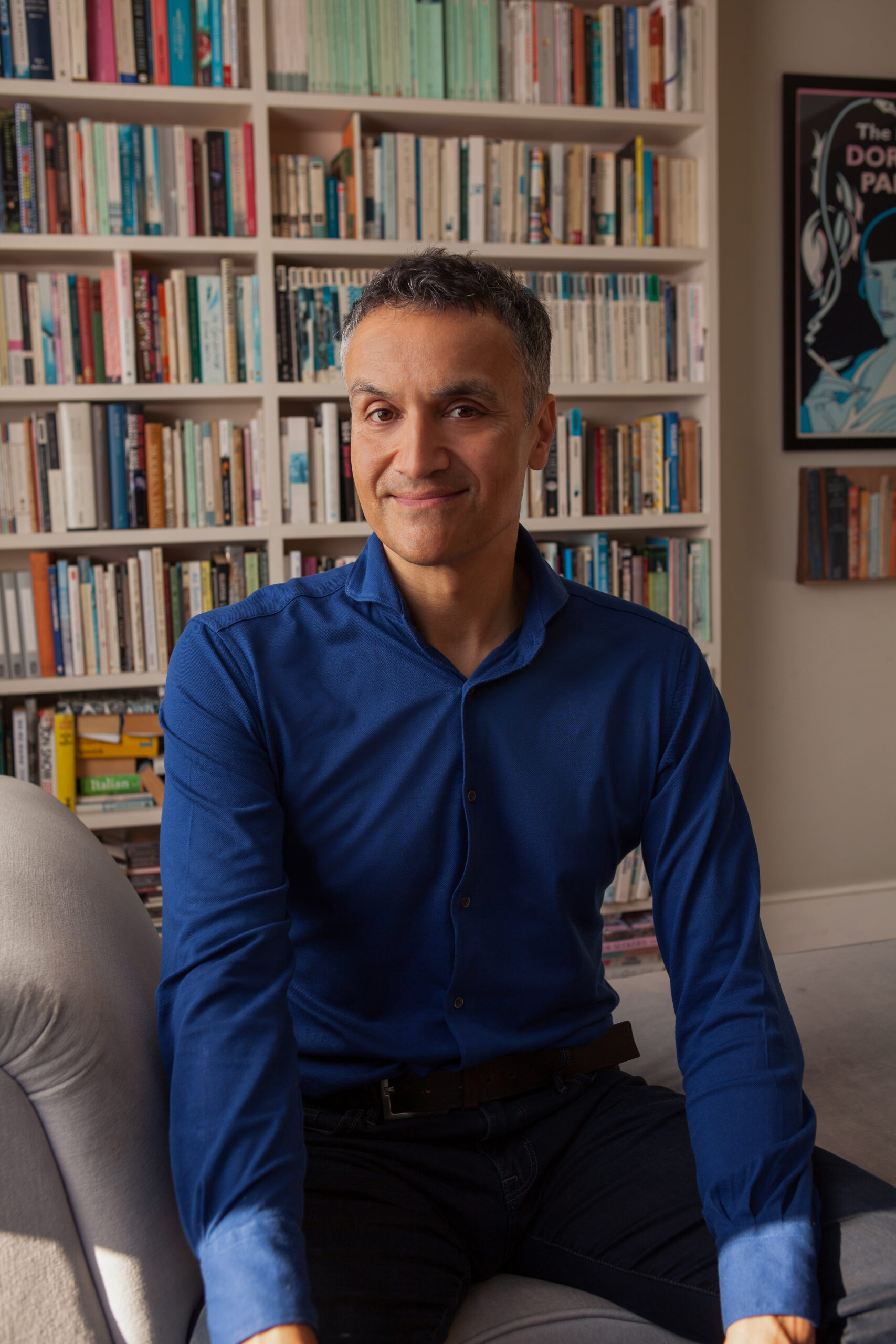
Carl Honoré is an award-winning writer, broadcaster and two-time TED speaker. After working with street children in Brazil, he covered Europe and South America for the Economist, Observer, Miami Herald, Houston Chronicle, National Post (Canada), Time and other publications. Published in 36 languages, his books on the Slow Movement, ageing and ageism have landed on bestseller lists around the world. His latest book, Bolder: How To Age Better And Feel Better About Ageing was a BBC Radio 4 Book of the Week.
Connect with Carl on the following platforms;
Instagram— @carlhonore
Website — www.carlhonore.info
Grab a copy of Carl’s book, Bolder on Amazon AU and here for US peeps.
RESOURCES TO LIFT QUESTIONS: https://www.carlhonore.com/12-rules-for-ageing-and-living-better/; https://www.carlhonore.com/book/bolder/
More about this month’s sponsors:
Thank you to this month’s sponsors for partnering with our show and helping you make your swaps with their special offer:

Ausclimate’s highly recommended range of WINIX Air Purifiers is the ideal solution for cleaner, healthier indoor air. Easy to use, reactive features and settings with a truly comprehensive 4-5 stages of purification, including Hospital Grade True HEPA Filtration and Winix’s unique PlasmaWave® technology. Perfect for smoke, dust, pets, viruses, bacteria, household odours, and allergies (covering a variety of allergens). Breathe easier, sleep better, and feel better. Winix; is the most complete air purifier on the market!

Offer: Ausclimate is now giving all Low Tox Life followers an EXTRA 10% OFF their already discounted prices. Simply enter the discount code of LOWTOXLIFE on check out via: https://www.ausclimate.com.au/
This discount can also be redeemed for over-the-phone orders verbally.
Website: www.ausclimate.com.au
Facebook: www.facebook.com/Ausclimate
Instagram: www.instagram.com/ausclimate

Koala Eco is a purpose-led family business founded by Jessica Bragdon and Paul Davidson. We have created a range of safe, powerful, plant-based products for a clean home, body and mind. Made locally in the USA with high concentrations of Australian essential oils, the range of natural and eco-friendly cleaning and hand & body products are certified non-toxic, vegan and allergy-safe.

Enjoy the 25% off site-wide with your code LOWTOXLIFE and if you have any questions, feel free to ask in the comments. You can also check out their subscriptions to save even more, which you can cancel any time! Available in Australia AND the USA, a beautiful range of low tox home and personal products.
What to say about this lovely, Aussie/American brand of goodness other than we’ve had the liquid laundry wash, doggy wash and now Stain Spray too, on regular reorder for a couple of years now? Koala Eco is a purpose-led family business founded by Jessica and Paul. They’ve created a range of safe, powerful, plant-based products for a clean home, body and mind. Made locally in the USA with high concentrations of Australian essential oils, the range of natural and eco-friendly cleaning and hand & body products are certified non-toxic, vegan and allergy-safe. I love that they provide refills for products, given pumps are notioriously hard to recycle, and no virgin plastics are used in the range.
Fun fact – the laundry wash is 100 washes per bottle (tell my teen that, though, who always uses far too much!!! hehe) so it’s extremely good value. The Eucalyptus rosemary liquid is our family favourite.
Instagram: https://www.instagram.com/koalaeco
Facebook: https://www.facebook.com/koalaeco
***
Title show track, by LIOR.
Love the podcast music? You will hear excerpts from Lior’s track “Caught Up” – go check it out on iTunes or Spotify if you want to hear the whole song or album, Scattered Reflections. Co-written with Cameron Deyell, it’s a great song and I love the reflective energy of it – perfect for the show, right? Enjoy. Lior is always touring, so do check out his website. It is wonderful to hear him sing live, trust me.
Low Tox Club – The place to bring your low tox life to life.
Want to join a community of like minds and enjoy all the perks of being in the Low Tox Life inner circle such as an online membership platform, 50% off all our Low Tox courses, an awesome chat group, my monthly Q&A, and special guest star interviews for just $49AUD ($29USD/28EUR/23pounds) per YEAR? We have created a special place and set of resources to help you achieve your goals and it’s a wonderful place to be – MORE DETAILS AND REGISTRATION HERE.
***
If you would love reading like me or you just simply want to go through the full transcript, you can check below.
[Alexx Stuart] (0:00 – 7:33)…who are younger or often feel pressured to be younger in some way. Today’s show talks about that cult of youth. Hello and welcome to the LOTOX Live podcast.
I’m Alexx Stuart, your host, founder of the LOTOX movement and thrilled to have you join me for today’s podcast. I have been one of the millions and millions and billions and billions of people around the world who has often wished that I looked younger, that I felt younger, and as I have grown older I have actually come to love age. And do you know what one of the most powerful moments was for me actually switching my mindset around age and the privilege and the magic and the potential in getting older was chronic illness.
There’s nothing like hitting an absolute lowest of the lows to help you realize just how precious life is. And I realize, of course, that not everybody has been in that boat or similar types of boats that one might sort of have mean something really awful happen and it forces you to look at things a different way. But everyone can start shifting their thinking on aging and today’s guest, Carl Honoré, has written a brilliant new book on the subject after an existential crisis of his own that we actually start the show talking about and how he always thought I gotta have everything done and this by 30 and it’s all over at 40 and these are things a lot of us think. It’s our culture, it’s society, it’s many different aspects. It’s now, of course, the digital piece but, you know, it’s something we have to talk about in terms of situational examples as well as bigger societal shifts required and that is what we are doing on today’s show. And if you haven’t come across Carl’s work before, you may have been under a rock. It’s okay. He’s a two-time TED speaker. He is an award-winning writer.
His books have been published in 36 languages on the slow movement, on aging and ageism, and they’ve landed on bestseller lists everywhere. So his latest one is called Boulder, How to Age Better and Feel Better About Aging, which I would really encourage after you listen to today’s show for you to check out because I think it goes deep for a lot of us and a lot of us don’t realize just how deep and complex that message of, you know, old means stale, means past it, means pasture, and means retirement. We’re challenging it all today so I can’t wait to jump into that chat.
A special mention to Koala Eco who are joining us to give you 25% off with the code LOTOXLIFE this month. Koala Eco is for Aussies and people listening in the U.S. as well. It’s a gorgeous low-tox cleaning home and personal care brand and I genuinely encourage you to try a couple of things from the range.
They’re really good people. They leave all of the nasties out of their gorgeous products and it actually just feels like a pleasure to clean because everything smells delicious. It’s not an overly strong concentration of essential oils which can sometimes really bother people as well.
It’s subtle and gorgeous and inspired by the Australian bush and we are huge fans of the laundry liquid and the laundry products actually. They’ve expanded that range. The floor cleaner, especially now that we’re back on floorboard territory which we are loving, well, except for the retriever tufts of hair everywhere.
But speaking of the retriever, we also use the dog wash. So enjoy that 25% off with LOTOXLIFE as your code. And of course, also to use LOTOXLIFE to get 10% off, the Oz Climate Range, our major sponsor.
If you haven’t invested in a dehumidifier yet, I’ve never met a team of humans in their house who didn’t need one either situationally for human impact. Dehumidifying such as cooking, slow cooking is a big one. Even boiling a pot of pasta can raise your humidity significantly in your kitchen.
And if you’re doing a lot of cooking, big family, then you can get moldy stuff happening in your kitchen pretty quick. Maybe it’s condensation that you’re noticing on your windows. Maybe it’s just an old house that if it’s raining outside, it’s a bit leaky.
And that 90% humidity comes straight inside as well. And you need help drying things out after the rain. Whatever it is, dehumidifying is brilliant.
And the Oz Climate ones are the best ones I’ve ever tried. And trust me, going through the whole mold saga, I’ve tried every single brand imaginable. So it’s where I landed and we reached out and started working with them a couple of years ago.
And I just love the positive stories that come through people being incredulous about how sucky they are and how much drier everything is inside. You kind of have to see it to believe it. It’s one of those types of appliances.
But of course, their Winix air purifiers and heating range are great too. Now, aging. I cannot wait to hear what you guys think of this show.
Maybe you’ve been that friend who decided their birthdays end at 39 and they’re just going to always say they’re 39 every year. Or maybe you use little phrases like young at heart. Or, you know, it’s easy for you.
You’re a spring chicken. There’s so many throwaway youth-centric culture messages that we use or get. And this chat with Carl is fantastic at making you feel really positive about the whole aging thing and where we’re headed.
Hello, Carl. How are you doing? Hi, I’m very well.
Happy to be with you. I’m very excited about this chat. And hilariously, we were just talking about needing to move documents away from us and start the journey towards eyewear.
And so I actually really want to start in a midlife question, because this is something you have been talking about more and more. And I figure that’s from a personal intrigue perspective that started it off as your slow journey started way back when. And I want to ask you, midlife and Carl, what were your original observations that something was shifting in life?
And how were you feeling about it? And what were you seeing that made you think, hold on, we’ve got midlife a bit wrong?
[Carl Honoré] (7:35 – 10:47)Well, what I’ve discovered now, having written four books, is that all of my books start from a personal existential crisis of some kind. And this most recent book, Boulder, which is all about reimagining aging and midlife and so on, had a similar origin story. Now, if I go back to my younger self, 20-something, 30-something, all the way up into my 40s, I was a full-blown, card-carrying member of the cult of youth, right?
I just abhorred the idea of aging. It’s awful to say it. I just felt like it was, even in my 20s, I remember thinking, I’ve got to get it all done by 30 because it’s game over at 30.
But then I got to 30 and I thought, you know what? I’m actually soaring pretty high. I feel like I’m at the top of my game.
But 40, of course, that’s really it. And then I got to 40 and I thought, things are really going well. And so I had this kind of counter-narrative starting to take shape in the back of my mind that maybe there was another story, a better story to tell about aging.
But I still didn’t want to confront the very natural and very inevitable, and I think very wonderful, business of growing older. I just didn’t want to deal with it. And so I kind of pushed it to one side.
And the thing that forced it out into the open for me was I was at a hockey tournament. I play competitive sports. Hockey is my great love.
And I was at a tournament playing in England, 245-odd players. And I scored this goal that kind of highlight real goal that I will be dining out on for the rest of my life. It propelled my team out of nowhere into the semifinals.
And I just came off the rink and I was just walking on air until one of the organizers of the tournament sighed a lot to me. He said, Carl, great goal. Nice one.
You’re in the semis. Bravo. But guess what?
I’ve been looking at player profiles here and it turns out that you’re the oldest player here. And I knew I was one of the oldest, right? I mean, look at me.
I’m not deluded. But somehow to be the oldest just shook me to the core. I could feel my foundations shaking.
In the blink of an eye, I went from goal scorer to granddad. And suddenly all these questions began crowding in. Things like, do I look out of place here?
Are people laughing me behind my back? Should I take up a more age appropriate pastime like bingo? And it was just weird.
I suddenly thought, how could it be that my chronological age has suddenly taken on this terrible power to define and limit me? And I thought, this can’t be right. I’m playing well.
I’m having fun. And yet somehow I feel bad about the numbers on my birth certificate. And I came away from that tournament thinking there has to be a better, more realistic, more optimistic, just a smarter way to think about aging.
And that was the whole way I got into rethinking what it is to do this very human thing that is to grow older. And spoiler alert, there is a better way to think about aging. And I’m no longer a card carrying member of the cult of youth, far from it.
Now I’m completely at ease with my age, whatever age it is. And well, right now it’s 56. And I’m happy where I am.
And I’m looking forward to what’s coming next instead of dreading it, which is such a 180 degree spin from where I was before. And if I can pull myself out of the cult of youth, anyone can.
[Alexx Stuart] (10:48 – 12:57)I love it. As someone who is a 48-year-old competitive tennis player, who often finds myself playing men half my age, who get very shirty if I win, just by the way. I totally agree with you.
And actually I took tennis back up when I was the mom of a three or four-year-old, I think Seb was at the time, where he was finally old enough to do tiny tots tennis. And I had been waiting for this kid to get old enough to join the tennis squad at the local club, but I hadn’t played tennis for 20 years. And it was in sitting there with my coffee, watching these tiny people play tennis that I realized why did I decide because I’m an adult, but it’s game over for me for tennis.
And I think sports is a really interesting place that you started, Carl, because a lot of us finish our organized sports, like, you know, youth at school, or maybe you continue at uni, but then when it’s not organized for you anymore, in the constraints of an educational institution, and you didn’t get to turn pro or consider becoming an athlete, there’s kind of not really a pathway talked about for you to enjoy that thing you have loved your entire life.
And you can very easily get stuck doing the life bingo of societal checklist, and then realize 20 years has gone by and you haven’t played your favorite sport. And I just find that hectically crazy. So for me, midlife was the start of a new passion with, with sport and slowing down, I have goals to be like a, you know, a certain level at the age of 85.
I’ve got it all mapped out and reverse engineered it. And it actually keeps me feeling very youthful in the positive aspect, I guess, the energetic aspect of like, life giving life that I think we sometimes confuse with youth.
[Carl Honoré] (12:58 – 13:09)Yeah, exactly. See, I would never, I would never use the word youthful to describe that. I would describe that as feeling dynamic and lit up and engaged.
Because you can be that at any age, right?
[Alexx Stuart] (13:09 – 13:10)Exactly. [Carl Honoré] (13:10 – 14:42)
You can feel the blood coursing joyfully through your veins at the age of 89. Right? You don’t have to be a 24 year old with dewy skin, and, and not a gray hair within five years of the horizon.
So I always feel like this is one of the starting points when it comes to reimagining, rethinking and rebooting, aging in the way we feel about it in the modern world is is being very thoughtful about the language we use, because so often the words we use shape how we feel about ourselves, our place in the world, and how we move through our lives. And if we’re using language that by its very nature, reinforces the idea that younger is better and older is worse, that younger has all of these good things that we all aspire to have at any stage of life belong predominantly to the young, we’re already stacking the deck against ourselves. And so I always feel like, you know, it’s also by the same token, I’m, I’m a writer, and I love words, and it’s important not to get on the language police bandwagon, and, you know, harangue people for the words they’re using.
But I do think it is a useful starting point for all of us just to think about, you know, if you mislay your keys, calling it a senior moment, right? Something like you’re just simply playing into the toxic myth that aging is all about decline. You know, I used to I was talking to my mom, who’s now, who was a very vigorous, you know, incredibly switched on a very active 81 year old, just the other day.
And I said, you know, it’s funny, this whole thing about mislaying my keys, and she said, you missed your laid your keys when you were 16.
[Alexx Stuart] (14:42 – 14:47)I was gonna say, we could be talking about my 14 year old son right now. [Carl Honoré] (14:48 – 15:27)
And I probably mislaid the more when I was 16 than I do when I’m 56. And yet, you know, I think the culture is constantly nudging us towards the idea that any slight memory blip is the first stage of early onset dementia, which, you know, it isn’t for most of us, right? It’s just often life, right?
That’s just gets busy, distracted, or it’s the kind of person you are, whatever it is. I mean, obviously, certain things do change cognitively as we get older, I’m not saying that you are always going to have the same brain at 50, 60, you did at 16, of course not. But I think so many of the changes that do occur or don’t occur are overlaid with this cult of youth thinking.
And that’s problematic.
[Alexx Stuart] (15:28 – 16:29)Agreed. And the first thing that comes to mind, and I’ve interviewed like over 400 doctors in my time so far, is the nervous system implication of the stress of trying to chase something you no longer are timeline wise, can actually exacerbate negative cognitive symptoms and physical symptoms because you’re spending so much time stressing out about not being young, or your wrinkles or your sore foot and making a big story about how this is the end of the line and it’s all downhill from here. And that can put you in a fight or flight, which can then literally stop your body from functioning optimally and regenerating.
So I think it’s actually a really interesting psycho neuro feedback loop that we can get ourselves into as well.
[Carl Honoré] (16:29 – 17:49)We can talk and think ourselves into a downward spiral. In fact, when I began digging into the research and parsing the science and all the background before writing this book about aging, the thing that really leapt out at me and struck me most deeply, I think, was this idea. It’s not an idea, right?
The science is pretty clear on this, that ageism, buying into the cult of youth is a self-fulfilling prophecy, which means that if you tell yourself that aging is a chamber of horrors, that every day after a certain age you are less everything, that everything gets worse, then that’s going to become your truth, right? I mean, you’re more likely, and there’s a lot of studies that show this, that if you buy into that grim, poisonous view of aging, that you’re more likely to suffer cognitive and physical decline, to get dementia, or even to die younger, right? Up to seven and a half years younger.
So just think about that for a moment. By using phrases like senior moment, showing my age, the wrong side of 50, you could be leaving up to seven and a half years of life on the table, which is just mind-boggling, right? In other words, what it boils down to is that ageism or buying into the cult of youth is the ultimate act of self-harm.
[Alexx Stuart] (17:51 – 18:13)100%. That is huge. That’s actually a huge statement.
Okay. So I have a question then. Who around the world is doing aging well?
Are there cultures that are doing it well? Are there people that we can look to and go, wow, you’ve really got that whole uplifting your elders thing going on?
[Carl Honoré] (18:14 – 19:24)Yeah. I mean, that was one of the things that I went into the research expecting to find, because I think in Western cultures, we often assume that the East, they’ve got the aging thing cracked. Yeah.
That older people are put on a pedestal and everybody’s looking forward to getting older. I just don’t think that that’s true. I mean, in some ways in Eastern cultures, and that’s a big sweeping group to throw everybody into, right?
But there are more formal nods towards older generations. In Japan and South Korea and China, there are days and festivals and so on to celebrate older people. But actually, if you go and spend time in those cultures, as I did for my research, you find the cult of youth alive and well.
I mean, look at South Korea, for instance. South Korea now has the highest level of plastic surgery, cosmetic surgery in the world. It’s right up there with Brazil.
And I can guarantee you that no one in South Korea is going under the knife, hoping to come out looking older, right? On the contrary, right? They are just as desperate.
I mean, look at the K-pop scene or TikTok. They are just as freaked out about wrinkles and the odd gray hair.
[Alexx Stuart] (19:24 – 20:00)Oh, they are. I remember I used to work in retail in the duty-free sector. And in Australia, that was largely an Asian clientele.
And the stuff that the women would go for would be the whitening creams, the lightening creams, the brightened creams. Can we look more Western, more young, more homogenized and less like us? And I mean, that in itself is quite a sad thing that so many cultures seem to really battle with, trying to be something we’re not.
And age is like one of those parts of that.
[Carl Honoré] (20:00 – 21:18)It is, I think. There’s a kind of, I mean, the big I word, you know, intersectionality, right? Where all these things come together.
I think if you dig really deep down here, one of the drivers of ageism and the cult of youth is the sort of consumer, free market, capitalist, turbocharged world that we live in, right? Which is constantly pushing us to feel dissatisfied with what we are and trying to make us feel less, to make us feel inadequate and holding up these false gods of perfection that we all have to spend money on aspiring to look like more or feel like more or sound like more. And that can be about Westernized people with less Western features trying to look more Western.
But very often it’s about people who are older trying to look younger. And it’s just a constant drumbeat of dissatisfaction with ourselves. And so when we’re talking about taking down the cult of youth, we’re not just talking about getting people to stop using phrases like senior moment, right?
There are some big tectonic shifts that need to go on in the culture to rethink and reset how we do everything, right? How we run education, how we shop, how we dress, all kinds of things need to be unpacked and re-imagined here, I think.
[Alexx Stuart] (21:19 – 22:09)A hundred percent. And without trying to blow this conversation up into even bigger pictures, it makes me think of the entire way our global economy is stacked with, at the heart, GDP theory that gets passed as something that should never have been the only metric for success. And then how perfect that that is just such a powerful way to create growth for us to all hate getting older.
I mean, you could buy so many products. People do. People go under the knife, as you say, to look younger.
There’s so much consumerism around the cult of youth, not just about being able to run a hundred meters a bit faster than you used to kind of thing.
[Carl Honoré] (22:10 – 23:17)Yeah. And it’s just, it’s tragic. I mean, we should be in a moment where we’re popping the champagne corks.
We’ve an extraordinary thing over the last hundred years. We’ve extended lifespans and healthy lifespans in a way that would have been unimaginable to our great-grandparents, right? We’re living better for longer now than ever before.
But at the same time, have we ever felt worse about growing older? I mean, the very idea of aging elicits fear, shame, guilt, disgust, and a lot of denial, right? If you type into Google these days, I lie about my, the number one answer that comes up is not my weight, my income, my height.
It’s not even how much porn I watch. So that’s probably up there too. It’s my age.
I lie about my age. Ageism makes us feel so bad about growing older that we lie about how old we are. We lie everywhere.
We’re lying on dating apps. We lie on our LinkedIn profiles. A friend of mine recently celebrated her 39th birthday, you know, hooray.
But for the fourth time, you know, so this is constant.
[Alexx Stuart] (23:18 – 23:24)We’ve all got friends that do that. They stopped when they were 39 and that’s their age now. [Carl Honoré] (23:24 – 24:56)
And that’s it forever. And, and, and when you, when you’re lying to yourself like that, you’re just buying into the ageist industrial complex. And I come back to that point I made earlier, that is, that’s all about self-harm, right?
You’re far, far better off just, you know, embracing who you are, when you are, and then making the most of your life at whatever stage it is, whether you’re 25, 45, or 105, you know, those are the people I think that we ought to be putting on a pedestal, right? Rather than whole cultures, just to come full circle to your question, I don’t, I feel like some cultures get some things better than others. It’s, I didn’t, at the end of my research, think there is one culture we all need to emulate.
In the modern world, I think, you know, if you go back to traditional cultures, but we’re not going back to traditional cultures. So there’s very, there’s not so much we can import from, from there. I mean, we can learn the lessons of feeling good about your age and finding a role for yourself at every stage of life.
But I think if we’re looking at the modern world, plugged into the global economy, kind of all in the same boat at the moment. So it’s, I think it’s very much more about finding individual people, building your own personal pantheon of people who are aging in ways that lift your spirits, right? I’ll give you one example of from mine.
There’s a guy a few years back, I do a lot of, because I do a lot of sports. And one of the things I do is planking, right? You know, you do a plank, right?
You hold a plank, which is good for your core and all that stuff, right? So I’m pretty decent at planking. I can do it about an eight minute plank, which is, which is not too bad.
[Alexx Stuart] (24:57 – 24:57)That’s very good. [Carl Honoré] (24:58 – 26:18)
There’s a guy called George Hood. Yeah, it is. I’m pretty proud of it.
But that’s not why I’m bringing it up. I’m bringing it up because there’s a gentleman by the name of George Hood, who broke the Guinness Book of World Records for planking three years ago. And he’s in my pantheon.
He broke the world record at the age of 62, right? So he’s 10 years older than me. But guess how long he planked?
He planked for eight hours, 15 minutes and 15 seconds. And you think, I’m feeling good for about doing eight minutes. This guy’s doing eight hours and he’s 10 years older than me.
And I thought, now that’s someone I can have in my pantheon. You know, I’m never going to plank for eight hours, but it’s a reminder that it’s not all downhill, right? Maybe, maybe at 62, I’ll be able to plank eight and a half minutes.
Who knows? Maybe I’ll have, maybe I’ll have slipped back to seven minutes and a half. That’s still pretty good, right?
But just the idea that it’s, that aging can be an upward curve instead of a downward slope. I think that’s such an important thing to hang on to. And there are many people we can all find in our own lives or public life that we can slot into our own personal pantheons and just have them there on constant carousel.
When you’re feeling down about the way you look, the way you’re, it’s going for you at work, the way your relation, whatever it is. And just look at, remind yourself that there are other ways of being in the world that are much more upbeat and much more hopeful. And that they’re for the most part within all of our reach.
[Alexx Stuart] (26:20 – 27:20)Brilliantly said. And I kind of just want to add that it doesn’t necessarily even have to be about physical achievement or exercise or, you know, because I think back to, uh, Edith Eager, Edith Eager and her beautiful book, The Gift that like, you know, the, the Auschwitz story, and then the way she built a life for herself after that and the lessons she learned and a mentor of hers said to her after she said, Oh, I couldn’t possibly go for a master’s.
I’m 49. And she said, what, well, you’re going to be 50 anyway, then you’re going to be 51 anyway. And then like, why not get your masters?
Tell me how that makes sense. And it was such a moment for her as you’re talking about with your existential crisis at the beginning where you go, well, hold on. What does that have to do with anything?
If this is something I want and can do, like go for it.
[Carl Honoré] (27:21 – 28:11)Absolutely. If you want it, you can do it, roll the dice, just swing for the fence, go for it. Right.
And what’s the worst that can happen? It doesn’t work out and you swing for some other fences. Right.
It’s, um, yeah. And, and we, we have talked a lot. Cause I think we’re both sporty athletic kind of people.
So we maybe we’ve just tilted that way, but this is, this applies across the range. I mean, another person in my pantheon is, is David Attenborough, right. Who’s in his well into his nineties now traipsing around the world doing extraordinary work on, you know, in documentaries, I I’m a writer, I make TV and radio.
So he’s somebody I can think, you know, he’s 40 years older than I am and he’s out there smashing it. Right. And he’s, he’s, I mean, so, you know, there are so many different people you can have in your own little pantheon to, uh, to make you smile and make you think, yeah, another day, what am I going to do with this day?
[Alexx Stuart] (28:11 – 28:34)Yes. This precious day. Uh, you know, and look at your screen time averages people, because there’s a lot more you can fit in.
I’m pretty sure. Uh, you know, I just, I am reminding us all, all the time because this thing is so fricking addictive and can literally seep away that time that we don’t even realize we have.
[Carl Honoré] (28:35 – 29:34)Yeah. Um, I mean, no one, no one lies on their deathbed and looks back and thinks, I wish I’d spent more time on social media. That’s just never happened in the history of humankind.
And it never will look at the number of hours that gets sucked up by this black hole we carry around in our pockets called a smartphone. It’s just and I’m not a Luddite, right? I have an iPhone, either great fun tools, amazing toys, but they all have an off button somewhere.
Right. And really it’s on all of us to use that button a little more, maybe in some cases, a lot more, and just carve out time when you’re moving through the world at a human pace with your full attention, you’re fully plugged into what’s going on around you. Cause that’s what, that’s where happiness lies.
That’s where finding your next step, working out what your, the next chapter is going to be for you. It’s not by doom scrolling through Tik TOK or Instagram that you get inspiration. What you find doom scrolling is the next video to look at.
[Alexx Stuart] (29:35 – 30:09)Yeah, that’s it. And someone else is deciding for you based on an algorithm, what you get served. And I think that’s, we all have to remember that, but I mean, I don’t want to make this about social media, but I did want to make that point because I think in midlife as well, there can be this sense of time running out.
And sometimes I, I think, correct me if I’m wrong, you might’ve found some research on this, but that in itself can create a panic that people need to numb themselves from potentially.
[Carl Honoré] (30:10 – 32:06)I think, I think it’s a double-edged sword because on one hand, I think the downside is yes. I think people can think, goodness me, there’s a deadline right there. It’s fast approaching panic stations.
What do I do? I’m going to have to try and cram all this in because the clock is ticking and the Grim Reaper is around the corner and he’s about to ring my front doorbell. That’s the downside, the upside.
And there’s a lot of research that shows us is that if you embrace the idea that there is an endpoint, you can flip that round. You can turn the narrative round and say, this actually is a spur to, for me to make the most of the time I have left, right? To do some triage in my life and to cut out the pointless clutter and the fluff that we fill up so much of our time with, push all that side to one side and focus on zero in on the stuff that really matters and make those remaining years, whether it’s five years, 20 or 40 years, make those years luminous by giving them the time and attention they deserve.
You can go down either path, I think, with the idea of death being there waiting for all of us. I’m a natural optimist, so I’m inclined to go for the upbeat option, but I can understand that people can feel the panic one. But I think if you do slow down, just tapping into my work on the power of slowness in a fast world, if you slow down and unplug and just take time to let your mind wander, go for long walks, I think you can change and move the dial there.
So if you’re feeling the panic of time running out, you can shift the prism, shift the lens so that you start seeing it as a blessing in a way, right? I feel at the moment, if you look at these tech bros in Silicon Valley who are spending millions of dollars trying to live forever and so on, I’m not sure that living forever, I mean, we’re now into sci-fi territory. I know.
[Alexx Stuart] (32:06 – 32:10)Well, I’ve seen the kinds of smoothies that guy’s drinking and they don’t have fun. [Carl Honoré] (32:11 – 32:13)
No, exactly. And I’m a big smoothie fan. [Alexx Stuart] (32:14 – 32:26)
I would not want to live forever if those are the smoothies I have to drink in order to get there. I know exactly who you’re talking about. I’m like, really?
This is what we have to do? No, thank you. I’m not buying it.
[Carl Honoré] (32:26 – 33:42)Take me away in my ninth decade and I’ll stick with the nice smoothies in the meantime. But I think the idea that somehow we would remove death and be immortal, I think we would find that existentially problematic as human beings. I think there is something about an end point.
It bookends a life. It gives it shape. It gives it form.
I think it gives it purpose. Can you sort of feel like, I mean, we’re going maybe down a rabbit hole here, but I just feel like the idea that you would be around forever, that doesn’t lift my spirits actually. I feel that could be a kind of nightmare.
It’s like every story has an ending. You wouldn’t want even your favorite Netflix series to go on forever. In fact, that’s almost the worst thing that happens to the best Netflix series.
They do go on forever and then you fall out of love with them. I feel that life could be the same. I think that having that end point is a useful thing, which is why most religions have some form of invitation to meditate on death and the end, because the whole point is that by thinking about the end, you make more of the now.
You make more of what’s left by embracing the idea that there is an end point somewhere out there.
[Alexx Stuart] (33:44 – 34:17)Yeah, for sure. And so if we talk about a halfway point between the start and the end point and how the word and how the being of crisis came to be in midlife, like why the midlife crisis? Why do people seem to use this, seem to go through something quite radical either mentally, physically in midlife?
What did you find looking at the word? Is the word crisis even accurate?
[Carl Honoré] (34:18 – 34:21)I don’t think that it is. I think it’s loaded. [Alexx Stuart] (34:21 – 34:22)
Like a Hollywood label. [Carl Honoré] (34:23 – 38:10)
It is. And I think it’s freighted with all kinds of assumptions about what aging is. It’s telling us that we’re leaving that first chapter of youth behind and that that’s a sad thing, that that’s a tragedy.
So of course we’re going to be in a crisis. But if you turn around and think, well, life is this long, rich, beautiful curving arc. And at different points, we move to a different chapter.
And that’s not something to mourn or to feel bummed out about. One of the ways I think about aging now is as a video game. Now I’m not a gamer at all, but I find the metaphor really helpful.
So I’m 56 now, years old, which means I’m at level 56. And I’m really enjoying level 56. I’m going to make the most of it.
I’m going to find all the treasure I can on level 56. I’m going to, I don’t know, seduce all the maidens and princes, whatever it is you do in games. And occasionally I will look back and think, oh, I had a lot of fun in level 29, but I don’t want to go back to level 29.
I’m proud of being at 56 and I’m kind of wondering what adventures are waiting for in level 57. It’s that kind of way of thinking about it. So I think of midlife as not being a crisis, but a point of awakening, right?
You have all of that experience and that reservoir of understanding of what the world is and how it slots together. And very often I think what that adds up to is people get to their, into their, say their forties and they look back and think, you know what? What I had before was, was not right for me.
I was on autopilot. I was living someone else’s script. This is my time.
This is my time to wake up and smell the coffee, not smell one of those awful smoothies, but smell the coffee that gets me, that fires me up. I can forge my own path. I can write my own script now.
So I think it’s, again, it’s about reframing. It’s saying, okay, there, there is something that does seem to happen. And there are different words for this.
People talk about, and I’m slightly straying from midlife, but it kind of fits into the same conversation, generativity or gerotranscendence that across all cultures, all socioeconomic groups, you find that people as they get into past sort of midlife and that they begin to feel less inclined to play status games and worry about status symbols and want to climb the corporate ladder or climb the ladder and show they want to give back that people really want to be of service more, which is why they do things like mentorship programs. So they want to, you know, you see in, when in multi-generational teams, older staff are particularly good at bringing out the best in younger staff, right? It’s a real superpower that we develop in that second half of our lives.
And you slot all of that together. And I think what it tells us is that as you get into midlife, you’re really starting to rev up, right? You’ve got, you’ve done your homework, right?
Carl Jung, the famous psychotherapist said, life actually begins at 40 because until then you’re just doing research. And I think that kind of gets it the way I see midlife as this watch pad, right? This is when you’ve done, you’ve done your due diligence, you’ve done your homework, you’ve done the research, you’re pumped, you’re primed, you’re locked, you’re loaded, you’re ready to fire on all cylinders, right?
You’re ready to make the most of your life. And that’s why I think people find themselves waking up one day and you know, and they’re at the age of 43 and thinking, I’m just, this is, no, I’m not going to carry on. I can’t carry on like this.
It’s not working for me. I need to change. And I think where the feeling of crisis comes out is that you can feel locked in by the decisions you’ve made in the past, maybe economics, financial fat.
So it’s sometimes be messy and awkward and painful to kind of make those changes. But I don’t think of that as a crisis. I think of that as a rebirth and a rebooting and that’s a good thing.
[Alexx Stuart] (38:11 – 38:15)Yeah. It needed a new marketing kind of spin, didn’t it? Yeah.
Bye-bye.
[Carl Honoré] (38:15 – 38:17)Like so many things. Yeah. [Alexx Stuart] (38:18 – 38:52)
Yeah. It’s all about the prune and the hone. And can I ask on a personal level, did you, through your forties and early fifties, what are a couple of things that you saw?
Hopefully if they’re people, they’re not listening to the show, but a couple of things that you saw that you thought, Oh my gosh, why am I even doing that? Why am I even catching up with this person when it’s, you know, not an fulfilling or mutual relationship? You know, did you have some really obvious pruning moments yourself?
Yeah.
[Carl Honoré] (38:52 – 41:27)I think pruning is a really important part here because what you’re doing is you’re, and it comes back to the slowing down thing. It’s about getting rid of all that clutter and the stuff, the box ticking and really homing in on what matters. And I think that that streamlining is such an important part of living a life worthy of the name.
And it’s something we get really good at doing in our forties, I think particularly. And I noticed it myself that I’m very social. I got lots of friends, got a wide network and work, but there were just people who are, that I was, that just weren’t just in another time of my life had been nourishing and a good thing to have around, but had just ceased to be that.
And, and I, I just had to make some decisions that were at first felt almost like a betrayal. I felt quite bad about thinking of spending less time with certain people, but, but then I just thought, well, it’s probably the same for them. And, and, and with one of them, I did actually have a conversation and we just sort of decided that we had kind of just grown apart, right?
We just got much different. It was a tenderness there and a, and a love for what we had, you know, 20, 25 years ago, but just where we were now, it just didn’t make sense to feel bad about not spending more time together and stuff. So we just kind of agreed to just dial it down and we’re still in touch and stuff, but we just don’t, I just don’t feel that pit feeling in my stomach of, oh no, I haven’t been in touch or I haven’t done this.
It’s okay. It’s okay. Right.
And, and that just at first was terrifying, but then was very liberating. And, and I felt that was a really useful life lesson and maybe something that I could have applied in my thirties, but, but I guess I didn’t have the, the courage or the clarity to do it, to be able to do it. I got that in my mid forties, I think, which is again, something else that we, we gain is that self-knowledge and the, the bravery and the, we’re just more at ease with ourselves and more comfortable in our own skin.
And that makes it easier to make those pruning decisions, which can be difficult at first, but they’re essential. They’re essential. And if you look at, you look at something, the research again, show bears this out.
I think that people in later life, people tend to have fewer relationships, but the relationships they have are deeper, richer, more textured, and they bring them more happiness and fulfillment. So, you know, in a world where we have 4,000 friends, you know, in inverted comma on Facebook or whatever, what does that even mean? Really a few genuine, deep, real friends is far more useful and helpful.
[Alexx Stuart] (41:27 – 42:47)Yeah. Far more. Absolutely.
I think, you know, one of the things that’s really special about being a midlife woman is your estrogen starts to decline and you know, yes, you may decide on HRT and there’s a whole bunch of reasons one would explore that. But actually, if you think about what estrogen gives the younger woman, which is the, oh, I can love and care for everybody. And I have all this love and estrogen to help us all.
And it’s kind of freeing for that level to drop a little bit and to say, sorry, I don’t have enough estrogen for that situation. It’s actually a beautiful triage that starts to happen naturally because you just don’t have the, the givershits, the same level that you, you did. So you actually have to be more discerning for the energy you now have and the brain space you now have to give your fullest to different situations.
And, and so it’s really interesting hearing a male perspective as well on that midlife pruning that sounds like it was almost more intentional based on reflection rather than like a biological need to do less.
[Carl Honoré] (42:48 – 44:10)Yeah. I guess for, for, for male, the estrogen thing is it doesn’t come into the equation, I suppose, but I guess we, we probably, I mean, you’re, you know, testosterone, I’ve not done a testosterone test, but I’m sure mine is lower than it was when I was 25. Right.
So that, that’s going to shape a little bit differently, how I feel about my relationships and career, I suppose. And I, I, I’m, I’m still competitive in sports. I, I, I like to win, but I’m definitely not as competitive.
I, I, I definitely feel like, and I play team sports mostly. What really brings me joy is just the playing itself now and helping and seeing other people play well. And, and I used to be a real goal scorer.
Now I, I take much more pleasure in setting other people up. Like I’m a real assist machine now. And I just noticed, I was just the other day that, that, that could be a sort of sign of that, that there’s something a bit more ego driven about scoring a goal.
I still score goals and it’s still a lot of fun, but I definitely get more pleasure from setting someone else up. And, and, and that, that fits in with what I was talking about earlier, that generativity, that desire, that impulse to give back and to lift up other people, other generations and so on, especially younger generations. I think that, so yeah, so maybe there’s a kind of hormonal component here for, for men as well in a different sort of way.
[Alexx Stuart] (44:11 – 45:40)I love that. Now we we’ve talked largely about some of the positive opportunities of reframing aging. There exists a reality, especially in workplaces, talking to friends who are talking about their place in either, you know, let’s call it a small business, medium business, or a corporation could be any of those things.
And I have a few friends who talk about how they have to be at a certain point by mid to late forties. Otherwise they’re going to miss the boat on the C-suite opportunities. And, you know, so they’re thinking in these really calculated ways, like time is really running out.
How much do we know that that is based on a cultural thought around, oh, if you’re old, you’re over the hill and therefore slightly less relevant and less valuable versus an opportunity to actually reshape the way we think of business and think of people aging in a business. Because yeah, you might not have the technical relevance of a digital native, let’s say, but to your point of then being a set up, like someone who sets people up more, like that’s exceptionally valuable in an organization. And, and yet I don’t see that being valued yet in workplaces on a, on a big scale or culture.
[Carl Honoré] (45:41 – 45:43)I think the key word in what you said there was yet, right? [Alexx Stuart] (45:44 – 45:46)
Always yet, always yet. [Carl Honoré] (45:46 – 45:47)
I’m going to play the optimistic part here. [Alexx Stuart] (45:47 – 45:49)
I am an optimist too. [Carl Honoré] (45:50 – 49:36)
Because I am optimistic. I think that we’ve inherited a whole mindset in the workplace, which is the one you’ve just described there, that at certain ages, you’ve got to hit these targets. If you haven’t, then you’re toast, you’re heading for the scrap heap and you get to pass a certain age, you’re over the hill, we put you out to pasture.
And, and, and, you know, that, if that ever made sense, maybe it did in the industrial revolution when most people or many people were working in factories and it was manual labor. That doesn’t make any sense today, right? When people can carry on being creative right up to the very end of their lives, they can, their social skills and social acumen improve right up to the end.
People are particularly good at working in teams and later life. We can go on learning new stuff right to, you know, and at the same time, the demographics have shifted around us. The planet is aging.
We don’t have as many babies being born. We need people to stay working and relevant to the workplace later than ever before. So all of these things come together to create a perfect storm, which means that we have to change.
Finally, now we have to change this mindset. We need to think, okay, people can and will be relevant at every stage of life. Multigenerational teams, and the studies are pretty solid on this too, perform better on every metric, you know, from productivity, creativity, collaboration, innovation, all this stuff, because there’s a music and magic that happen when you bring people of different ages together.
There are different perspectives, the different ways that they operate and think and so on can meld together into something pretty wonderful. So we have before us this incredible gift waiting to tap into, right? This older, you know, workplaces that could span five generations, which will be incredibly potent, but we’re held back by the cult of youth.
We’re held back by these old tropes and myths and ways of thinking. So I think we’re in the foothills now of a revolution in the workplace, where we are moving to something that will be much more like what you and I are hoping will be there, and the friends you’ve described deserve, which is a world where we are cherished, valued, and allowed to flourish, not based on the numbers on our birth certificate, but based on what we bring to the party here and now. That’s what matters.
And I think that we’re seeing more and more of that now, more and more companies realizing that the labor pool has shifted, the world is changing, and that they have to have a longevity policy. They have to be open to the idea of people at all ages being at the table and working together. And so you’re seeing many more companies doing things like opening up apprenticeship programs to the over 50s or having reverse mentorship programs to weld together generations within the workplace, changing the way they do recruitment to make it less ageist, tweaking the algorithms so that people can get interviews at any age rather than 35 and under.
So there are many levers to pull, and more and more companies are pulling them. But goodness me, we’ve got a long way to go. I think I saw just one final data point here.
I think I saw recently that they looked at a whole range of firms across sectors in the global economy at diversity and equity programs and so on. And I think only 8%, I think was the figure, I saw 8% had age in there. They all had gender, sexual orientation, race, ethnicity, and all that stuff.
But age was really the forgotten black sheep of that particular family. So coming back to what we said earlier, yet, right? There’s a long, long way to go here.
But I do think the conversation is out in the open now. I would say even in the last nine months, I see so many more initiatives, schemes, programs, conferences, stuff going on around this subject. So I am way more optimistic than I was even a year ago.
We will turn this around.
[Alexx Stuart] (49:36 – 50:33)Yeah, it’s exciting, isn’t it? Because it makes me think of like when you’re going to buy a car and you finally find this model that you think, oh, that’s interesting. And then you start to see it everywhere.
And I am very comforted by the fact that you, Carl, decided to start looking into this whole midlife and beyond thing. And then you start seeing positive signs of change everywhere. And I think that’s, we can hold on to that as a hope.
But it also made me think metaphorically about biodiversity in nature, because every landscape that has the most diverse mix of plants, shrubs, animals, insects, they all work to hold each other up to be healthy. You look at a biodynamic farm and it’s one of the most perfect designs. And that makes me think, well, biodiversity is actually better everywhere.
[Carl Honoré] (50:35 – 50:35)Yeah. [Alexx Stuart] (50:35 – 50:44)
It’s staring us in the face, right? Diversity is king. Nature is not wrong.
So we actually just need to live more like it all the time, everywhere.
[Carl Honoré] (50:45 – 50:59)In everywhere, right? That’s not just about the conversation on aging, right? I mean, nature gets stuff right, you know?
And when we go against nature, it usually ends in tears. And I think we see that in so many different ways. And we see- Somebody’s going to end up getting hurt.
[Alexx Stuart] (51:00 – 51:00)Yeah. [Carl Honoré] (51:00 – 51:57)
Yeah. And it’s usually humans. So yeah, I mean, and it’s there for all of us, right?
The beauty of tackling ageism and another reason to feel optimistic is if you compare it to the war against other forms of discrimination, like racism or sexism or homophobia, whatever it is, in all those battles, you can imagine some people feeling that they’re going to lose, right? But actually, we all have skin in the game when it comes to taking down ageism, because whatever age you are, you’re aging, right? And if you’re lucky, you will also be older one day.
So we are all in this together, right? We will all benefit by smashing ageism into a million little pieces and creating a world where people are judged not by the year they were born, but by the content of their character. And that’s really within reach, I think, for all of us now.
And we will all benefit from it. So there’s another reason to feel a little bit more hopeful today.
[Alexx Stuart] (51:58 – 53:09)Yeah, definitely. And I certainly don’t want to bring the vibe down. I say I’m going to bring something up, which is up more in your part of the world.
If I look at America, for example, and, you know, Australia is not so far behind where we have this erosion of the middle class and we are needing to work like really hard to break even and well beyond what one would say in the natural, beautiful shape of life would make sense to do. And you want to give back and it’s almost like your whole body is wired for the giving back. But you can see people then still needing to push on an uphill.
Do you have any insight there into like, basically, I guess what I’m saying is maybe it makes sense to create this beautiful shape into old age, but is the cult of youth overlaid by economic harshness, kind of keeping people almost trying to be young enough to keep pushing?
[Carl Honoré] (53:10 – 53:43)I think that a big problem here is whatever you want to call it, neoliberalism, turbo capitalism, you know, the consumerism, all of this stuff is noxious, right? I mean, it is doing harm not just to the planet, but to each and every one of us. It’s locking us into a soulless dash to a finish line that none of us are ever going to reach, right?
And I feel like it’s had a pretty good run, but the system feels now like it’s running on fumes. And you can see that now with…
[Alexx Stuart] (53:43 – 53:46)And people feel like they’re running on fumes. [Carl Honoré] (53:46 – 53:46)
Totally. [Alexx Stuart] (53:46 – 53:47)
Yeah, we’re all running on fumes. [Carl Honoré] (53:47 – 55:42)
And people are now angry, which is why you’re seeing political uprisings and populist explosions all over the planet, right? The system is cracking. It’s unsustainable.
So I think that there’s another whole other conversation to be had here about where do we go next? How do we forge a socioeconomic model that A, protects the planet, but B, also allows everyone to thrive in a way that’s sustainable, that’s joyful, that’s good, right? That’s a big conversation.
I don’t have all the answers. I don’t think anybody does. But I feel like there’s a big groundswell now, especially in the younger generation who are coming up.
They’re going into human resource departments and saying, you know what? I’m not going to work till four in the morning, right? I want to go home and give my newborn baby a bath at six o’clock.
And if you won’t let me, I’ll go work for a company that does, or I’ll set up my own company, right? And we’re at the beginnings of that. And there are a lot of pressures.
It’s not always easy for people to take that step, but it’s now permissible in a way that it never was for my generation, your generation. It just wasn’t even conceivable. There was one track, you got on it, and you either were on it or you were off it, right?
Now there are many, many other tracks. There are many other tracks. And many of those tracks do defy and question this neoliberal model.
So I feel like we’re pushing at that door. The door is ajar. We just need to get more shoulders up against it and push it all the way through.
And then we’ll come up with something a whole lot better. And when we do, that will make all the other stuff we’re talking about here, re-imagining aging, changing the pace of life, creating a world where everybody feels valued, that will come naturally or more easily when we have a world of economic sensibleness, because it’s just not sensible anymore. It’s just devouring itself, the economic system now.
[Alexx Stuart] (55:42 – 55:47)And we all know it. Yeah, exactly. There’s a great cleanse that’s about to happen, I think. [Carl Honoré] (55:47 – 56:04)
Yeah, something seismic is about to happen. It probably will be, it could be bad in the short term. It could be scary, but out of the dark, what is it?
It’s always darkest before the dawn, that kind of thing. Back to the optimism. I think that we will get through this and come out the other side.
[Alexx Stuart] (56:05 – 57:12)I am 100% with you on that, Carl. My last question is on the word retirement, because I think that is fascinating. And seeing the different ways retirement plays out for different people, and how that then reflects on their vitality and sense of promise in the day, the month, the year ahead, is fascinating to me.
You get the sit in a chair, watch the TV, I’m retired, I’m doing nothing. And then you get what my son called his grandpa, my dad, the other day. You get the ripped grandpa who’s in the garden with his crazy projects, digging tons and tons of dirt up and changing things up and doing all sorts of things, super fit.
And for me, it’s such an interesting word that can kind of, maybe it’s because it’s loaded as meaning the end for some people. But it’s actually another beginning.
[Carl Honoré] (57:13 – 57:59)Yeah. I think it’s a tricky word. And I might retire the word retirement if I could.
I feel like it had a moment, a very short moment in human history of about a century when it kind of made sense. And we were living shorter lives. You would retire at whatever, 60 or something, and you were probably dead by 70 maybe.
But now people are living into their 90s, and most of us can expect comfortably to live into our 80s. So the idea that you would have a hard stop in your 50s. I mean, people were retiring in their 50s before, and then have 30 years of, this doesn’t feel like it makes sense anymore.
I think we need something much more fluid and open. Some people talk about rewirement, rather than retirement. You’re kind of rewiring.
[Alexx Stuart] (57:59 – 57:59)Ooh, I like that. [Carl Honoré] (57:59 – 59:24)
So you get to a certain stage, and you think, okay, I’m in my 50s, and I’m going to change things up a bit. I’m in my 60s. I maybe want to change things in a different way.
70 is a different way. Rather than feeling that there’s this one epic hard stop moment where everything has to change 180 degrees. I think for most people, that’s not a good option.
I think we need, at the very least, to be having a soft landing, where if you’re going to stop completely at 65, maybe you’re doing three days a week before. You’re not going from five days to zero. But ultimately, I think what people ought and should have the right to aspire to do is stuff that just lights us up at every stage.
That could be whatever mix works for you of paid work, volunteer work, gardening, leisure, whatever it is, caring, finding the right mix that suits you at 42, 82, 102, whatever it is, and just feeling that whatever suits you is tailored to you at that moment. That is what’s right. There isn’t one paradigm, one great jacket that we all have to squeeze into and abide by.
I think we need to just shake it all up and let people do what works for them. Because not everyone will be able to do what your dad is doing for physical reasons, for whatever reasons. I guess we want to avoid creating some new gold standard for later life that makes the rest of us feel inadequate.
[Alexx Stuart] (59:26 – 59:47)Protocolized and homogenized to within an inch of what success looks like. No, thank you. It feels like at least for that next stage, so far, we don’t have crazy amounts of protocols on how that has to look for you to be achieving in that stage.
Let’s hope it stays that way.
[Carl Honoré] (59:48 – 1:00:07)It feels free, loosey-goosey at the people who just arrive at whatever age is thinking, yeah, this is what I want my next three years to look like. Doesn’t matter what anyone else is doing. Really don’t care what anyone else thinks.
This is the door I’m opening and I’m just going to stride on through with a big smile on my face.
[Alexx Stuart] (1:00:07 – 1:00:31)Oh, I love that as a finish. The magic of getting older, right? Carl, thank you so much for joining me.
Such a bright conversation. I feel uplifted. I feel excited.
I feel a real sense of promise that this conversation is being started by so many people. I want to thank you for playing a huge role in doing that.
[Carl Honoré] (1:00:32 – 1:00:42)Well, thank you as well. You’re doing the same and it’s been a pleasure chatting with you. I’m feeling even more optimistic about my later years than I was at the beginning of the conversation, which is always a good sign. [Alexx Stuart] (1:00:43 – 1:00:46)
Ah, a mission accomplished then. You have a beautiful day. [Carl Honoré] (1:00:47 – 1:00:48)
There it is. The same to you. Thanks, Alexx. [Alexx Stuart] (1:00:48 – 1:03:44)
I hope you loved today’s show as much as I loved bringing it to you. I want to remind you that if you are someone who craves a low-tox community that is judgment-free, full of empowerment, has health professionals and building health professionals that can support you, as well as me in there answering questions multiple times a week, I want to invite you to join the Low Tox Club. For the price of less than a cup of coffee a month, you have an annual membership for $49 Australian.
So it’s about $30 US or Euro that allows you to have a member masterclass every single month with a health professional or global expert from the podcast where we have them to ourselves for an hour to ask questions and deep dive further. You have the beautiful supportive chat group. You have Q and A’s with me, me answering questions.
We read books and talk about them and a whole bunch more. You can head to lowtoxlife.com hit the explore tab and join the club is the very first option on that list. Of course, we have over 10 evergreen courses that you can jump into anytime, whether it’s navigating everyday low-tox swaps with our Go Low Tox signature course, whether you have kids and you’re wanting to know how to best support them with our Low Tox Kids course, whether you’re planning a family and looking at a healthy low-tox preconception journey, reducing inflammation, especially the chronic kind with our Inflammation Ninja course, many, many other courses. You can again head to lowtoxlife.com hit the courses tab and you’ll see all of the options, which includes a business course, my Low Tox Method program. A lot of people don’t know, but I was doing a lot before starting Low Tox Life in 2009 and I was a business consultant across hospitality, health, retail and cosmetics. I have been in business consulting for a very long time. So I absolutely adore helping people move into the low-tox space or develop their low-tox businesses.
So that’s a way I can support you. And then of course, there’s our wonderful social media communities at Low Tox Life on Instagram. And of course the website with over 250 gluten-free recipes, blogs, downloadable PDFs to help you navigate wanting to get rid of synthetic fragrances in your school or office.
I could go on. So head to lowtoxlife.com, see what takes your interest or fancy. And thank you so much for being a part of our podcast community.
I love, love, love reading your reviews. I appreciate every follow and subscribe. And I want to just remind you to finish off that if there’s anything you heard that you found interesting from medical or scientific perspective, it is intended as education only.
Please always chat to a health professional who knows you and your situation best. I’ll see you next week. Bye.
