






About this show:
What a rite of passage should be: A powerful graduation into a new phase of life – something one grows into and is supported into during the transition.
What they often are instead because we lack proper rites of passage?
- A piss up for your 18th or 21st with gloating about who got the drunkest
- A sexual encounter you might not feel ready for but ‘all your friends have’ and you’re X age now, so you feel you have to or should want to.
- Depression or anxiety because of a lack of support into a new chapter (adulthood, parenthood, elder life).
As a couple of examples… This week, we talk about how long-standing community GP Dr Arne Rubinstein started noticing his patients were suffering all sorts of unhealthy situations in their lives. Many of them stemmed from a lack of solid grounding and really getting to ‘grow up’ properly or enter new phases in life. They lacked recognition, transition, and community support.
Arne founded the Rites of Passage Institute as a result and for 3 decades has now been taking groups around the world through programs to reintroduce this vital acknowledgement of growth and ceremony and honouring into our lives and the world is better for his work.
I hope you love this conversation as much as I did hosting it. You won’t leave without a thought or two very much provoked, that much I can promise you.
Connect with Arne and his team’s work at the Rites of Passage Institute to learn more.
Download the resources here – Golden Check In and 7 Parenting Strategies.
Alexx Stuart
Founder of Low Tox Life and the Low Tox movement
Join me on Insta @lowtoxlife
Questions we explore in the show:
- Most people don’t understand that rites of passage are a very old tradition, and bringing that into the mainstream benefits individuals and society as a whole.
- Working as a General Practitioner, I saw that often while dealing with older people, they were coming to me because of the result of their addictions. These weren’t just drugs and alcohol – but food, work, sex and relationships. Their reasons for those addictions often stemmed from what happened to them as teenagers, and the self-esteem issues that manifested as a result.
- For our first camp, we took 27 men and boys out into the bush for three days and nights, up in the Channon. It was here that something truly extraordinary happened. The men sat in circles and shared stories of their lives with the boys, and the boys asked questions about anything they wanted. There was vulnerability and honesty, and the experience was life changing for all of us.
- On a societal level, I think we have a long way to go. We live in a world that’s run by boys. If you look at some of the leaders and potential leaders of the of the world, you realise that they’re children who are just thinking about themselves
- I believe that the answer to the tsunami of technology and AI invading every area of all of our lives is to have genuine human experiences.
- A sense of belonging is crucial for people to thrive.
- My personal belief is that a lot of the toxic masculinity we see is just boy behaviour. It’s young and adult men who are still acting like boys, thinking that they’re the centre of the universe, treating women like they’re objects, won’t admit when they’re wrong, or want to be mothered. They haven’t gone through a rite of passage from boyhood into manhood.
- There’s an equal issue with girls around toxic perfectionism. There’s a pressure to look, be, and act perfect and it’s creating huge problems for girls and young women.
- The relationship between children and grandparents/elders is crucial. We need to connect kids with elders for guidance. Elders hold a wealth of knowledge and experience that can shape a child’s understanding of love, respect, and intimacy.
***
Thank you to this month’s show sponsors for helping you make your low tox swaps easier:
@ausclimate gives you 10% off their range for the whole of 2024, with brilliant Winix Air Purifiers, the best Dehumidifiers I’ve ever used and their new energy-efficient heating range. code LOWTOXLIFE https://bit.ly/ShopAusclimate
@waterscofilters From August 1 to September 15 you have 12% off all new @waterscofilters water filters, including their under-sink and shower filters. Use code LOWTOXLIFE at the check out. Filter out all the nasties, add back in 60+ trace minerals + upgrade your water. Enjoy! https://bit.ly/3WJvOgd
@ediblebeautyau s a naturopath-crafted personal care & makeup brand with plenty to rave about. They’re giving us a $79 product for FREE which happens to be my fave in their range (ok, it was my idea! Hehe) Add it to your cart, then all you have to do is spend $75 on whatever else you fancy trying or stocking up on from their range; use code LOWTOXLIFE at check out and hey presto: The price of the serum will magically become $ZERO https://bit.ly/3yxNC4u
Be sure to join me on Instagram @lowtoxlife and tag me with your shares and AHAs of this week’s episode.
***
About Dr Arne Rubinstein:
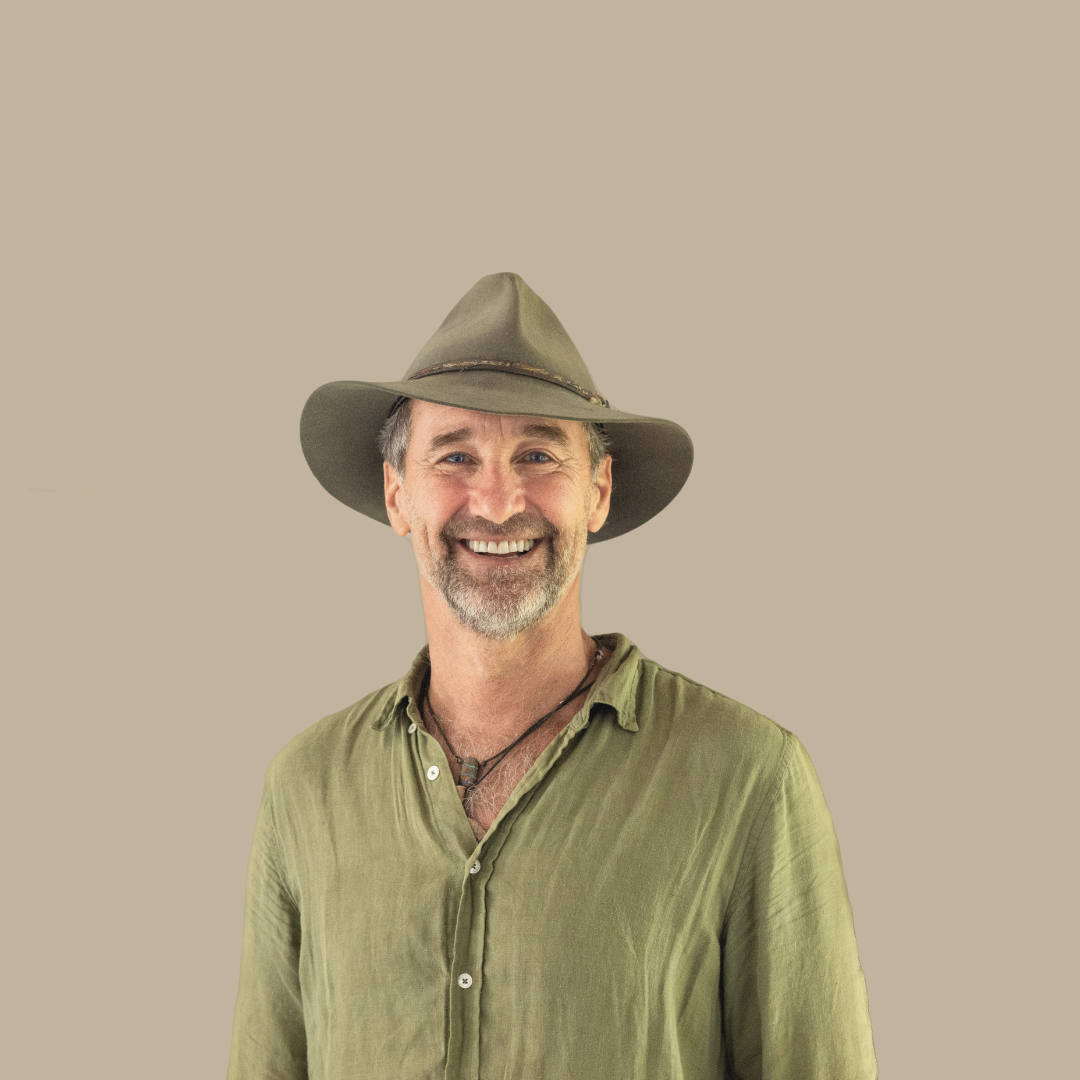
Dr. Arne Rubinstein, CEO and Co-Founder of the Rites of Passage Institute, is a renowned figure in transformative mindset work. With over three decades of experience, he has touched the lives of over 350,000 individuals across 25 countries through his impactful programs and workshops.
As an author, keynote speaker, and advocate, Dr. Arne is dedicated to reintroducing healthy Rites of Passage into modern society. With a background in emergency medicine, counselling, and mentoring, his focus is on empowering teenagers to navigate adulthood confidently. His programs have gained recognition from major corporations and educational institutions worldwide.
Driven by a vision to make healthy Rites of Passage mainstream, Dr. Arne collaborates with diverse cultures and organisations, including schools and Indigenous groups. In 2024, his contributions were honoured with the Order of Australia (OAM) for his dedication to youth well-being.
His book, The Making of Men is now available on Amazon AU and Amazon US.
Connect with Arne on the following platforms;
Instagram— @ropinstitute and @arnerubinstein
Website— http://ritesofpassageinstitute.org/
More about this month’s sponsors:
Thank you to this month’s sponsors for partnering with our show and helping you make your swaps with their special offer:

Ausclimate’s highly recommended range of WINIX Air Purifiers is the ideal solution for cleaner, healthier indoor air. Easy to use, reactive features and settings with a truly comprehensive 4-5 stages of purification, including Hospital Grade True HEPA Filtration and Winix’s unique PlasmaWave® technology. Perfect for smoke, dust, pets, viruses, bacteria, household odours, and allergies (covering a variety of allergens). Breathe easier, sleep better, and feel better. Winix; is the most complete air purifier on the market!

Offer: Ausclimate is now giving all Low Tox Life followers an EXTRA 10% OFF their already discounted prices. Simply enter the discount code of LOWTOXLIFE on check out via: https://www.ausclimate.com.au/
This discount can also be redeemed for over-the-phone orders verbally.
Website: www.ausclimate.com.au
Facebook: www.facebook.com/Ausclimate
Instagram: www.instagram.com/ausclimate


Edible Beauty is a brand I discovered a couple of years ago and a couple of products in the range have become firm favourites. They’re giving us a $79 Exotic Goddess Ageless Serum for FREE which happens to be my fave in their range (ok, it was my idea and Anna said yes – hooray!) Add it to your cart, then all you have to do is spend $75 on whatever else you fancy trying or stocking up on from their range; use code LOWTOXLIFE at check out and hey presto: The price of the serum will magically become $ZERO. They do gorgeous mineral make-up powders, an excellent sunscreen, bronzer drops for an instant glow up, an excellent micro-exfoliant and more.
A little more about Edible Beauty:
- Pure and Edible: All products are made with organic ingredients, vegan, and food-grade ingredients—formulations so pure, you could eat them! BUT also high performance!
- A wonderful planet-conscious business using recyclable packaging, FSC-certified paper, and low-waste, eco-conscious formulations using ethically sourced ingredients.
- Holistic and Synergistic: Each product is naturopathically formulated to promote a synergy between inner health and outer beauty.
- Everything is Pregnancy and breast-feeding safe
Instagram: https://www.instagram.com/ediblebeautyau/
Facebook: https://www.facebook.com/EdibleBeautyAu

Is a water upgrade your low tox priority right now? This month I’m thrilled to bring you an offer from Waters Co – a filter I’ve used for the past decade as have many in our community since. You have 12% OFF FROM August 1 to September 15. Use code LOWTOXLIFE at check out.  Waters Co have a series of filters from their incredible benchtop filters through to their jug and my favourite little travel filter – the Mini Water Man. Waters Co is a highly regarded water filtration leader that effectively removing up to 99% of impurities including fluoride, chlorine, agricultural/industrial chemicals, heavy metals, bacteria, PFAS, mould and odours from tap water. They use technologies such as membrane, activated carbon, ion exchange, bio ceramic, far infra-red and magnets, ensuring clean and hydrating drinking water by also adding in 60 trace minerals. Their commitment to sustainability is evident through the long-lasting filter cartridges, reducing plastic waste. All plastic materials are BPA-free and all plastic in the filter cartridges is recyclable and the filter contents can be tipped into your compost or garden bed. Brilliant!
Their benchtops come in a couple of sizes, with under-sink and shower options too. The more compact models – the jug and the mini are fantastic portable options for travel, fridges or tighter budgets. I love how you can buy the replacement filters and they fit into both the jug and the mini interchangeably – Handy!
Enjoy the offer + the life-changing magic of upgrading your drinking water, with whichever option is the best fit for your home or travel.
Instagram: https://www.instagram.com/waterscofilters/
Facebook: https://www.facebook.com/Waters.Co.Australia/
***
Title show track, by LIOR.
Love the podcast music? You will hear excerpts from Lior’s track “Caught Up” – go check it out on iTunes or Spotify if you want to hear the whole song or album, Scattered Reflections. Co-written with Cameron Deyell, it’s a great song and I love the reflective energy of it – perfect for the show, right? Enjoy. Lior is always touring, so do check out his website. It is wonderful to hear him sing live, trust me.
Low Tox Club – The place to bring your low tox life to life.
Want to join a community of like minds and enjoy all the perks of being in the Low Tox Life inner circle such as an online membership platform, 50% off all our Low Tox courses, an awesome chat group, my monthly Q&A, and special guest star interviews for just $49AUD ($29USD/28EUR/23pounds) per YEAR? We have created a special place and set of resources to help you achieve your goals and it’s a wonderful place to be – MORE DETAILS AND REGISTRATION HERE.
***
If you would love reading like me or you just simply want to go through the full transcript, you can check below.
[Alexx Stuart] (0:00 – 8:42)Do you feel like you got access to healthy support and tools as you changed from one life stage to the next? Rites of passage is what we’re talking about on today’s show. Hello and welcome to the Low Tox Life podcast.
I’m Alexx Stuart, your host, founder of the Low Tox Movement, and thrilled to have you here today to discuss what I believe is such an important topic, what I believe is so often missing for many of us who end up in adult bodies without tools, without support. Think of new parents, think of new young adults, no roadmap, no, okay, here’s how we’re going to do life. Look at our school system and the many things missing like personal finance, cooking now often missing as well.
And so real support into different phases of life from midlife to being an elder, for example, who talks about what that’s supposed to look like? There’s just so many aspects to bringing rites of passage to the fore that make it really important and today’s guest does that on the daily. Dr. Anna Rubinstein was noticing patients coming to him with all sorts of problems, addictions, especially in his GP practice, and wondered when he unpacked things, whether there was a lack of emotional support in that person’s life. And it reminded me actually of the conversation with Dr. Neha Sangwan earlier this year, powered by me about burnout, about the patients she kept seeing in the ER and actually uncovering that we were doing the wrong things. The crisis care aspect was not addressing what was actually missing, which was connection, community, and all that good stuff. And today we explore how rites of passage have somehow become drunken initiation ceremonies at college, or a piss up at your 21st or at schoolies week.
If you are Australian, you know what that means. And what can we do? What can we do to make the new parent feel like they have the tools to step into the role of a parent for real in every aspect of what that means?
What about a midlifer stepping into the role of elder? And so it’s just, it’s very special. You’re going to do a lot of thinking after today’s show, just warning you.
And I want to make a little bit of time here to just say, I appreciate you for making space for podcasts, because in a world of quick grabs and 20 second reels and shock value stuff on the internet, podcasts are where we can think deeply, learn from the best, learn from ideas unpacked rather than surface stuff. And I just think it’s so special that you still believe in that, because I sure do, going into our ninth year on the show now. Thanks for being here.
So I’ll hook into that in a little minute. It’s a brand new month if you listen live, and that means we have offers. And we have some wonderful offers.
Of course, AusClimate, our major sponsor. This one’s for Aussies only, but they’re incredible dehumidifiers and air purifiers from the Winix range, as well as their heating products. If you’ve been a part of this glacial winter we are having here in Australia, then you might want to check that out.
And your code is LOTOXLIFE, 10% off the range, even the stuff on sale. So always keep an eye out because that’s a steal when they’ve got something on sale as well. And then Waters Co are back giving you 12% off all new water filter systems.
The code again is LOTOXLIFE. I’m just making the podcast code LOTOXLIFE, makes it really easy for you guys to remember. Waters Co are a brilliant set of water filters.
And what I absolutely love about what the team do is they have something for every type of situation and budget. So if you can’t afford a big benchtop filter, that’s okay. Get the Mini Waterman or the My Water Jug or the Ace Water Jug.
There is something for every budget level. They also have the under sink systems and their independent testing is second to none. Their remineralization of, you know, you take all the bad things out of the water, but then you want to make sure you actually have many, many over 60, in this case, trace minerals put back in so that you’re hydrated.
It’s the minerals that help hydrate the cells and the balance of them. So 12% off there to go and have a look and choose which one’s going to suit your situation. We have a benchtop, 10 liter and a Mini Waterman jug in our little Mini Waterman in our bathroom.
And then we also have the jug for camping holidays, et cetera. Last off for this month is Edible Beauty. Oh my gosh.
What a gorgeous Australian naturopath crafted range. And I am so excited about this one because I reorder maybe about 10 different Lotox products. Like when they run out, I get them again.
I love them that much. And one such product is the Exotic Goddess Ageless Serum. So it’s a bio, it’s a bioactive serum, super, super light, packed with vitamin C and hyaluronic acid.
And it’s like famous for being a bit of a plumper. I don’t do the Botox thing, absolutely no judgment on anybody who is choosing whatever they’re choosing. But I of course still want my skin to look its best and feel really hydrated.
And if you push your cheek up and you notice you have fine feathery lines, that means you are lacking water-based hydration. If you have deeper wrinkles, they can be addressed more with oil-based formulations and phytonutrients. But the dehydration, the fine feathered lines, hyaluronic and vitamin C are your friends.
So let me tell you quickly, because I know we want to hook into this show. You are getting a free Exotic Goddess Ageless Serum. It’s worth $79.
And the way that it’s free is you just place an order $75 or more. So you could grab their gorgeous sunscreen product. You could grab the beautiful makeup products that I’ve only just recently discovered they had.
They’ve grown the range quite significantly, actually, since I placed an order direct via their site. And the Exotic Goddess Ageless Serum is actually part of their core four range, like a four-step skincare program. And they have an excellent plant-based collagen boosting product as well, which, yeah, it’s really, really good.
So anyway, I’ve put the link in the show notes, lowtoxlife.com forward slash podcast. And the way that you get that Exotic Goddess Ageless Serum to be free in your cart is you add it to your cart. Then you add your $75 or more of anything else.
Then you use the code LOWTOXLIFE and like magic, the $79 Exotic Serum becomes $0. So enjoy that incredible offer from Edible Beauty. And of course, the offers from Waters Co.
and Oz Climate. I wanted to add in an extra couple this year because a lot of people are finding it tough. A lot of people still want to make their low-tox swaps, and I’ve come together with my absolute faves to make that as easy as possible for you.
So now let’s hook into the topic of rites of passage. And I genuinely cannot wait to hear what comes out loud and clear the most for you. There’s a few things we bring up that might feel a bit raw, a bit touchy for people, and that’s okay.
But what we can do is work on rites of passage moving forward, recognizing that they’re essential. And I couldn’t think of a better person to come on the show and join me and take us through how that should look. Enjoy.
Hello, Ana. How are you?
[Dr Arne Rubinstein] (8:43 – 8:49)I’m good, Alex. I’m here on a rainy day up in Byron Bay, but I’m very good. [Alexx Stuart] (8:49 – 9:53)
Yes, unfortunately. Well, you know, rain is so awesome and so shit sometimes. It can really be both.
I have felt the brunt of awful mold-affected illness, as many of our listeners know. So it’s not my favorite thing these days, but I totally recognize it, of course, as the magic that it is too. And I hope it’s more magical than shit for you.
We are talking about rites of passage today, and I want to start by having you show us, sort of explain to us the significance of rites of passage, the normality of rites of passage for most cultures around the world, for most of human existence, and how odd it is that we, in many modern circumstances, don’t actually have them anymore and what the impact of that is. I mean, that’s a three-day seminar question in itself. I get that.
But just to paint the picture about the broad theme of what we’re talking about.
[Dr Arne Rubinstein] (9:54 – 12:23)Sure. Well, first of all, a rite of passage is an event that transforms us and it takes us from one stage in life to the next. And the one that I’ve been very interested in for many years is a child becoming a young adult.
And how we think as a child and how we think as a young adult is completely different. And so communities created rites of passage to help the transition, to create the transition from a child who predominantly thinks about themselves and fun and all the things that children think about, to a young adult who’s starting to realise that it’s not just about me. I’m part of a community and I have a role within the community and what do I want to be doing with my life and how am I going to approach relationships?
So, you know, it’s a very different way of being. And they created rites of passage to not only facilitate the shift from child to young adult, but also from young adult to let’s say parent, or from a parent to grandparent or elder, or even dying is a rite of passage. So all of these key events, marriage is a rite of passage, all of these key events in a person’s life, it’s like we’re moving up a staircase and each step is a different stage and a different way of thinking.
And when that is facilitated in a good way, then it really supports the person going through that rite of passage. Now, when it’s not facilitated and we just ignore it, it happens in very unhealthy ways often. So for a lot of people, their transition from child to adult is really one of the worst times in their life.
It can happen through an accident, it can happen through getting in trouble with the police, it can happen through a bad injury that results from them doing something stupid, it can happen through early pregnancies, it can happen through unhealthy sexual activities. But all of these unhealthy events then actually create a wounding in a person. And in my work as a doctor, I found that much of the work I was doing was with older people who had addictions and those addictions were trying to deal with issues that started when they were young and actually through unhealthy rites of passage.
[Alexx Stuart] (12:24 – 12:46)And so, Arnett, are you saying that unhealthy rites of passage are almost like maskings, like almost numbing from not being able to or not being shown how we’re moving through to a new stage and therefore kind of almost inadvertently creating events that catapult us unhealthily into the next stage? [Dr Arne Rubinstein] (12:46 – 12:48)
We are all going to move up this staircase. [Alexx Stuart] (12:48 – 12:49)
It’s happening no matter what? [Dr Arne Rubinstein] (12:49 – 14:37)
It happens no matter what. We all become eventually adults, many of us become eventually parents, not all, we don’t have to, but we all move up in our work responsibilities, we all become, we all get older, we all eventually die. And so we will move up the ladder.
But a lot of people, I worked as a doctor for so many years and I saw so many parents who talked about when they became a parent, what a struggle it was, how they didn’t have any idea what was going to happen, how they weren’t supported. Many people who are becoming what should be elders, who are really struggling with that and feeling discarded and invisible and shame around getting older. When you sort of start looking into it, the majority of life changes that happen for so many people are managed about as badly as they could possibly be managed.
And that creates a lot of wounding. But wait, there’s more. Imagine if a child who thinks they’re the center of the universe, it’s all about me, I’m the most important person, I do everything I can to get what I want, which is normal in a child.
Imagine if that child never went through a rite of passage and then ended up becoming, I don’t know, the leader of one of the major countries in the world and was able to start wars and make policies. Imagine if you married that person. Imagine if that person became the head of a big company or the head of a family and they’re still thinking like a child, where it’s all about me, I’m the most important person, I do what benefits me the most, not what actually benefits my community.
And I actually think that’s what’s happening. I think we live in a world that’s actually very adolescent, very childish. And our priorities are still around childish things.
[Alexx Stuart] (14:39 – 15:05)Wow. My mind has gone straight to the escalation of domestic violence in our country. I don’t know other countries.
And the tragedy that happened at our school last year with one of our teachers being murdered by a colleague and thinking, God, that’s a dummy spit moment where you couldn’t have the girl.
[Dr Arne Rubinstein] (15:05 – 16:30)It is exactly right. And if we can talk about it, I think we have to. That’s the thing.
Yeah, I agree. I see six-year-olds in the supermarket on the ground, rolling around, trying to kick their mother, saying, you know, I hate you, you’re the worst person in the world. You know, I want my lollipop and, you know, having a temper tantrum.
Now, when a six-year-old does that, that’s okay. It’s kind of normal. All of our six-year-olds have had that dummy spit.
But you get an adult man who doesn’t get what he wants and still thinks it’s okay to kick, throw around, hit people, abuse people, be violent. It is, if that is, that is domestic violence. It’s simple.
And it’s so not okay. And it is completely childish, inappropriate behaviour. And that’s someone who’s never been through a healthy rite of passage.
So as men, for example, I’m allowed to be angry, but I have to manage that anger. I’m not allowed to be physically, emotionally or verbally abusive to someone, because that is domestic violence. And so when we don’t have rites of passage, you know, they’re the adults who, when they become leaders, take everything for themselves.
They’re the adults who, when there’s a disagreement, think that it’s okay to go to war. It’s all there.
[Alexx Stuart] (16:30 – 16:32)It’s all there. Wow. Okay. [Dr Arne Rubinstein] (16:33 – 16:43)
By the way, they’re the adults who, when something goes wrong that they’ve been involved in, will lie and deny it to try and cover it up. [Alexx Stuart] (16:45 – 17:31)
I could literally list the many people I’ve studied in history and a political science degree. As you say that, you can, you know, spot the person who didn’t get to go through the rites of passage the proper way. Hmm.
Wow. So we started on a really light topic there, light note. And I’d like to ask you then, how does one go from being a doctor, as a GP, seeing person after person?
Did you start thinking of ways to connect with those people to support them and provide resources in the context of being a GP? Or is that when you started to say, I think I’ve actually just been shown a bigger piece of work as to why I’m here?
[Dr Arne Rubinstein] (17:32 – 20:55)Yeah, look, I think there’s multiple things. I, as a GP, became fascinated with people and all the stories I was hearing. It’s a very privileged place, the doctor’s chair, because people tell you their story and hopefully they tell you their truth.
They usually do. And that was when I first realised that so many of the elder people’s problems started when they were young, that became very obvious. You know, especially when I talked to the really old people and asked them what they would do differently or finding out about their life stories was incredible.
And then I also worked in emergency medicine for 15 years. And I saw in the emergency room, what I call an over-representation of teenagers, how many young people were coming in, who’d done something like steal their parents’ car, or gone on schoolies and gotten drunk and had sex for the first time in their life with someone they’d never met before that they were going to regret for the rest of their lives, or gotten in a fight, or all these different things.
I’m like, what is going on? And it was terrible. And I realised they were trying to do the things of adults.
They were trying to be grown up, but with no boundaries, with no one there supporting, watching them, taking them through it. And I was like, wow, they’re trying to make themselves adults, but it’s just completely unsupervised, unfacilitated. And about the same time, I went on my first men’s retreat.
This is like 1993. It’s over 30 years ago. And I found that all the men were basically dealing with the same issues.
I identified five issues. I’ll just race through them. One is unresolved stuff with their own fathers.
Even if their fathers were dead, they were still trying to get approval from their fathers through their work, through their possessions, through whatever. That was the first one. The second one was, when am I going to feel like a man, actually feel like a man instead of a boy in a man’s body?
The third one is, what am I supposed to be doing with my life? I know it’s not what I’m doing, but I don’t know what it is. The fourth one was, how in the world do I be in a healthy relationship because no one’s ever taught me and I’m just lost.
And the fifth one was, if I’m a father, how do I be a good father? And that’s when I first started hearing about rights of passage and investigated rights of passage and found out that every Indigenous community would always create a right of passage for the boys becoming young men. And then fast forward a few years, every Indigenous community would always create a right of passage for girls becoming young women.
And then they not only created for that step from child to young adult, they kept creating them through life so that you were in a cycle of, I spent some time as a child, then I moved to being a young adult. I spent some time as a young adult, then I moved to being in a relationship, let’s say. And the right of passage might be getting married.
Then I spend time as a parent with young children. Then I spend time as a parent with grown up children. That’s a different stage.
Then maybe I become a grandparent. Then I become an elder in the community. And then I’m passing on and we can do it so well, but we don’t do it at all.
We just say, oh yeah, just work it out as you go.
[Alexx Stuart] (20:57 – 22:11)And do you feel like part of it is actually, I’m certainly not suggesting people need to move back into traditional faith communities necessarily. One isn’t called to do so, but obviously there was in say the Christian faith, there was a big evacuation really from going to church every Sunday. Like a lot of people just don’t do those sorts of things anymore.
And these were often places to come and reflect and join as a community and acknowledge and honour different members of the community at different ages and stages. I think of when I was a Catholic as a teenager, we got confirmed and that was a moment of reflection. I remember we had to do a lot of journaling and a lot of exploring of ourselves.
And like you take that away from people and it kind of just gets replaced with a bit of every man and his dog self-help book landscape instead. Or alcohol. Or alcohol.
Or you’re a lucky one if you turned to Oprah in the nineties and all the self-help kind of revolution, I guess. But it’s like where we don’t have a framework for how it needs to look if there isn’t a structure that is religious in place, let’s say, or cultural.
[Dr Arne Rubinstein] (22:12 – 25:10)Look, the good side of religion is really it creates community. It actually does acknowledge the stages of life. It creates a support network.
It creates a reflection time. So there’s a lot of there is that good. There’s a whole other side to religion, which unfortunately, I don’t quite know how to express it, but has caused most people to not want to be involved in religion.
And yes, there is a void. And so then we end up with things like 21st birthdays or 18th birthdays, which should really be a celebration of moving to the next stage in life and everything involved in that, and often end up just being a big piss up where it’s about drunk. And look, you remember how drunk Johnny got?
He was so drunk that he crashed his car on the way home. Which is the worst thing to do. And my work is about, we’ve really worked hard on identifying the framework, the stages and the elements of a rite of passage and how we can bring them back in a healthy way.
And starting in schools and then working in communities and working in businesses and what I’m finding, and I’ve just come back from Europe from a month of doing work there. And I started this work nearly 30 years ago. And when I first started doing it, I’d get two people rocking up to my talks or five people to a workshop.
Now, things are booked out. I did a leadership training in the Czech Republic a few weeks ago with 120 people there, all completely hungry for the work. As we speak, we’ve got a camp running here on my land with 80 men and boys, a father-son camp.
Next month or month after, we’ll be having a mother-daughter program and all sorts of other programs. And people are realizing that we need to be acknowledging these different stages of life, and it’s completely tied into wellbeing. At the same time as we’re seeing this tragic, unacceptable rise in mental health statistics, a big part of it is that the young ones don’t have a healthy sense of belonging.
They don’t have a sense of purpose and know what their own individual gifts and talents and genius and spirit really is. They are still treated like children, but expected to act like adults. They’ve lost faith in the elders in the community.
No wonder they’ve got a mental health issue. And we say, oh, we’ll fix that. We’ll give them medication.
Or we blame it all on tech as a silver bullet problem. We need to get ahead of these issues and go, all right, what could we be doing so that children have a healthy sense of belonging? They have the critical life skills that they need, like resilience and emotional intelligence, and they go through healthy rites of passage rather than disastrous ones that they’ve created themselves.
[Alexx Stuart] (25:11 – 26:04)So important. And so where does one start as a parent of, actually, even before then, something that really I remembered very specifically when you were talking about the journey into becoming a parent was just how many appointments and scans and blood tests and chats for the nine months. Well, unfortunately, nearly 10 months in my case, I was pregnant.
Yep. It was a long one. But like, it was so detailed for this one, unfortunately, again, three day event.
But then you got the baby. Where’s the detail going into the support of that responsibility and that work and that network of support?
[Dr Arne Rubinstein] (26:04 – 26:05)You just go home. [Alexx Stuart] (26:05 – 26:16)
I remember just putting him down and thinking, okay, so and then he started crying half an hour afterwards. I had no idea what to do. I remember it so well. [Dr Arne Rubinstein] (26:17 – 26:19)
Yeah. We haven’t even mentioned the partners. [Alexx Stuart] (26:20 – 26:21)
No, no. Oh, God, no. [Dr Arne Rubinstein] (26:21 – 27:03)
Yes. It’s as major a rite of passage as any person will ever go through as having a child. And that’s not managed.
It’s very, very difficult for a lot of women after the baby’s born. And for a lot of the partners who haven’t even really thought about it properly, they’re still functioning on single man psychology and thinking, oh, I still want to go out on Saturday night. I still want to get drunk with my mates, as opposed to, hey, I now have a partner and a child.
And this is the biggest responsibility I’ve ever had. And there’s no one supporting me, talking to me.
[Alexx Stuart] (27:03 – 27:06)How do I step up to the plate on that? What does that even look like? [Dr Arne Rubinstein] (27:06 – 27:55)
Correct. So this major, major, major transition is also not done properly where it could be done so much better. And, you know, more and more, what I love is that we’re seeing programs that start for pregnant mums and their partners early in the pregnancy and talking about after and creating networks and, you know, creating support for postpartum care and bringing the grandparents in as well, who have such an important role to play when they’re well utilised.
So, yeah, I mean, you only we could easily do another podcast on how would you do pregnancy, birth and postpartum a thousand times better than we do it now?
[Alexx Stuart] (27:56 – 29:14)I’ll book you in. Yeah, let’s do it. And so knowing that we get to have that chat, because I know there’ll be a lot of people very interested in that one.
I do then want to focus on the teen to a young adult to that phase, because we’re talking about the anxious generation. We’re talking, you know, there’s a lot of words being flown around. There’s a lot of researchers doing crunching numbers and then coming out with big, bold statements and then big banning ideas of social media, let’s say.
And look, I agree with a lot of the sentiment of what we’re talking about and how it’s impacting our young people. But what we’re not talking about is strengthening, building resilience, building knowledge. We’re just talking about taking the bad thing away so much.
And so can we talk about that exactly? And maybe I’ll take you back to the first father-son camp you ran. Let’s go there.
And what you started to notice was some of the really magical things that could happen if you did set the stage for healthy transitions.
[Dr Arne Rubinstein] (29:14 – 32:20)Yeah. So we ran our first father-son camp in 1993. We took 27 men and boys out in the bush for three days.
It rained from beginning to end. And it was probably the most extraordinary experience I’ve ever been through in my life, certainly up until that point. And what we did, a lot of what we did was pretty simple because we were still very much trying to work it out.
But one of the most incredible things we did was we sat every day, man, boy, man, boy, man, boy around a fire. And some of the boys were with their fathers and about a third or a half of them weren’t. And we shared stories.
And we got the men to share stories about when they were the age of the boys. And the first story was about when they were the age of the boys in a relationship they had with their own father. And about half the men cried because they’d had such an unsatisfactory relationship.
And then we said to the boys, if you become a father, what would you like your son or daughter or child to say about you? And what the boy said was extraordinary. And, you know, straight away, I could see, wow, we just changed on some level how these boys are going to be if they become fathers.
Because, you know, they’re thinking about it. Another day, we got the men sharing about their successes and failures. Another day, we talked about relationships.
And then we let the boys ask the men any questions they wanted to about sex and making love. We actually had a panel of men, we had a panel of men, and we had men who’d been born in the 19-, we had one man who’d been born in the 1930s, other man in the 40s, 50s, 60s, 70s, you know, right through. And it was incredible, the questions that the boys asked the men, and beautiful.
And that’s really powerful. And then the men talked about their experience with addictions. So that was, you know, the sharing of stories was very powerful.
The discussions about relationship was very powerful. We got the men and the boys thinking about, you know, what’s their vision for five, seven years from now? How do they want their life to be in five or seven years?
You know, what sort of things do they want to be doing? What sort of relationships do they want to be in? Both the boys and the men.
And that was very powerful. It was beautiful. It was beautiful.
And then the last thing we did was we got the boys one at a time sitting on a rock, on a big rock in front of everyone. And their fathers or the man who’d brought them got up and spoke to the boy and told that boy what they admired about him and what they were proud of and what gifts and talents they saw that they had. And you saw the boys and you saw that and not only the man who brought them spoke to them, but one or two other men from the group spoke to the to the boy and you saw the boys just sort of growing in front of you.
[Alexx Stuart] (32:21 – 32:24)Oh, that put a lump in my throat. [Dr Arne Rubinstein] (32:24 – 32:32)
Yeah. And these boys, they were like, you know, some of them said to me, I’ve never had that experience in my life. I’ve just, I just always get told how shit I am. [Alexx Stuart] (32:33 – 32:35)
All the things you’re stuffing up on. [Dr Arne Rubinstein] (32:35 – 33:06)
Yeah, to be seen was incredible. And I knew from that time out in the bush with these men and boys, this was this was something extraordinary and important. So whilst I was still working as a doctor, I’d still organise and run one or two of these camps a year.
And then in 2000, I left my medical practice, walked away and just worked full time in setting up rites of passage programs initially in Australia and then around the world, actually.
[Alexx Stuart] (33:07 – 33:22)Yeah. Wow. And have you seen in your travels anywhere that like doesn’t need this work like, wow, that culture’s really got it going on and they have these things in place.
Are you inspired by anything happening around the world?
[Dr Arne Rubinstein] (33:23 – 34:11)Not overly. I think it’s lost in, you know, there are some indigenous communities who are still doing and there are definitely some places who are doing good work. But I think it’s coming back and there’s a much greater recognition that we have to be spending time supporting and acknowledging this transition from child to young adult, but not only child to young adult, because if we do that part well, but we don’t work with the parents and the elders, then the staircase doesn’t work properly.
Unfortunately, everybody’s trying to stay down the staircase. Everybody wants to be young, to appear young, you know. And so when the young ones start moving up the staircase, that can actually be threatening to the to the ones who are higher up.
[Alexx Stuart] (34:11 – 34:19)Wow. So we bring in the issue with the cult of youth. Correct.
Actually preventing the staircase from being climbable.
[Dr Arne Rubinstein] (34:20 – 34:24)Correct. So as the child becomes a young adult, their parents need to move up a step. [Alexx Stuart] (34:25 – 34:25)
Yeah. [Dr Arne Rubinstein] (34:25 – 34:45)
And the older people move up a step into the elder role, because all of those roles are actually really, really important. It’s an ecosystem. It’s not, you can’t just in isolation look at the kids.
The problems happening with the kids are also reflected in parents and elders.
[Alexx Stuart] (34:46 – 35:01)And so is part of the disconnect then fractured families, both in various separation statistics we could call out, but also international moves, you know, a lot of us aren’t even near our elders anymore. [Dr Arne Rubinstein] (35:02 – 37:22)
Correct. National, international moves. So the elders, and I’m very interested in the elder place because I’ve just turned 60 recently.
And it’s like, oh, this is interesting. I can feel I’m in a different season. So I’ve been very interested in, you know, what does it mean to be an elder, to be a good elder?
And it’s, it’s actually, there’s a few things, but it’s about very much, you know, it’s a mentoring role. It’s a letting go. It’s definitely not competing with the young ones anymore, but it’s being there to support them and answer questions or share stories if they want to know about things.
And what’s really interesting is the young, the elders have a really important role with the young, the teenagers, and by fulfilling that role, it actually, it actually frees up the ones in the middle of parents to go out and do their thing. In fact, there’s a saying that grandparents and grandchildren have a special bond because they have a common enemy. And when the elders are not present, the parents can’t be doing their thing.
They’re having to look after the kids all the time and parents are tired and worn out and the elders are off playing golf or in an RV somewhere driving around drinking white wine at the end of the day and don’t really have a lot of purpose in the same way. But when they’re, when we have a community, the elders have a really important role and that role is to look after and to see the young, which the young love. And so that really, and to share their stories with the young and then the young give energy and purpose to the elders.
So it’s a really, and frees up the ones in the middle of parents. So the whole rites of passage thing and the whole community thing are, are very inextricably linked. And when we break down the community and don’t have rites of passage, we end up with high levels of dysfunction, which is exactly what we’re seeing.
We end up with leaders who are still acting like children. We end up with children who are lost and have mental health issues. We end up with elders who are either off doing something or at home depressed, you know, just doesn’t function nearly as well.
It doesn’t function.
[Alexx Stuart] (37:22 – 37:46)Yeah, it doesn’t function. And once we know what we need to function, we can even build that by that, I call it biodiversity. Cause I’m just thinking like a healthy farm needs lots of different plants and animals to be robust.
And humans are no different. Like we keep on trying to disconnect ourselves from nature, but really we need a polyculture, not monoculture.
[Dr Arne Rubinstein] (37:47 – 39:12)We need polyculture. And then the other thing, if we just address the tech thing for a moment and everyone’s all about social media and, and, and that’s what’s stuffing everything up. I say, look, we’re not going to get rid of tech and tech has a really important role to play in, in certain areas, but the, the sort of the antidote to tech is actually the human experiences.
So if we, if, if our young ones, if people of all ages are having genuine human experiences, that balances out all the influence tech have. If there’s no human experiences, tech starts running the show and running the world. So if you’ve got a kid and all they’re doing is playing online games, that’s a disaster.
That kid needs to spend time as well, outdoors in nature, creating things, building things during the human experiences and the most human experiences of all are sharing stories, being in community and creating and going through rites of passage. So if we can, if we can still focus on communities and sharing stories and creating rites of passage, then the influence tech will have will be appropriate and supportive for us to get, get done what needs to be done, as opposed to tech defining how we spend our lives, which is.
[Alexx Stuart] (39:12 – 39:17)Yeah. Which is being a really shitty replacement for genuine human connection. [Dr Arne Rubinstein] (39:17 – 40:10)
Correct. It’s about human connection, human experiences. Absolutely.
So, so good. And so good to differ. I mean, look at this.
This is a combination. You’re in Sydney, I’m in Byron Bay. This is tech that is allowing us to do this instead of the tech, you know, this could be a tech relationship where we’re, you know, playing video games, but we’re using tech in a healthy way.
And we’re actually sharing our stories and we’re building a little mini community between you and me. So it’s a really, and we’re getting ideas from it. So it’s actually, you know, all of these things, if we use them in a healthy way, and I hope I’ll go away from this interview with you, uplifted, inspired, excited, and I hope you’ll be happy as well.
And that’s, that’s a human interaction using tech. So far, so good.
[Alexx Stuart] (40:10 – 40:48)Don’t worry. But I love that that’s come up because I had a psychologist on the show recently who I adore her business is called and her practice digital nutrition, thinking about tech as a food landscape. And there’s ultra processed food, that’s junk that you don’t want to give too much to your body.
Don’t worry if you go to a party and you have a few chips, it’s not a big deal, but like, let’s not make that the three meals a day. And I genuinely believe we can extrapolate that idea out and find nourishment from positive technology use.
[Dr Arne Rubinstein] (40:48 – 41:14)We are human beings using tech. And the problem is that tech is the current drug. And for the kids who are unhappy, they just lose themselves in tech.
The boys are in there playing violent games. The girls are, you know, they just got the thing there in front of their face the whole time, just swiping, looking at Instagram, Snapchat, TikTok, whatever, and thinking, I need to look like one of the Kardashians or someone else.
[Alexx Stuart] (41:14 – 42:47)Oh, my gosh, the other problem, just the other summer season, we were all at the beach with family, friends that we go to the beach with every single summer. And one of the kids in year seven was wearing like these very crazy nails that she’d had put on. And she was, I think, 12, 13 at the time.
And I thought, what’s that about? Like, you know, tell me, you know, friends that are doing I’m always curious, you got to go and curious rather than that looks awful. What are you doing that at your age?
Like, yeah, I think curiosity is a really healthy way, because then you get to know where they’re coming from and what then the issue is. And it’s about needing to look like the superstar on TikTok. And then once you know that, you know what’s missing, and then you can actually start to influence what you put there instead.
So my next question, I guess, is help a parent out like if we know there’s a problem, but it just feels so big, because it is a societal cross cultural issue. And we feel almost a bit helpless about where to even get started. What does a day to day cultivation of a better way look like in the family unit, right now that we could actually start to say, okay, I’m going to bring a bit of that in, I’m going to consciously talk more about when I was a kid, like, what are some of the things that really moved the needle that you see in that microcosm of a retreat, like a big fireworks change?
What does it look like in a more day to day way?
[Dr Arne Rubinstein] (42:47 – 43:05)Right? Well, let’s, let’s talk about a family because yes, you’re completely right. We don’t want to do a podcast and everyone goes at the end and goes that was amazing.
But what can I do? We want people to have things and I’m happy to provide a couple of resources that you can put on a link, so people can actually have them.
[Alexx Stuart] (43:05 – 43:06)That’d be amazing. [Dr Arne Rubinstein] (43:06 – 44:53)
So, you know, we work with a lot of schools and schools are made up of families. And the thing that we talk about is okay, what can be done to move families more into a healthy unit, rather than what the research is showing is that the majority of families don’t have dinner together anymore. The kids are in their rooms on their computers, dad’s home late, mom’s doing what she’s doing.
Yeah, got to be careful generalizations here. But you know, what can we do within the family? So we believe that a healthy some of the elements of a healthy culture are people who are checking in on each other and sharing stories.
So we actually teach families how to do a check in. And we say what about once a week at all have dinner together and actually do a check in and here’s a check in and we provide two different models of check ins. And when you do a check in one person at a time speaks and the rest of the family listens.
And the first is rose, thorn, banana peel. So rose is what was the best thing that happened to me this week or today, thorn, anything difficult, banana peel, anything unusual that happened. So you know, my rose would be that I we’ve got this camp going and I’m super excited that there’s all those men and boys doing it.
My thorn, the difficult thing would be that there’s some work stuff that’s happening on here on the land that’s been turned out a bit complicated, and that’s taken a bit of my energy. And my banana peel would be that a little bird flew into the window, I went outside or sitting there, I picked it up on my hand, and its partner was sitting there as well. And I put that one up as well.
I’ve never had anything like this happen to me before, took them out of the front, patted them, talked to them and they flew off.
[Alexx Stuart] (44:54 – 44:56)Wow, that’s a good banana peel. [Dr Arne Rubinstein] (44:56 – 47:42)
Yeah. And so the whole family goes out and then you have dinner, then you talk. And we also have a golden check-in, which is a bit more G-O-L-D-E-N.
How am I going overall? What have I been occupied with and doing? What have I liked recently?
Anything been difficult recently? What am I excited about for the E? And is there anything I need?
And either of those, at the beginning of a meal or in the car, are just such a really beautiful way of checking in with each other. And it’s not just checking in with the kids, it’s also checking in with the parents and the grandparents, because we’re all part of the unit. And then we encourage families to share stories, parents to share stories about when they were the age of the kids, what they loved doing, what went well, what didn’t go well.
And we’ve actually developed parenting strategies. We developed seven parenting strategies, because we find that parents want to be the best parents they can and are hungry for strategies. And I’ll send you both the check-ins and the strategies documents.
And it’s like making sure that you spend time one-on-one with each of your children, ideally your partner, with no mobile phone or mobile phone turned off, doing something you both enjoy. However many kids you’ve got, make sure that with each of your kids, you have your one-on-one time with them. And it might be once a day, once a week, once a month, but they know when they’re doing it, that it’s just you and them.
And not asking lots of questions about what’s going on in life and what they want to do and what’s happening, just spending time and opening. One, it builds relationship. And two, it creates that safety.
So if they want to speak to you, they can. And I could go on about that a lot. But things like that, things like sharing stories, things like when your child mucks up, which they will, you separate the person from the behavior.
You don’t shame them. Hey, I really love you, but this thing was not okay. Is there anything else going on?
Because we also know that very often when kids act out, especially boys, there’s something going on for them. And if we just get angry about what’s happened, we can miss something a lot more serious that is going on behind the scenes. So there are seven strategies that we have and we’ll send them out.
And they’re really, really good. Things like that. Yeah.
And then it’s about education. It’s about letting people know about rites of passage, letting people know where they can access and whether it’s through us or other organizations. And yeah, we actually created a program called Transformational Parenting because it is actually a lifetime journey.
[Alexx Stuart] (47:43 – 48:08)It sure is. And you mentioned sharing stories about when you were younger. And I know sometimes parents might think like, I don’t want to share about the bad things or the stuff ups because I don’t want my kid to turn out the same.
Can you speak to that and share how that can actually sometimes end up being the more powerful story that you share? Well, look, they need to know that if we put it, I was perfect.
[Dr Arne Rubinstein] (48:08 – 49:04)I was always good. Then, then we’re not real. It’s really so important that they know what we struggled with, what didn’t go well, how we made mistakes and the consequences of them.
That is where so much learning can happen for them. And yeah, it makes sense if you think about it. We’re not just telling kids, we talk about sharing our greatest successes and our greatest failures.
That’s part of life. Failures, challenges are part of life. And I always say to the young ones and anyone, you know, we won’t be defined by our challenges.
We’ll actually be defined by how we manage our challenges, how we deal with them. So when we bring that into the field, we actually see that when something goes wrong, when they muck up, when something happens, it is the most important and powerful learning journey.
[Alexx Stuart] (49:05 – 50:20)Yeah, absolutely. So important. And another thing I just want to pick up on that you shared was doing something one-on-one with each of your children and phones off that you both enjoy.
It actually made me think of a personal situation. I’m going to share it because you’ve inspired me to dig into what I could replace it with. I am a very competitive, good tennis player.
And so is my son. And that has been our thing that we do phones off, enjoy ourselves. And it’s not about being attached to accomplishment or what are you doing at school?
Or how can I help you study better at anything? You know, it’s not about that stuff. It’s just about having fun together with something we love.
And I’ve had this tendon situation that’s really just kept me off being able to play. Certainly can’t play a competitive match at the moment. And you just saying that made me reflect and made me realize we haven’t replaced that with anything in the last few months.
And so I’m just sharing that because I really think it’s important to, once you know what’s important to keep your eye on it as well. Because I didn’t keep my eye on that one. And I now know, okay.
[Dr Arne Rubinstein] (50:20 – 51:01)What you do may change. You may be reading them fairy tales before they go to sleep. When they’re 15, they may not want that anymore.
You know, but you know, and it’s great that you realize that and you might million things you can do, you might decide to go out for coffee on a Saturday morning. Or you might decide to go to the movies once a week. And on the way home, have dinner and talk about or you might play music together, or you might anything.
And I used to find with my sons, often it was when we were driving home, straight ahead with the music on, then they would ask me something or tell me something. And I think, yeah, I’m so happy you discussed that.
[Alexx Stuart] (51:01 – 51:05)Yeah. The face forward thing is great. I’ve realized as well. [Dr Arne Rubinstein] (51:05 – 51:14)
Yeah. Some people, when their kids are little, have a bath with them once a week and just sit in the bath or, you know, there’s a million ways you can do it. [Alexx Stuart] (51:14 – 52:17)
Yeah. Brilliant. Oh, so good.
Hopefully it’s got everybody thinking. Now we’ve touched on it briefly and I want to talk about toxicity in both of the sexes, you know, the toxic need to be, you know, perfect, you know, the explosion of plastic surgery in women and girls, fillers, injectables, like, and then AI being the extension that the perfect we’re chasing is actually not even human anymore. At least when I was growing up in the 80s and 90s, all we had was a bit of fire gap face Photoshop to worry about trying to live up to these days.
It feels so much more complicated and we’ve had some boy examples. I just want to shift to girls for a minute, growing into women and some ideas around how to support our girls to actually feel okay to be themselves. That seems to be the number one challenge for raising girls today.
[Dr Arne Rubinstein] (52:17 – 54:10)Yes. I have a big passion around working in a healthy way with girls. And obviously as a man, I don’t do really the direct face to face work with the girls, but I’m very involved in creation of programs because, you know, and I work in some of the biggest schools, girls schools in the country.
And my great concern is that the girls are being fed a story from an increasingly younger age about how they’re supposed to be, how they’re supposed to look, how they’re supposed to act. It’s not only boys who are watching porn, it’s girls as well, and thinking that’s what they’re supposed to do because that’s what they’re seeing online. That’s where they’re getting their sex education from.
And that if they don’t look a certain way, they got a major problem. You know, we talk about toxic masculinity in boys. I talk about toxic perfectionism in girls.
And often when something’s going wrong with the boy, they’ll act out. And when something’s going wrong with the girl, they’ll look perfect. But inside there’s all this anxiety and angst and everything else that’s going on.
And the greatest thing for girls to do, it comes back to the rite of passage framework. If we can get them with older women, hearing the older women’s stories and hearing what it was like for those women when they were young, and also those older women telling those girls how beautiful and fabulous and wonderful they are, just as they are for themselves. You know, that’s one of the elements of a rite of passage is acknowledging the gifts, the genius, the spirit of each of the young people and saying, we actually love you and are proud of you for who you are.
This idea that you have to be like someone who’s online. We don’t buy into that as well at all. Sorry.
We think you’re amazing as you are because most, if not every girl is.
[Alexx Stuart] (54:11 – 54:29)And so I’m just going to try and pretend to be a teenage girl for a little sec here and say, but you don’t know my life. I have to compete on that level. Otherwise I fall behind or, you know, I’m not going to be accepted.
And so what do we do in that situation?
[Dr Arne Rubinstein] (54:29 – 57:34)Yes. Great. It’s a great question.
And this is about, we have to start early. Once they’re in crisis, it’s a much harder place to do it. But imagine, and we are involved in programs that do this where girls sit around and it’s, first of all, we have to create a safe environment for them.
If it’s not safe, they just won’t share and they won’t open up. But we create a safe environment and you have an older woman facilitator, and older can be 25 or 40 or 50, but older than the teenage girls, and get them sharing about what goes on for them and what it’s like and what they’re worried about. And, you know, one of the things is very quickly the girls will discover that where they think they’re the only one struggling, pretty much all the girls are struggling.
And pretty much all of them are struggling with the same thing. And then eventually they may even come to the realization that the thing they’re struggling with is ridiculous, because it’s AI generated, or it’s completely photoshopped. So, you know, there are obviously a number of stages and it’s not simple, but creating safe spaces for the girls to be able to share with each other, creating check-ins, hearing stories of older women, changing things like school camps from being just activities based into really good personal development, reflection periods, still with good activities, but, you know, the schools that we’re working with are really looking at exactly that question, how do we do this well? How young do we start?
It actually, we want to start with the parents when the girls are in kindergarten and prep. And building up those communities and saying, hey, let’s think about what messaging, you know, where do the girls get this messaging from in the first place? It comes from the family.
It comes from what they’re exposed to. So how could we do that differently and better? How can we start changing the narrative?
And then even bringing back 21-year-old women, you know, who’ve been through a few years ago what these girls were through and getting them to share their stories and experiences. All of those things are incredibly supportive for the girls. And yes, what we’re aiming to do is cultural change, which is not an easy thing to do, but we have to start somewhere.
And because I’ve been involved in this work for 30 years, I’ve seen the changes that can happen. You know, I’ve seen that over a period of time, we can change the narrative, we can change the priorities of people, we can in fact, you know, create a situation where they go out into the world and they leave school and they’re young adults who have a healthy sense of self, know what they’re passionate about, know what their core skills are, know also where their challenge areas are and are actually ready to embrace life as opposed to going out, you know, believing the story that they were told when they were 11 years old about all these different things.
[Alexx Stuart] (57:35 – 58:34)Yeah, it’s huge. And, and something I’m, I’m now thinking about is how important it is for the parents to cross communicate, because you’ve got these, you know, double mortgage to the hill working like crazy hours, families now just to get by in so many cases where they’re having a hard time just communicating within their family nucleus, let alone making space for socials, like my childhood, when we had a healthy middle class is the memory is like parents standing around chatting for hours, predominantly the mums, I will say, but even a lot more time for a lot more inter-family connection than we have now. And I wonder whether that’s one of the big impactors as well, that we’re not literally not cross-pollinizing with all the different ages in big, huge get togethers. [Dr Arne Rubinstein] (58:35 – 58:44)
I did research, which shows that families who have dinner together three or more times a week, the kids do better. I was astonished they did that research because I thought. [Alexx Stuart] (58:45 – 1:00:06)
Doesn’t everybody? No, they don’t. You know, I did a fussy eating course as a health coach and really just trying to help families break away from ultra processed food.
And it was about 10 years ago. And I thought it was just going to be about giving them the language to, okay, little Johnny, you know, that’s, you know, this is how we eat and let’s go to the farmer’s market together and just creating new realities, less time in the supermarkets. But actually one of the most powerful modules was the family table module where your kids aren’t going to eat healthy, varied meals if you’re not eating together.
So it was coming at it, not from the psychological, let’s raise healthier kids mentally perspective, but this was about food. And I could not believe how many families didn’t do that. And we had people sharing these moments of success where they had bought their first dining table because of the course and the importance of family meal time for impregnating the idea of what a healthy eating landscape looks like.
But then now with what you’re talking about, I mean, we know that that is so much further reaching than whether your kid’s going to be a fussy eater or not. It’s literally a blueprint for a healthy, holistic life.
[Dr Arne Rubinstein] (1:00:07 – 1:00:25)So the work that we’re talking about, we want to start with, we want to start early, earlier we can start the better. And it actually goes through the whole, goes through all the generations, you know, encouraging grandparents to be involved as much as possible in children’s lives and then encouraging grandparents how to be a healthy grandparent, you know. [Alexx Stuart] (1:00:25 – 1:00:27)
Can we talk about that? [Dr Arne Rubinstein] (1:00:28 – 1:00:28)
Absolutely. [Alexx Stuart] (1:00:29 – 1:00:30)
What’s being a healthy grandparent? [Dr Arne Rubinstein] (1:00:31 – 1:00:47)
Well, spending time, sharing stories, teaching them, not just filling them up with sugar and sticking them in front of the TV. You know, once again, often all you have to do is think about it for five or 10 minutes and it’s yeah, that makes sense. [Alexx Stuart] (1:00:50 – 1:00:57)
I think my favourite memories of being around my grandma is hearing about what life was like for my grandma when she was little. [Dr Arne Rubinstein] (1:00:57 – 1:01:37)
There you go. There you go. And that is one of the greatest gifts that she can give you.
So stories are always part of rites of passage, but they’re used differently at different times. And when kids need to hear the stories, that’s how they learn and grow. But elders need to get their stories out.
Your grandmother would have enjoyed telling you those stories as much as you would have enjoyed hearing them. This is the thing. And, you know, the grandparents have all this wisdom and knowledge and experience.
What are they doing with it? It’s, you know, and who better to give it to than their grandchildren and the young?
[Alexx Stuart] (1:01:39 – 1:02:19)So powerful. I’m a tangential thinker. I’m now thinking of a classroom and teachers who are struggling to control, I put in inverted commas for people who aren’t watching, kids and how a bit of vulnerability and a bit of sharing about what being in a classroom was like in my day.
And the worst thing I ever did in the classroom was, and boy, didn’t I get told. And actually, like, it’s almost like the message is rehumanizing and putting a whole bunch more color into living by gathering more stories from everybody we possibly can.
[Dr Arne Rubinstein] (1:02:20 – 1:02:22)That’s right. That is exactly it. [Alexx Stuart] (1:02:22 – 1:03:03)
Ah, so good. Thank you so much. Such an enlightening conversation.
So much to now. It feels like one of those springboard chats. I’m very much looking forward to our part two, which will be on the transition into parenthood.
So we will tee that up for a couple of months’ time when you have the time. But I just want to say, I really appreciate the work you do. I have followed it for years.
And to be able to share a small window into that with our audience so that they can start their journey into putting more importance to rights of passage is just, it feels like such a gift to be able to bring people. So thanks.
[Dr Arne Rubinstein] (1:03:03 – 1:03:47)Right. And for people who are interested, our website, the rights of passage Institute dot org rights about RIT. Yes, we’d love people to check out.
We’ve got camps for kids anywhere from seven to 17. We do overnights and weekends for the little ones. Father, son, father, daughter, mother, son, mother, daughter.
And then we have the teenage ones, which are the father, son and the mother, son, recognizing that transition to young adult. We have all sorts of resources on the website. You know, we really want to support people to be involved in this work.
So hopefully people will come and check it out. And also there are the resources that I am sending you that we can give to parents on check-ins and parenting strategies.
[Alexx Stuart] (1:03:48 – 1:03:50)Awesome. Thank you so much. [Dr Arne Rubinstein] (1:03:51 – 1:03:51)
Thanks, Alex. [Alexx Stuart] (1:03:52 – 1:06:47)
I hope you loved today’s show as much as I loved bringing it to you. I want to remind you that if you are someone who craves a low-tox community that is judgment-free, full of empowerment, has health professionals and building health professionals that can support you, as well as me in there answering questions multiple times a week, I want to invite you to join the low-tox club for the price of less than a cup of coffee a month. You have an annual membership for $49 Australian.
So it’s about $30 US or Euro that allows you to have a member masterclass every single month with a health professional or global expert from the podcast where we have them to ourselves for an hour to ask questions and deep dive further. You have the beautiful supportive chat group. You have Q and A’s with me, me answering questions.
We read books and talk about them and a whole bunch more. You can head to lowtoxlife.com, hit the explore tab and join the club is the very first option on that list. Of course, we have over 10 evergreen courses that you can jump into any time, whether it’s navigating everyday low-tox swaps without go low-tox signature course, whether you have kids and you’re wanting to know how to best support them with our low-tox kids course, whether you’re planning a family and looking at a healthy low-tox preconception journey, reducing inflammation, especially the chronic kind without inflammation ninja course, many, many other courses. You can again, head to lowtoxlife.com, hit the courses tab and you’ll see all of the options, which includes a business course, my low-tox method program. A lot of people don’t know, but I was doing a lot before starting low-tox life in 2009. And I was a business consultant across hospitality, health, retail and cosmetics. I have been in business consulting for a very long time.
So I absolutely adore helping people move into the low-tox space or develop their low-tox businesses. So that’s a way I can support you. And then of course, there’s our wonderful social media communities at lowtoxlife on Instagram.
And of course the website with over 250 gluten-free recipes, blogs, downloadable PDFs to help you navigate wanting to get rid of synthetic fragrances in your school or office. I could go on. So head to lowtoxlife.com, see what takes your interest or fancy. And thank you so much for being a part of our podcast community. I love, love, love reading your reviews. I appreciate every follow and subscribe.
And I want to just remind you to finish off that. If there’s anything you heard that you found interesting from medical or scientific perspective, it is intended as education only, please always chat to a health professional who knows you and your situation best. I’ll see you next week.
Bye.
