







About this show:
Did you feel like kids connected with kids and adults with adults when it came to food? Separate times, separate tables, dumbed-down ‘fun’ food?
This week we are talking food and little people – Toddlers to be specific given the wonderful Luka from Book to Food has a new book available for pre-order and soon for real “Toddler to Table”.
It is a stunner of a book but what I love most about the book and our conversation, as someone who spent years educating on family food in the earlier years of Low Tox Life is that we talked about:
- How people’s backgrounds and childhoods affect our views on food
- Our own experiences of shift work – two reformed Up-And-Go breakfast gals – true story and how conveniences needed re-teaching/re-defining.
- Luka explains why she’ll never do a day on a plate and why it’s easier for her to put a big focus on foodin her life – LOVE THAT THIS CAME UP – Ever felt guilty following homemaker accounts, or food accounts or zero-waste peeps? Remember they do it FULL TIME.
- Agency and choice within boundaries and a family food setting
- Food refusal – when to work on it as an ‘issue’ vs not sweating the small stuff.
- The Family Table and coming together and the impact it has.
And so much more – enjoy! And Toddler to Table is available for Preorder if you or someone in your life has a toddler – it is a STUNNER and about so much more than just recipes. Bravo @boobtofood
Alexx Stuart
Founder of Low Tox Life and the Low Tox movement
Join me on Insta @lowtoxlife
Questions we explore in the show:
- Feeding lots of littles – character building to put it mildly – what have you found you struggled with initially and needed to work on )or let go!) and how did you see things coming up in your friendship circles with the collective parenting experience?
- The power and importance of coming together for a meal. It’s not just a dining table.
- The basic tenets of food for littles: Variety, Gut health building, nutrient richness
- What about when it goes pear-shaped – what can we focus on that can be successful in trickier situations – fussiness, mess, bandwidth – we can unpack a few of these and chat through various scenarios, lived experience.
- Your hope for the book
- Why an evidence base is super important to you – your team
- What is the most hideous mealtime you remember recently or in the past?
Low tox Rapid Fire
- Bolognese or Curry
- lip balm or body lotion
- Messy kitchen or dirty clothes
- Pilates or Yoga
- Dark chocolate or Apple crumble
- Grounding in grass or on sand
- Sunrise or sunset
- Hot Chips or Spicy Marg
***
Thank you to this month’s show sponsors for helping you make your low tox swaps easier:
@ausclimate gives you 10% off their range for the whole of 2024, with brilliant Winix Air Purifiers, the best Dehumidifiers I’ve ever used and their new energy-efficient heating range. code LOWTOXLIFE https://bit.ly/ShopAusclimate
@blockbluelight_official gives you 20% off site-wide, including their brilliant red light panels, to help you achieve the perfect light balance in your home and for quality sleep, rest and repair. Code: LOWTOXLIFE https://bit.ly/4cRGf6d
@cleannectarine gives you a huge 20% off site-wide to help you make your low tox personal care and beauty swaps achievable! Wow. So generous. CODE: LOWTOXLIFE (excluding water filters) https://bit.ly/4g1Ixm9
Be sure to join me on Instagram @lowtoxlife and tag me with your shares and AHAs of this week’s episode.
***
About Luka McCabe:
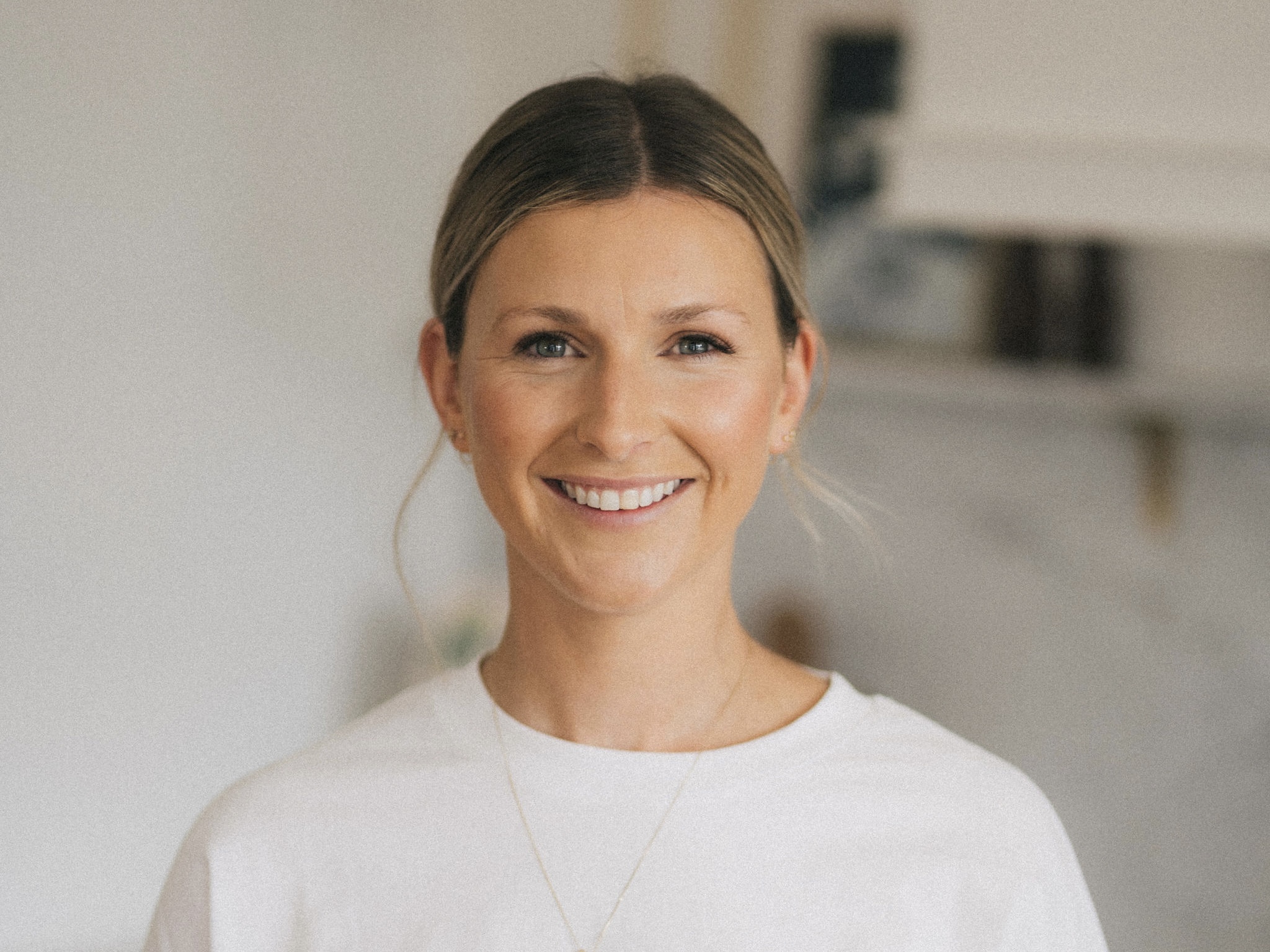
Meet Luka McCabe, the founder of Boob To Food, an online community dedicated to nurturing baby’s journey to food. Luka is a midwife, nurse, birth & parenting educator, and certified nutrition consultant, and is passionate about helping parents nourish their kids through a holistic approach to eating. The rest of the team consists of nutritionists, naturopaths, dietitians, paediatric therapists — and above all, mothers. With a focus on whole foods that benefit little one’s well-being, Boob To Food provides nutrition guidance, education and inspiration to make the shift to solids as easy as it is exciting — for you and your baby.
Connect with Luka on the following platforms;
Instagram— @boobtofood
Website— https://boobtofood.com/
More about this month’s sponsors:
Thank you to this month’s sponsors for partnering with our show and helping you make your swaps with their special offer:

Ausclimate’s highly recommended range of WINIX Air Purifiers is the ideal solution for cleaner, healthier indoor air. Easy to use, reactive features and settings with a truly comprehensive 4-5 stages of purification, including Hospital Grade True HEPA Filtration and Winix’s unique PlasmaWave® technology. Perfect for smoke, dust, pets, viruses, bacteria, household odours, and allergies (covering a variety of allergens). Breathe easier, sleep better, and feel better. Winix; is the most complete air purifier on the market!

Offer: Ausclimate is now giving all Low Tox Life followers an EXTRA 10% OFF their already discounted prices. Simply enter the discount code of LOWTOXLIFE on check out via: https://www.ausclimate.com.au/
This discount can also be redeemed for over-the-phone orders verbally.
Website: www.ausclimate.com.au
Facebook: www.facebook.com/Ausclimate
Instagram: www.instagram.com/ausclimate
 Blockblue light are a wonderful company and you might remember Daniel, the founder, being both on the podcast last year discussing the light spectrum, but also doing a masterclass in our Low Tox Club on infrared, sauna and the ins and outs of different options.

If you’ve been wanting to see whether incorporating light bulbs that keep the blue light out of your evening home space (we do this by only using our lamps in the evenings and having the bulbs in there, or getting a good travel lamp for blue light avoidance in very-well-lit hotel rooms and air BnB’s, or trying an exceptional quality red light panel (can be used for face as well as injury and mitochondrial support and are much better quality infrared than those landfill face masks btw!) or trying a pair of glasses for the day time when you’re at the computer, or the night-time ones when you are mid-exciting-show but want to avoid blue light and also would like to look more like a rockstar… then you are most definitely in luck.
September 1-30th = 20% off site wide. CODE: LOWTOXLIFE
Instagram: instagram.com/blockbluelight_official
Facebook: facebook.com/BlockBlueLightOfficial
What to say about the good news that my good friend Irene Falcone is back on her terms with a brand new and beautiful low tox store – Clean Nectarine. Clean Nectarine is a beauty and health low tox store with strict ingredient vetting and fast shipping Australia wide – orders packed every day by local school mums. When Irene built Nourished Life to be the huge business it was it was no longer doable on her own. She thought selling it to a big company would be the answer but then had to watch them ruin all her hard work of 10 years and her legendary status as an amazing customer service focused business.

I just love and admire so much her resolve to start all over again on her terms and in a way that will work for her AND her customers.
And to celebrate it? Irene is giving us (Aussies) 20% off store wide with the code Low Tox Life
- This is excluding filters (you still have 12% off those on Waterscofilters website though remember till mid-September with code Low Tox Life)
So many things to love on the site – some of my favourite low tox businesses like Weleda, Mukti, 100% Pure (omg the apple enzyme products – helloooo fresh, vibrant skin!) and the Hurraw tinted lip balms. The only things I wear on my lips that don’t dry them out. I also love the 100% pure make up – the eyeshadows a fun yet natural and make me feel like I’m still wearing my skin, not covering it.
Enjoy taking a look around and making the most of the 20% off this month!
Instagram: Instagram.com/cleannectarine/
Facebook: facebook.com/talkingclean
***
Title show track, by LIOR.
Love the podcast music? You will hear excerpts from Lior’s track “Caught Up” – go check it out on iTunes or Spotify if you want to hear the whole song or album, Scattered Reflections. Co-written with Cameron Deyell, it’s a great song and I love the reflective energy of it – perfect for the show, right? Enjoy. Lior is always touring, so do check out his website. It is wonderful to hear him sing live, trust me.
Low Tox Club – The place to bring your low tox life to life.
Want to join a community of like minds and enjoy all the perks of being in the Low Tox Life inner circle such as an online membership platform, 50% off all our Low Tox courses, an awesome chat group, my monthly Q&A, and special guest star interviews for just $49AUD ($29USD/28EUR/23pounds) per YEAR? We have created a special place and set of resources to help you achieve your goals and it’s a wonderful place to be – MORE DETAILS AND REGISTRATION HERE.
***
If you would love reading like me or you just simply want to go through the full transcript, you can check below.
[Alexx Stuart] (0:00 – 10:20)Is the thought of feeding little people in your life a little overwhelming sometimes? Then today’s show is 100% for you. Hello and welcome to the Lotox Life Podcast.
I’m Alexx Stuart, your host and founder of the Lotox Movement. And today is show 399. We are about to clock 400 shows.
We are in our ninth year. We’ve had over 6 million downloads, which is crazy. And I just want to say thank you so much for being here.
To anyone who’s arrived a little more lately, welcome. There’s a lot to dig back through. And I would say 99% of our shows are every bit as relevant today as they were when we first recorded them.
And if you’ve been a long time Lotoxer, no doubt at some point you’ve shared a show with a friend or you’ve left a review on Spotify or iTunes. And I just want to say a massive thank you because those are the little things that you guys do as listeners that really help us reach people and grow. And the reason I want this podcast to grow is because I genuinely feel like the intention is to show that there is room for everybody who is curious about doing better for us, for our kids, for our planet, at a pace and in an iteration that works for you.
It is your Lotox life, not mine. I am not some guru prescribing a way of doing things or, you know, you’ve fallen off the waggon if you do it wrong. It is very much about all of us just chipping away at doing things that make us more aligned with what true health really is and what looking after our planet really looks like, not what we just get told things like that look like by this sort of hyper-externalised, hyper-corporatised culture.
So it’s an absolute pleasure to have you here. And today we’re talking about a subject that is very close to my heart. Long time Lotoxers are going to know that in the earlier part of Lotox life, and certainly when my little man was an actual little man instead of nearly my height, I did a lot of work with the Jamie Oliver Food Foundation as an ambassador, wrote the programme Thrive Raising Kids Who Love Real Food with my friend Brenda.
And we took thousands of parents through that programme, which is still there and available. We just don’t run it live anymore, but it’s packed with really useful information if that’s the point of life that you’re at right now. And while it’s not a huge focus of my work these days, it is very much a huge focus of the crew at Boob to Food founded by Luca.
And Luca is my guest today. She’s a nurse and a midwife by trade, but founded Boob to Food as she was exploring how to move from breastfeeding through to starting to feed her first bob and really just wanting to have conversations around motherhood and parenting and how things were working out for people out there on the internet. It’s one of the reasons I started Lotox Life, to create those connexions with like minds and the power of social media that helps us connect as communities is massive, right?
And so Boob to Food is somewhat of a go-to for everyone with little people, parents and carers alike. And her first book was Milk to Meals. Her recent and just about to come out, if you’re listening to this live book is Toddler to Table.
And so this week, it’s not out yet. It’s out in a couple of weeks, which means you can though pre-order it if you’re listening to this live. And I dare say it’ll sell out very, very quickly once it lands.
So pre-order would be the go if feeding toddlers under fives is very much your reality right now. I have looked through the entire book. It is about so much more than the delicious recipes on its pages and feels really values aligned with what I would be recommending.
And I wanted to have Luca on the show to have a conversation about kind of how we were brought up to think babies should eat and compared to how they should actually eat. If we think more ancestrally about it, if we think about growing bodies that are growing faster than they ever will again, that’s not going to be done very well if we just hit the far X rice cereal, right? So really powerful show.
And if you’re not member of the Boob2Food community yet, I very much encourage you to connect with their work. All the details are on the show notes. And the information is applicable worldwide, like super, super useful no matter where you are in the world.
If you’re parenting or caring for a tiny young person. We can’t put this show on without our incredible low-tox sponsors who help you make your low-tox swaps a little more easily. And this month we have my dear friend, Irene, founder of Clean Nectarine.
You might know her from her previous business. She founded Nourished Life back in the early 2010s. And we were very much growing our communities and businesses together as a sort of generation, I guess, of pioneers in the environmental toxins in beauty products and cleaning products space.
And for a number of reasons I won’t go into now, she had to move away and is now back with Clean Nectarine. And wow, it’s such a gorgeous store. And I was super stoked to see that she has brought over the zero nail polishes.
I’m just giving a quick shout out to a particular product that I literally just bought today because I do not have naked toes. It’s just a thing. I always have polish on my toes.
I have always, since I was probably about 20 and that’s going to change anytime soon. Now, for people who like to go fully natural, that might be, oh God, I thought she started low-tox life and that was about everything super natural. And well, like I said, it’s your low-tox life.
You decide the blend. Some of us, that’s going to mean building a tiny house in an off-grid location and living among the trees. And for some of us, it’s going to be living in our cities in a more healthy way.
And then there’s everything in between. So yes, I like nail polish and the hundred percent pure range is just about as clean as you could possibly make a nail polish range. It’s called Zero.
And I actually just grabbed two colours myself while we have this incredible 20% off. Code low-tox life. I also picked up the Anna’s Wild Yam Cream.
Yes, I’m giving it a go. I would love to hear any midlifers feedback, although given we’re doing a toddler show this week, you’re probably not listening to this particular show, but if you are, let me know if you’ve used that because it sounds pretty legendary and I can’t wait to give it a go. And I also got my favourite exfoliant.
It’s the Mukti, I think it’s called the two-in-one micro exfoliator. I should pull up my order so I can actually name the product properly. Resurfacing exfoliant.
Mukti two-in-one resurfacing exfoliant. It’s exy, but the last time I bought it, it literally lasted me almost a year using it just once a week. You don’t need much and it is brilliant.
So that’s what I put in my shopping cart with this 20% off code low-tox life, just in case you were curious. Clean Nectarine is where you go and get all your goodies cleannectarine.com.au. You also have 20% off, Daniel’s never done this for us before. I’m so grateful that he has the entire Block Blue Light website, and that is an international offer.
They ship worldwide. I always love an international offer to be able to give you guys, because I know a lot of people are listening around the world. And so if you’re looking, if you’re wanting to upgrade your evening light hygiene, instal some bulbs, maybe some track lighting in your bathroom or kitchen that don’t have any blue light in them for when you’re pottering around at night.
Brilliant travel reading lights for those awful bright lights that you often incur when you’re travelling for work or to an Airbnb on holidays. They’ve got so many options. They’ve got the brilliant block out face masks, which if you live in the city, you want to be blocking out that ambient light from street lights, et cetera.
I could go on. Block Blue Light is the website and it is a worldwide 20% off code LOWTOXLIFE. They also have red light panels.
So 20% off those, that’s a really good saving. And then of course, our major sponsor, Ozclimate, dehumidifiers, Winix air purifiers, heaters, and even a portable air conditioner, which might start to come in handy as the summer months roll on. 10% off, and that works on top of any sale prices you see, code LOWTOXLIFE again.
Those are your LOWTOX swap offers. I hope that helps you out out there as you’re either making the transition or stocking up on a favourite that you often use. And now let’s talk toddler to table and feeding little people.
Enjoy. Luca, how are you?
[Luka McCabe] (10:20 – 10:22)Hello, I’m good. How are you? [Alexx Stuart] (10:22 – 11:01)
I’m awesome. Thank you. And, uh, today we are talking about feeding littles and I know your first book, milk, milk to meals, right?
I’ve got that right. I always confuse it with boob to food, the brand name was such an amazing, beautiful book. And I often think, oh, where was that when I had a tiny baby?
Um, and you have another one coming and obviously this is a huge passion of yours, setting up our kids for success at the earliest stages of introducing them to food. Um, so what did you feed your kids this morning? What was breakfast like?
[Luka McCabe] (11:02 – 11:26)I actually wasn’t here, which was nice for once. I was at the gym. I went to a later gym session and my husband did breakfast because I had a really bad night with my son and my husband, um, is off today to have the kids.
So yeah, it was his day today. So I actually have no idea. It was lovely.
I walked in, it was all done, but they left the mess for me. So that was good. Okay.
[Alexx Stuart] (11:27 – 11:28)Still working on that. [Luka McCabe] (11:29 – 11:45)
Well, he, my husband would clean it up, but he won’t do it until like lunchtime when he comes home and I am working at home and I can’t just look at it all day. So anyway, but I haven’t had breakfast. I’m surviving on coffee because some of my mum are three and I’ll have breakfast after this interview. [Alexx Stuart] (11:46 – 11:50)
Yeah. It’s not because of internet intermittent fasting. It’s because of child load. [Luka McCabe] (11:51 – 11:59)
Yes. Child load. Yep.
As many mums would know, we usually come last. I always preach don’t do that, but in practise. Well, you put yourself first with the gym today.
[Alexx Stuart] (11:59 – 12:37)I think that’s what an amazing reveal, like jumping right in. It’s not. And I think I want to preface this whole chat about it not being about perfection always towards your kids and like life is messy and try and do stuff for yourself as well.
I think it’s just so awesome that, that, that was, that came out of my very first question because we, you know, we often assume as well that our internet people are there like lovingly toiling away for hours on end every day to make their kids’ lives perfect. But there are real humans that also need taking care of.
[Luka McCabe] (12:37 – 12:39)That is not me. Yes. [Alexx Stuart] (12:40 – 12:44)
Well, I kind of know that from your socials. You’re very real. [Luka McCabe] (12:44 – 13:06)
Yeah. So my son’s school yesterday, he came home and he said, oh, mum, my teacher said I look homeless. And I was like, why?
Because my shoes are falling apart. And I looked down and they’re like fully just flapping toes hanging out. And I’m like, there’s one term left.
Do I have to buy a new one? Anyway, so anyway, I’m not the perfect mum. I do not dote over these kids.
[Alexx Stuart] (13:07 – 13:08)Yeah, I’ve actually. [Luka McCabe] (13:08 – 13:10)
It’s survival of neglect sometimes. [Alexx Stuart] (13:10 – 14:01)
Well, it is sometimes, but it’s also about, I don’t know, I’m a bit older than you, but I know that I had to beg and cry to get my Reeboks replaced in the 80s. Like they really were falling apart before I got them. And I feel like social media has added this layer, even for small kids, because they’re seeing YouTube and YouTube ads and if they’re watching their little Peppa Pigs, it’s still getting interrupted with stuff that you might not ideally want them to see sometimes.
And this whole idea that everything always needs to look perfect. I’ve got my kids surviving on one shirt for the whole week with the express wash because their shirt changes in year 10. And I’m like, OK, if you need a bigger size, fine, but I’m not going to buy the whole suite of like every day of the week situation.
You’re just going to get really good at quick laundry. Yeah.
[Luka McCabe] (14:01 – 14:04)Yeah, perfect. It’s a life skill you’re teaching him. Absolutely. [Alexx Stuart] (14:05 – 14:31)
Now, speaking of life skills, eating well, eating to nourish ourselves versus just filling up until the next little desire snack hits. That’s a bit of an art. Were you kind of flying by the seat of your pants trying to figure all of this out?
Like when you started having to feed your first little one or did you luckily grow up in a family where that was modelled?
[Luka McCabe] (14:33 – 15:11)I’m actually English, so I might have a similar background to you, but I did grow up here. I’ve lived here since I was 10. But I think, I don’t know, like we, from a family life perspective, like we did have family mealtime together and my mum and dad ate well.
But as growing up, actually, I should preface, I lived in Fiji for years and then I moved to Australia. And in Fiji, we ate really well. And that was kind of my formative years as a child.
And so we ate really well over there. But we also had a house lady, which sounds like we’re rich. We’re not, but they’re back in the day.
It’s the structure.
[Alexx Stuart] (15:11 – 15:13)It’s actually really similar in Mauritius. It’s just very different in Fiji. [Luka McCabe] (15:14 – 16:13)
Yeah, they live with you and anyway, definitely not rich. But so she would cook for us. It’s amazing food.
So we would eat really well, really fresh. It was actually really hard to buy like packaged foods or anything over there. It just wasn’t really a thing.
There was no, there was one tiny supermarket that was it where we lived. No fast food, nothing. I remember the very first McDonald’s opened just before we were leaving.
So this was a long time ago in the 90s. But then when we moved to Australia, we were really exposed to lots of packaged foods. And I would say that was when I was sort of nine, 10 when I came here.
And yeah, our diets went not great. Like that’s when I would say it wasn’t fussy eating, but we just wouldn’t eat what mum and dad would serve us, me and my brother. And so she started then making separate meals for us.
And that’s when we sort of lived off the freezer meals and my mum and dad were working full time. And so we would kind of just make our own dinners, which was literally like pie and hot chips or chicken chippies.
[Alexx Stuart] (16:13 – 16:16)Easy things that you can just heat up in the oven and stuff. [Luka McCabe] (16:16 – 16:55)
Yeah, that was all we ate. And so I kind of grew up eating that way, I guess. But then when I got married and moved out of home, I got married quite young.
I was 21 when I got married and moved out of home. And I guess, I don’t know, I just started cooking for myself and sort of was a bit interested in it, but probably not cooking very healthily, what I would say now. Not looking at the back of ingredients at all.
That’s for example, I thought an up and go, I was working as a registered nurse and doing shift work and thought an up and go was a perfect breakfast.
[Alexx Stuart] (16:55 – 17:10)Oh my God, me too. I was in hospitality shift work. And, you know, so you just finish like counting the tills at like 3am and then go home and sleep.
And I’d just pick up and go, I would just pick up the up and go, that would be like my perfect breakfast.
[Luka McCabe] (17:11 – 17:14)Exactly. I wonder why you’re hungry on your shift an hour later. [Alexx Stuart] (17:14 – 17:15)
Exactly. [Luka McCabe] (17:16 – 18:57)
Yeah. So anyway, that happened. And then it was actually Sarah Wilson’s I Quit Sugar, that kind of movement came out.
And I remember reading the book, I was suffering from like a lot of, I wasn’t like unwell or anything, but I just had headaches and I just like didn’t feel great. I had been getting a lot of investigations for migraines. And then I, for some reason, someone pointed me onto that book and I read it and kind of, I didn’t go down the whole I Quit Sugar route, but it just sort of awakened me into looking at the back of packets, I guess, like just being more aware of what is in food.
I’m not saying I agree with everything in that book and movement and everything like that, but there was some really great things that I learned from that. And so I think that was probably when I looked back the catalyst of sort of being more interested in what we were eating and feeding. And then shortly after I had my first son, he’s now nine.
And I remember going to like a baby naturopath kind of class. And they did like a six week class that was all sorts of things. It was like chiropractic for babies and movement and all sorts of things.
And I, was I a midwife at this time? Yeah, I was a midwife. So I thought I kind of had it in the, you know, thought I knew what I was doing, but then you realise as a midwife, you don’t know anything after two weeks.
And so that’s why I did this course. And one of the ones was nutrition. And there was a naturopath speaking about nutrition and it just completely changed my perspective on food, like how she was talking about, you know, baby’s nutrient requirements and what they need.
And, you know, she was basically like, you know, we’ve been whitewashed into thinking, is whitewash the right word? Brainwashed. Brainwashed.
[Alexx Stuart] (18:58 – 19:06)I mean, my husband will say, please don’t ask Alex for what the proper expression is because I really do stuff them up often, but I definitely know brainwashed. [Luka McCabe] (19:06 – 21:42)
Some kind of washed into thinking that, you know, rice cereal was best or it used to be called Phyrex and, you know, you’d go down the baby food and you think, well, this is what I have to feed my baby. And it just really changed my perspective. And there was a book, I think it was called super nutrition for babies.
And she recommended that. And I read that. And then from there, I just got like, I don’t know, I don’t know what happened.
I just, it really resonated with me, obviously. And I started feeding my baby these, I guess, super foods that were amazing, but different because this is nine years ago, you know, so things like the liver and the bone broth, and I started learning how to make bone broth. And these were foods I had never even heard of before.
Like I’d made stock before, but not things like broths and trying to, you know, get that satisfaction of gelatin and all of the, yeah, all of these really like bone marrow. And anyway, it was, it kind of, everyone started asking me questions about it. Like, why are you feeding him that?
And I just, I’ve always loved education as a nurse and a midwife. One of my main roles was I was actually a parent educator and did the birth and parenting classes. And I’ve just always loved educating people.
And so I just found it really fun to educate people on this. And then that’s how Boob to Food started. I started a little Instagram account just to share our journey.
This was way back in the day of Instagram. And yeah, I guess it’s just spiralled from there. And we continue to educate now, but now it’s not just me.
Now it’s a team of, you know, I’m not qualified to teach about this stuff. It was stuff that I was learning about. And as you would know, you, you know, you can learn about lots of things.
And because I had done university degrees, you know, I know how to read research papers and, you know, I can tell what’s right or wrong. But it still wasn’t my, I guess, I haven’t done any formal training in nutrition. I did do a baby and postpartum nutrition course, but it’s not, it doesn’t call me a nutritionist here in Australia.
So anyway, I’ve now hired people that, that as Boob to Food has grown, and now we’re a team of dietitians, naturopaths, nutritionists, occupational therapists. And so yeah, I’ve, I’ve brought those people on, but my passion is still, I guess, being the microphone for all these amazing people who give us the ideas. And that’s where the books have been launched from as well, because we launched Milk to Meals a few years ago now.
And yeah, now our new book, Toddler to Table, which is all about toddlers. So anyway, big journey with food, that’s kind of in a little nutshell.
[Alexx Stuart] (21:43 – 23:23)Yeah, no, I love it. It’s so, it’s always so fascinating. Something that I’ve picked up on that you said there was, it’s not that I agreed with everything.
And it’s not even about bringing up that resource again. But I think that’s a really important thing for all of us to not guruize anyone doing anything, because there is the person having the experience within the taking in of information. And I think so many people have externalised all the answers to the internet these days, or to whoever they’re following as their guru at the time.
And, and we can become pretty powerless and unconfident if we hand it over to everyone else. So I love that you shared that because I think it’s really important to stay really grounded in what you know to be true for you while you take in information from the outside. And for me, that book that you talk about when you had the Barb, the first one, what’s, what’s her name?
Sorry. Flynn. When you had Flynn, and you, you were recommended that book by the naturopath.
For me, it was, I remember I had a $50 gift voucher. And we were on one small income at the time when Seb was born 15 years ago, as we record this. And so a $50 gift voucher at DJ’s was like, Oh, what am I going to spend it on?
Like, it was a really special, like, I’m really thinking about this. And this book was on the shelf, and it jumped out at me. And it was Whole Food for Children by Jude LaRue.
[Luka McCabe] (23:23 – 23:24)That’s a great book, too. [Alexx Stuart] (23:24 – 24:06)
Oh, my gosh. And I just like, there are those people, and I hope to be a person in the way I educate as well. I know you are, that calm your nervous system about big topics that can sometimes be overwhelming, instead of like, freaking you out and making you think, Oh, my God, I’ve got to do it perfectly.
Or I’m gonna die if I don’t, you know, ditch the, you know, all that stuff. And I just think it’s so special when you find those resources. And when you’re an educator, when you really tune in to bringing that energy to other people, which that these are the sorts of medicines I think the world needs.
Not the people freaking us out.
[Luka McCabe] (24:06 – 26:21)Hopefully we’re doing that. You are. It’s, it’s always tricky.
We obviously have our own beliefs and ideals about things in the way that we do things. But there’s certain things that we just won’t share. Because, you know, a lot of people ask me, for example, to do day on the plate as a mom or day on what are your kids eat in a day, and I don’t do them.
And there’s a reason, you know, one of the big things is, I don’t want you to compare what I eat or what my kids eat to what you eat, because our lives and circumstances are so different. So, for example, like your socio, like economic status might be so different to mine, or cultural backgrounds, your cultural background, you also, you know, my job is food. And so for a lot of my hours of work is cooking.
And so I have the luxury of being able to cook lots of different meals, because that is my job. Whereas when I was working as a midwife, you know, and you’re getting home at certain, you know, 10pm at night, there’s no way I could cook different things like this, if I was still doing that job. And so there’s so many different facets of life.
And I just think we can’t compare to that, like we can do our best. That’s all we can do. And we can do the best with that.
That’s the other thing, the education that we have at the time and the knowledge that we have at the time, we can’t do what we don’t know, you know, and so we’re all on a journey. And I guess what we love to do is educate about babies, because then we find that in the interim, we are also educating the mother and then the whole family like it’s because a lot of families and parents want to do the best for their child, of course. And so, you know, that’s when they’ll start picking up books and being educated on things because they’re like, what should I feed them?
And then all of a sudden, it’s so great, because we see this like ripple effect, where it’s like, oh, this is actually for me, too. Like, yeah, I can benefit from this, which is so nice. So yeah, anyway, we’re on a journey, it’s making small changes at a time, which is something that you always preach as well.
You know, it’s not overhauling your whole medicine cabinet and cosmetics all at once. It’s, you know, changing one thing at a time when you can and as you learn. And so it’s the same with food, like, I’m still trying to educate my husband, to be honest.
[Alexx Stuart] (26:21 – 27:54)It is a journey, but I totally get your point. Because I feel the same way when it comes to it’s the baby that often opens us up to new ideas, because you’ve never wanted to do a better job at anything in your whole life than when you have a baby. And I remember, I used to drive down to my mum-in-law, she used to grow all this organic produce for Seb’s puree.
I mean, amazing, like in her veggie patch. So I’d pick up squash and zucchinis and pumpkin, all grown on her farm, all organically. And I remember, and this was not her, it’s not her fault.
And it’s not my fault for just agreeing in the moment. But I remember she said, oh, you know, once he’s a bit more robust around one, you can move on from organics. But I had started really appreciating that as well.
And I had thought, so why do we get our kids to a certain age? And then it’s safe to eat all the pesticides. And I’m not trying to judge anyone who’s eating conventional produce either.
But I think the baby phase is really interesting because we want it to be perfect. But there’s something about us that also recognises it can’t be perfect forever. And you do actually have to flex a bit more.
And I ended up finding a truth in the middle of all of that for us. And I think there’s a lot of peace in just doing what you can. And then sometimes going with the flow isn’t there.
[Luka McCabe] (27:54 – 28:26)Oh, for sure. Like I was the same. My kids, when they were babies, ate only organic food.
Now, absolutely not. I can’t afford all organic food. There’s no way.
Like we prioritise some things. Like we try and eat organic meat and dairy and eggs and that kind of thing. But fruit and veggies, like I just have to deal with a wash most of the time, to be honest.
Like we get a lot of stuff from the farmer’s markets and a lot of it is spray free, but it’s not organic. And so, you know, I’d love to eat like that, but I also do not earn that much money.
[Alexx Stuart] (28:27 – 30:09)Yeah. And I just think we all have to cut ourselves some slack as well on this perfection, you know, because internet teaches perfection is possible. But it isn’t like newsflash.
It is not possible. And as you said, the only people who are doing things really, really brilliantly are often the people who, if you think about it, it’s their job to. So the zero waste people who are zero waste educators, and they’ve written the zero waste books and they show you their tiny little jar.
If you plug them in a nine to five corporate job or with three kids under five and running a play group, all of a sudden zero waste is not going to be as achievable to the degree that they were doing it when it was their complete job. Same with DIY is same with farmsteaders. And I think it’s such I love that this came up and that you framed it that way, because I often say to my business coaching students, even the people who are making the tonne of money on the Internet, other people who are teaching people about making money on the Internet, it’s kind of a little bit hollow underneath and behind the curtain.
And I’m not saying it’s hollow and behind your curtain, Luca, that’s absolutely not what I’m trying to say, but I’m saying if you can put all of your effort into it, because it’s also your job and what you love, then of course, it’s going to always look that little bit better than what the realistic everyday person can do. So yeah, don’t go chasing Luca’s day on a plate, people. It ain’t coming.
[Luka McCabe] (30:12 – 30:20)I mean, to be honest, it’s actually not that good. Like I said, it’s nearly 1030 and I’ve only had a coffee. [Alexx Stuart] (30:21 – 30:25)
Yeah, we are here to debunk the Internet perfection. [Luka McCabe] (30:25 – 31:08)
But also food is like a passion of mine. I love food. I’m such a foodie.
I only wanted to eat well. Like I’m so funny at restaurants. If the menu doesn’t speak to me, I just would rather not eat half the time because I’m like, I’d rather make this at home.
So I’m like, it’s different passions and stuff, too. You know, it’s yeah, it’s what we’re interested in. And my sister-in-law, for example, loves makeup and looking nice.
And I just think, oh, how do you have the energy to do that? Do you know what I mean? So we put different what’s the word like expectations or what’s the word like?
I guess we use our time differently. Like for me, I use my time.
[Alexx Stuart] (31:08 – 31:09)Everyone’s got different priorities. [Luka McCabe] (31:09 – 31:21)
Yeah. Yeah. And I like cooking and that’s what I use my time for.
And on a Sunday, I’ll do lots of meal prep and, you know, all this stuff. And other people might do, I don’t know, other things like have a clean house, which I don’t either.
[Alexx Stuart] (31:21 – 31:49)So, yeah, that’s not my favourite way to spend time either. OK, so. Feeding little people, toddlers specifically, it it can be a very humbling experience and you’ve got three kids, so I’d imagine it hasn’t been the same for all of them.
Which one came first, the easy or the oh, my gosh, what the heck is going on here, child?
[Luka McCabe] (31:50 – 33:03)The easy. So I laugh when you say how you because you’ve got Seb and he was a good eater. And then I always laugh and say if I had only had Flynn, I would think I was the world’s best parent.
Even now, he’s a delight. He’s such a good child. He’s just got a beautiful nature, beautiful temperament.
He never pushes back like he’s just he’s honestly like such a beautiful kid. And my other two are also beautiful, but they are very spirited and push back on everything. They’re the same.
The other two are the same, Florence and Will. So Florence is six and Will is three. And they are really hard.
And both of them still like Florence is coming out of it a bit. But Will is a bloody nightmare at mealtime, to be honest. Like, you know, I always say he was brought on this earth to fully humble me because Florence was like, you know, she was she pushed back a lot, but she wasn’t too bad.
Will is that kid that rejects every single meal. So anyway, he was my he’s my kid to humble me and make sure that I’m practising what I preach. Because, yeah, if I stopped with Flynn, I’d be like, yeah, you just give them that and they just eat it.
It’s easy.
[Alexx Stuart] (33:03 – 33:47)Yeah, exactly. I remember when I was writing Thrive, our e-course for raising kids who love real food with my friend Brenda. And it was like, I think it was 2016.
And I was like, well, crap, I’m like, I’ve got a great eater and I keep hearing about my friends who have all these kids who are having all these issues and they’ve got gag reflexes and they’re, you know, all this stuff won’t eat solid foods at all. Like just, you know, the pouch generation, which, you know, that’s a whole OT subject that we don’t need to talk about today. But I had to make it my business to get these kids over and try and like, I actually realised roasting things in a tonne of butter seemed to get most veggies across the line for the fussiest of fussies.
[Luka McCabe] (33:47 – 33:48)Same for adults. [Alexx Stuart] (33:48 – 34:00)
Yeah, right. Everything tastes better. Yeah.
And and I would like take these covert pictures of their kid eating a zucchini and text it to them saying proof they do. They like it.
[Luka McCabe] (34:00 – 34:06)But also they always eat better for other people. So, you know, you always see these things of daycare and that kind of thing. [Alexx Stuart] (34:07 – 34:16)
Kids save their worst for us because they feel like they can have their big feelings with us. And as Maggie did says, that’s a compliment, even though it doesn’t feel like it in the moment. [Luka McCabe] (34:17 – 34:28)
And also when they’re around peers eating, they’ll eat better as well. So, yeah, they’re tricky. Our new book, like it’s it’s half recipes, but half of it’s information. [Alexx Stuart] (34:28 – 34:31)
And yeah, there’s a lot there. There’s a lot there. [Luka McCabe] (34:31 – 36:36)
And the whole preface of our book is bringing out one thing I’m really passionate about is family mealtimes, however that might look for you. And it’s we’re in this generation where it’s really lost. And I actually didn’t know this until a few years ago when my son started school, because my group of friends all eat together.
Like it’s it’s my family’s done that. My friends have done that. We’ve all eaten at the family table together.
It wasn’t until my son started school and, you know, exposed to all different families that aren’t just like our friend group that I realised that family mealtimes are really, really not done by a lot of people. And, you know, it’s like the parents will feed the kids something whilst they cook their own dinner. And then it’s usually a different dinner then.
And then they’ll clean up while the kids are eating their dinner. And I can completely understand why people do it and how that has come. You know, with this culture now where we’re working, you know, we’re often not home till five or something.
The kids are really hungry. Give them a quick meal. You don’t want to deal with them rejecting your meal.
You know, partners often aren’t coming home till seven at night. So then, you know, a lot of the time, whoever’s the stay home parent will cook the kids a meal, clean up and then get the kids to bed and then eat with their partner. I can completely see how how it happens.
And sometimes I’m like, oh, that sounds easier than, you know, family mealtimes, because they’re, to be honest, not that enjoyable most of the time. But the problem with this is that we’re just missing, you know, food is about so much more than food and so much more than what we’re actually eating. Food is more, it’s connexion.
It’s, you know, especially you would know with Seb as he gets older, it’s like often the only time you get to actually have a chat with your child. Once you get to school, you know, anyone listening with toddlers, you know, they’re probably like, oh, stop talking to me, which I get, I have a three-year-old. But, you know, with my older kids, it’s the only time we really get to sit and talk to each other because they get home from school and they’re just zombies and they don’t want to talk, you know, and they just want to do their own thing.
But when we get to sit down at dinner, you know, all the conversations come up.
[Alexx Stuart] (36:36 – 36:37)Stuff comes out. [Luka McCabe] (36:37 – 36:48)
Stuff comes out. And then, you know, the other benefits are, you know, it’s even down to when you’re starting solids with the baby, like a baby needs to watch how you eat. They don’t watch how you walk.
They listen to how you talk.
[Alexx Stuart] (36:48 – 36:52)They’re not telepathic. They didn’t, they weren’t born with the guidebook internally. [Luka McCabe] (36:52 – 37:57)
There’s some instincts, you know, like they, you know, they know to put things to their mouth and that kind of thing, but they still need to learn and watch you. And then, you know, a lot of people say, how do we get our kids to use cutlery? Well, they need to learn and watch you.
There’s, you know, how do we get them to sit at the table? They need to learn and watch you. There’s all these things we actually have to model.
And if you’re over there cooking and cleaning while they’re meant to be sitting at a table, it’s not going to happen. And then the other thing is how do you get your kids to eat a variety of foods? Well, they need to learn and watch you eating them.
And so our whole book is strategies and ways that you can make family mealtimes happen. But then, you know, it’s not just like, oh yeah, put the meals on the table. There’s lots of strategies in there.
So things to do with like platter style meals and, you know, a big thing with toddlers is playing on their need for independence and that, you know, power battle that happens all of the time and sort of just working with our child and their developing brain into ways that we can then get the end goal that we want. And so, you know, there’s lots of things about, you know, being considerate of their needs and their wants, but not catering to them. So.
[Alexx Stuart] (37:57 – 38:29)Yeah. And can you break down an example of what that looks like? You know, creating the boundary, but creating the options within the boundary.
Cause I remember reading that in like a women’s weekly when I was like, it like said was one, I think I was at a waiting room and it was some parenting expert at the time, but it was one of the most powerful sentences I ever read. And I think the people who are doing it and teaching it well are absolutely moving through with that philosophy because kids do need that agency at that age.
[Luka McCabe] (38:30 – 42:57)Oh, they do. I mean, I think kids need boundaries at any age, but, you know, there’s a lot of research that says that kids need boundaries to feel safe and protected and to thrive. And so, you know, it’s funny, cause I guess parenting’s gone from this like, you know, smacking generation and authoritative kind of generation.
And it’s kind of like, there’s this gentle parenting movement, which is lovely, but then if you go too far into that kind of movement, there’s no boundaries for the kids. And so it’s like, you kind of got to meet somewhere in the middle where you are still the parent, you are still, I guess, driving the bus and our little ones can absolutely have a say. Our little ones should be heard.
Our little ones, you know, need to feel nurtured and loved and supported. Absolutely. But they need some boundaries because they’re learning and they do have these developing brains and they need that to feel safe.
And that comes down to, I mean, I’m no parenting expert at all, but I do know a bit about the food side of things. And so this comes into food as well. We need boundaries in place.
And so of course, if our child has the option to not eat their plate of, you know, veggies or whatever it is that they don’t want to eat and they’re requesting a peanut butter sandwich or Weet-Bix instead, you know, and if they get that happen all of the time, of course they’re going to ask for that because one, it’s playing on their power, but two, like, well, who wouldn’t want that at that age? You know, it’s learning to love different foods and for a lot of children, it is learning. And so we need to have these boundaries in place where, you know, it’s, no, this is the meal that’s on for tonight.
Like, you know, having these, I guess, scripts in our mind, which the book goes through as well. So things like, you know, I know that you want Weet-Bix. Unfortunately, Weet-Bix is not on the menu tonight.
We are having spaghetti and bolognese, maybe tomorrow morning for breakfast, we can have Weet-Bix, but it’s not on the menu tonight. You don’t have to eat your meal. And that’s a big thing too.
Like, we’ve come from the aeroplane, here comes the aeroplane society, you know, finish your plate. You’re not getting dessert if you don’t finish your plate. You know, it’s not about that.
It’s, we can’t force our child to eat and we need to remember to stay in our roles, which is a really big thing. So our role as a parent is to, you know, offer the food, the child, offer the child the food, sorry, in, you know, regular intervals and choose what’s on the plate, but it’s up to them whether or not they eat it or not. So our aim and remembering to stay in this role of, you know, we have provided the food, but it’s up to you whether you eat or not.
And so we’re not trying to force them to eat, but we are saying, you know, this is the food, it’s up to you if you eat it or not, but this is what’s on offer. But then there’s other things that come under that as well. So for example, what I was mentioning before about being considerate without catering is doing things like, you know, I, for example, know that if I was to feed my kids, I don’t know, salmon, they probably wouldn’t like it.
They don’t like salmon. My husband also doesn’t like salmon. I love it, but I can never eat it because no one likes it.
Anyway, so, you know, if I had just given them a plate of salmon or salmon infused through a whole pasta, for example, I know they’re not going to eat it, but I wouldn’t do that because I know that they don’t like that food. But if we were having salmon, for example, one night, if me and my husband both liked it, and that’s what we were having, then, you know, I would say, well, I know my kids don’t like salmon. We’ll all have the same sides, you know, so that we’re still eating kind of the same food, but we’re going to have salmon.
I’ll still put a little bit of salmon on their plate, like a tiny, tiny bit for exposure because one day you never know. Some days they’re just like, oh yeah, and then they eat it and then they like it. But then it also put something else on their plate that they know that they will like.
So, you know, I’d make sure the sides are things that they enjoy or if, you know, we were having a pasta, for example, I would make sure that the pasta wasn’t infused with the salmon, but the salmon might be on the side. So, it’s being considerate of their needs. And it’s the same, I always use this example, if you have a vegetarian friend come over and you’re a meat eater, you’re not going to feed them a meat meal.
That’s not being considerate of their needs, but you’re also not fully catering to them as in you’re not going to feed you and everyone something that you don’t like just because of one person. You’re just have different options on the table and, you know, ways that they can fill their plate and you can fill your plate and you might have a few meat options on the table, but they don’t have to choose them. It’s the same with the kids.
So, it’s kind of playing on that consideration, but not catering to them. Hopefully that makes sense.
[Alexx Stuart] (42:57 – 43:28)Oh, it absolutely makes sense. Yeah. I talk about it in the context of buffet meals sometimes as well.
So, it’s like, there’s lots of options and by lots of options, I’m not saying lots of different meals. I’m like, think more tacos as lots of options, like there’s a bowl of grated cheese and a bowl of this and a bowl, and you can kind of build what works for you. And I think then there’s the exposure piece and the agency piece, because you get to decide what you have a bit more of.
And I think that…
[Luka McCabe] (43:28 – 43:31)Platter style meals are like the God for toddlers. [Alexx Stuart] (43:32 – 43:32)
Agreed. [Luka McCabe] (43:32 – 44:10)
And I highly recommend just getting like one of those, what are they called? Like a lazy Susan thing, but with like segments. So, there’s not heaps of dishes to wash up, but just even having for breakfast, like a few different toppings for the porridge on offer.
It just, when you play on this independence and you’re really playing on it, you’re like, oh, look what you get to choose from. It’s all of a sudden they have forgotten that they didn’t want porridge. All of a sudden it’s like, oh, I can choose my toppings, you know, but you’ve chosen the toppings as a parent, but they think that they’re doing the choice.
So, it’s giving them little choices within your choice, I guess.
[Alexx Stuart] (44:11 – 44:11)Exactly. [Luka McCabe] (44:12 – 44:12)
Yeah. [Alexx Stuart] (44:12 – 45:07)
Options within the boundary. I love it. Yeah.
I remember I used to take Seb to the markets and admittedly he didn’t really have much fussiness, but I guess if was one category, it’d be the green veg, I guess. And I didn’t harp on it, but I used to say, we’re going to pick something orange, something green, something, you know, all the different colours and you get to make the pick. So, you get to choose your favourite in each category, especially if he was going through a big sort of brain growth spurt and was being particularly like, it’s going to be my way.
And that always seemed to work as well because he’d feel really clever about his choice. And then if he’d made the choice and then it was cooked with him and then it was on his plate, then there’s kind of like a nice little warmup period there where you’re much more likely to get it across the line.
[Luka McCabe] (45:07 – 45:20)And even if he doesn’t eat it, you’ve still done the job of exposing him to that food, which is important. You know, not just being like, oh, he doesn’t like that. And then that’s gone.
Because anyone with toddlers knows they change their mind every 0.1 seconds, so.
[Alexx Stuart] (45:20 – 45:29)They can, yes. And so when a toddler isn’t eating anything one night, what do we do there? [Luka McCabe] (45:31 – 45:56)
Well, there’s, you know, I want to preface by saying we’re talking about, you know, children who are neurotypical because I don’t want someone listening to this who does have a child who is neurodivergent and literally will starve themselves because that’s a different story. And that means independent, you know, assistance and some guidelines and things like that. [Alexx Stuart] (45:56 – 46:06)
So I think it’s important to define this as it’s the odd time. Yes, exactly. It’s not a constant.
It’s like, oh, wow, they just don’t want to eat tonight.
[Luka McCabe] (46:06 – 47:43)Yeah, totally. Yeah. So, yeah.
So when that happens, and that happens in my house with my three-year-old a lot, it’s important to do a few things. One is zoom out with our little ones. We can really zoom out and look at their whole day on a plate, especially with toddlers.
What they often will do is graze all day. And one is they might just not be hungry. And, you know, sometimes it’s hard for us to understand that, but their tummies are small.
They don’t actually have, you know, they’re not growing at a rapid rate anymore once they’re a toddler and their needs are quite low. So sometimes they aren’t hungry and that’s okay. And so we’re looking at their whole day on a plate, you know, did they not eat at all that day?
Because that’s a different story. You know, if they’re sick, that’s different. But then, you know, is this something that’s happening with every meal?
Because that’s not right. If it’s happening with every meal, is this, you know, only happening at dinner time? Maybe it might be that they are overtired and dinner’s a bit too late.
With toddlers, it’s tricky when they’re having naps too, because often when they’re having that big lunchtime nap, they’re missing lunch. So they’re having lunch quite late when they wake up. And then they’re just not hungry.
So it’s sometimes it’s about sort of, I guess, looking at the whole day and thinking, okay, well, this is a pattern. And this is what I’ve had to do with my three-year-old because he was doing this as in, he would wake up from his nap and then he would have a really big lunch. And then he would kind of graze in the afternoon, have too late of an afternoon tea, and then he wouldn’t want dinner.
And so we’ve had to stop all food by 4pm for him to have a 5.30 dinner. That’s what works for us. And that’s something that we’ve had to sort of evaluate ourselves.
[Alexx Stuart] (47:43 – 48:02)I agree. I used to do the late afternoon play. Like we’d just go to the park for that two hours before dinner so that we couldn’t be at home and grazing.
And frankly, that’s a time that I quite like to graze as well. So it just kept us out and legitimately hungry when it came to dinner time.
[Luka McCabe] (48:03 – 48:06)Yeah. Well, that’s so great if you can go out. [Alexx Stuart] (48:06 – 48:07)
If you can do that. So good. [Luka McCabe] (48:08 – 48:25)
But yeah, it’s just, I guess, evaluating the whole day and thinking, why is my child not hungry? The other thing is, like I mentioned before, staying in your role. So it’s not our role to make them eat.
So we shouldn’t be encouraging them to eat anything, which is really hard to do.
[Alexx Stuart] (48:26 – 48:30)So what’s the research behind that? Why shouldn’t we be encouraging them to eat? [Luka McCabe] (48:31 – 50:11)
I guess it comes down to, there’s a lady called Ellen Satter who came up with these roles and divisions of responsibility. And I guess it’s just, you know, we don’t want to put any pressure on meal times, whether that be positive or negative. So we don’t want to praise our child for eating and we don’t want to, is the word appraise?
We don’t want to put them down for not. So it’s just being, I guess, nonchalant about the whole situation. We don’t want to put any pressure on meals.
We don’t want them to be eating past their own satiation cues. We want them to learn and be intuitive eaters over time. And the only way we can do this is get to trust their tummies and maybe they’re just not hungry.
And we’re thinking that they are. The other thing is, you know, making sure, like I said, we’re being considerate. Like, have we put something, if you know that you’ve put something on there that your child generally likes most of the time, I know they change their mind every single day, but you know, if you think, well, you know, yesterday, the day before the day before, you know, you liked potato and today you’re not eating it.
This is not a you problem. This is a them problem. And so it’s not a case of, you know, oh, I better give them something else.
Cause that’s not, that’s not the issue at hand. That’s not what’s happening underneath. And so I guess for me, we, we preached not to feed a backup meal and that that’s it.
If you’re really concerned though, that your child hasn’t had dinner. And you know, a lot of people say, well, they’re going to wake up hungry. You can offer them another meal closer to bedtime, but you really want to make sure it is very separate from dinner.
[Alexx Stuart] (50:12 – 50:19)So like a handful of nuts and a piece of cheese kind of thing. So it doesn’t look like a meal and it’s not on a proper plate and yeah. [Luka McCabe] (50:19 – 52:34)
And make it like, you know, as far away from dinner as you can so that it’s not, okay, I’ll go get you something. And then this is replacing dinner. It’s a complete separate meal and you want to make it, like you said, not too exciting.
You don’t want, you know, I don’t know the bag of chips that they want, for example, you want to make it something like, you know, if you’re really hungry, yeah, here’s your cheese and an apple or something like that. That’s it. Or you can read, sometimes I just re-offer the dinner.
I just leave it on the table half the time. If you’re hungry, it’s still there. I love it.
How often do they take you up on that if they have rejected dinner? Look, my three-year-old rejects dinner purely from a power perspective. He rejects all meals from a power perspective.
So he’s different. He’s not actually fussy at all. He will eat lots of different things.
His is a power play. And whereas my daughter, she was more on the fussy side. So she often wouldn’t come back to wanting the food if she doesn’t want it.
She’s so stubborn too. She just won’t eat anything and that’d be her. Like she’s just, that’s her.
She’s still like that. Whereas my son is like, he had to realise that he either wasn’t going to win the power play or, you know, I had to play on it some other way and then he would happily eat. He’s really funny.
So anyway, it’s just about zooming out. And I guess the whole other thing to think about with toddlers is that we need to be playing the long game. They’re toddlers, not for very long.
And it feels like a long time, I know. And these things that we’re dealing with, you know, can seem really relentless day in, day out, of course. But, you know, teaching them these skills is a long game thing.
We’re teaching them the lifelong skill of learning to be intuitive eaters. So yes, it would be a lot easier just to give them something else in the moment for sure. But then when do you stop doing that?
Do you know what I mean? Because it won’t stop unless you stop it. And so this is when we’re, whilst they have this developing brain, we’re trying to sort of train them into, I guess, yeah, learning their own hunger cues.
And it’s something that our generation did miss out, you know, a lot on because we did have that feed, you know, you have to eat the whole thing and then you get dessert. And then dessert was a reward. And then a lot of people still have that mentality, like dessert’s a reward.
[Alexx Stuart] (52:35 – 54:41)And sweet things are fun and savoury things or, you know, veggies or whatever, a plain steak is like boring and you’ve got to get through it. And I think, yeah, I remember when I was starting to think about writing blogs in that space, I was at my local cafe one morning and I saw a dad at 8.30 in the morning, no offence to dads, it was just, this just happened to be a dad. Could have been easily a mum.
Because I saw that too over the years. And he was saying, do you want a little cupcake before daycare? Let daddy get you a little treat.
And so she had this little cupcake and it was like 8.30 in the morning. And I thought, oh, that’s interesting. Like, A, completely inappropriate.
B, I wonder why that’s become culturally normal. Like, I’m never judgy. It’s more about like the, you know, zooming out and thinking, how do we get here?
How did that become a normal thing to get our kids excited about at the age of two at this time of the morning? Away from a birthday party even, like it was just a Tuesday. And I thought, oh, and then I started to think about watching the way friends were selling broccoli to their kids at the table.
Like, eat your broccoli. And it was really harsh. And it was really like coming down on them to eat the veg.
I’m like, we’ve got the marketing all wrong here. And the situation’s kind of out of whack. Like, just there’s no awareness around when that would be an appropriate thing to eat.
Because we kind of pride ourselves on being gentler and giving all the good things and fun things. And yeah, it’s a really interesting thing, I think, to think about, well, what’s appropriate, but also how do we, how do we bring them into our world? Like it’s not all, when it comes to food and nourishment, there’s much more of an element of bringing them into our world rather than let’s discover what your favourite foods are, sweetie.
Because like, you know, you don’t want to ask your two-year-old what they fancy for dinner. That answer’s probably not always going to be a great one, right?
[Luka McCabe] (54:42 – 55:44)Yeah, for sure. We actually have a whole chapter in the book called Take Broccoli Off the Pedestal. Yes, I know.
It’s, it’s, it’s, it’s about taking any food off the pedestal though. You know, that could be the cake, that could be any, anything that, that you’re praising your child for eating is, is, and this is a tricky thing for a lot of people to understand is that there’s an issue with positive praise with eating as well. You know, we often know that negative praise is not good.
I think a lot of us know that that’s not good. You know, like the, you know, you shouldn’t be eating that, that kind of thing. Like that, that’ll, that’s not healthy.
That’ll make you fat. You know, that kind of thing. We know that negative, that negative connotation around food is not good.
Hopefully, hopefully most people know that by now, but the positive praise can also be an issue because then our child is, I guess, getting rewarded for eating and rewarded for eating certain things. So when our child, you know, and I have to bite my tongue so hard when my son finally will eat the food that I’ve offered that he’s, you know, carried on about for an hour beforehand.
[Alexx Stuart] (55:45 – 55:47)Yeah. In your mind, you’re like, Oh my God. [Luka McCabe] (55:47 – 55:47)
Yes. [Alexx Stuart] (55:48 – 55:50)
And then you’re like, okay, I’ll have your plate. Thanks. [Luka McCabe] (55:50 – 56:26)
And you have to just be really like, you know, and, and I only do this because I know, I know this, but a lot of people won’t. And my instinct is to be like, yeah, you’re eating. Or, you know, he finishes his whole dinner, which is very rare.
And I’ll be, oh, you fit in. And he’s like, I ate it all. And I’ll be like, you know, yeah, you’re my head.
And I’m like, good job. You know, like that’s, yeah, so did I. And yeah, it’s, it’s definitely a learning.
And once we learn it and putting that skill into practise, you know, it’s helpful, but a lot of people just don’t know. It’s probably not the right thing to do either.
[Alexx Stuart] (56:27 – 56:38)And what does it look like down the road if we do over praise for eating? Like what, what does that turn into? [Luka McCabe] (56:39 – 58:52)
I guess it’s just playing on different disordered eating in the long run. You know, it’s learning that, you know, you can play into different things like bulimia or, you know, all sorts of things where you have to eat a certain amount to be a good boy or a good girl or to you, like we were talking about, get the reward of dessert. And, you know, that, that mom’s happy when I eat my whole plate.
So I’ve got to eat a whole plate instead of listening to my belly and listening to my own intuition around food. And so it’s just, you know, I guess in the long run, that’s, I’m not saying that all positive praise, of course, is going to cause that, but this is the things that we want to avoid. We want to just want to avoid any praise or talk around food because food should just be so individualised.
And I guess that’s, again, like coming back to that day on a plate, like what I eat, for example, might be so, I’m not a very big person. So what I eat is probably a lot less than what someone else eats because I’m, you know, and I also eat very high protein and fat. So I feel very satiated with not a lot of food.
Like I just don’t, I don’t have a huge appetite. I did when I was breastfeeding, but, you know, I guess if I was eating different types of food or if I was a bigger person, then I would require, you know, have different energy requirements. And so we’re all individual and our little ones are individual too.
And so, you know, why should we dictate the serving size of a plate? Like, how do we know how much that they want to eat? And, and I guess this comes down to the baby food and toddler food industry as well, when they’re, you know, you buy these jars of baby food or pouches and you think, oh, well, that’s a serving size.
That’s what they eat. But in reality, a lot of babies starting solids eat a quarter of a teaspoon and their main nutrients can come from their milk feeds. So it’s like, you know, it’s, it’s tricky because in an Instagram plays on this too, because you see some kids eating like huge plates of food and you think, is that what my kid’s meant to eat?
Because my kid ate two bits of broccoli and a big chicken, you know? And so it’s like, I don’t know, it’s, it’s, it’s tricky because it’s like, who dictates the serving size? We have to learn our own serving size.
[Alexx Stuart] (58:52 – 1:00:13)We have to learn our own. And that’s, yeah, it kind of comes back to what we were saying right at the start where if we hyper externalise all of our learning, instead of learning our own internal conversations, when it comes to health and nourishment, we run the risk of actually second-guessing ourselves all the time. And to your point, that can look like if we add on top of that phrase for eating more or eating the good foods, then that can just play into a foundation for disordered eating down the road.
Yeah, absolutely. And, and I think so, okay. So I want to also remember, we have lots and lots of people listening to this and someone out there might go, oh crap.
I have been praising my kid for eating broccoli, you know, and so how can I undo it? Can I undo the bad thing? Like if people are doing things that they’ve just learned right now might not be the ideal way, let’s just remind everybody that you haven’t ruined anything or ruined your kid.
There are optimal ways to do things and that, yeah, exactly. And then, you know, and it’s quite easy to change the energy of a mealtime space by doing things differently and they’ll pick up on those energies.
[Luka McCabe] (1:00:14 – 1:00:19)Oh, for sure. And, you know, so many of these things take time and practise so much. [Alexx Stuart] (1:00:19 – 1:00:50)
They do. My husband used to get offended if he cooked and said didn’t finish his dinner. It used to be like, but I made all this effort.
It’s not about you, it’s about how full he is. So we all have things that came like from our childhoods of these, if you eat all your dinner, you’re a good person. And it’s not that new parent’s fault right now.
It’s about raising the self-awareness about like just having a think about where it might have come from.
[Luka McCabe] (1:00:51 – 1:01:05)Yeah. Yeah. And I guess like, you know, there’s so many different things in the book that you could do and start with.
My biggest tip for anyone who wants to improve their child’s eating is to eat together. Like it’ll stem from there.
[Alexx Stuart] (1:01:05 – 1:01:09)Is that your big hope for the book that family mealtime just becomes the norm? [Luka McCabe] (1:01:10 – 1:01:29)
Yeah, it is. And, you know, I know that a lot of families can’t do this with work restraints, but the research actually shows that it only takes one adult at the table. So this is something that is important because there’s always going to be a adult home for mealtimes.
You know, someone has made the kid’s dinner.
[Alexx Stuart] (1:01:29 – 1:01:32)Yeah. Oh, well, even if it’s like a nanny or… [Luka McCabe] (1:01:32 – 1:01:34)
Exactly. It doesn’t have to be a parent. [Alexx Stuart] (1:01:34 – 1:01:38)
We can instruct them, right? Like we really want you to eat with them. [Luka McCabe] (1:01:38 – 1:01:52)
Yeah. And eat the food together. And so, you know, I understand wanting to, you know, eat.
A lot of people from what I hear is, you know, oh, but I feel sorry for my partner. Then they’ve got to eat alone. And I’m like, well, they don’t.
[Alexx Stuart] (1:01:52 – 1:01:57)You’re not trying to teach your partner how to eat though. You are actually trying to teach your kids. [Luka McCabe] (1:01:57 – 1:02:30)
Yeah. And you can still sit at a table with them and have a conversation, maybe have a cup of tea or something. You know, you don’t have to lose that connexion around mealtime with your partner, but you’re not trying to teach them how to eat.
They know how to eat. This is really important for our kids. So, you know, and it’s just always been done in our household.
And it’s just something that I never even thought twice about. But, you know, we also had the luxury that my husband finishes work at four o’clock every day. He’s a builder.
And so he’s always home for dinner and it’s just not a… It’s getting trickier now with school sport.
[Alexx Stuart] (1:02:31 – 1:02:31)Yeah. [Luka McCabe] (1:02:31 – 1:03:46)
School sport, like after school sports, because sometimes, you know, basketball’s at 7pm and it throws my thing out. And so every day is not perfect. It doesn’t happen every night because life happens.
And that’s just the reality of everything. And, you know, my husband’s out three nights a week. He does jujitsu.
So if there’s three nights a week that I am sitting with the kids and he does eat later at like 9pm when he gets home, you know, it’s not always all five of us at the table. That doesn’t happen. That only happens probably twice a week.
But one of us is always eating with the kids. Like it’s just not a thing that we even talk about. It’s just done.
If you can’t, for some reason, whatever reason, do this at all as a family, do it on the weekends, do it for breakfast, do it for lunch, you know, just try and bring it into your life as much as you can. You know, even if that means picnic out and about or whatever that looks like for you guys, you know, the more that we can do it, the better. And so don’t just be like, oh, it just can’t ever happen because of work.
There’s going to be some days that you can make it happen. And so even if you do it once or twice a week, like that’s going to have some benefit. So yeah, that’s my big hope for the book, to be honest, because I think so many issues stem from not eating together as a family.
[Alexx Stuart] (1:03:46 – 1:04:35)That’s so huge. Thank you so much for sharing some of your wisdom and insights. I think it’s a beautiful, gentle way that you show up for your community and help people just feel encouraged.
Like I think the world’s done with critics. We’re so done. Everyone’s fighting with each other online.
It’s exhausting. And just encouraging voices on the Internet. I’m here for it.
Something I wanted to do with the fact that we’re hitting 400 shows and now beyond is, I know, right, is a bit of rapid fire, because I think it’s always interesting to hear what different people say in the moment. And I’m going to ask you just a few quick questions.
[Luka McCabe] (1:04:36 – 1:04:36)All right. [Alexx Stuart] (1:04:37 – 1:04:38)
Bolognese or curry? [Luka McCabe] (1:04:41 – 1:04:41)
Curry. [Alexx Stuart] (1:04:42 – 1:04:43)
Lip balm or body lotion? [Luka McCabe] (1:04:45 – 1:04:45)
Body lotion. [Alexx Stuart] (1:04:46 – 1:04:48)
Messy kitchen or dirty clothes? [Luka McCabe] (1:04:50 – 1:04:51)
Dirty clothes. [Alexx Stuart] (1:04:52 – 1:04:55)
Me too. Pilates or yoga? [Luka McCabe] (1:04:55 – 1:04:56)
Pilates. [Alexx Stuart] (1:04:56 – 1:04:58)
Dark chocolate or apple crumble? [Luka McCabe] (1:04:59 – 1:05:00)
Apple crumble. [Alexx Stuart] (1:05:01 – 1:05:03)
Grounding in the grass or on the sand? [Luka McCabe] (1:05:04 – 1:05:04)
Sand. [Alexx Stuart] (1:05:05 – 1:05:06)
Sunrise or sunset? [Luka McCabe] (1:05:07 – 1:05:07)
Rise. [Alexx Stuart] (1:05:08 – 1:05:09)
Hot chips or spicy mug? [Luka McCabe] (1:05:10 – 1:05:16)
Oh, depends on the day. It’s probably a spicy mug. [Alexx Stuart] (1:05:16 – 1:05:21)
That’s how you’re feeling today. Just move straight on from the coffee to the spicy mug. [Luka McCabe] (1:05:23 – 1:05:23)
I love it. [Alexx Stuart] (1:05:24 – 1:05:26)
Thanks for being my first rapid fire, Luca. [Luka McCabe] (1:05:26 – 1:05:29)
Oh, I’m glad. It was insightful, actually. [Alexx Stuart] (1:05:30 – 1:05:47)
Yeah, I know. I’m really looking forward to seeing what people say. Yes.
Have a beautiful day. Thank you for joining us. All the best with the book.
People can obviously pre-order it now if you’re listening to it this week. But most of you.
[Luka McCabe] (1:05:47 – 1:05:55)It comes out October, beginning of October, the books will actually arrive. So if you’re listening after that, they should be here, hopefully. Awesome.
Congrats.
[Alexx Stuart] (1:05:56 – 1:05:59)It’s a beautiful book and it’s going to do wonderful things for lots of families. [Luka McCabe] (1:06:00 – 1:06:01)
Thanks for having me, Alex. Appreciate it. [Alexx Stuart] (1:06:02 – 1:08:58)
You’re welcome. I hope you loved today’s show as much as I loved bringing it to you. I want to remind you that if you are someone who craves a low-tox community that is judgement free, full of empowerment, has health professionals and building health professionals that can support you, as well as me in there answering questions multiple times a week, I want to invite you to join the low-tox club for the price of less than a cup of coffee a month.
You have an annual membership for $49 Australian. So it’s about $30 US or Euro that allows you to have a member masterclass every single month with a health professional or global expert from the podcast, where we have them to ourselves for an hour to ask questions and deep dive further. You have the beautiful supportive chat group.
You have Q and A’s with me, me answering questions. We read books and talk about them and a whole bunch more. You can head to lowtoxlife.com, hit the explore tab and join the club is the very first option on that list. Of course, we have over 10 evergreen courses that you can jump into anytime, whether it’s navigating everyday low-tox swaps with our low-tox signature course, whether you have kids and you’re wanting to know how to best support them with our low-tox kids course, whether you’re planning a family and looking at a healthy low-tox preconception journey, reducing inflammation, especially the chronic kind without inflammation ninja course, many, many other courses.
You can again, head to lowtoxlife.com, hit the courses tab and you’ll see all of the options, which includes a business course, my low-tox method programme. A lot of people don’t know, but I was doing a lot before starting low-tox life in 2009. And I was a business consultant across hospitality, health, retail, and cosmetics.
I have been in business consulting for a very long time. So I absolutely adore helping people move into the low-tox space or develop their low-tox businesses. So that’s a way I can support you.
And then of course, there’s our wonderful social media communities at lowtoxlife on Instagram, and of course the website with over 250 gluten-free recipes, blogs, downloadable PDFs to help you navigate wanting to get rid of synthetic fragrances in your school or office. I could go on. So head to lowtoxlife.com, see what takes your interest or fancy, and thank you so much for being a part of our podcast community. I love, love, love reading your reviews. I appreciate every follow and subscribe. And I want to just remind you to finish off that if there’s anything you heard that you found interesting from medical or scientific perspective, it is intended as education only.
Please always chat to a health professional who knows you and your situation best. I’ll see you next week. Bye.
