





About this show:
Who doesn’t want a better quality of life for longer, right?
This week, we’re talking about oxidative stress and the role of Glutathione:
- How we get pushed, slowly, slowly out of homeostasis in our first 3 decades of life
- How the disease/medication cycle is inadequate and we need to focus on homeostasis recalibration to heal, not just manage disease.
- How a dietary focus on cysteine is the most accessible antioxidant move we all have access to.
- How glutathione delivery is often not worth the many forms it comes in in supplements.
- How getting the research right led to some incredible results – especially for his Dad!
Great ep for the peeps struggling to heal, feel that homeostasis magic or who love the nerdier health topics exploring the latest research.
Pharmacist Dr Nayan Patel, who felt that after his top university education landed him in the business of maintaining people’s disease conditions (while acknowledging it was of course often life saving), wasn’t happy with ‘sickness management’ and went on to specialising in compounding medicines and supplements working with doctors. He then began researching oxidative stress and extending health span, rather than just life span, which was the start of @aurowellness.
He recently published his first comprehensive book, The Glutathione Revolution: Fight Disease, Slow Aging & Increase Energy. After 11 years of clinical research on the master antioxidant, glutathione, Dr. Patel and his team developed a patented technology to deliver Glutathione topically, changing the game on how best to absorb GSH systemically. From this technology he additionally developed The Auro GSH Antioxidant Delivery System to create a skincare line to deliver antioxidants more efficiently and effectively than ever before at potent concentrations.

Alexx Stuart
Founder of Low Tox Life and the Low Tox movement
Join me on Insta @lowtoxlife
Want to support the show?
Free option: Leave a 5 star review wherever you listen to Low Tox Life – thanks SO much!
Paid + Member PERKS: Join the Low Tox Club – monthly practitioner live masterclasses, a suite of low tox store discounts from around the world and the most supportive and lovely chat group on all low tox topics on the internet: Check it out and join here for just the price of a coffee per month! https://www.lowtoxlifecourses.com/offers/YzLXThRQ/checkout
***
Thank you to this month’s show sponsors for helping you make your low tox swaps easier:
@ausclimate gives you 10% off their range for the whole of 2024, with brilliant Winix Air Purifiers, the best Dehumidifiers I’ve ever used and their new energy-efficient heating range. code LOWTOXLIFE https://bit.ly/ShopAusclimate
@biofirstofficial is back + offering a big saving to celebrate their new Blemish Ban range (including Blemish Bundles) – 20% off! It’s a beautifully formulated, backed-by-research power range, to support hormonal skin changes in women (but – PSA: So good your teen might steal it as I’ve discovered!) code LOWTOXLIFE.
Be sure to join me on Instagram @lowtoxlife and tag me with your shares and AHAs of this week’s episode.
***
About Dr. Nayan Patel
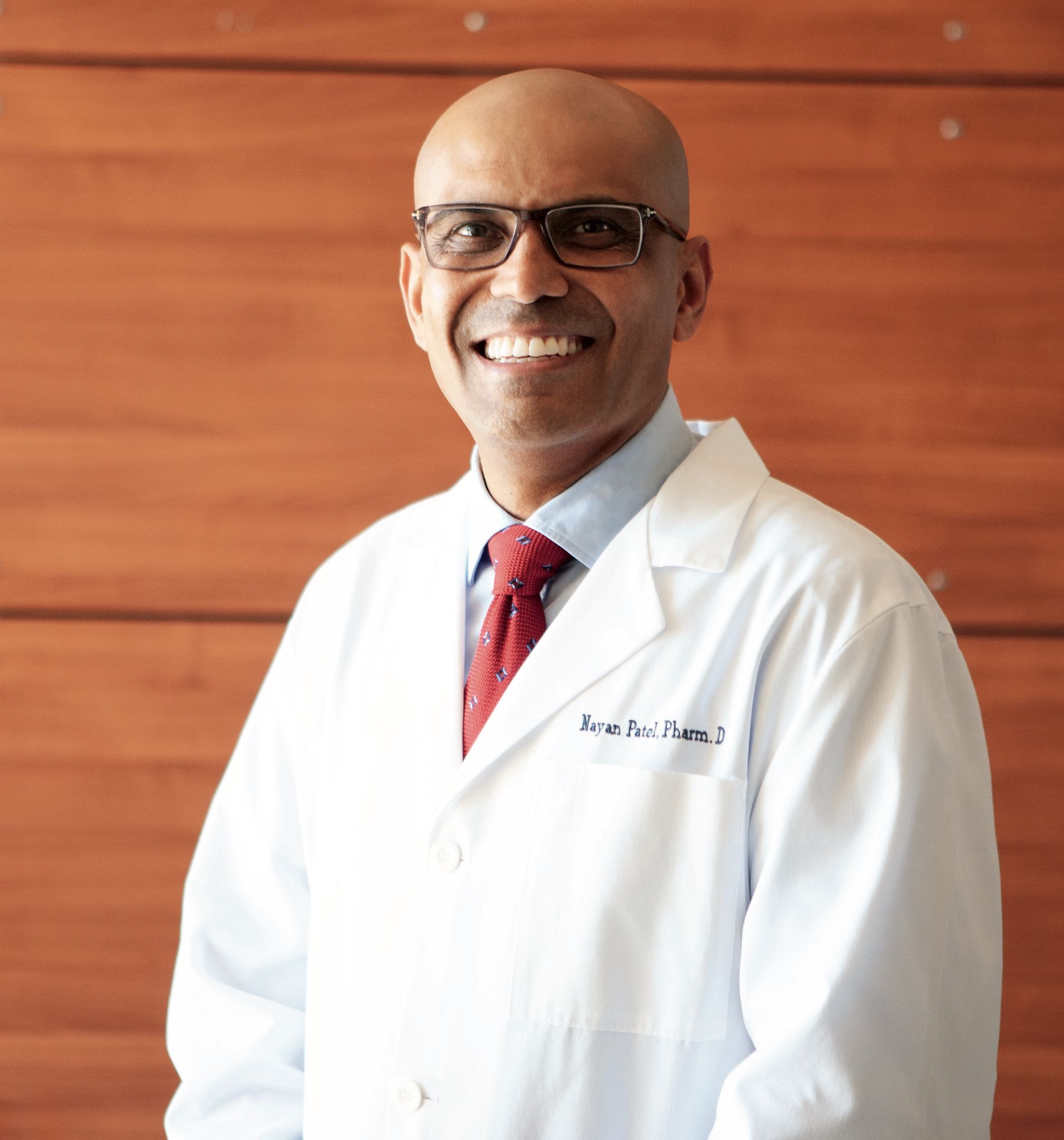
DR. NAYAN PATEL is a sought after pharmacist, wellness expert, and thought leader in his industry. He has been working with physicians since 1999 to custom develop medication for their clients and design a patient specific drug and nutrition regimen. He has been the pharmacist of choice to celebrities, CEOs and physicians themselves. He recently published his first comprehensive book, The Glutathione Revolution: Fight Disease, Slow Aging & Increase Energy. After 11 years of clinical research on the master antioxidant, glutathione, Dr. Patel and his team developed a patented technology to deliver Glutathione topically, changing the game on how best to absorb GSH systemically. From this technology he additionally developed The Auro GSH Antioxidant Delivery System to create a skincare line to deliver antioxidants more efficiently and effectively than ever before at potent concentrations.
Want to learn more about this week’s guest?
Website: https://aurowellness.com
Social Media: https://www.instagram.com/Aurowellness/#
https://www.tiktok.com/@auro.wellness?_t=8nrXA1jnFeM&_r=1
https://www.facebook.com/aurowellness
https://www.youtube.com/@aurowellness
More about this month’s sponsors:
Thank you to this month’s sponsors for partnering with our show and helping you make your swaps with their special offer:
Ausclimate’s highly recommended range of WINIX Air Purifiers is the ideal solution for cleaner, healthier indoor air. Easy to use, reactive features and settings with a truly comprehensive 4-5 stages of purification, including Hospital Grade True HEPA Filtration and Winix’s unique PlasmaWave® technology. Perfect for smoke, dust, pets, viruses, bacteria, household odours, and allergies (covering a variety of allergens). Breathe easier, sleep better, and feel better. Winix; is the most complete air purifier on the market!

Offer: Ausclimate is now giving all Low Tox Life followers an EXTRA 10% OFF their already discounted prices. Simply enter the discount code of LOWTOXLIFE on check out via: https://www.ausclimate.com.au/
This discount can also be redeemed for over-the-phone orders verbally.
Website: www.ausclimate.com.au
Facebook: www.facebook.com/Ausclimate
Instagram: www.instagram.com/ausclimate


About Bio-First?
Genuine, natural products that actually work. Non-toxic skin care products, specifically formulated to help with a wide range of skin issues: skin prone to Eczema, Psoriasis, Acne or Blemishes, Rosacea, chronic skin distress and visible upset. Hundreds of real customer reviews for all types of use cases.
The No1 thing you’ll see in a sea of five-star reviews on their website is this:
“I had tried so many creams, medications, diets, cleaning products in the house… we tried everything to address our eczema… finally, something that works.” I’ve heard from lots of low tox community members, too. So good. Skin challenges can really bring you down and cause so much stress and pain, I get it.
20% off Blemish Ban range, including Blemish Ban bundles with your code, LOWTOXLIFE and if you have any questions, feel free to ask in the comments.
Alexx x
***
Title show track, by LIOR.
Love the podcast music? You will hear excerpts from Lior’s track “Caught Up” – go check it out on iTunes or Spotify if you want to hear the whole song or album, Scattered Reflections. Co-written with Cameron Deyell, it’s a great song and I love the reflective energy of it – perfect for the show, right? Enjoy. Lior is always touring, so do check out his website. It is wonderful to hear him sing live, trust me.
Low Tox Club – The place to bring your low tox life to life.
Want to join a community of like minds and enjoy all the perks of being in the Low Tox Life inner circle such as an online membership platform, 50% off all our Low Tox courses, an awesome chat group, my monthly Q&A, and special guest star interviews for just $49AUD ($29USD/28EUR/23pounds) per YEAR? We have created a special place and set of resources to help you achieve your goals and it’s a wonderful place to be – MORE DETAILS AND REGISTRATION HERE.
***
If you would love reading like me or you just simply want to go through the full transcript, you can check below.
[Alexx Stuart] (0:00 – 9:16)The power of reducing your oxidative stress on your life and health span. That is today’s show. Hello and welcome to the Low Tox Life Podcast.
I am Alexx Stuart, your host. Today’s show 424. Here we march on through the 400s team.
And I want to thank you for joining me. We’ve had an uptick of reviews, five star reviews on Spotify. I’m starting to see them finally creep up.
If you listen to podcasts on Spotify, can you give us a hand there? Because we’re on iTunes for so many years and we’re doing great there. But I would just so love that.
Thank you. It’s like tipping your bartender, right? Today’s show is awesome.
We have Dr. Nayan Patel, a pharmacist by trade, who was really frustrated once he was in the flow of being a pharmacist after going to one of the hottest universities in the US and feeling like he was just managing sick care. And he, of course, studied to do that and really wanted to move on from there, discovered the science of compounding, the science of compounding nutrients and not just pharmaceuticals, and then began a love of increasing people’s health span. So not just prolonging people’s life through medication and management of disease, but actually looking at how we can turn the tables back and go back to achieving homeostasis, which living in a high-tox world, it’s very hard to avoid toxins of some kind.
And after a few decades on earth, it catches up with us one way or another, and we find it harder and harder to balance back. So today’s show, we’re actually exploring glutathione and oxidative stress reduction and how glutathione helps us do that. And what I love about Nayan’s work, you guys know me, I’ve never allowed anyone to pay to be on the show because they have a brand or a hot product.
They have to have done something exceptional. And I was curious about Nayan’s work in glutathione because I can’t take glutathione supplements. They always make me breathless and short of breath.
And there’s a sulfur component to that, which I now understand. But I was curious to know whether his technology was different. And as I looked into it, I was like, wow, this is actually really, really impressive research, work, results, and how much the man knows about glutathione is what the bulk of the show is.
And coming back to what I said about what I love about his work is he’s not there to just sell product. Absolutely not. That’s like a, if you need it, it’s there.
However, he focuses hugely on some of the building blocks. And we talk about cysteine today. And it’s not just about taking it in a supplement form, like an N-acetylcysteine, but how we can get it from our food to actually help us manufacture our own glutathione into healthier, more sustained levels, because it actually passes through our system quite quickly.
It’s a fascinating, nerdy health show today. That’s what I’m going to say about that. And I cannot wait to hook into it.
He’s written a brilliant book on glutathione as well, and is the founder of Aura Wellness. The glutathione revolution is about fighting disease, slowing aging, increasing energy. How good?
And of course, not slowing aging as in like it’s bad to age. I’m very age positive, and I think it’s a gift and a privilege. It’s more about slowing that I feel like crap phase of life and delaying it significantly.
That’s what he’s passionate about. And you hear his passion come out. And you hear me challenge him a couple of times on a couple of things that I think were blanket statements.
You guys can always count on me for holding people to account, so that I understand what he meant by what he said. And you’ll get that clarification a couple of times during the show. I’m going to hook into it in a little minute.
It’s a brilliant chat. I think any practitioner, especially, or someone who’s got a chronic illness picture or is on permanent medication might really enjoy understanding and learning about more. And we can’t do this show without our brilliant partners.
BioFirst is a partner this month. They have a fantastic new blemish ban range for hormonal changes that women experience throughout our lives. Pregnancy, postpartum, also then interperimenopause and menopause, just when you thought the pimples were gone.com.
I wrestled with one myself. The last two weeks, if you guys listened to the show live, you would have heard me say, oh, you know, it’s not really a product I need. My teenage has stolen it.
My skin’s fine. And then came the most massive pimple on the side of my, just next to my eye. It was horrific.
So blemish ban, thank you. Sorted it out. And actually, it was amazing.
It was like a two, three day event. And this was the kind of pimple that would have had a journey of about 10 days, usually if I’d gotten one of those a few years ago. So I can now personally attest to it working as well as my teenage son stealing it and loving it.
But really, you know, our skin is often what people see, and it can make us feel extremely low confidence and anxious if it feels bad, and it doesn’t feel nice to be in your skin. So definitely check out the blemish ban range, 20% off Code Lotox Life, and it works on the bundles as well. And my pro tip there is that that is how you can also get 20% off the Manuka Skin Saver, because that’s in one of the bundles with the blemish ban gel and the blemish ban toner.
The Manuka Skin Saver is an all round genius of a product with a very rich content of Manuka in the mix. And I can’t tell you how many times it has soothed a sunburn or a rash. It’s a brilliant, brilliant cream to just have at hand.
And also really wonderful for people who need to calm the farm who are experiencing acne or a wave of breakouts of some kind. So you have that offer, and that is an international offer. And then of course, you also have AusClimate, our major partner.
We’ve started doing some educational reels on humidity, moisture control, and mold prevention. And of course, you are now going to learn through that on Instagram at Lotox Life, if you’re not following me there already, a lot more about how to use dehumidifiers, when to use dehumidifiers, sizes you might need, what you need based on your floor plan. I am going so detailed because it is the number one thing I get questions about in my DMs, in our membership.
And that way I can help everybody and save it to the highlights under mold so that you know that those reels will always be there if you need some more information on them. So come follow me for that. That’ll be rolling out and that’s not going to be brand specific.
I get there are people that live all over the world listening right now. So it is actually just going to be about the literacy piece on preventing mold and excess moisture in the home. And of course, protecting our belongings.
Tons and tons of tips coming. So 10% off Code Lotox Life gets the Aussies and the New Zealanders the 10% off even already on sale units for dehumidifiers, Winix air purifiers, air circulators, heaters, portable air conditioners. Their range just keeps growing exponentially, which means you keep getting more and more savings across those appliances if you need them.
Now let’s talk oxidative stress and glutathione. I’m so excited to bring you this chat and I hope you learn a ton. Enjoy.
Nyan. Hello. It’s great to have you on the show.
Absolutely. Thank you for having me today. I first want to ask you as a pharmacist by trade, I know you moved into a space where you recognized along with doctors that you could partner together to individualize the patient experience through compounding and personalized medicine.
What was that journey for you? You know, we all study the books at uni and it’s all quite, you know, and then we think we’re just going to be dispensing things in a chemist or pharmacy. What made you realize that pharmacy could be a lot more?
[Dr. Nayan Patel] (9:17 – 10:29)So, you know, I did not. I did not. I went to one of the top two universities in the United States, in pharmacy school back in the mid-90s.
And when I graduated, when you graduate from a top university in the world and you expect to change the world, and I was told that, no, you don’t have to change the world. You’re here to manage people’s problems with medication. I guess, wait a second.
I had all this education to just dispense prescription medications and not actually solve any problems. I said, you know, I built a space. I’ll do it for a couple of years.
But then after a couple of years hit, I said, no, gosh, no, this is not the right thing for me to do. So I started looking into, okay, you know what, I’m just going to go other end. And from there, the easy transition was to just, let me just make customized medicine for everybody.
Same prescription areas, nothing going to outside the core my competency and just design medications for my elite patients on how they can better themselves with custom compound medication. So that’s what I started doing at first.
[Alexx Stuart] (10:30 – 10:37)And what kind of things were you doing? Can you kind of unpack that so we can get an example or two and really understand? [Dr. Nayan Patel] (10:37 – 10:43)
So my, all the people that are coming to me, I, I, so I hate dealing with sick people, unfortunately. [Alexx Stuart] (10:45 – 10:47)
Interesting line of work to find yourself in. [Dr. Nayan Patel] (10:47 – 11:09)
When I say people don’t want to get healthy, it’s not because the thing is they don’t, they don’t, they don’t want to is that they don’t know the know-hows or the belief structure is so far away from the truth that it’s for me, it’s very hard to pull them back in. Let me give an example. So when you’re born, you’re perfect.
No diseases.
[Alexx Stuart] (11:10 – 11:11)Yeah. [Dr. Nayan Patel] (11:12 – 18:31)
But most of us are, most of us are perfect. Yeah. We have no problems whatsoever.
And then we introduce to you some food. You go with life with very healthy habits and every single thing. And then something changes, right?
About 18, 19, 20, you go to universities and you go to colleges and you, you pick up some bad habits, you drink alcohol. And so the, and still not bad yet. The body is, every time you eat a food, you expose it to chemicals, you expose to toxins, your body’s adjusting, adjusting, adjusting, and you basically bring it back to homeostasis, basically back to normal.
Adjust against, bring back to normal. But every time it’s adjusting, it’s moving the needle further away towards becoming sick, right? Eventually, eventually the days are going to come, maybe at the age of 30, 35, in some cases earlier, but a day is going to come where your lab tests are showing some sort of abnormalities, nothing out of range yet, by the way.
If your cholesterol is this much, where it’s too high versus too low, and you are inching towards getting towards the high side, it’s not out of range yet, but it’s going towards the wrong direction. The doctors tell you, well, Alex, take care of it. Nothing to worry about yet.
Just watch your diet and you’ll be fine. Well, I’ve been watching my diet. It’s not improving any better.
So what happens that over time, the body stops adjusting because the body has given up on you. I said, hey, there’s only so much things I can bring it back to, back to normal. Now the markers are changing.
By the time the markers are changing, you still are invincible because nothing’s wrong with you. Eventually the markers are out of range. When they go out of range, in some cases you feel the, you feel the effect of it.
In most cases, there is no effect of it. What if your cholesterol is a little bit high? Nothing’s going to go wrong.
What if your sugar is a little bit high? Nothing’s going to go wrong. What if your blood pressure is a little bit high?
Nothing’s going to go wrong, right? But that’s the onset of the problem. And then from that point onwards, if you don’t fix it right away, the body gets deteriorated and deteriorated and deteriorated.
And by the time the doctor intervenes with you, you’re 20 to 30 years out of having the initial problem. The issue now is that when you go out that far and you still, you do the medication, how far can you go back? You cannot go back to childhood.
There’s no way you can go back to childhood. There’s no way you can go back to where your body stops adjusting and it starts giving you markers. You’re going to a point where your markers are out of range and now you’re within the range.
You’re out of range, within the range, out of range, within the range. That’s what the whole thing is all about. And that’s a small pen where people are going in there where the real key is going on the other side where there’s sanity, longevity, healthspan, and your body’s a perfect homeostasis.
At the same time, if you think about today, people want to live to 120. It’s not even a, I was asked this question even yesterday. I said, Sunay, if you had to put a number, how long do you think you’re going to survive?
I said, you know, if I think back, my parents had already had disease at the age of 35 and 40. They already were diagnosed with diabetes and arthritis and blood pressure issues by all my families, right? Myself, my mom and dad, my wives, my in-laws, they all had some sort of disease.
My in-laws had a heart attack at the age of 40, right? And so if they’ve already diseased this state for another 30, 40 years, so that’s a lifespan. As I look at it, once you’re diagnosed with a disease, you have 30 or 40 years to live.
I don’t have any disease right now, none. I don’t have my blood pressure issues. I don’t have a cholesterol issue.
I don’t have any sugar issues. All my biomarkers are extremely low. I check my genetic markers are very good conditions.
I have no epigenetic alterations in my body and I feel fantastic. So as of right now, I don’t guarantee you that I’m going to be at least 40 more years, but that goes 93. Now, if I don’t get, if I follow the path that I’m choosing for myself, and if I can stay disease free for another 15 years or so, I’m well over 115, 110.
And so when I say that I can probably figure out a state to 120, it’s not even a question. I say, you know what, I think that’s doable today. People like me are all over the place right now.
They’re much more healthy than I am. They’re in very good shape than I am. And they expect to live to 120.
The only reason they can live to 120 or above or even more is if they have no, if they have a good healthspan. So then I go look back, I said, okay, what are the top 10 causes of death in the world? Can I avoid all of them?
Whoa. Well, that’d be a miracle, right? So one of them, out of top 10, one of them is accidents.
Unfortunately, there’s nothing I can do about the accidents, right? So let’s take it out of the picture. The other nine causes of death is all of them is linked to oxidative stress.
That your body’s oxidative stress is increasing, leading to cancers, leading to metabolic disorders, leading to diabetes, leading to autoimmune conditions and infections and so on and so forth. So if all top 10 cause of death in the world is linked to oxidative stress, my number one job is what? Figure out a way how to reduce oxidative stress, keep it low at all times throughout my life.
If I can do that one thing, I can delay the onset of diseases. I can delay when I’m going to die. That’s, that was my epiphany I received back in 1999 and everything I started working on was one molecule because at that time, if you think about it, oxidative stress, there’s only three things you can do to reduce it.
Three things. One, you can take outside products like vitamin C, vitamin E, CoQ10, C60s, methylene blue, cholera tablets, and oh my God, there’s a slew of products, they call them antioxidants. Okay.
Bucket number one, all the products in bucket number one, everything. Okay. Bucket number two, a body produces gluothyl peroxidase enzymes, superoxide dismutase, another enzyme, catalase, another enzyme.
Those three enzymes, what I call the bucket number two. Bucket number three, a body produces a tripeptide called gluothione. Okay.
If you combine bucket one, which is all the antioxidants in the world, the bucket two, which is the enzymes, you combine them together, gluothione works far more superior than those two buckets combined.
[Alexx Stuart] (18:31 – 18:38)Wow. And you said tripeptide. Can you unpack the three amino acids playing into it? [Dr. Nayan Patel] (18:39 – 19:24)
So, well, nowadays people know peptides, what peptides are. 25 years ago, nobody knew what peptide was. So today we’re talking about peptide.
The name gluothione comes in because somebody discovered this thing back in the 18th century. But the three amino acid coming together to make it one small peptide, they named it gluothione. The three amino acids are glutamine, glycine, and cysteine.
Cysteine is the least abundant molecule produced. So that’s the least amount of molecule that you get from a diet. So if you just eat cysteine rich foods, your body can unpack the cysteine, use that to produce its own gluothione and you have to live for the rest of your life and not have to take any supplementation whatsoever.
[Alexx Stuart] (19:25 – 19:30)And what are those foods? Where could we be focusing to get that? [Dr. Nayan Patel] (19:30 – 20:51)
Okay. So my mom told me to stay away from questions that are out of your wheelhouse. So I can’t talk about politics, religion, and diets.
People have their own diet plan. So I’m not going to tell you what diet plan is good for you. What I’m going to tell you is that if you just put your favorite search engine or your AI robot, ask them the question, please give me cysteine rich food.
And you’re going to get a list of vegan choices, vegetarian choices, carnivore choices, your paleo choices, your keto choices. I don’t care what diet plan you follow. You can get choices from every one of those diet plans.
They all have it. Your job is to pick and make sure that that food is your diet every single day. Not once in a while, not three times a week.
It’s every day. Because gluothione is the ultimate building block in your body. It’s the most abundant molecule produced in the human body.
And it does the most amount of work in the human body. And by far, I strongly believe that after air and water, your body needs the most amount that it needs is gluothione. And if you have all three things in your body, nobody can kill you.
Awesome.
[Alexx Stuart] (20:52 – 23:07)Okay. And so except for accidents and malicious crime, let’s just say. So hopefully those two things aren’t happening now.
I’m very interested then in some of the things that we perceive to be completely normal, either culturally or, you know, I’m thinking like environmental toxins, like mold that you see in your house or a water damage leak. You don’t think, oh my gosh, my gluothione levels. You know, I had to, because I experienced and have done numerous times since unfortunately water damage.
So I know the relationship between depletion there. I also have experienced not an addiction, thankfully, but a three, four, five, six year period of migraines in my late teens, where I was given by very well-meaning doctors and adults in my life, a lot of painkillers. And when I say a lot, I was probably at a point in my early twenties where I was taking a box full of a Masindo kind of type painkiller a month, a box, like a small box, not one of those mega boxes you say now, which I’m horrified by, but you know, say 24 tablets.
Now that is a heck ton of paracetamol based painkillers. And I knew much later the impact on the liver and gluothione of doing that for that long. But the problem Nian is I’m lucky to be a creative thinker who started to think, but this can’t be right and go looking, but such is our culture, but most people don’t go looking.
And so we are left with these ill health disease states without even realizing there might be something on the other side. And that makes me really sad. It’s part of why I have this podcast to just help people see you got options, like maybe look into this.
Can you talk about some of those things that we either see as normal or are very frequent in a modern life that are depleting our gluothione stores? Absolutely.
[Dr. Nayan Patel] (23:07 – 23:44)So the question you asked me about paracetamol, so FDA in the United States have approved the use of anacetylcysteine, which is amino acid to improve gluothione levels to work with the toxicity of paracetamols or acetaminophen in the United States. It’s the same drug, right? It’s the only drug approved by FDA in the United States ever.
So, and you’re right, 24 paracetamol, it’s absolutely destroying your liver completely. If you eat 50, you won’t even wake up the next day.
[Alexx Stuart] (23:45 – 23:56)Oh, I didn’t take them in one day, by the way. Oh my God, thank you. Over the course of a month, like say three migraines a month, and then two days of hammering a couple every eight hours. [Dr. Nayan Patel] (23:56 – 24:01)
Oh, trust me. Are people taking 10, 20 pills a day? [Alexx Stuart] (24:01 – 24:23)
Oh my gosh. No, I never deviated. The thing I find interesting is I never deviated from what it said on the box.
Okay, good. I take issue with the fact that what it says on the box still ain’t great if you don’t have an end point to it and you’re just allowed to keep picking it up and no one’s following you on that journey because it’s over the counter.
[Dr. Nayan Patel] (24:24 – 25:23)Yeah, if it’s more than eight pills per day, it’s absolutely toxic to your liver and there’s a very good chances that you may even die from it too, like instantaneous death. So it’s a very, very toxic product that’s in the world. Yes, and it does affect your liver immediately, but that’s not the only product.
There’s so many chemicals, drugs that are out there that depletes your glutathione level. The biggest one is the cancer drugs, right? So there are those old chemotherapy, cisplatin types of chemotherapy drugs, which are very, very common for breast cancer patients to use it all the time.
Breast cancer is a very, very common cancer all over the world and so they use this taxol and cisplatin all the time and that particular product depletes the glutathione levels to zero. You know, in fact, don’t have to go to cancer therapy drug. Guess what else depletes the glutathione levels to zero that 21-year-olds is taking right now?
[Alexx Stuart] (25:24 – 25:26)21-year-olds, alcohol. [Dr. Nayan Patel] (25:27 – 25:34)
Yeah, alcohol. Alcohol is actually depletes the glutathione levels to zero with one drink. Really? [Alexx Stuart] (25:34 – 25:39)
For how long? Can we measure that by hours that it’s depleted? [Dr. Nayan Patel] (25:39 – 26:18)
Four to six hours. Four to six hours. So like sugar.
But still, you know, 10 years of that and you got a problem. You have a problem, right? And I’m fortunate to work with some oncologists who’s dealing with liver cancer patients all the time and we are working with them to see if they can enhance the likelihood of them surviving from liver cancers with some glutathione type supplementations.
And I says, it’s good, but it’s not going to be enough. You cannot push your body out too far to the point where you can’t come back.
[Alexx Stuart] (26:21 – 26:49)And so people listening who are going through cancer treatment right now and have made the choices they’ve made, and far be it for either of us to say whether that’s a right or wrong choice, are you saying though, that it’s critical that we bring in glutathione to mitigate some of the damage of those drugs while being on them? [Dr. Nayan Patel] (26:49 – 29:06)
But that’s a very controversial statement, right? Because for me, because the research that’s out there right now, so until I started working on my technology of delivering glutathione to the human body, all the technologies that exist in the world could be intravenous form of injections of glutathione or some liposome technology products of glutathione. All those products were actually not getting absorbed by human body.
They’re all getting broken down. And so the body was only taking the cysteine molecule from those products, using that to produce its own glutathione endogenously, which is inside your mitochondria. Now, cancer cells does not produce your own glutathione.
They hijack the mitochondria and takes away all the glutathione from there. So if you’re producing more because you’re eating glutathione, it takes away more. So the researchers said that if you give glutathione, you’re actually feeding the cancer.
And partially that might be true. Partially that might be true because that was the theory they had. But then when I started working with a different technology product that we have, all of a sudden the chemotherapy was actually working better because it was protecting the other cells from getting damaged.
And we can figure out why, right? Even today we do not know why. So I say right now that use with caution, work with your oncologist to see what’s right for you, what’s not right for you.
Not all chemotherapy will deplete the glutathione level. So some may not. Yeah, you mentioned older generations specifically.
Yeah. And so currently, and by the way, glutathione by itself, it is not anywhere close to helping getting rid of cancer. So make sure you understand that part.
If you decide to do anything else and just do glutathione, it is not going to solve your problem even a little bit. Okay. It’s going to protect your healthy cells, but the cancer cells is going to do nothing.
So I just want to make sure people understand that just don’t, okay, I can drop my chemotherapy. I’ll just go do this one. No, please don’t do that.
[Alexx Stuart] (29:07 – 29:21)Yes. So could we say that it’s important to work on restoring glutathione after any kind of intensive medical treatments you might’ve experienced? Oh my God.
Absolutely.
[Dr. Nayan Patel] (29:21 – 29:38)Yes. And not just chemo, but anytime you go to surgery, your body’s going through so much stress. If you’re going through any radiation therapy, if you’re going out in the sun for too long, you know, I don’t know.
I’m not sure if you guys like to sunbathe, but if you do, that’s not a good thing.
[Alexx Stuart] (29:39 – 29:43)It’s definitely part of the Australian culture. We’ve got a very hot sun. So yeah. [Dr. Nayan Patel] (29:43 – 29:51)
So yes, sun is supposed to be, sun is not so hot in the United States. I don’t know why. No, it’s the same sun, by the way.
It’s the same intensity.
[Alexx Stuart] (29:51 – 30:35)It’s the same sun, but there is just something about when, and overseas people visit and they think they know their sun tolerance. And then in Australia, they’re like, okay, no, no, no. For some reason it’s lower.
But I think it’s interesting because the sun gets a bad rap in recent medical literature, but in very recent medical literature, there’s a nuanced discussion being had about the critical importance of sun, which I think is really important to acknowledge that we’ve made this, hold on. It’s not that all sun is bad. It’s just that we need to be wiser about how we get out there and when, and we do need it.
[Dr. Nayan Patel] (30:36 – 31:18)So here’s the thing I’ll tell you. Glutathione is reduced form in the body, gets neutralized, the free radicals gets oxidized. Oxidized glutathione stays in the body for a little bit longer.
And when the energy comes back to it, it can become reduced again. But energy comes from, guess what? Sun.
So sun is actually not bad for you, but after 10 minutes or so, direct sun exposure, it’s bad for you. Okay. A little bit of exposure is not bad for you, right?
So you cover up the rest of the body. You have a little bit of exposure out there, and that’s plenty enough to get your body the sun it needs to do all the chemical reaction and your job is done.
[Alexx Stuart] (31:18 – 31:22)Yeah. Especially that morning sun, which is not dangerous sun. [Dr. Nayan Patel] (31:22 – 31:44)
So that’s the good morning sun is actually not even painful and not even burning your skin at all. It’s like the morning, the evening suns are a little bit on the calmer side. And so those are not so bad, but even in the mid day, when it’s scorching hot, if you’re out for five or 10 minutes, it’s not a bad thing.
Is this overexposure to sun is what I’m talking about.
[Alexx Stuart] (31:45 – 32:28)Okay. So with glutathione depletion, how are we, we’ve talked about food and I love your tip to just literally get out there, type your diet in and then what foods that you are eating are rich. And so we focus on that.
There are a lot of different supplements for sale on the market and lots of different forms. You can get it in capsules. You can get it in combined supplements, you know, antioxidant formulas.
You can get it as a liposome form. You can, you can get it injected. As you said, where have you landed on the most effective administration of glutathione?
[Dr. Nayan Patel] (32:28 – 38:03)All right. So let me just tell you about glutathione supplementation in terms of how would you increase the glutathione levels in your body? Yes.
Great. The first thing you got to do, the first thing you got to do is stop your expenses. Ooh, yeah.
Right. So stop drinking alcohol, stop getting exposure to overexposure to sun, start getting, reducing exposure to chemical toxicities, unhealthy makeup and unhealthy chemicals inside your, for haircare products and your dishwashing soaps and laundry detergents and the cleaning supplies in your house, all those things. Go as eco-friendly as possible that is not toxic to your body because it’s all dipping glutathione levels.
Food, food, try to stay away from meats that have heavy metals in them, right? So fishes, chicken that have the arsenic streaks in there, those are bad for you and things like that. So avoid doing, bringing harm to your body that’s dipping glutathione is the first thing you do, right?
Second thing you do is make sure your diet has cysteine rich foods in every single meal of your day, every day. If you do those two things alone, your body can produce glutathione for the rest of your life. Unfortunately, our modern day conveniences, we have cell phones, we have cars, we have planes, we fly, we expose to pollutions and toxicities.
I’m not saying don’t do that, don’t go into some remote part of Australia, just live on a deserted island, no, that’s not the answer. You live in a society, but knowing that your glutathione levels are getting depleted starting about the age of 30, 35, they’re getting depleted. You may not have any diseases, you may have no conditions, but the levels, when they get depleted, you start to get a little bit of fatigueness kicks in, a little bit of foggy thinking kicks in, a little bit of joint pain kicks in, sleep distortion kicks in, and of course, you’re gonna blame the environmental factors that, hey, I just got married, I just had a kid, I just have a new job, I just have a new house, I just got out of the college. You can blame all the external factors, but in reality, your body’s not keeping up with your demands, okay?
And so then all the symptoms are kicking in, and so your glutathione is actually depleting already, starting depleting already. So then the supplementation comes into place. And so 140 years, we have known about glutathione now.
And if you just put any, I don’t know, shopping mall, online shopping mall that sells glutathione supplementations, you’re probably gonna find thousand different products that are out there. And I will tell you, none of them actually works, none of them actually absorbs. The only one that is approved by any agencies in the world is N-acetylcysteine, N-A-C.
N-A-C is approved in the United States since the 60s to improve glutathione levels, and it can improve the glutathione levels, decent levels, not high normal, but decent levels, enough to get you out of the trouble and back out of the hospital. It’s only used in the hospital setting, it’s not used for general use on a daily basis. Because there’s two things that’s a problem.
Your body actually does not absorb glutathione, the body has to make its own glutathione only. You cannot take it from outside sources and just take it as is. It’s not like you eat a piece of steak and the muscle from the steak is gonna get into the muscles in your biceps.
Good analogy. The body breaks it down, absorbs all the amino acids, take the amino acids, combine those together, make it into a human muscle fiber. Okay?
That’s how it works. You cannot just take a muscle and take it and put it in the muscles in your body, it doesn’t work that way. Same thing with glutathione, it’s a peptide, the body doesn’t take the peptide, put it out and just put it in the cells to use it up.
No, it breaks it down, absorbs the amino acids, and produces its own glutathione. And so the research suggested that, hey, we should use an injectable form. In 1991, there was a study done in the United States where they took 10 people and injected them with glutathione.
And what they found out was within five to 15 minutes, all the glutathione was in the urine. Everything. Wow, that’s quick.
Nothing. Yeah, because it stays in the plasma, never into the blood cell, and the plasma gets filtered by the kidneys every five to 15 minutes, and it’s all dumped inside. But then they waited and waited, and almost one and a half to two hours later, they saw a rise of cysteine in the blood.
So in the urine, the body was breaking down the glutathione and absorbing the cysteine out of there. Oh, wow. It was doing like triage.
Yeah. So cysteine was getting reabsorbed in the body. And about three hours later, they saw a rise in glutathione levels.
Okay. So wait a second. So here you paid $50, $100, $200 for a shot of glutathione.
The body breaks it down into amino acids, absorbs cysteine, and it’s being used to produce its own glutathione. Guess what? Save your money.
Just use cysteine, and the body will mix it all. Mm-hmm. Cysteine is cheap.
It’s very, very cheap.
[Alexx Stuart] (38:03 – 38:07)Yeah, it is. We can buy it as a supplement here in Australia very easily. [Dr. Nayan Patel] (38:07 – 39:31)
All right. So wait a second, but let me finish up all the answers. Maybe cysteine is not the answer for everybody either.
So number two choice was the next best technology was liposome technology. So just full disclosure, I made liposome technology product back in 1999. I was one of the pioneers in this liposome technology when it comes to nutraceuticals.
This was about 25, 26 years ago. Okay. I made the product.
I made a whole bunch. I made vitamin C, CoQ10, glutathione, PQQ, SZN. I’ve made a bunch of products like these.
And what I found out was the glutathione was actually not working on everybody. And I said, this is such a powerful molecule. It should help everybody.
Why is it not working? Something is not right. And I could not figure it out.
I could not figure it out. For the love of my life, I could not figure it out, right? I said, okay, fine.
I dumped the project. I sold the vitamin C and all those things to other companies. So they started making products, and they started selling the products.
I got out of the business of liposomes. And I started working on different technology to see if I can improve glutathione levels. So you can take NAC.
It’s an FDA approved product. Great. It works.
IVs, the body will convert into cysteine, and cysteine gets reabsorbed, and it makes its own glutathione.
[Alexx Stuart] (39:31 – 39:34)Yeah. It seems like a bit of a roundabout way now that you explain. [Dr. Nayan Patel] (39:34 – 40:14)
It’s a roundabout way. Yeah, yeah. I want to find out is that even with those people, it did not work on everybody.
And at that time, we didn’t have the technology to see why it was not working. Today, we have a technology. We can figure out if you have a gene mutation that you cannot conjugate and make your own glutathione correctly.
It’s called GSTM, GSTP, GGT. If you have one of those enzyme defects that you cannot conjugate and make your own glutathione, you can give all the supplementations in the world. And if your body breaks it down, and it cannot make you attach it up again, you’re out of luck.
[Alexx Stuart] (40:15 – 40:17)And does that go for NAC as well? [Dr. Nayan Patel] (40:18 – 40:25)
For those people? It goes for NAC as well. It goes for NAC as well.
Okay. So that was, I don’t know until recently, okay?
[Alexx Stuart] (40:25 – 40:30)And do we know what, approximately what percentage of the population that is? [Dr. Nayan Patel] (40:30 – 40:39)
It’s a very small bit, between 5% and 7% only. But the thing is, we have not tested everybody yet. It’s like if you asked me a hundred years ago, how many people have diabetes?
Oh, a very small percentage because nobody tested them.
[Alexx Stuart] (40:39 – 40:48)Yeah. Well, and 1 in 25, 1 in 20 is still significant. Like that’s a lot of people walking around.
There’s a lot of people.
[Dr. Nayan Patel] (40:48 – 40:57)With master on antioxidant issues. Well, the thing is they don’t have it when they’re bored. It’s a mutation that’s happened later in your life. [Alexx Stuart] (40:57 – 41:11)
Got it. So could, okay. So could it be that someone who took a lot of Tylenol style products in their twenties, then has a polymorphism develop epigenetically?
I do not know about that one.
[Dr. Nayan Patel] (41:11 – 41:21)No, that means you’re assuming that the Tylenol is the one that’s causing the gene alterations for the GGT or GST, which I don’t have the correlation for. [Alexx Stuart] (41:21 – 41:22)
We don’t have the answer yet. [Dr. Nayan Patel] (41:22 – 43:28)
No, we don’t have the answer for that one yet. But I do know that if it does happen, like for example, if you have a breakout genes for breast cancer, it doesn’t mean you have breast cancer at this point. But if the genes for it, so the conditions are right, you’re going to get breast cancer.
So the conditions are right, your body can’t produce glutathione. And then you see the people just go down really, really fast. You get some weird cancer and die within two years.
And I’ve seen those cases so many times that they say, oh my God, he was such a healthy, person and boom, he got one disease and just went down really, really fast and just gone. Because the alteration of genes is what’s happening at the later on in your life. So my goal was, hey, is there a way to bypass all your barriers and get the glutathione inside your body?
So at that time, back in the early nineties, Dr. Anthony Fauci, I don’t know if you know him, but Dr. Anthony Fauci was actually working on a technology to deliver antiretrovirals for HIV patients using sugar molecules. Of course, he failed miserably, but he spent billions of taxpayers dollars to bring this technology into the market. And I picked up his work and says, hey, you know what?
I can use a technology to deliver glutathione, right? But I have two barriers. Skin is a physical barrier and the cells is a chemical barrier.
I know if I go through my mouth or through my stomach, the body’s just going to break it apart. Everything’s just going to be broken apart. The enzymes and acids we have is going to break everything apart.
So I had no choice but to go through other mouth completely, right? I can do nasal spray, but it’ll burn because it’s acid. The pH is very, very low, so it’ll burn my nose off.
I did try that too, by the way, so it didn’t burn my nose.
[Alexx Stuart] (43:28 – 43:32)I’m glad you put yourself out there for science, Nayan. Thank you. [Dr. Nayan Patel] (43:32 – 45:47)
But so it’s not going to work. So I knew the only choice I had was the skin route. But I had two problems.
The physical barrier, I had to bring the particle size small enough and glue that as a large molecule, right? And so we use a technology to literally twist the molecule and we twist it because it’s a peptide. It’s like a small three amino acid chain peptide, which is not a protein yet.
The protein is like 50 to 100 peptides, amino acids coming together as a protein. This is a small peptide. So we just twisted it.
When you twist it, it gets smaller and smaller. Ah, I got my job done. Get through your skin.
The bigger problem was the chemical barrier. The cell wall is not going to take it. Oh, it’s good for you.
Give me amino acids, I’ll make my own gluathione. So there’s our second dilemma. But what do the cell wants?
Cell wants sugar for the mitochondria to process it, to produce ATP. So it needs carbohydrates, sugars, but I can’t give you sugar because it’ll give you diabetes. So I had to figure out an inert molecule that is basically acts like a sugar, goes in the body, doesn’t do anything, and it just comes right back out again.
So that’s what I use. Go back to Dr. Fauci’s work from the late 80s, early 90s, where he was working on this dextrin technology, polysaccharide molecules. So we took this molecule, there are a bunch of those molecules.
I had to figure out the most inert one and see if I can use that. So I played around with it. So we had to combine two or three different types of dextrin molecules.
And we put the sugar molecules and we stuffed inside with gluathione because the particle size was too small now, we were able to stuff it in. When we got that in, it went through your skin, it went through your cells and within seconds was inside your body, inside your cells. And for the very first time, I mean, you apply over here and 15 minutes later, you do a blood draw and the levels are sky high in the red blood cells.
Mm-hmm.
[Alexx Stuart] (45:47 – 46:12)And so this is very different than to someone being given a liposomal pump of glutathione as a supplement from their naturopath or an IV at their integrative doctor that costs an absolute bomb. So what is it like, how do people, I mean, we’ve got details in the show which is fine. [Dr. Nayan Patel] (46:14 – 48:10)
It’s a topical product. It’s a topical glutathione product. It smells funky, just please don’t get me wrong.
I know glutathione always smells funky. It’s a smell. The thing is the smell, I cannot get rid of it.
If I get rid of the smell, all the power of glutathione goes away. And I tell all my customer calls, I say, hey, can you do about the smell? I say, you know what?
I’m glad you’re not a doctor because if you cut open a human body, it doesn’t smell like roses from inside. Please take my answer as is, because if you want to smell like roses, then it’s not a human body. A body from inside stinks.
It’s a really foul smell, right? And so the smell is just part of the signature of what glutathione is. So please ignore that.
Unfortunately, the dextrin, the sugar, the polysaccharide molecule that we use is very sticky on your skin as well. So, it’s sticky and smelly. It’s not the best product.
Yeah, you’re really selling it there. I know, I’m really trying to, I’m really trying to. I think I’ve sold a couple of people so far.
But it absorbs so fast. The smell goes away, the stickiness goes away. If you just rub it in for about a couple of minutes, everything is in your body.
And for the very first time, your body gets, oh my God. It’s like, you can have a job and you can, if you need money, you can go work for somebody. And two or three weeks later, they’ll send you a check.
You go to the bank, cash the checkout, and now the money’s in your wallet. Versus, here’s the money in your wallet straight up for doing nothing. Right?
It’s amazing. Now, if I give you more money than what you need, you become lazy and don’t do anything. But if I just give you enough money for you to survive, you’re always working hard.
[Alexx Stuart] (48:11 – 48:18)And so, how does one decide for that individual how much they need? [Dr. Nayan Patel] (48:18 – 49:31)
So, that’s what I did. So, when I first discovered this in 2007, I could not lose a part of the public because I had no idea what to do with it now. And no pharma company is going to touch it right now at this point because it’s not their product.
They’re not going to touch anything. So, I went back and I started doing all the kinds of trials. I started with the doctors.
I said, okay, how much to give you? Because keep in mind, my number one goal was what? Bring the oxygen stress down to as low as zero as possible without getting to zero.
Because once it gets to zero, your body becomes lazy, and lethargic, and tired, and fatigued, and all kinds of things would happen to you. So, I want to be one or 0.5, but not zero. Okay?
So, how low can I go in every human being without getting any problems? Right? And what if it gets to zero or negative?
What could happen? So, I already gave you both answers for those things. Right?
So, first thing I did was I started giving people the dose that I thought was the IV dose, which is half a gram to one gram per day. And oh my God, I had reactions up the wazoo. I had so bad reactions.
I said, it can’t be right. So, I started doing some blood tests.
[Alexx Stuart] (49:31 – 49:35)So, this is you doing it to yourself as the very first test? Yeah, of course. [Dr. Nayan Patel] (49:35 – 49:57)
Of course. Yeah. Okay.
So, then I applied, do the blood draw, and then I called one of the doctors I work with and said, you know what? Just send me some products. I’ll do it myself.
So, he started doing it himself. He started putting different doses. And what we found out, our needs are actually very small.
We only need about maybe like 100 milligrams twice a day. Wow.
[Alexx Stuart] (49:57 – 50:01)And twice a day because of its lifespan in the body? [Dr. Nayan Patel] (50:01 – 50:26)
It uses up very, very fast. Right? If you’re very, very healthy, you may go to get it once a day.
Like today, myself, I’ve been using it for so many years. I only do once a day. But I do more than 100.
I probably do like 150, 180 milligrams once a day only at this point. But I’ve known what my needs are. Right?
And I’ll share with you how to see those needs.
[Alexx Stuart] (50:26 – 50:32)Yeah. I was going to ask because you mentioned reactions. What were the negative impacts of such high amounts? [Dr. Nayan Patel] (50:33 – 52:54)
Yeah. So, once I did that low dose, I got the high levels on almost everybody. Right?
Now, if you are diseased, your needs are even higher. Right? So, about three years ago, I launched another product with a higher concentration for that as well.
Because I’ve seen a lot of people have so much autoimmune conditions and cancer patients and a lot of metabolic disorders and their needs are higher. I said, you know what? I’ll make you a higher concentration product too.
But what happened was that if you’re otherwise healthy, and if you take too much of glutathione, either you have stomach cramps, diarrhea, headaches, rashes where you apply the product, or extreme fatigue. I mean, fatigue to the point where you can’t get out of the bed for a day. If that happens to you, two things.
One, first of all, the body’s not able to handle all this release of toxins out of your body. There’s way, way too much release. So, work with your body, slow it down.
Okay? Two, is that the dose is too much for you to handle regardless. If you’re extremely healthy, it’s way too much for you.
Just cut back a little bit of the dose and you should be okay. Right? So, we thought that 100 milligrams, which is roughly about 0.5 ml of the liquid, is all you have to apply on a twice a day basis to get the levels that you’re looking for. But once I started getting the results, it took me another 12 more years to see all the data coming through. Hence, I wrote the book, The Glutathione Revolution. It’s all my work for the first 12 years after I discovered the product and before I released the product to the public.
Because I haven’t released the product yet. I had no intention of releasing the product until I was ready. You know, like scientists, you’re never ready.
You’re always learning more things. So, I said, you know what? Let me write the book first and at least people will start learning about the glutathione, all my work first.
And then the pandemic hit and I was getting calls from everybody saying, hey, release the product, release the product, release the product. And so, 2020, we kind of released the product prematurely. We had no packaging, no bottling ready, but we let the public have the product.
And 2021, we actually officially launched that company.
[Alexx Stuart] (52:55 – 55:12)Wow. Well, congratulations. It’s an incredible body of work.
And I think, you know, in reading the book and chatting with you now, there’s obviously two conversations being had in the world about glutathione. There’s the technical, on paper, obvious need for, and then everyone goes and supplements it. And then there’s the technical, on paper, obviously super important.
How do we actually get it into a cell? Because that’s the conversation you decided to explore. And that’s really cool.
Can I ask just a question? Because glutathione has always been interesting. Well, been interesting to me for the last eight, nine years, because I became incredibly unwell living in a water damage building for a number of years, unbeknownst to us.
So the oxidative stress picture was, I mean, I think I had about 28, nine symptoms, horrific symptoms, palpitations, twitching, tremor, spasm, like, I mean, heart, tachycardia, arrhythmia, like so many horrific things. I genuinely thought I was going to die. It was so bad.
And I remember my naturopath at the time saying, my gosh, you need, oxidative support. Let’s get you quercetin. Let’s get you glutathione.
Let’s, you know, start giving you some battle soldiers in there. But every time I pumped the glutathione, I felt like I was having an asthma attack. It’s like, I couldn’t breathe.
And then she wanted to give me glycine because that was going to help me with my sleep. But that put me to sleep, like worse to sleep, exhaustion, which was why I found it really interesting. You talking about fatigue there as it’s almost like sometimes too much.
And I know glycine is one of the amino acids that plays into glutathione. So do you have a comment there? Because in, since that experience and in talking to other people as a supplement, even though after speaking to you, we now know the, the limitations and in fact, ineffectiveness of a lot of what’s on the market, but do you have a comment on that?
Because a lot of people have said similar things.
[Dr. Nayan Patel] (55:12 – 57:42)So I, I have lots and lots of customers that are using it for mold infestations. They’re coming from physician’s offices because I’m also in the lecture circuit to educate doctors about mold and biotoxins and how to deal with it. I’m also a pharmacist.
I also have pharmacy. I still make medications even today’s day. So, so I still get to see on both spectrums, right?
So the pharmacy, I’ll wear my lab coat and I’ll go, go back and, and treat with medications. I’ll give them binders and, and something to do with all the mycotoxins. And on the other hand, I’ll take my lab coat off.
And as a, as a, as a consultant, I’m also having them take glutathione to help build up your own immune system. So what you’re experiencing is, is, is a detox reaction that your body’s not able to handle it. Two things can be done.
Either increase your dose on your binders. So I’m assuming you’re taking the charcoal binder or cholestyramine or something like that. Increase the dose on that.
So you’re binding faster, more efficiently, or reduce the glutathione to what your body can tolerate. Once you know what you can tolerate, you slowly, slowly increase every four to seven days to the max dose. And it will take you about two to three weeks.
But once you get to the max dose and you have no symptoms, that’s when the cleanup starts really. And after that, it’s just a matter of a couple of weeks after that, and you see the full blown effect of glutathione on your body. It’s not going to get rid of mold for you, but you’re going to get rid of the energy levels are up back again.
Your sleep is getting better. You’re breathing better. You don’t have any issues like those that are debilitating when it comes to mold attacks.
Unfortunately, the mold is something that’s going to be there for the rest of your life. So it’s not going to go away. So you’re probably going to need help from immune boosters like glutathione for the rest of your life.
A lot of my patients also have issues, similar issues, when they drink red wine because they have sulfite allergies. Can you speak to that? That’s interesting because a lot of people have that.
A lot of because they get flushing when they drink a glass of red wine, the whole face becomes red tomatoes.
[Alexx Stuart] (57:43 – 57:50)Or people who eat cruciferous veggies and then they clear a room with bad farts that smell like sulfur. [Dr. Nayan Patel] (57:51 – 58:40)
So what they’re having is what we call them as sulfite allergies. And so the glutathione is not a sulfur drug. It smells like sulfur.
It’s not a sulfur drug at all. But what it does, it binds and gets rid of the sulfur components out of your system. I have so many customers.
First of all, I tell them not to drink red wine, but of course, they want to drink red wine. After 30 days of using glutathione, guess what? They can drink a glass or two without getting the flushing and redness anymore.
They feel so happy because now they can go to parties and don’t feel like they’re embarrassing themselves. And so that’s what we have been using. So I have a lot of patients that there are sulfur allergies and they can take the glutathione product without any concerns or problems whatsoever.
[Alexx Stuart] (58:41 – 58:52)Amazing. So if someone wanted to try supplementation, key is to start very small to the point where you don’t experience an adverse effect and then start slowly building up. [Dr. Nayan Patel] (58:52 – 1:01:56)
So that’s another thing. I get this question from oncologists right now, right? That which person do you know is going to have an issue with it?
So those people can start low and go higher, right? And I’ve treated people that are completely healthy and people that are completely sick, right? Chemical sensitivity is extremely sick.
I don’t give it too much because I’m going to break out rashes. I’m just going to go crazy. Versus I’m so healthy, give me whatever you got, right?
And I’ve seen on both people, I can take a healthy person down and get them bedridden for a day. And I can get a sickest person and nothing happens to them. So I have yet to figure out who is the ideal person that needs to start a low dose and go higher.
And I have not figured that part yet. So I tell everybody, start on the recommended dose, four sprays, about 0.5 ml, use it twice a day. And for any reason you get a headache, stomach cramps, diarrhea, rashes, fatigue, stop it, go back down the second day on the lower dose, see if your body can tolerate that part.
If the answer is yes, stay on it for about three to seven days, then increase it to a little more higher dose again, and then go back to the full dose again. And so if you can do that way, that’s the only sure thing I know as of right now. Unfortunately, you have to suffer for a day, but at least I’ll know that you’ll be out for recovery very, very soon.
And if you get any symptoms like these and you go back and then come back up to normal again, you’re going to have the most profound effect in the next 15 to 30 days after you get on the full dose. So these are my evangelists, so to call, or my raving fans, because they feel such a difference in their life that they feel good. I had one lady in Germany that she used one spray only, one-fourth the dose, which is the smallest dose I have, and she was knocked out in the bed for two days.
Wow. Two days. And I get a call and said, I’m so sorry, I cannot take this product because I only use one spray and I’ve been knocked out.
So for that one person, I made her another product at no cost to her, half the concentration. And I told her, use that product once a day, one spray only. And she was able to tolerate that part.
A month later, I get a call from her saying that, hey, I’m back to four sprays twice a day, but I’m not feeling any effects now. I said, lady, I knocked you out in one spray. Now you’re feeling fine.
You’re expecting miracles at this point. Just hang in there right now. Now it’s a path of recovery.
Now it’s a path of recovery. So yeah, people forget the good days and the bad days too.
[Alexx Stuart] (1:01:57 – 1:02:16)Yeah. And I think what I’m hearing is that there are two phases of supplementation that are working on detox pathways, which is the phase where you’re actually building into creating the stage to being able to detoxify and then the actual detoxification taking place. [Dr. Nayan Patel] (1:02:17 – 1:02:21)
True. It’s a phase one, phase two, and glutathione affects both the phases. Yeah. [Alexx Stuart] (1:02:21 – 1:02:58)
Wow. Okay. Well, I feel like I could talk to you about glutathione for another hour, Nyan, but thank you for your time.
It was a really interesting deep dive into something a lot of people hear a lot about and think that they should be on it, but that has given us a really interesting look into the many ways we can make sure that what we’re doing is useful. And my favorite one was something everyone can start from today, which is to look at your toxic inputs and reduce or eliminate, and then increase your sustained foods. I love that because everyone can start that today.
[Dr. Nayan Patel] (1:02:58 – 1:03:01)That’s the easiest way to do it. If you allow me, I can share a story with you. [Alexx Stuart] (1:03:01 – 1:03:02)
Yeah. Yeah. Do it. [Dr. Nayan Patel] (1:03:04 – 1:05:04)
I want to share a story about my father at the age of 78, which was about 13, 14 years ago. He was diagnosed with chest pains, went to doctors, and of course his heart was completely blocked. He didn’t get an infarction, he didn’t get a heart attack, but he never put a stent in there because he couldn’t even walk, right?
It was completely 100% blocked, and the doctor goes, oh, I can’t believe you’re even alive today. Keep in mind, at the age of 78, he had diabetes for almost 35, 40 years, arthritis for 30 plus years, blood pressure issues for that long, a little bit on the heavier side. Over life was decent, and if you look at the score, if he was living versus surviving, I think he was more linked to surviving and just passing his time on this planet.
About that time, I had discovered the gluathione, and I was studying on the gluathione, and I figured out what the dose was going to be right dose for all my patients and everybody else. So of course, dad, you’re patient number one. There you go.
Let’s get you started. He was my patient number one, and I’d share this story with you because I want to give people hope that it’s okay to have diseases. It’s okay to have all those things.
It’s never too late, right? Because at the age of 78, I started giving him some gluathione. About two or three years later, I was watching him eat dinner one day, and he was pounding on sugars and carbs.
I said, dad, why are you eating so much sugar? Your sugar is going to be out of control, and now you have to deal with this toxicity of sugars in the future. Oh, no, no, no.
My sugars are fine. I said, what? Yeah, my sugars are fine.
It’s been fine for almost a year, a year and a half now. My A1C is very, very low. I got no problem.
I said, I don’t trust you. Yeah.
[Alexx Stuart] (1:05:04 – 1:05:07)Did you literally ask to see his blood work? You did. [Dr. Nayan Patel] (1:05:07 – 1:06:00)
Yeah. So he said, oh, yeah, it’s on my cell phone. So he put it on his cell phone.
I said, log in. I said, give me a face. I’ll log in the system.
And I checked his blood work up, and his A1C was actually back to normal. I said, dad, have you been testing your sugar? He said, yeah, yeah, yeah.
It’s fine. I’ve been testing. I stopped testing like three, four months ago, because it’s never gone high anymore.
And he goes, wait a second. I said, how about your diabetes pills? Oh, that’s also gone.
I’m using one pill a day right now, because the doctor doesn’t want to take me off the one pill. I said, okay. I said, okay, okay.
I’m okay with it right now. I said, but dad, just sort of make sure that you walk every single day, because I know you have arthritis, but I want you to walk every day, because that will keep your sugar levels low as well. So don’t give up on walking, exercising every single day.
I said, walking? Here. He gives me his phone.
I look at his app.
[Alexx Stuart] (1:06:00 – 1:06:01)His step count? [Dr. Nayan Patel] (1:06:01 – 1:06:05)
Yeah. Step count. Six miles per day he was walking. [Alexx Stuart] (1:06:06 – 1:06:06)
Wow. [Dr. Nayan Patel] (1:06:06 – 1:09:03)
And I fall back. I said, wait a second. Six miles a day.
I said, there’s nothing I got left to talk to him, right? I said, dad, keep up with the good work. I don’t know what to say.
But you know me, I never put two and two together. I didn’t think, because I was still researching. I was still finding out different things.
I was so much into my own work, and I myself was not healthy, right? And so I was not doing good myself. I was just working too hard, and just, I look at my dad.
I said, dad is getting healthier, and I’m still the same, but I didn’t think about that too much. Another year or two goes by, and then he comes to me. I said, you know what?
I went to my chiropractor, and it says that my knees are given in. That’s why my hips is out of shape. So I should get a knee replacement done.
I said, okay. I said, he’s already 84 now, right? I said, oh, shoot.
I said, what am I going to do with the knee replacement? I went to an orthopedic surgeon, and the surgeon goes, oh, my God. I said, his knees are completely deformed, and he has no pain.
I said, no, he has no pain. I said, oh, my God. It’s like, it’s really, really bad.
I said, yeah, for 40 plus years, of course, it’s bad, right? So he goes, yeah, I recommend to replace both his knees so we can do one knee at a time, and my dad goes, oh, no, both knees at the same time, because I heard the stories that if you do one knee, I’ll never come back for the second knee because it’s so painful surgery. I said, but if you do both the knees, there’s nobody to take care of you.
You’re 84 years old, and you won’t be able to go to the bathroom. You can’t do things. If something goes wrong, you’ll be out of luck.
My dad goes, no, both knees at the same time, and so he convinced the doctor to do the knees at the same time, but the doctor says, okay, fine, and so I looked up. I said, how do I prepare my dad for surgery? So I got him a bicycle to get on the bicycle every day, 30 to 60 minutes a day to get his quads very strong because then when the surgery is done, he won’t be able to use his limbs, so he can get deteriorated, the muscles get deteriorated, so I said, let me prepare you for the surgery, and he was such a good sport, he cannot walk, but he was on the cycles every single day, making this crooked noise in his knees, but he was just going at it every day, right? So long story short, he got the knee replacement done.
Two days later, 48 hours later, he’s walking out of the hospital on his own, two days later, right? And of course, the nurses were shocked. I said, what?
I said, yeah, it’s painful, but he’s walking, he’s walking, literally walking in two days, right? So the nurses put a Superman shirt on him. I said, oh my God, this guy’s amazing, right?
Then he put a shirt on him, this physical shirt, right? He said, hey, you’re a Superman, right? And of course, he got a kick out of all these things because he’s here to renew life, right?
And he comes home. He started having physical therapy. A nurse comes every week to get him to walk.
Within the first 30 days, he was already walking a mile and a half.
[Alexx Stuart] (1:09:04 – 1:09:07)That’s incredible for an 84-year-old guy. [Dr. Nayan Patel] (1:09:08 – 1:13:54)
And then what happened was the doctor says, well, don’t think about doing anything right now because this is a slow recovery. At this age, you’d be lucky if you could travel in six months. Three and a half months later, he was in India traveling already.
By the way, my mom passed away 25 plus years ago, so he was single. At this age, he was single, picks up his bags and goes to India. He goes to Africa.
We have a place in Africa as well. So he goes to Africa. He goes to India, traveling the world.
And I tell the story because after he started his gluathione, after his infarction and stent put in there, no medications whatsoever, just using the gluathione alone, he started coming to all vacations with us. He came to us to Yosemite National Park for hiking. He went to Hawaii for seven-day excursion.
He went to Costa Rica for a 10-day excursion with us doing rappelling and whitewater rafting and all those things. He went to Australia for two months and New Zealand for two months. Went to the Glacier Mountains over there and just walking every single thing.
He went to Alaska. He went to Alaska over there, too. I mean.
That’s a pretty good story for patient number one. It’s a very good story, right? And then last year, he was in India traveling the world.
Again, he was in India. This was again in February. So he was traveling the world, enjoying his life, eating his street foods like he normally does.
But this time he got some stomach bug and he got diarrhea from it. I said, Dad, please don’t eat the street food. You know, you get bugs from those things.
You know, just eat warm food. Go to the restaurants. You’ve got plenty of money.
You have nothing to worry about. Go to nice restaurants and just eat some good quality food. And of course, yeah, yeah, yeah, I got this covered.
Don’t worry about it, right? He got diarrhea. We got loose bowel movements and they got dehydrated.
And the next morning in the shower, bam, he falls down. He broke his skull. He broke his skull on the back of it, right?
Goes to the hospital. I get a call. I said, son, don’t worry about it.
I’m fine. Look at me. I’m fine, OK?
I know the head of neurosurgery for NFL over here in the United States. And so I called him up. I said, my dad just fell down in India.
And I said, oh my God, is he coherent? Is he OK? I said, yeah, he’s fine.
He seems to know every single thing. There’s no loss of memory. I said, good.
Don’t do anything yet. Give me a couple of hours, OK? In a couple of hours, I get a call from India from a surgeon.
I said, hey, so-and-so doctor sent me to see your dad. I’m here with your dad. And I just want to let you know how he’s doing.
I said, oh my God. There’s already somebody watching him already. He said he’s fine.
He said there’s internal bleeding going on, but he has no loss of memory. On the surface, he looks like perfectly healthy, 89-year-old, perfectly healthy. No problem whatsoever, right?
I said, if he survives for the next three or four days, he’ll be fine. Don’t worry about it, right? So I tell the stories because at the age of 78, he was barely surviving.
For the last 12 years, was he surviving or living his life? He’s living his life. He’s living his life, right?
That’s what everyone does Oh my God, everybody deserves that part. And so as soon as the surgeons left, my dad said, see, I told you, nothing to worry. I’m coming to US next week.
Don’t worry about it. Don’t come over here. I’ll come by myself.
I had nothing to worry about. He called everybody, called my family, calls his sister, he calls his brother. And he looks at, oh my God, it’s too late.
I said, I’ll call and talk to you tomorrow. Puts his phone down. He never wakes up again.
And my heart goes out for him. But at the same time, don’t you want to die that way, where you talk to everybody in good conscious and happy and healthy and laughing and joking, and you sleep and you never wake up again. But it’s not just the last day.
It’s the last 12 years of his life. He took every vacation he wanted to do. He did everything he wanted to do.
He did not say, he will tell me, I said, hey, if you book a vacation, make sure you book a seat for me with you guys. Don’t leave me alone over here by myself. I’m coming anywhere you’re going.
And he was such a good sport that he did everything we wanted. If we would do, he would do it with us. Didn’t matter.
Did not matter. He’ll do with us. A little slow, but he’ll do it.
Doesn’t matter. And so he lived his best years of his life in the 80s. And so I tell the stories because I know that people out there listening, they have given hope that, hey, I already have all these problems.
I just pray to God to just take me peacefully. And I tell you, no.
[Alexx Stuart] (1:13:55 – 1:13:58)Yeah, we set a very low bar for ourselves, don’t we? [Dr. Nayan Patel] (1:13:58 – 1:14:45)
Yes. And I tell everybody, trust your body. Your body has a stronger will to survive than you do.
Your body is resilient, is made just so perfect. Embrace your body. Do the right thing for your body.
You can give up alcohol. You can give up sugar. You can enhance glutathione levels.
Drink water. Stop eating all the other, stop drinking all the other junks. And guess what?
Your body responds positively. It will let you enjoy your life once again. And that’s my prayer to everybody that’s listening today, that please do not give up hope.
Do what it takes to survive. Do what it takes and trust your body. The body is more stronger than you think it is.
[Alexx Stuart] (1:14:46 – 1:15:02)What a beautiful story and prayer to end on. Thank you so much. And I look forward to publishing this and getting it out there and sharing your work with other people.
So make sure you guys check out the show notes.
[Dr. Nayan Patel] (1:15:03 – 1:15:05)Thanks, Nehan. Thank you. Thank you very much. [Alexx Stuart] (1:15:05 – 1:18:01)
I hope you loved today’s show as much as I loved bringing it to you. I want to remind you that if you are someone who craves a low-tox community that is judgment-free, full of empowerment, has health professionals and building health professionals that can support you, as well as me in there answering questions multiple times a week, I want to invite you to join the Low Tox Club. For the price of less than a cup of coffee a month, you have an annual membership for $49 Australian.
So it’s about $30 US or Euro that allows you to have a member masterclass every single month with a health professional or global expert from the podcast where we have them to ourselves for an hour to ask questions and deep dive further. You have the beautiful supportive chat group. You have Q and A’s with me, me answering questions.
We read books and talk about them and a whole bunch more. You can head to lowtoxlife.com, hit the explore tab and join the club is the very first option on that list. Of course, we have over 10 evergreen courses that you can jump into anytime, whether it’s navigating everyday low-tox swaps with our Go Low Tox Signature Course, whether you have kids and you’re wanting to know how to best support them our Low Tox Kids Course, whether you’re planning a family and looking at a healthy low-tox preconception journey, reducing inflammation, especially the chronic kind with our Inflammation Ninja Course, many, many other courses. You can again head to lowtoxlife.com, hit the courses tab and you’ll see all of the options, which includes a business course, my Low Tox Method Program. A lot of people don’t know, but I was doing a lot before starting Low Tox Life in 2009 and I was a business consultant across hospitality, health, retail and cosmetics. I have been in business consulting for a very long time. So I absolutely adore helping people move into the low-tox space or develop their low-tox businesses.
So that’s a way I can support you. And then of course, there’s our wonderful social media communities at Low Tox Life on Instagram and of course the website with over 250 gluten-free recipes, blogs, downloadable PDFs to help you navigate wanting to get rid of synthetic fragrances in your school or office. I could go on.
So head to lowtoxlife.com, see what takes your interest or fancy. And thank you so much for being a part of our podcast community. I love, love, love reading your reviews.
I appreciate every follow and subscribe. And I want to just remind you to finish off that if there’s anything you heard that you found interesting from medical or scientific perspective, it is intended as education only. Please always chat to a health professional who knows you and your situation best.
I’ll see you next week. Bye.
