





About this show:
What Matthew England, who is a “Scientia” Professor at UNSW (ie: renowned globally as the top expert because of his research and contributions to the subject) didn’t know would happen when he chose his field of study, Oceanography in the late 80s, would be that he and his colleagues would quickly have to become climate scientists.
In this week’s show, we discuss:
- The ocean’s role as an absorber, filter and producer (think of our liver: Overloaded? Stops functioning effectively and all hell breaks loose!)
- “But it’s just a natural cycle” – a popular phrase often touted and how we can better understand why the picture today is not normal…
- Mel Gibson’s example of ice in a glass on Joe Rogan getting air time
- All that mould and humidity increasing in the past decades? Climate change. Meet “tropification”. 🤯
- Transitions and navigating a path forward – is an ‘a-political approach’ possible?
I hope soon that instead of arguing if it’s real or not – we debate instead the best ways forward and make climate a-political, and for gosh sake, stop vilifying cows and revering plants as ‘evil vs good’. WASTE and ultra-processed food trumps any whole food you could ever pile on your plate regarding climate impact. I know many people feel conflicted because of the climate conversation being made to ‘be’ a certain way often. It doesn’t have to be but it also doesn’t mean we need to choose the ‘it’s a hoax’ either.
Here’s to getting clear on the basics with one of the world’s best. SO grateful Matt could share his knowledge with us. Check out his bio:
Matthew England is Scientia Professor of Ocean & Climate Dynamics at the University of New South Wales Centre for Marine Science and Innovation, Deputy Director of the Australian Centre for Excellence in Antarctic Science, and the global Academic Lead of the International Universities Climate Alliance (IUCA). He previously held appointments at CSIRO Australia, and the CNRS in France. His research focuses on large-scale ocean circulation and the influence of the oceans on regional and global climate, from the tropics to Antarctica, spanning time-scales of seasons to millennia.
Want to learn more about this week’s guest?
X: @ProfMattEngland
LinkedIn: https://www.linkedin.com/in/matthew-england-faa-fagu-51725b323/

Alexx Stuart
Founder of Low Tox Life and the Low Tox movement
Join me on Insta @lowtoxlife
Want to support the show?
Free option: Leave a 5 star review wherever you listen to Low Tox Life – thanks SO much!
Paid + Member PERKS: Join the Low Tox Club – monthly practitioner live masterclasses, a suite of low tox store discounts from around the world and the most supportive and lovely chat group on all low tox topics on the internet: Check it out and join here for just the price of a coffee per month! https://www.lowtoxlifecourses.com/offers/YzLXThRQ/checkout
***
Thank you to this month’s show sponsors for helping you make your low tox swaps easier:
@ausclimate gives you 10% off their range for the whole of 2024, with brilliant Winix Air Purifiers, the best Dehumidifiers I’ve ever used and their new energy-efficient heating range. code LOWTOXLIFE https://bit.ly/ShopAusclimate
And @weledaaustralia kicks off from March 31 throughout April – A huge 20% off sitewide with the code LOWTOXLIFE. Grab your favourites, make your swaps to a global leader in regenerative practices that produce powerful skin and health results. Enjoy!
Be sure to join me on Instagram @lowtoxlife and tag me with your shares and AHAs of this week’s episode.
***
About Matthew England
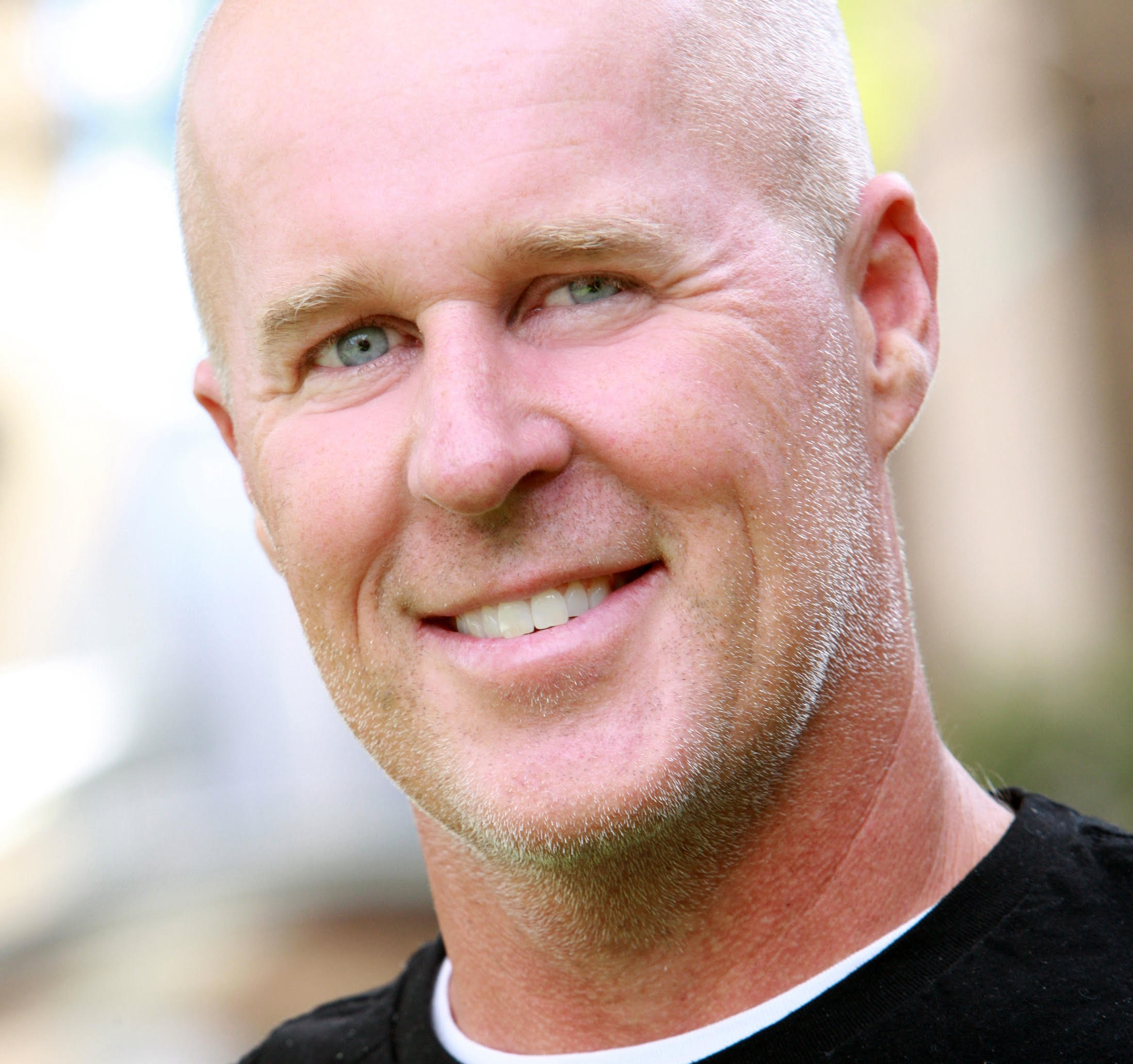
Matthew England is Scientia Professor of Ocean & Climate Dynamics at the University of New South Wales Centre for Marine Science and Innovation, Deputy Director of the Australian Centre for Excellence in Antarctic Science, and the global Academic Lead of the International Universities Climate Alliance (IUCA). He previously held appointments at CSIRO Australia, and the CNRS in France. His research focuses on large-scale ocean circulation and the influence of the oceans on regional and global climate, from the tropics to Antarctica, spanning time-scales of seasons to millennia.
More about this month’s sponsors:
Thank you to this month’s sponsors for partnering with our show and helping you make your swaps with their special offer:
Ausclimate’s highly recommended range of WINIX Air Purifiers is the ideal solution for cleaner, healthier indoor air. Easy to use, reactive features and settings with a truly comprehensive 4-5 stages of purification, including Hospital Grade True HEPA Filtration and Winix’s unique PlasmaWave® technology. Perfect for smoke, dust, pets, viruses, bacteria, household odours, and allergies (covering a variety of allergens). Breathe easier, sleep better, and feel better. Winix; is the most complete air purifier on the market!

Offer: Ausclimate is now giving all Low Tox Life followers an EXTRA 10% OFF their already discounted prices. Simply enter the discount code of LOWTOXLIFE on check out via: https://www.ausclimate.com.au/
This discount can also be redeemed for over-the-phone orders verbally.
Website: www.ausclimate.com.au
Facebook: www.facebook.com/Ausclimate
Instagram: www.instagram.com/ausclimate


About Weleda:
Is a personal care upgrade or re-stock of your faves in your low tox priorities right now? You’re in luck if you’re in Australia, as you have 20% Weleda site-wide, from March 31st to May 3rd. Head here and use code LOWTOXLIFE at check out.
Today, Weleda is the world’s leading manufacturer of certified natural and organic skincare and medicines for anthroposophic therapy. As a pioneer of sustainability, Weleda has followed this trailblazing approach for 100 years. Weleda’s ethical business principles have been recognised with numerous prestigious awards, such as the German Sustainability Award, the Swiss Ethics Award, and the Green Brand Award 2020. Weleda processes several hundred raw plant materials, which are cultivated in the company’s eight biodynamic medicinal plant gardens or sourced from more than 50 long-term raw materials partnerships around the world. Weleda places great importance on ensuring that its supply chains are both environmentally and socially sustainable.
Weleda is a certified B Corporation, joining other companies that want to do business in a meaningful way. Weleda’s B Corp impact score is 106.8 (the median score is 50.8).
Enjoy the 20% off site-wide with your code LOWTOXLIFE and if you have any questions, feel free to ask in the comments.
Alexx x
Website: www.weleda.com.au/
Instagram: www.instagram.com/weledaaustralia/
***
Title show track, by LIOR.
Love the podcast music? You will hear excerpts from Lior’s track “Caught Up” – go check it out on iTunes or Spotify if you want to hear the whole song or album, Scattered Reflections. Co-written with Cameron Deyell, it’s a great song and I love the reflective energy of it – perfect for the show, right? Enjoy. Lior is always touring, so do check out his website. It is wonderful to hear him sing live, trust me.
Low Tox Club – The place to bring your low tox life to life.
Want to join a community of like minds and enjoy all the perks of being in the Low Tox Life inner circle such as an online membership platform, 50% off all our Low Tox courses, an awesome chat group, my monthly Q&A, and special guest star interviews for just $49AUD ($29USD/28EUR/23pounds) per YEAR? We have created a special place and set of resources to help you achieve your goals and it’s a wonderful place to be – MORE DETAILS AND REGISTRATION HERE.
***
If you would love reading like me or you just simply want to go through the full transcript, you can check below.
[Alexx Stuart] (0:00 – 9:45)Our oceans, the climate, and clearing up some of the common things we hear online to understand everything better. That is today’s show. Hello and welcome to the Lotox Life podcast.
I am Alexx Stuart, your host, accidental founder of Lotox Movement. And I’m thrilled to have you here today to welcome Professor Matt England to the show. I was devastated that I was missing the Ocean Festival in Bondi, which I love going to every year.
But when I saw in the PR release that Matt was speaking, I reached out and I said, hey, you don’t mind if I get an intro to Matt to have him on the show? Because I had seen a couple of things recently that really made me feel compelled to get someone who works at the, pardon the pun, coalface of oceanography and climate change to come onto the show and talk about the impact of the excess greenhouse gases as they relate to the ocean and discuss climate change in the broader sense and debunk a couple of concerning things I’ve seen online proliferate.
One being the Mel Gibson example on the Joe Rogan podcast. I’m not sure if you saw it. We’re going to be talking about that today.
And the other one being this phrase that we hear often and often not said by people who work in any kind of scientific field as it relates to climate change. The phrase, oh, but it’s a natural cycle. Natural climate cycles happen all the time.
And this is just one of those. So almost like a hands up in the air kind of statement, really, if you think about what that means, it’s saying, don’t do anything. This is natural.
We’ve just got to do the best we can to adapt with this cycle. And Matt actually gives us the science as well as the hope that it is not permanence necessarily, but we do need to take action. And we talk about some of the ways to do that.
His field is obviously not regenerative agriculture, something you guys would know by now. I’m very passionate about in terms of its role in desertification, ruminants roles in creating carbon sinks. If we farm in regenerative systems, all the different types of regenerative systems that I shared in my second book and guests that I’ve had on the show over the years.
And I really believe, though, that we needed an incredible person who’s not smug, not judgy, but just tells it like it is without any agenda to do otherwise, because he is purely someone who studies and works with many different types of scientists to debate, to research, to share findings, to see what’s floating to the top all the time. And these are the people who we need to look to. I’m really what’s one of the things I really loved about what Matt has shared on this show today is the fact that he brings in all the different types of scientists it takes to collaborate, share information and help each other understand different aspects to then come to conclusions.
And yet we live in a time where we trust a conversation podcast without any kind of pushback or evidence. And it really does quite blow my mind. So I felt really passionate about reaching out to Matt, and I was so, so grateful he made the time.
So he’s a scientia professor here at the University of New South Wales, my alma mater, political science, modern languages graduate myself about 30 years ago now. And what scientia means is he’s recognised at literally because of the magnitude of his body of work and contribution to the scientific global community. And having had that teased out, explored, picked apart, debated, pushed to clarify, still makes it to the top as the global leader on the climate as they as it pertains to our oceans and the oceans as they pertain to climate change, how they’re related, what’s happening, what the effects are, is there a chance of reversal of the damaging effects?
He’s the guy. And I’m so thrilled to have him on the show. So I’m going to hook into that in a little minute.
Thankfully, we always have podcast partners to help you with your low-tox swaps. Wellida are our feature partner this month, and they have brought out this beautiful range, which some of you will know as the Rose range, the smoothing range. But now you have this upgraded level of product.
So beautiful. Oh my gosh, guys. Rose has been my favourite.
I mean, I know they say age protect, and it’s for first signs of wrinkles. I never let this stuff go. I actually just keep coming back to it because it’s my fave of all time of the Wellida moisturisers, the smoothing day cream, the smoothing night cream.
They also have, of course, the smoothing eye cream and all the other wonderful things that you find at Wellida, 20% off with the code LOWTOXLIFE. But some of the things in the age protect complex are what they call the vitamin C effect. So this intense boost of hydration as an antioxidant and hydration at the same time, offering really amazing defence to all the environmental stresses in day-to-day life.
And so if you’re 25 to 45, I’m pushing 50, but I’m still using it because I love it. But that is the rough age group that we would say would be the target to use this particular range. There’s also the pomegranate range, if you’re more my age, and the beautiful peptides that are used in that to kind of take that skin protection to a whole new level, let’s say.
And of course, the skin food range, the gosh, I’ve forgotten the name of it, the beautiful blue pots. I’m not going to go into it. Explore the Wellida range, wellida.com.au. It is just for the Aussies, 20% off code LOWTOXLIFE. And I urge you to give the smoothing day and night range a try because I have personally loved it, I reckon for about 12 years. And while I do change my skincare up from time to time, I definitely find myself coming back to this one, especially if you live in a more humid climate and you want something just that little bit lighter, but that still performs, you’re on the money with this one. So you have that.
And of course, your all year round AusClimate, 10% off, sorry, there’s a dog barking in the background, with the code LOWTOXLIFE, dehumidifiers, air purifiers from the Winix range, and now air circulators, heaters, personal air conditioners, the range is growing by the day. It’s incredible. So enjoy that 10% off code LOWTOXLIFE and make sure you keep up with the reels that I’m doing.
I’m doing a series on humidity and moisture and mould prevention. And I’m picking different themes and exploring things just to give you the literacy and confidence when you do get an appliance like a dehumidifier, what the heck to do with it and how. So join me on Instagram for that, at LOWTOXLIFE.
And interestingly enough, in today’s show, we talk about humidity. Did you know that the East coast of New South Wales and Australia in general has grown to be 10% more humid in a process called tropification over the past few decades? So when we talk about the increase in need for things like dehumidifiers, the science is now literally telling us we cannot do without these things.
And for me, it really confirmed why mould is all of a sudden everywhere and a hot topic and we just can’t even, air flow’s not enough. Matt really was able to just out of nowhere, bring that piece in for us to understand maybe why mould is becoming a bigger and bigger problem. So let’s now start talking about the oceans and what’s happening out there and debunk some of the climate controversies that we hear regularly online.
I hope you enjoy it. I hope you share it with your friends. Thank you so much for listening.
If you’re a bit sceptical, I think it’s just so important that we always seek out people who work in the field and people who debate people who work in the field, but not separate debates in silos, please, because no one’s challenged in that setting. And I really push Matt to make sure we understand to make sure it’s not just a statement, but a why at every possible turn in this interview, which I hope you’ll hear come through. Enjoy the show, guys.
Matt, hello. How are you?
[Matthew England] (9:45 – 9:47)Hi, Alex. Great to be here with you. [Alexx Stuart] (9:47 – 10:05)
I love a good Friday afternoon date to save the world. Now, first question, I’m just going to jump straight in. Oceans, climate, obviously there was a science passion as a younger man.
How did you end up doing what you do today on this global scale?
[Matthew England] (10:06 – 11:25)Yeah, that’s a great question. It’s a circuitous journey I had. I actually went to university a while back, years ago, and when I was there, I was studying a bunch of different subjects, including maths and physics.
And I was probably headed to actually quite a mathematical degree, possibly going into academia and maths. But I felt this disconnect between the mathematical world and the real world. And I was just craving for some way to apply the mathematical knowledge and techniques to something more real world.
And just by pure accident, I was flicking through the handbook one day at the University of Sydney, and there was a picture of a wave, an amazing wave, of a surfer in a barrel. And I thought, these handbooks are usually just reams of a phone book almost, details of courses with nothing to really grab your attention. So this course in physical oceanography drew my attention, and it combined physics and maths with a study of the real world.
That’s how I discovered oceanography, kind of by accident. But it was also out of a passion that I have for the oceans. I love swimming and surfing in the oceans.
I’ve always loved marine life and understanding the ocean. So it’s a combination of the courses I was doing at university with this passion I have about understanding the oceans and how they work.
[Alexx Stuart] (11:25 – 11:29)And then where did climate change come into view? [Matthew England] (11:29 – 12:13)
Yeah, I mean, climate change basically hijacked my profession, if I can put it that way. When I started in around 89, 1990, that was the first couple of years of my PhD. And in 1990, we had the first intergovernmental panel on climate change report come out.
And that was back at a time when already scientists knew greenhouse gases were going up way too quickly, and it was going to change our climate system. And very quickly, the field of oceanography that I was so drawn to, which is basically understanding ocean currents and circulation, how it affects our weather patterns, it, I say hijacked, because no scientist ever sort of wanted this to happen. We didn’t sort of create a field of research, because we wanted, you know, or, you know, wanted to…
[Alexx Stuart] (12:13 – 12:14)You weren’t trying to monetize. [Matthew England] (12:14 – 13:03)
No, exactly. It’s like, you know, it’s like the profession, you know, people who studied lung health just got taken over by looking at the health impacts of smoking. Oceanographers worldwide suddenly had to take account of this massive sledgehammer that we were taking to our climate system.
We were actually loading the atmosphere up with greenhouse gases to such an extent that the world was warming so quickly that the oceans were also warming quickly. And that was changing ocean circulation, changing climate patterns, changing sea levels, and impacting ecosystems in a way that even back in the 90s, a lot of researchers needed to start taking that into account. Fast forward to today, and it is the biggest change to our oceans ever recorded.
[Alexx Stuart] (13:05 – 13:16)And when did you see, given you were studying it when climate took over oceanography, when did you see politics try to get involved? [Matthew England] (13:17 – 14:53)
Pretty early on, because unfortunately, there’s a big perception that, you know, take down economies or mean, you know, changes to people’s lifestyles. And actually, nothing could be further from the truth. The action on climate change creates new economies, it creates jobs, growth in jobs.
If we sit on our hands and just do nothing different, you know, with no technological innovation, you know, you don’t grow an economy that way. You grow it by finding new ways to do things. That’s, you know, developing an electrified vehicle fleet.
It’s by going to solar and wind and battery storage to create energy free of pollution, free of greenhouse gases. So all these things that we can do to stop climate change actually benefit the economy, they benefit human health. And, you know, it was the lobby group, actually, of the fossil fuel sector that wanted to extend their time in the sun.
Clearly, a lot of money has been made of digging up coal, oil and gas and burning it. But those companies need to wind down or change over to renewables to stop climate change. And we already know that solar is way cheaper than coal for producing energy.
So even if they don’t believe in climate change, and don’t believe climate change is real, which is a complete fallacy that they don’t believe it, but even if they don’t believe there’s any need for action, the economics of it are such that we need, you know, we just go to solar and battery storage.
[Alexx Stuart] (14:54 – 15:40)I’ve got a lot to unpack there, but I want to just quickly jump in with don’t believe it’s real, because I think we have to go there, obviously. Something I hear a lot now, climate change is a natural cycle. We are just in a natural cycle.
And I can imagine that would probably invoke something quite strong in a person who’s made their life’s work to try and study, warn, put up red flags and alarms however and wherever possible to get as much action happening as possible. What is the best way to actually describe why that statement is not complete or untrue?
[Matthew England] (15:40 – 16:39)Yeah, that’s a good question. And we talk about a lot of aspects of natural climate variability, like a volcano erupts, it can cool the planet for a couple of years, there are solar cycles, lots of reasons the climate varies from year to year. But there’s nothing natural about our perturbation, our change in the concentration of greenhouse gases in the atmosphere.
So our atmosphere had a certain amount of greenhouse gases sitting there in the atmosphere, keeping our planet very habitable. Since the Industrial Revolution, we’ve absolutely burnt trillions of tons, actually, well, we’re getting towards the trillionth ton of carbon dioxide. And so that’s a very unnatural, human-induced change to the climate system.
So the first thing I’ll say is there’s nothing natural about this variation. It’s a human-caused perturbation, interference of our climate system. Sometimes people say, well, how can that happen?
We’re just a small part of, you know, how can we change atmospheric conditions? Well, we do that.
[Alexx Stuart] (16:39 – 16:46)It’s true. We often hear like, how could man possibly believe that our actions were that important? Exactly.
That we have this huge impact?
[Matthew England] (16:47 – 18:24)Yeah. And we know we do because concentration of greenhouse gases is already, you know, plus 40% and growing what it was naturally before we started burning fossil fuels. But also we know from things like ozone, different chemical, CFCs, chlorofluorocarbons destroyed the ozone hole.
We saw it with our eyes. It’s threatening to life on Earth. We solved that problem.
So we know from other greenhouses, other gases, like in this case, ozone and CFCs, we certainly can change atmospheric concentrations of greenhouse gases. We did it with ozone. We’re doing it with greenhouse gases.
But I want to come back to this idea that the Earth’s climate varies naturally. It does, but there’s nothing reassuring about that. And what I mean is if you go back through Earth’s history, we can see examples where the Earth’s orbital motion or axis tilted so subtly.
And that can drive the difference between an ice age and what we call an interglacial, which we’re at the moment with, you know, not in an ice age. So very slight perturbations in the planetary orbit can change our climate at a vast level. There is nothing reassuring about looking back in Earth’s climate history and seeing examples where we just tilt something a little bit and get a big climate response.
And the reason I say that is that our greenhouse gas perturbation right now, what we’re doing to the climate system at the moment is akin to a sledgehammer of our climate. Those orbital cycles I spoke about in the Milankovitch cycles, tens of thousands to hundreds of thousands in Earth’s history, that’s like tapping the Earth with a tiny little slap of your hand.
[Alexx Stuart] (18:24 – 18:25)A little triangle. Exactly. [Matthew England] (18:26 – 19:38)
It’s a very gentle push. And those orbital cycle changes were subtle enough in magnitude, but big enough to rearrange our climate. So Earth’s climate history actually tells us there are ways that the Earth’s climate changes in a very significant way to any perturbation, whether it’s an orbital cycle or in this case, greenhouse gases.
So there’s nothing comforting about seeing those big changes. In fact, it tells us that the Earth’s climate has these ways where tipping points can be breached and new climate regimes emerge. And that’s why scientists are concerned.
We look back in Earth’s climate history and a lot of paleoclimatologists in that field, they’re phenomenally important to understanding future climate change, because we can go back and look at times when Earth’s greenhouse gases were higher than today even, and we can see where we’re going to go to just back to that past climate. The very communities that run future projections in models, we go take those models back to Earth’s climate past and we simulate basically what conditions would have been like during these elevated CO2 areas in the past. And it’s a very important way to understand the system.
[Alexx Stuart] (19:38 – 19:45)Right. So are you saying, Matt, that we are not in some sort of tilt at the moment and that is how we know? [Matthew England] (19:46 – 20:33)
Oh yeah, exactly. So we know from, you know, the astrophysicists can tell us about Earth’s orbital. There’s nothing happening there that would be causing the changes we’re seeing.
We know we’re not in a tilt at the moment because the astrophysicists, you know, tell us that the Earth’s orbit, you know, there’s no big changes going on there. There’s no big changes with solar radiation. In fact, the solar, just whilst the global warming was really picking up, if anything, the solar radiation amounts were going down slightly.
So we know that, you know, in terms of a medical diagnosis of Earth’s changing temperatures, every single thing that we look at that could influence global temperatures, none of that can account for our warming. The only one that does is the changes in greenhouse gases. So it’s a bit of a…
Wow. Okay.
[Alexx Stuart] (20:33 – 20:40)So what does that body of research look like that helps scientists know the difference? [Matthew England] (20:40 – 21:59)
Yeah, no, it’s amazing. It includes solar physicists who tell us about the solar radiation amounts, volcanologists who can track volcanic eruptions, you know, as I said, orbital physicists who understand Earth’s orbit and rotation around the Earth, all these things that can affect climate naturally, all of them have been shown to have negligible or the opposite sign effect. That’s to say, you know, solar radiation declining at a time when global warming is picking up.
So there are lots of ways the Earth’s climate varies naturally. El Niño is another example, but we look at all of the different factors and the only one that can explain the warming of the last 50 years is our increase in greenhouse gases. And what’s more, that increase in greenhouse gases perfectly matches, like the projections from the 1960s of where warming would get to are actually right on the money.
They predicted this about degree Celsius warming up to a few years ago, already up to 1.5 now. It’s really rapid. I mean, I’ve been giving talks about climate for long enough to almost have to each time recalibrate the warming amount I talk about all the concentration of greenhouse gases in the atmosphere.
So things are now changing more rapidly today even than they were 20 years ago.
[Alexx Stuart] (22:00 – 22:54)Wow. OK. And so how does it make you feel when you say every five years they say it’s going to be all done or Manhattan’s going to be underwater and it hasn’t happened yet?
Like, you know, it just I just feel like people are having unqualified and unguided by any kind of qualification. Conversations online with how our tech algorithms draw us onto these devices and keep us there. So it’s it’s honestly just a cesspool of blind leading the blind on the extremes of left and right.
Right. Like, you know, when you’re not having guided conversations or saying like debates from people who are experts, it can land us in these places where I sometimes see comments. And I think, gosh, that’s it’s it’s so misguided.
But how do we reach those people? You must get frustrated.
[Matthew England] (22:55 – 24:11)It’s really frustrating. A lot of there’s a lot of misinformation out there. And unfortunately, you can cobble together a diagram completely based on fictitious data and say, here’s this diagram showing something.
And we’re seeing all sorts of trickery and straight out lies about basic climate physics. Look, unfortunately, this misinformation, this misinformation hasn’t gone away. I thought as time progresses and we see more and more of these extreme climate events, you know, severe bushfires, flooding rains, catastrophic impacts on ecosystems, coral bleaching is just absolutely pervasive around the world.
We’re losing our corals before our eyes. These should be things that people kind of go, hey, I’ve got to rethink this prejudiced view I have about climate physics. I’m not quite getting this right.
I need to go and recalibrate my my view. I don’t understand whether it’s people with their head in the sand or that that as we get towards more and more inevitable action on climate change, the communities that are trying to stop that change in how we produce energy, they’re just becoming more active in their misinformation.
[Alexx Stuart] (24:12 – 25:22)So speaking of misinformation, there is something I want to bring up, which is something that absolutely gobsmacked me when I saw the short of it shared from the biggest podcast in the world, Joe Rogan’s podcast, and he was interviewing Mel Gibson. Look, I was a fan of Lethal Weapon in the 80s, like sue me, but Mad Max and whatever. Yeah, right.
To see the explainer of, well, you know, all this ice melting crap, you know, if I put ice in a glass, do you see the ice making the glass? What was it? Flow over.
And and just, you know, I’m no scientist, but I definitely know that that is not the issue we’re dealing with when it comes to ice melting and sea levels rising. As a career oceanographer and climate scientist who loves the oceans, wants them to stick around, please take us through it. What should we really be hearing by the millions worldwide on this subject?
[Matthew England] (25:23 – 26:25)Yeah, I mean, ice melt is a really big part of the glaciology community right now. And the biggest concern is the ice sheets that sit over the Antarctic continent or the Antarctic landmass is a big slab of ice sitting on that land and that’s melting alarmingly quickly into the ocean. Same for Greenland.
So those two ice sheets are very big concerns for us. Now, the best thing to do back to that glass of water and ice is get a glass of water, fill it up to near the top within a few millimeters, just don’t have it overflow, but fill it near the top. That’s your ocean.
That’s your ocean today, say, or the ocean 50 years ago before climate change started kicking in. Now grab your ice cube from the fridge and drop that ice cube in. That’s like an iceberg carving off these ice sheets around Greenland and Antarctica and flowing into the ocean.
When that ice comes off the land and goes into the ocean, it raises sea levels. It’s just unambiguous physics. And when you drop your ice cube in, you’ll see the water flow over.
So yeah, I don’t know.
[Alexx Stuart] (26:25 – 26:32)So the icebergs that are in the sea already, they’re floating, right? And that’s why they’re not weighing the water down. [Matthew England] (26:32 – 27:19)
How are they floating? Yeah. So this, yeah, basically we have ice on land that raises sea levels when it melts.
Ice that’s already in the water. So if there’s an iceberg floating around on the water, that’s already done. It’s the raising of sea levels due to that iceberg happens at the point when the iceberg carves and crashes into the ocean.
So everybody would have seen these amazing videos of iceberg carving. You see the iceberg carve off, crashes into the ocean, creates a big wave. At that point in time, you raise the sea level.
Once the iceberg floats away and melts, there’s no extra sea level raised after that moment. But like I said, grab an ice cube and drop it in. That’s your iceberg carving moment.
And it raises sea levels.
[Alexx Stuart] (27:20 – 27:22)So is that the loophole that Mel found? [Matthew England] (27:22 – 29:25)
Exactly. The other way to put it is a different experiment. Put your ice cubes into the glass with no water.
Add your water. When the ice in that glass melts, it won’t raise the glass’s water level because it’s already displaced the water by being there to start with. But the ice isn’t sitting in the middle of the ocean and emerging as an iceberg.
The ice becomes an iceberg at the point of carving. And that’s when sea levels are raised. So it’s nonsensical stuff to me because, you know, we know that when you take ice off the land and add it to the ocean, it raises sea levels.
I’ll tell you another fun fact about our Earth’s history. Go back to an ice age, last glacial maximums about 18,000, 19,000 years ago, not long ago, Indigenous people were wandering the Australian landmass, you know, for the last 50,000, 60,000 years. They were there through this last ice age.
And all around Australia, sea level, guess where sea level was when it was last glacial maximum? It was 120 metres lower than today because all of the ocean that we have today, a whole lot of that water in the oceans today was locked up in ice sheets over North America, Antarctica, Greenland, northern parts of Europe. Three kilometre slabs of ice during that ice age.
So basically the best way to think of this is during an ice age, sea levels drop down significantly and the ice sheets build up. During an interglacial, the opposite happens. The sea ice, sorry, the ice sheets melt and sea levels raise up in response.
So it’s basic physics to have this interplay between how much ice is stored on land and how much of a sea level we have, what level of sea we have. So, you know, we got into some extra glaciology there.
[Alexx Stuart] (29:25 – 29:29)I love a bit of extra nerding out on glaciers, why not? [Matthew England] (29:29 – 30:06)
The key thing is, just back to that terrible moment for poor Mel where he got it all so wrong, just grab a glass of water and add your ice cube to it. And that’s what happens when Antarctica sheds an iceberg or Greenland does. When it comes off the land into the water, you see the crashing wave.
Sea level is raised by those iceberg carving. Now one iceberg carving is not going to cause a problem, but when you accelerate the amount of icebergs carving each summer in both hemispheres, you know, we are raising sea levels and we’re expecting that to get even higher over the coming years.
[Alexx Stuart] (30:06 – 30:20)Yeah. And let’s now talk about the implication of raised sea levels. And I know also raised temperature of the oceans.
Which one do we want to tackle first?
[Matthew England] (30:20 – 32:23)Ah, we can start with temperature in a way because it sort of relates to the raised sea levels. Yeah. Yeah.
I mean, yeah, globally ocean temperatures are increasing everywhere, pretty much from the surface into the interior. There are little patches occasionally that will be a bit cooler than average. But if you looked at the temperature data decade by decade, progressively we’ve been warming the oceans.
Some patches a bit faster than others, but there’s been a progressive warming of our oceans. That’s just the oceans absorbing this heat that’s been trapped by greenhouse gases. And in a way that’s a good thing because we are living on a planet and we’re living on the land, in the atmosphere effectively.
We’re not living in the ocean. So you could sort of think this is great news. We’re seeing heat that’s trapped from greenhouse gases taken into the ocean away from where we live and breathe.
The problem is that when you take that heat into the ocean, whilst you remove it from the atmosphere, you do a whole bunch of things that are not good. So yeah, when this heat gets into the ocean, it’s not a good thing. It does take heat out of the atmosphere effectively, but firstly it re-radiates that heat back into the atmosphere anyway.
So it’s sort of sitting there as a warm sort of radiation source for the atmosphere. But there’s a whole bunch of repercussions that are not good for humans or ecosystems. One is it raises sea levels, which obviously impacts our coastlines and in time will lead to displacement of many, many millions of people worldwide.
On top of sea level rise, there’s also ecosystem changes. So corals get bleached. We see fish population are stressed and even aquaculture, where we try to grow fish for human consumption, that can be impacted severely.
You have huge loss of fish for marine heat waves that can occur. So there’s a lot of damage to marine ecosystems, naturally coral reefs, but also in some of these aquaculture farms that are developed to provide food.
[Alexx Stuart] (32:24 – 32:43)Can I ask before you go into the next bit, so is the ocean trying to be part of a homeostasis kind of mechanism to take it out of the atmosphere from us, the greenhouse gases, initially, but it’s actually just that there’s too much for it to absorb? [Matthew England] (32:43 – 33:01)
There is a bit of a, there’s a way that the ocean atmosphere equilibrate with respect to each other. So if the atmosphere gets too hot, the ocean will want to absorb that heat. If the atmosphere gets too much carbon in it, the ocean will try to absorb that carbon dioxide.
So I don’t know the homeostatic analogy.
[Alexx Stuart] (33:01 – 33:06)It sounds like it’s got this protective mechanism, but it’s actually being overloaded. [Matthew England] (33:07 – 34:19)
There is a way that the climate system tries to equilibrate out its energy and its content of carbon. So if you add heat to the ocean, for example, it’ll tend to want to release this heat into the atmosphere. If you add heat to the atmosphere, it’ll tend to want to put into the ocean.
So there is a coupling between the ocean and the atmosphere when it comes to heat and also greenhouse gases. So that’s why the oceans are acidifying, because we’re putting carbon dioxide into the atmosphere and the oceans are going, hang on a second, the amount of carbon dioxide we’ve got dissolved at the moment doesn’t match what the atmosphere has. We’ll dissolve more.
So yeah, there is a tendency for the ocean atmosphere to equilibrate as a system. But yeah, the list of negative impacts from heating is unfortunately a long one because you also melt the ice caps, which we spoke about a minute ago. And you also make the atmosphere more humid because this extra warmth in the ocean evaporates moisture.
And we know we’re heading up towards 10% extra humidity on average globally because of extra ocean warming. And that doesn’t sound like much maybe, but remember the scale only goes.
[Alexx Stuart] (34:20 – 34:24)Oh, it sounds like a lot for people who are trying to avoid mold, especially in the East Coast. [Matthew England] (34:25 – 35:50)
We don’t want, I mean, yeah, Northern Australia, East Coast, Sydney suffered incredible humidity a couple of summers ago. This last summer wasn’t quite as bad, but globally we’re seeing increases in humidity in moisture content. You’re right, that creates human health issues.
Mold, it also stresses humans to be in a heat wave with moist, humid air. I think everybody who knows that experience of coming out on a muggy day, the temperature might only be 30 degrees, which for a lot of people is not as bad as a 40 degree heat wave, but that heat and humidity combination is what’s lethal to human health. So that humidity effect is unfortunately a real threat to society.
On top of that, when you make the atmosphere more humid, when we have these severe rainfall events, these very short flash flooding events, we’ve seen plenty of them in But also you can see on YouTube, these floods that have been in Spain and Germany and Japan, I mean, where suddenly you have a river crashing down a mountainside, taking out cars and buildings and people. I mean, these flash flooding events, the chances of them occurring are just stacked so much higher when we have a more humid atmosphere as we do now. So, you know, that list, I think I got through most of the main bad impacts.
[Alexx Stuart] (35:50 – 35:51)Most of the doom and gloom. Yeah. [Matthew England] (35:52 – 35:52)
So [Alexx Stuart] (35:53 – 36:31)
just so that I’m super clear, because I can imagine everyone’s wanting to be super clear, what I’m hearing is as the ocean gets warmer, precipitation increases, puts more humidity in the atmosphere, creates more congestion, if you like, in the way clouds are formed, which means when it does rain, we don’t get like pitter patter kind of think English rain for a few weeks and it’s just in and out. We get full on rainbombs.
And that’s how the rainbomb term has now started to take sort of a bit of space in descriptions.
[Matthew England] (36:32 – 38:51)So in some sense, like it varies from place to place, but we see one of the big changes we see are these flash flooding events becoming more frequent. You know, someone’s called atmospheric rivers, you know, a whole stream of very moist air can sort of move across through a system and dump a huge amount of rainfall. I mean, we saw Cyclone Alfred, you know, dumping rainfall.
We’ve also had East Coast lows that have been, you know, high in precipitation and other events. You know, some of the flooding rains up in North Queensland are great examples of what we expect to see more of. I should say, though, one of the things that happens with global warming is this intensified hydrological cycle.
So it’s not like everywhere gets rainier by more. You actually see, by and large, the tropics getting wetter and the latitudes where we have deserts and dry regions tend to get drier. So we sort of speak about it, you know, the rich gets richer paradigm, you know, the wet gets wetter and the dry gets drier.
So Earth’s climate is characterized by high rainfall in the tropics. Then at the latitudes of the Sahara and Australia’s deserts, you know, about 30 south you have largely descending air, drier air, desert-like conditions. And then at high latitudes you get another band of rainfall up around 60 north and 60 south.
So there’s these bands of high rainfall and deserts and high rainfall across Earth’s and then right up in Antarctica becomes dry again. So that’s just to do with atmospheric circulation. Unfortunately, when we energize the system with greenhouse gases, those rainfall bands become more intense.
So the tropics, even wetter, even more sort of flooding rain events. And we tend to see some more severe droughts. And I mean, so California, for example, partly driven by a triple La Nina, but they’ve had incredible drought and dry spells.
So it’s that energizing of our hydrological cycle is super dangerous because you can, and we’ve seen in Australia a bit, you sort of have feast or famine with rainfall. You can have summers where everything gets regrown. And then a couple of years later, a severe drought, everything dries out and you get severe bushfires.
[Alexx Stuart] (38:51 – 39:13)Mm-hmm. And it is part of the warming of the oceans, why our rainfall is shifting to be more coastal and our tropics are actually extending further south. Because I remember being a kid in Sydney, I would not have called Sydney tropical, but now I really do feel like we’re headed that way. [Matthew England] (39:13 – 39:41)
We call it sort of, there’s even a word for it now, tropicalization. We’re seeing the tropics effectively expand. I mean, the oceans, you know, really warm, excuse me, warm pools of water are expanding towards the poles.
So the tropics are expanding in the oceans, but also in the atmosphere, we’re seeing a greater region of, you know, humid, you know, those summer humid temperatures that used to be, you know, just Brisbane and north. It’s really coming down the coast much further.
[Alexx Stuart] (39:42 – 40:12)Yeah. Yeah. I have, I had a joke before I knew just how bad it was.
That was like, maybe it’s menopause, maybe it’s February when you’re in Sydney, like the hot flushes and the sweats and everything. But now I’m just like, oh no, this is actually, this has settled in to be a new climate, February and right up through to the second, third week of March now. It’s so often over 80%, sometimes 85%.
It’s crazy.
[Matthew England] (40:13 – 40:46)Yeah. Sydney and our humidity will only tend to get, you know, worse as time goes on. But it’s, I think of our seasonal cycle.
I mean, I was, as a kid, summer was the season of choice. We loved it. The long days, daylight saving, you’re off school, but also beautiful weather and lovely days to go to the beach.
And I think nowadays, summer is not the season of choice. You sort of get to autumn and go, that’s fantastic. We’ve got finally some overnight temperatures, you know, a bit of warmth during the day, but not that sort of muggy, humid conditions.
And yeah.
[Alexx Stuart] (40:47 – 41:23)Okay. So that is, that’s a lot to take in because now we know much more clearly how the mechanism of human impact climate change is affecting us. We know what it means to have these warmer oceans in terms of how rain falls, when and how intensively, and then how that impacts inland in terms of it getting drier and drier.
Is there a good news story here anywhere, Matt?
[Matthew England] (41:24 – 42:32)Yeah. I mean, I think that the best news story is that we don’t have to invent new things to solve this problem. You know, we’ve got, and Australia is incredibly lucky.
We’ve got solar energy in abundance and we’ve got amazing technologies now to store that energy. And we’ve also got wind that complements. I mean, generally, excuse me, generally a windy day, you know, when the cloud sets in and it becomes rainy and the solar energy declines a bit, that’s when you tend to get windier conditions.
So yeah, battery and between storage of the power itself and the renewables we have, it’s a very easy problem to solve, even globally, even nations that have not a lot of land area can, there’s new technologies to put wind farms offshore. And, you know, you do the studies to make sure they don’t affect marine ecosystems, but it’s honestly, it’s a much lesser impact to have these structures out there, sitting in the ocean, delivering power than it is to have ongoing unmitigated global warming with temperatures going through the roof.
[Alexx Stuart] (42:32 – 42:39)And do we have decent science on wind farm impact on sea ecosystems? [Matthew England] (42:40 – 43:25)
Yeah, well, I’m part of a Senate proposal that we’re writing to put together a science team to deliver that because at the moment there’s not the, you know, every single proposed wind farm should go through a process of putting the wind farms in there, looking at how sediment transport’s affected, how ecosystems are affected. But we do know, just from basic understanding of how ocean currents work, that those structures have minimal impact compared to ongoing climate change. So it’s a much better situation to have wind farms out there producing power than it is to let the oceans proceed with this ongoing warming. [Alexx Stuart] (43:25 – 44:01)
Yeah. Okay. So is the reason sometimes things don’t go through a process and why you’re putting together that team, is that because, and I don’t mean to be controversial with this statement at all, but it is a concern I have often when I’m a concerned person thinking, are we doing this in a just way?
Are we thinking of everything before we decide what we move on to? Do you worry about how quickly climate change solutions are capitalised on?
[Matthew England] (44:03 – 44:55)In a way, they’re overall not capitalised on quickly enough. You know, a couple of years ago when one of the big companies that produces fossil fuels, I think it was AGL, wanted to turn a coal-fired power station into a solar farm because there was all the infrastructure there, right? All the tools to take the power from the burning coal, put the solar panels there and you can still get all the infrastructure to take that energy out to the grid was there.
So tremendously cost effective. They wanted to do this to make money, okay? There was also going to be a benefit to reducing emissions.
And to the workers in that town, much healthier. Exactly. Oh yeah.
And better air quality, 100%. So, so many benefits. And the Prime Minister at the time, Scott Morrison, actually did his best to stop that going ahead, which is just mind-numbingly stupid politics.
[Alexx Stuart] (44:56 – 45:04)That’s bizarre. That sounds to me like it is the best just transition example you could have. [Matthew England] (45:04 – 45:27)
Yeah, exactly. Because, you know, we don’t want these companies that have built up the infrastructure to create energy. It’s in nobody’s interest that these companies go under.
What we want them to do is to seize the infrastructure they’ve got and convert to solar and wind and deliver energy free of pollution, actually free of charge ultimately, because it’s a renewable source of energy.
[Alexx Stuart] (45:28 – 45:35)Partner with the planet instead of just partner with the business side of things. You can actually do both. [Matthew England] (45:36 – 45:41)
100%. So, you know, there are some really easy low-hanging fruit projects that should get the go ahead. [Alexx Stuart] (45:42 – 45:49)
Why would something like that be stopped? I’m not politicising this, but it’s actually just confounding. So do we know? [Matthew England] (45:50 – 46:30)
Look, unfortunately, there are some politicians that come along every now and again that are hell-bent on just keeping fossil fuels going. And unfortunately, Skomo, as we called him, was one of those politicians. One of his chief advisors was a former coal industry executive, or at least had quite a senior role there in the coal industry.
So, look, different politicians get different advice all the time. And unfortunately, some of them get their own ideas as well, like the US president at the moment has got this idea that climate change is a hoax. It’s really hard to change people’s views once they get set, unfortunately.
[Alexx Stuart] (46:31 – 46:57)Yeah. Well, that’s why I wanted to invite you on, because I know there are a lot of people who armed with the facts go, oh, okay. And I’ve actually heard it from a source and I’ve heard it from a good enough interviewer who can challenge things and dig enough so that it’s not just a blanket statement and then we move on.
But it’s like, hey, but why? But how does that happen? I want us to get to the point where we really get it at a basic level.
[Matthew England] (46:58 – 47:59)Yeah. And I think it’s becoming less easy to deny the basic climate change facts. So, look, we’re making progress, but to see elections, to see this politicized still as an issue is challenging and confronting to me, because I’m all for a debate about how we solve it.
What’s the best solution? And that’s not my field. I’m more like the guy who comes along and says, look, here’s a problem.
It’s going to be costly if we don’t fix it. But it’s that sector that divides how we power transport, how we create energy for households and businesses to do what we need to do as societies. It’s that community that needs to have the debate about how we solve it.
And when I say debate, it needs to be constructive and not politicized, because again, that can get hijacked as well with vested interests.
[Alexx Stuart] (47:59 – 49:11)Agreed. And I was thinking about this the other day when I saw an article and a big sensationalist headline. I can’t remember whether it was a Labour one or a Liberal one now, but it was something because they’ve both done it, but it was something like a hung parliament is an ineffective parliament.
And I just feel like we’ve actually got a golden opportunity here to bring a much bigger variety of diversity of voice and community voice because of that independent movement to really make sure we are debating like very, very thoroughly before we decide how to move forward. And the more diversity, the more you actually have to bring experts in to present to parliament and commission things. And everyone really has to look at the data instead of looking at who their donors are and keeping people happy that way.
We just can’t go the way of America because we’ve seen where that’s landed us. And this is actually golden for us. I think there’s a really great opportunity in this new diversity.
[Matthew England] (49:12 – 50:24)Yeah, it’s funny to say that a hung parliament is an ineffective one because in a way, it’s just one that’s held to account more. So I think it was a good outcome of the last election. A lot of seats that actually went to the pro-climate change action candidates, those candidates who are pushing for climate change action, the seats that tended to go to that vote were often seats that had, like in the Brisbane region, they’d been hit by catastrophic floods for a couple of summers in a row.
Oh, a hundred percent. So to me, it was amazing to see some of these areas, you know, it’s as though being subjected to a climate extreme really woke up people to thinking we’ve got to deal with this problem. So any candidate who was part of a party that was denying there was a problem, you know, those teals I think got a big leg up because voters saw, you know, a push for inaction from a party they might normally have voted for and they decided to switch their vote.
And I think you’re right, I think it’s a good, it’s a system we’re lucky enough to have here because I think it does lead to a greater chance of addressing an issue like climate change than if we had.
[Alexx Stuart] (50:24 – 52:11)Yeah, and I feel like it helps us as a country remember that we all want a healthy planet, no matter what side you might choose politics on for a number of other issues. The healthy planet part, like that benefits us all. And then healthy conversations about transition in mining towns and making sure people are looked after like that’s all a part of it.
No one wants anyone to fail. And like you said, like big guys going out of business is not ideal for the economy either. So it’s yeah, absolutely.
And something I learned the other day, which I thought was interesting because I was doing a bit research on my own electorate and, you know, we have an election coming and there’s a funding body Climate 200 that I was looking into because I thought, is this just a rich, you know, billionaire trying to capitalise on the Teal movement for their own benefit, you know. And then I found out that the person who shall remain nameless, who founded Climate 200 is actually only responsible for 10% of its funding. The rest comes from everyday Aussies going, I really care about having a healthy planet for the future of my kids.
I’ll donate something. And I think that’s fantastic to note, like, this is why we all have to do due diligence on things because I was even surprised by my own, oh, it’s probably just, you know, another over corporatised, you know, renewables person, but it’s not that I don’t believe in renewables, by the way, I just want to make sure we’re not just passing from one vested interest to another and we try and keep things really transparent.
[Matthew England] (52:12 – 52:36)Sometimes those wealthy donors get targeted, but if you look at the proportion of their wealth and what they’re giving, it may be less than, you know, somebody who’s donating, who’s just on a regular income. So it’s all proportional. I don’t know if we’ve seen the fossil fuel sector pump huge amounts of money into political parties.
If the climate change.
[Alexx Stuart] (52:37 – 53:12)Can’t they throw a few million at it? It’s still going to be a drop in the ocean compared to, yes, other people. I agree.
Okay. So a little off track there. I want to come back to the ocean and talk about the actual impact to the ocean of all this, because we kind of started there and then moved to temperature and rain.
What do we see happening by the ocean actually fundamentally losing its ability to function effectively?
[Matthew England] (53:13 – 54:43)Well, I mean, yeah, in a way, the ocean’s always going to be there. It’s going to always do its thing and there’ll be waves and there’ll be ocean currents and so on. But it’s just that they’re changing in such a way that it’s disruptive to ecosystems and our climate system.
We didn’t talk about it yet, but this people hear about the Atlantic meridional overturning circulation, maybe reaching a tipping point and we have our own overturning circulation off Antarctica. But those overturning circulations are where water at the surface sinks to the very bottom of the ocean, then eventually recirculates. And I’m not talking about just, you know, off the beach and doing a little loop back onto the shore.
This is water around Antarctica and off Greenland, sinking to the deepest parts of the ocean globally, and then gradually resurfacing. It’s like having an aquarium that has the water overturning right across the size of your aquarium, which you need for the aquarium to stay healthy. Those water pumps bring oxygen obviously into the water, but they also move the water around.
And that movement of water, the lack of stagnation is what keeps an aquarium healthy. And same thing for our oceans. We don’t want them to stagnate.
If you warm them at the surface, you basically, what we call stratify, that means that the surface layer floats a lot and sits at the surface undisturbed. And you can actually slow down this overturning circulation. So that’s one thing we didn’t talk about yet, but it’s a way that the oceans can change.
[Alexx Stuart] (54:44 – 54:49)Is this how more algae ends up growing in the sea? [Matthew England] (54:50 – 55:23)
Well, it’s important for like the water that is brought back up to the surface is nutrient rich. So it does support algae, like the sort of phytoplankton, the very base of the food chain is made healthier by having this nutrient rich water come back up to the surface. So it’s all about having healthy oceans.
And if we stagnate those oceans and stagnate the circulation, it means that ecosystems are deprived of that source of nutrients from the deeper ocean.
[Alexx Stuart] (55:23 – 55:38)Got it. Okay. And then what does that look like for the ability for fish to reproduce and populations to be healthy, us to be able to continue to fish responsibly?
What’s the future look like there?
[Matthew England] (55:39 – 56:17)Yeah, it’s taking away a source of nutrient rich water at the surface. There’s still ways that the ocean circulates nutrients in the surface. So it’s not like we lose all nutrients from the surface layers, but we’d be cutting off a major source.
There was a study a few years ago that estimated, you know, about a 30% reduction in net primary productivity. Let’s just say the amount of fish stock at the surface of the ocean by cutting off this overturning circulation. So it’s a significant drop in the nutrient availability if we cut off these overturning circulations.
[Alexx Stuart] (56:17 – 57:15)Yeah. Wow. Okay.
Solutions for us for every day. I don’t love putting it on us because I think there’s a much bigger fish to fry, pardon the pun, given the subject. But is there anything we can do?
I’m really conscious of conversations now ensuring that if we are talking about something heavy, intense, not beneficial to any of us, what is the action piece? Is it about writing letters, calling MPs, saying, where are you on this? And what are you doing about it?
So that they know no one’s telepathic, right? But if you make enough noise, I just feel like we’re making too much noise on social comment threads, fighting each other about things we don’t understand half the time and not enough thinking, okay, future of my family, what do I care about? Have I actually called my local politician?
[Matthew England] (57:16 – 57:59)Yeah. I mean, it is, I agree with your sort of struggle with putting it onto individuals, but there is a lot of groundswell of change that does start with a collection of individuals agitating for that change. So I think a lot of things you spoke about are really worthwhile.
You know, write to your MPs, let them know it matters to you. Voting clearly, how people vote is really important. You know, if you think about, often the main political parties agree on 90% of the things, right?
And then they disagree on a tiny fraction. If they’re disagreeing on climate action, you know, vote, vote with the party that happens to be pushing for that climate action. In the UK, it became apolitical because the three major parties…
[Alexx Stuart] (57:59 – 58:02)Yeah, which I think is fantastic. It’s like… [Matthew England] (58:02 – 59:16)
They said, we’re not going to debate this anymore. We agree climate change is happening. This is no longer a political argument point between Tories and the Labor Party.
And I think the Greens and others kicked in as well. So yeah, it was fantastic. And so, you know, back to individual action, people can get off the grid as well.
Like, I know it sounds like, can you do that really? Get off the grid? Well, you can.
And I know, you know, a lot of people renting places, it’s hard to do in that situation. But, you know, the actual… But if you are renting, if there’s any, again, such a crunch on finding rentals now, so it’s hard, but any homeowner should have solar on their roof.
Get a battery as well. And you can actually, you know, you can pay for those two systems in just… It depends how high your power bill is, but you can actually fully cover the cost of solar plus storage, which can deliver all your energy needs and more.
And you get, you know, buyback, depending on the household and your energy bill, it can be between as little as three years. You know, maybe it’s five or six for others, but that timescale used to be more like 20 years.
[Alexx Stuart] (59:16 – 59:16)Yeah. [Matthew England] (59:17 – 59:25)
So you’re getting cost positive outcomes for going to greenhouse gas free energy in households. [Alexx Stuart] (59:25 – 1:00:06)
And do you have visibility, Matt, on renewables and the things that go into making batteries, different minerals and metals? Because there is concern. And I feel like we don’t get to see experts of this field talking direct to populations.
So we do end up again, then just listening to people hashing their opinions out on podcasts. And I figured while you’re here, if you can actually share some visibility on safety, human rights concerns in that area and finite resource concerns, where are we at on renewable technology now?
[Matthew England] (1:00:07 – 1:00:12)Yeah. So it is not my field, but I do have close colleagues who work in that area. [Alexx Stuart] (1:00:12 – 1:00:15)
Might need to send me someone that I can talk to on the show. [Matthew England] (1:00:15 – 1:02:44)
Yeah. I mean, Professor Martin Green is one of the world’s leading solar scientists. Been working in the field for 40 or 50 years, even.
He’s an amazing scientist. And he gave an amazing talk, I saw it at UNSW a couple of years back, where he showed that the actual, you know, if you ever hear the mining sector say they’re going to be ruined by climate action, nothing could be further from the truth because we need silicates and lithium and copper and a whole bunch of metals are needed. The mining industry will thrive under a push for renewables.
We’re not gonna be digging up coal anymore, looking for gas, but we definitely need those metals and minerals to produce solar cells. My understanding is that there’s plenty to produce the solar needs that the world has, but it does need an expansion of mining in some of those areas. So yeah, and you know, mining always creates issues with, you know, traditional owners of land sometimes being shut out of the profits of that extraction or damaging the environment.
So it does raise new issues where, you know, expanding across the planet with an ever-growing population with energy needs to produce the power it takes to stay warm or stay cool or produce food or whatever. So or move products around to grow food in one place and transport somewhere else. So unfortunately, you know, our energy needs aren’t going away and a big factor in getting people out of poverty is to provide them with energy.
So in a way we want energy provision globally to ensure people have well-being, but we need to do it without the heavy carbon emission tag. You know, a lovely line from the Al Gore movie, which I think was a quote by somebody else anyway, but I don’t know the original person who made this comment, but, you know, the Stone Age did not end because they ran out of stones. And for sure, we don’t need to run out of coal before we abandon it because it’s so damaging to our atmosphere and to our climate system.
But yeah, we can provide global energy with much lower emissions technologies and that’s what should be rolled out globally. And it will create businesses and jobs and a new economy and well-being.
[Alexx Stuart] (1:02:45 – 1:02:49)And then recycling plants off the back of that to keep using things. Absolutely. [Matthew England] (1:02:49 – 1:02:50)
Yeah, absolutely. Yeah. [Alexx Stuart] (1:02:50 – 1:03:00)
Yeah. What keeps you up at night? Last question.
As a scientist in this field, what’s your current like, geez, if we could just.
[Matthew England] (1:03:02 – 1:04:11)Yeah, I think the biggest concern I have is just this brazen sense that we can keep extracting hydrocarbons, coal, oil, gas, that there’s a sort of, you know, let’s just keep going with this. That’s definitely the biggest concern I have. I don’t have any concern about solving the problem in the sense that we’ve got the technologies available.
Business gets momentum very quickly and it delivers products when they’re needed. I mean, virtually nobody on the planet’s not walking around with a phone. It’s just ridiculous to me to see the roll out of that technology.
Likewise, these new technologies in energy production can be rolled out globally. But the concern that I have is this ongoing extraction of carbon-rich sources of energy, burning them, and that our atmospheric carbon dioxide is just going to keep going up and up at such a rate that we have hugely costly events and new solutions come on board, like browning the sky with softbed aerosols.
[Alexx Stuart] (1:04:14 – 1:04:18)My gosh, that just has a whole other ramification, doesn’t it? [Matthew England] (1:04:18 – 1:04:42)
Yeah, it does. And you don’t get away from the acidifying oceans. I mean, if you’re getting up with carbon dioxide levels going high, you don’t get away from that acidification problem in the ocean.
So it’s not a solution. It’s also a very costly solution to have jumbo jets flying around, basically adding pollution to the atmosphere, high up and creating a shield.
[Alexx Stuart] (1:04:42 – 1:05:13)Let’s save that for visiting your auntie at Christmas once every couple of years instead. OK. Yeah, I think, yeah, there’s much better ways to do things.
Matt, I just can’t thank you enough for your time. I feel like we really got to places that couldn’t have made the situation clearer with your brilliant expertise, but your ability to just keep it real and explain it in a way that us lowly creatures can actually understand it. So thank you so much for joining us.
[Matthew England] (1:05:13 – 1:05:19)Absolute pleasure. And none of you are lowly creatures. You’re all absolutely wonderful people. [Alexx Stuart] (1:05:19 – 1:05:27)
We all care. So it just helps when we get to actually hear it from the horse’s mouth. So I really, really appreciate it. [Matthew England] (1:05:27 – 1:05:28)
Absolute pleasure. Thanks, Alex. [Alexx Stuart] (1:05:29 – 1:08:24)
I hope you loved today’s show as much as I loved bringing it to you. I want to remind you that if you are someone who craves a low-tox community that is judgment-free, full of empowerment, has health professionals and building health professionals that can support you as well as me in their answering questions multiple times a week, I want to invite you to join the Low Tox Club. For the price of less than a cup of coffee a month, you have an annual membership for $49 Australian.
So it’s about $30 US or Euro that allows you to have a member masterclass every single month with a health professional or global expert from the podcast where we have them to ourselves for an hour to ask questions and deep dive further. You have the beautiful supportive chat group. You have Q&As with me, me answering questions.
We read books and talk about them and a whole bunch more. You can head to lowtoxlife.com, hit the explore tab and join the club is the very first option on that list. Of course, we have over 10 evergreen courses that you can jump into anytime, whether it’s navigating everyday low-tox swaps with our Go Low Tox Signature Course, whether you have kids and you’re wanting to know how to best support them with our Low Tox Kids Course, whether you’re planning a family and looking at a healthy low-tox preconception journey, reducing inflammation, especially the chronic kind with our Inflammation Ninja Course, many, many other courses. You can again head to lowtoxlife.com, hit the courses tab and you’ll see all of the options, which includes a business course, my Low Tox Method Program. A lot of people don’t know, but I was doing a lot before starting Low Tox Life in 2009 and I was a business consultant across hospitality, health, retail and cosmetics. I have been in business consulting for a very long time, so I absolutely adore helping people move into the low-tox space or develop their low-tox businesses. So that’s a way I can support you.
And then of course, there’s our wonderful social media communities at lowtoxlife on Instagram and of course the website with over 250 gluten-free recipes, blogs, downloadable PDFs to help you navigate wanting to get rid of synthetic fragrances in your school or office. I could go on. So head to lowtoxlife.com, see what takes your interest or fancy. And thank you so much for being a part of our podcast community. I love, love, love reading your reviews. I appreciate every follow and subscribe.
And I want to just remind you to finish off that if there’s anything you heard that you found interesting from a medical or scientific perspective, it is intended as education only, please always chat to a health professional who knows you and your situation best. I’ll see you next week. Bye.
