






About this show:
One day your child is their “healthy normal” self, and the next day they’re radically changed, displaying neuropsychiatric symptoms that can scare and bewilder the child, their families and carers/teachers.
The heartbreaking thing is it can take months if not years, to find a doctor who can identify and start treating the cause of this sudden change.
Enter Dr Nancy O’Hara where today we look at PANS/PANDAS and the genetic, environmental and incidence-based reasons something sudden like this can happen to a child and most importantly, how we can do 2 things:
Mitigate risk by being more literate in causal factors and knowing how to proactively support children’s health and resilience.
Know how to spot the changes in kids – some subtle and some severe, so that you can start treating and healing the child soon and avoid being bounced around to a few doctors and practitioners before they get the support and treatment they need.
We cover:
- The ‘freight-train’ moment following the diagnosis of a child
- What PANS/PANDAS can present as
- Where it comes from biologically and environmentally
- What a treatment approach might look like
- Who/how do we know is susceptible and what scenarios/events make us more susceptible?
- Macro foods that are important for this group and why
- How can we be proactive when an infection hits or tick bite happens?
- How can we navigate testing?
- How can we move forward when one parent is skeptical about ‘the whole thing’ or worried about costs.
- The mental wellbeing and support piece including in a neurodivergent setting.
So. Much. Good. Supportive information in this show. Nancy is a rockstar of a doc and human.
Enjoy + share with as many parents and carers that you can – if we all know more we can all do more!
Alexx x
Want to learn more about this week’s guest?
Website: https://www.drohara.com/
The Mindd International Event in May: https://mif25.mindd.org/
Instagram or LinkedIn: https://www.linkedin.com/in/nancy-o-hara-md-mph-faap-390781258/
https://www.instagram.com/nhoharamd/
Their book: https://bit.ly/3YuQMjl
Alexx Stuart
Founder of Low Tox Life and the Low Tox movement
Join me on Insta @lowtoxlife
Want to support the show?
Free option: Leave a 5 star review wherever you listen to Low Tox Life – thanks SO much!
Paid + Member PERKS: Join the Low Tox Club – monthly practitioner live masterclasses, a suite of low tox store discounts from around the world and the most supportive and lovely chat group on all low tox topics on the internet: Check it out and join here for just the price of a coffee per month! https://www.lowtoxlifecourses.com/offers/YzLXThRQ/checkout
***
Thank you to this month’s show sponsors for helping you make your low tox swaps easier:
@ausclimate gives you 10% off their range for the whole of 2024, with brilliant Winix Air Purifiers, the best Dehumidifiers I’ve ever used and their new energy-efficient heating range. code LOWTOXLIFE https://bit.ly/ShopAusclimate
And @weledaaustralia – global leader in natural science and beauty gives you a massive 20% off sitewide. Code LOWTOXLIFE. Stock up on favourites or make your swaps and experience the power of nature for your skin (our faves are the shower bars, rose face care range, arnica EVERYTHING, rosemary hair tonic, deep cleansing gel – Oh, and Calendula range for the bubs!) Enjoy!
Be sure to join me on Instagram @lowtoxlife and tag me with your shares and AHAs of this week’s episode.
***
About Dr Nancy O’Hara
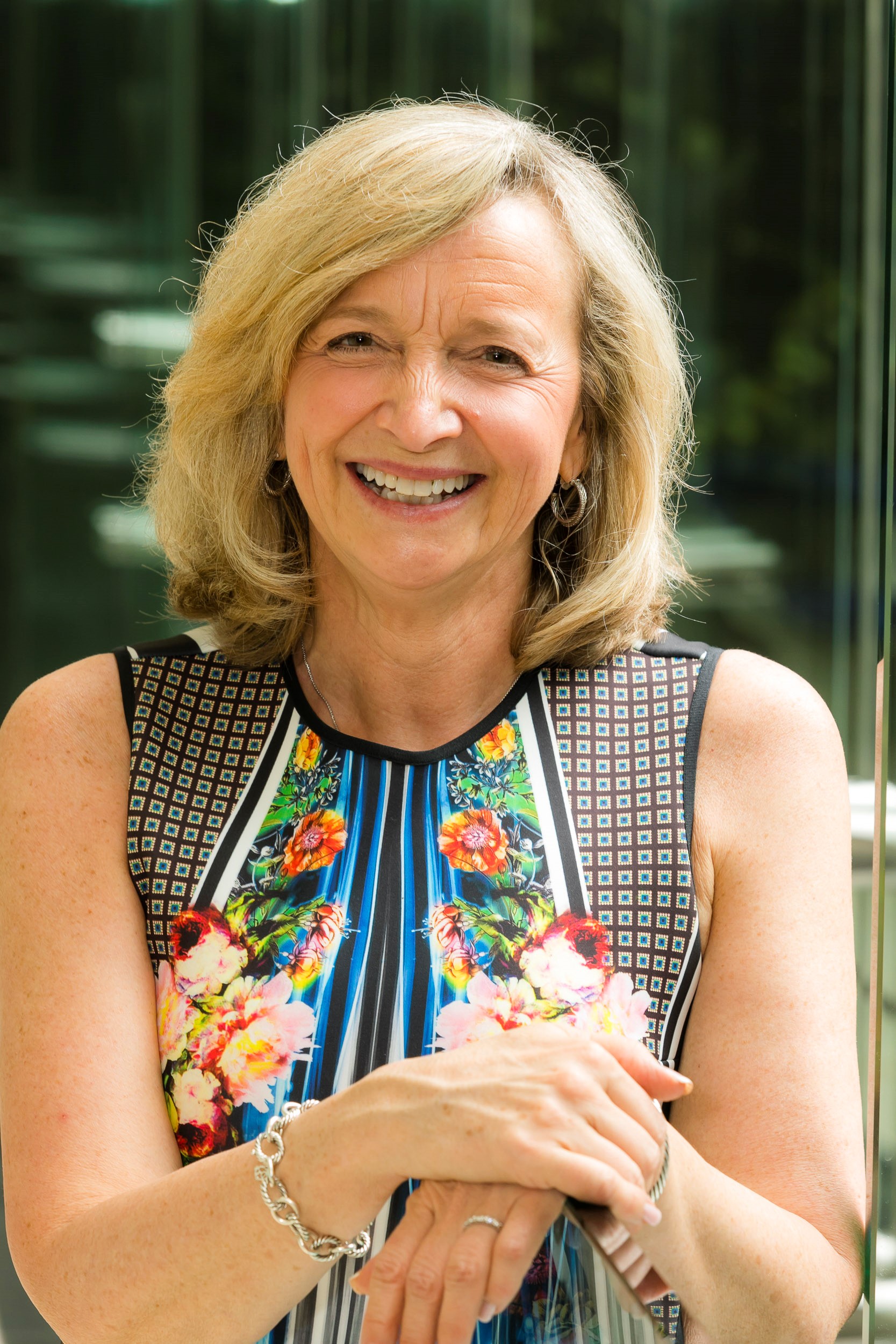
Dr. Nancy O’Hara is a board certified Pediatrician. Prior to her medical career, Dr. O’Hara taught children with autism. She graduated with highest honors from Bryn Mawr College and as a member of the Alpha Omega Alpha Honor Society from the University of Pennsylvania School of Medicine. She earned a Master’s degree in Public Health from the University of Pittsburgh.Since 1999 she has dedicated her functional medicine practice to the integrative and holistic care of children with chronic illness and neurodevelopmental disorders such as ADHD, PANDAS/PANS, OCD, Lyme and ASD.
Thank you to this month’s sponsors for partnering with our show and helping you make your swaps with their special offer:

Ausclimate’s highly recommended range of WINIX Air Purifiers is the ideal solution for cleaner, healthier indoor air. Easy to use, reactive features and settings with a truly comprehensive 4-5 stages of purification, including Hospital Grade True HEPA Filtration and Winix’s unique PlasmaWave® technology. Perfect for smoke, dust, pets, viruses, bacteria, household odours, and allergies (covering a variety of allergens). Breathe easier, sleep better, and feel better. Winix; is the most complete air purifier on the market!

Offer: Ausclimate is now giving all Low Tox Life followers an EXTRA 10% OFF their already discounted prices. Simply enter the discount code of LOWTOXLIFE on check out via: https://www.ausclimate.com.au/
This discount can also be redeemed for over-the-phone orders verbally.
Website: www.ausclimate.com.au
Facebook: www.facebook.com/Ausclimate
Instagram: www.instagram.com/ausclimate


About Weleda:
Is a personal care upgrade or re-stock of your faves in your low tox priorities right now? You’re in luck if you’re in Australia, as you have 20% Weleda site-wide, from March 31st to May 3rd. Head here and use code LOWTOXLIFE at check out.
Today, Weleda is the world’s leading manufacturer of certified natural and organic skincare and medicines for anthroposophic therapy. As a pioneer of sustainability, Weleda has followed this trailblazing approach for 100 years. Weleda’s ethical business principles have been recognised with numerous prestigious awards, such as the German Sustainability Award, the Swiss Ethics Award, and the Green Brand Award 2020. Weleda processes several hundred raw plant materials, which are cultivated in the company’s eight biodynamic medicinal plant gardens or sourced from more than 50 long-term raw materials partnerships around the world. Weleda places great importance on ensuring that its supply chains are both environmentally and socially sustainable.
Weleda is a certified B Corporation, joining other companies that want to do business in a meaningful way. Weleda’s B Corp impact score is 106.8 (the median score is 50.8).
Enjoy the 20% off site-wide with your code LOWTOXLIFE and if you have any questions, feel free to ask in the comments.
Alexx x
Website: www.weleda.com.au/
Instagram: www.instagram.com/weledaaustralia/
***
Title show track, by LIOR.
Love the podcast music? You will hear excerpts from Lior’s track “Caught Up” – go check it out on iTunes or Spotify if you want to hear the whole song or album, Scattered Reflections. Co-written with Cameron Deyell, it’s a great song and I love the reflective energy of it – perfect for the show, right? Enjoy. Lior is always touring, so do check out his website. It is wonderful to hear him sing live, trust me.
Low Tox Club – The place to bring your low tox life to life.
Want to join a community of like minds and enjoy all the perks of being in the Low Tox Life inner circle such as an online membership platform, 50% off all our Low Tox courses, an awesome chat group, my monthly Q&A, and special guest star interviews for just $49AUD ($29USD/28EUR/23pounds) per YEAR? We have created a special place and set of resources to help you achieve your goals and it’s a wonderful place to be – MORE DETAILS AND REGISTRATION HERE.
***
If you would love reading like me or you just simply want to go through the full transcript, you can check below.
[Alexx Stuart] (0:00 – 10:25)When a child is perfectly healthy or their version of normal healthy, and then everything changes and all of a sudden some really scary symptoms come on board, that is today’s show both on how to mitigate the risks of that happening, as well as treatment and healing options. Hello, and welcome to the Low Tox Life podcast. I’m Alexx Stuart, your host, founder of the Low Tox Movement, and today is show 428, and I have the wonderful pediatrician, Dr. Nancy O’Hara joining us today. Now, Nancy has been a pediatrician for over 25 years. She actually started teaching children with autism and then graduated with honors from the Pennsylvania School of Medicine. She has a master’s degree in public health as well, and she says the most important tool in her practice is the tissue box.
The compassion that comes through when you hear Nancy speaking about children who are affected by PANS, PANDAS, OCD, Lyme, ASD, ADHD, and anything else that can go down in a child’s life. It’s just beautiful to hear the amount of compassion and knowledge and tools she brings to every situation in her practice. So I feel really lucky to have Nancy here.
I met her 13 years ago at the first MIND Foundation conference that I spoke at when, gosh, Low Tox Life was about two years old, a teeny tiny blog at the time with a burgeoning community, and I was just struck in awe by how much Nancy was able to bring to the table back then, and to think 13 years later in her practice and clinical experience, how much more she can now bring to people. It’s just incredible to have her on the show. So if you are a parent, a carer, a teacher, or anyone who interacts with kids in any way, I think it’s a really important show to tune into.
In fact, everyone should know more about this because society and culture are so quick to call people crazy, call people, oh, they’ve lost the plot, or, oh, they’ve got an eating disorder, or, oh, what’s with the weird tick, and then people getting bullied. And if we actually had more of an awareness of some of the things that can play into these things presenting or a child changing from one day to the next, then there is just so much more compassion we can all have, but also we can shorten the amount of time it takes for the families to get the support they need because kids that turned up in Nancy’s office with their parents are often seeing tens of people beforehand who keep bouncing them around saying, your tests are normal, there’s nothing to see here, why don’t you get them more sleep? You know, all the different things, scans, like we can spend so much money before actually starting to get answers and actually working on the problem.
And I see this with Mold all the time, I’ve been through it myself. And so putting a show like this on is an awareness piece as much as it is for me some tools and support for people who are actually experiencing this right now. And the awareness piece is helpful because Nancy gives us some seriously good information about what plays into PANS and PANDAS occurring, these neuropsychiatric inflammatory processes in children.
And some of the things that we can do on the regular in our everyday, when we’re on holidays, all these different scenarios where we can be a little bit more on the front foot and vigilant generally, without becoming maniacal or worried all the time. But the more knowledge we have, and the more we know how to use that knowledge to take action, that part’s critical to avoiding unnecessary stress and freaking out without anything actually happening yet. Then the better placed we are to actually reduce the scenario of the incidence of PANS and PANDAS, as well as to know exactly what to do if the poop does hit the fan in our children’s health.
Or if we do see as a teacher, something’s going on with this kid, just from one day to the next, a completely different child. And to be able to have the literacy to problem solve together as communities, if we’re all more aware, it can help children avoid being bullied or called weirdos, or being ostracized all of a sudden by their friendship groups. And it can help them avoid days, months, years of their lives, sick and unwell, without any solutions.
So I’m really excited about today’s show. Nancy’s incredible. And I know you guys are going to really, really love this information.
Please share it with as many people as you can, or as you think might need it. So of course, without our partners, we can’t put on a weekly show. It is two Australian offers this month.
We have the incredible Walidah Global Pioneers in Natural Sciences, bringing that to the beauty and health picture with their gorgeous products. And they’ve just relaunched the smoothing face care range. This is the Rose range.
It is so delicious. When I picked up my order from the post office just a couple of days ago, I was literally at a traffic light waiting. And I thought I just have to open that jar now, these beautiful jars.
And the texture is delicious. And I know I’m probably a little older now at 49 than the target age group, which is more of a preventative 30s kind of first signs of fine lines and wrinkles situation. But I’m just, it’s still one of my favourite moisturisers of all time.
I just love the smell. I love the freshness it gives my skin. And I do love the hydration.
I tend to have more issues with that fine feathery line hydration picture rather than the deeper wrinkle situation. It’s always been my tendency. So I love those lighter hydration based moisturisers.
They tend to work really well for me. So don’t count it out. If you’re my age, definitely give it a go.
If what I’ve said there resonates, but just a couple of favourites that we’ve been ordering because 20% off site wide with the code lotoxlifeatwalida.com.au gets you a fair way of a discount, right? We love the shower bars. My son adores the Arnica shower gel.
I ideally try and stay plastic free on the shower products front, but sometimes you’ve just got to keep a teenager happy and washing themselves. So I’m, I’m there for that. We pick our battles.
I love the Rosemary hair tonic and Katya from the Walida team was actually telling me that this had gone viral with a couple of Tik Tokers. And now the Rosemary hair tonic, this cottage product that’s been in the Walida stable for decades is all of a sudden a bit of a cult fave for hair growth, hair resilience, follicle protection. It’s an incredible product.
I’ve used it for a couple of decades myself. And so I can’t believe it’s fashionable kiddos. How cool.
And then of course skin food. I mean, we always make sure we’ve got some of that in the house. My mum loves the skin food body butter.
I keep her well topped up with that. It’s just, there’s so many things that you can use in the range. So you make sure you make the most of that 20% off code lotoxlife.
And then of course we have our major partner Ozclimate. I hope you’ve been enjoying the dehumidifier education reels that I’ve been doing to help you prevent and mitigate mould. And then of course just know better how to use dehumidifiers, how many you might need depending on your floor plan, all that jazz.
It’s just so important to have better literacy because as we learnt with recent show guest Professor Matt England, tropicalisation is a new phenomena due to the climate changing and warming where we are now about 10% more humid than we were just two decades ago. So a lot of people that say, oh gosh, you know, mould was never an issue before. Why do I need dehumidifiers all of a sudden?
Well, I didn’t need them growing up. Well, because it’s much more regularly above 60% humidity in the indoor environments now all around the world. I was speaking to a friend who noticed the same in London and I was telling him, well, hey, it’s this, this is why.
So dehumidifiers are essential. You have 10% off with the code lotoxlife at ozclimate.com.au. And be sure to use that when they’ve got a sale on a particular size, because that 10% will work on top of ProTip. And then of course, you’ve got their Winix air purifiers, the air circulators, heating range, the range is growing by the month, it seems.
So enjoy that. And now let’s dive into all things, children’s health, preventative health and, and curing and healing things like PANS and PANDAS. If they do come along, that is today’s show.
Enjoy guys. Nancy, it is so good to see you. Welcome.
[Dr Nancy O’Hara] (10:26 – 10:30)It is wonderful to see you. And thanks so much for asking me to join you here. [Alexx Stuart] (10:30 – 11:43)
I am really thrilled to have you here and to do a show on not children’s health in the broader sense, but some of the things that you are specifically specialized in supporting families at the coalface where very little help has been able to be had for a long time. And, and I think, okay, I’m going to start here. You have your child, if everything seems fine, let’s say as they’re born, we’re not thinking at any point then in the back of our heads, we’ve got to watch for PANS, PANDAS, BEG, like no one’s thinking of these things until it hits you like a freight train.
And that is just, I want to start by asking you about that moment, the moment a parent’s life is turned upside down and possibly they see 10 people before they get to you, let’s be real. So they’re not arriving with much hope anymore often. How is that first consult for you with families that are experiencing these issues with their kids?
[Dr Nancy O’Hara] (11:43 – 13:26)I always say the most important instrument in my office is a tissue box, because just being heard and being told you’re not crazy. I’ve been there. I’ve seen this hundreds of times.
I’ve been there as a parent. I’ve been there as a professional, I get it. And those three words help them to just drop their shoulders a little bit, because so many other people have been saying, your kid’s crazy, or you’re a bad parent, or even within their own family, even within their marriage.
And this is a post-infectious or post-metabolic syndrome, that something triggers in those susceptible children, a behavioral or neuropsychiatric change that can happen overnight. And you have a totally neurotypical child on February 12th, and on February 15th, they’re on the floor having seizure-like tics, talking about intrusive thoughts, or sexualized things, or political things, or religious things you’ve never heard come out of their mouth, or they’re anxious out the yin-yang and won’t leave your side, or they’re doing weird walking, or just in a puddle on the floor. And any and all of those, or restrictive eating, that’s the other one that’s big, any or all of those could be this disease.
And I just want to say, you are not alone. This is treatable. It’s challenging, but there is so much we can do.
We just have to make one step forward.
[Alexx Stuart] (13:27 – 13:33)And are you specifically talking about PANS and PANDAS when you say this disease? [Dr Nancy O’Hara] (13:33 – 15:37)
Yes, yes. And I want to include, because, you know, that phrase or those phrases have become so kitschy, so like misunderstood. What we’re talking about is post-infectious syndromes.
So PANDAS is Pediatric Autoimmune Neuropsychiatric Disorder Associated with Strep. So after a child gets a strep infection, or even exposed to strep, their brother may have a strep infection, they’re not even showing any signs of strep, but their behavior goes berserk. That could be this disease.
PANS, that phrase was coined in the 1990s by Sue Sweeto, one of my wonderful mentors. And in 2012, they tried to make it less controversial and included other illnesses like mycoplasma and tick-borne diseases like Lyme disease, which are in Australia, New Zealand, and everywhere in the world, by the way, if anybody thinks there isn’t that in those places, and included viruses, but then also included mold and yeast and anesthesia and exposure to chemicals, pesticides, etc., other metabolic things. But it was always an abrupt change. PANS was Pediatric Abrupt Onset Neuropsychiatric Syndrome. Now, I have to say, that’s where by definition, we want to keep it because we want more practitioners to see it.
And if you see this abrupt change, then we want to institute appropriate interventions, which are antimicrobials to the appropriate trigger, anti-inflammatories or things to support the immune system, and treating the symptoms, but not just treating the symptoms. You know, we often get into one or the other, you know, the conventional medicine docs are just there putting on the SSRIs or medications to treat the symptoms. And some of the functional medicine docs are just adding the herbs to treat the microbe, but not doing anything to treat the symptoms.
So it’s got to be that three legs of the stool.
[Alexx Stuart] (15:38 – 15:43)Yeah, there’s the, like, save the day and then the day to day, the long game. [Dr Nancy O’Hara] (15:43 – 16:47)
You need both. Absolutely. And a couple of things sometimes in both, but not 20 things.
I also know when kids go into the office and you come back with this big basket, you’re like, what, you know, my kid won’t even eat. So what’s really important is that the three arms of the stool or legs of the stool, the three pronged approach, I always call it, and treating the symptoms. Yes, but not just treating the symptoms, treating the underlying trigger.
Was it strep? Was it mycoplasma? Was it Lyme?
We use the right, or was it mold? You know, you put a kid on an antibiotic and it was mold. That’s going to make them worse.
You got to be the detective to figure out the trigger. And then the biggest piece that both sides of the aisle sometimes forget about is that we have so many nutraceutical supplements, medications that we can use for inflammation and providing immune support, but it’s got to be all three. And I think that’s where we miss it on either side of the street.
[Alexx Stuart] (16:48 – 17:43)Right. Okay. So I want to unpack a few things.
Let’s walk it back and talk things that we can be more aware of and even age groups that we can be more specifically focused on prevention and proactivity. Like when you start, I mean, you can’t prevent a tick by 100%. Like that’s impossible.
If your kid loves going into the forest and hiking and summer camps, like it’s quite possible that they are going to get bitten by a tick at some point. So the proactivity piece feels like it’s fundamental to possibly preventing a full situation. But even before we go there, you mentioned susceptible kids.
So can we actually start with who do we know is susceptible? What do we know about how we could know if our kid might be susceptible? Right.
[Dr Nancy O’Hara] (17:44 – 18:53)Okay. So first of all, this disease or these diseases don’t affect every child, unless you come to my office, then it seems like everybody has it. But in general, in the literature, it’s one in 200 kids.
Those of us who are in the trenches think it’s much more than that. And many, many are getting missed, and it’s at least one in 100. But why don’t 100 kids who get a strep infection get pandas?
And it’s because genetically, some children are susceptible. They may have HLA-B alleles that you can measure, HLA-B 32, 58, 38, that make them more susceptible to autoimmune disease. They may have Th17 cells that make them more susceptible.
But if you have a family with autoimmune disease, 64% of children with pans and pandas have autoimmune disease in their family. So all of those children are more susceptible. You don’t need a genetic test or some fancy test.
[Alexx Stuart] (18:53 – 18:54)Yeah, I was going to ask. [Dr Nancy O’Hara] (18:54 – 19:45)
If mom has autoimmune thyroiditis, dad has inflammatory bowel disease, grandpa had rheumatic fever, diabetes, whatever it may be, if there’s autoimmune disease in the family, you have a very high percentage chance of, if you get one of these infections, rather than the antibodies, the part of the immune system that should attack the throat when you get a strep throat, rather than attacking there, those antibodies cross the blood-brain barrier and attack a part of the brain called the basal ganglia.
That’s where it’s why it’s also called basal ganglia encephalitis. That just means that part of the brain is inflamed. And that inflammation in the brain is causing the inflammation of the behaviors, that inflamed, anxious, ticky, OCD, you know, kind of kid.
[Alexx Stuart] (19:45 – 19:59)You mentioned a lot of kids get missed. Does that mean that we could be dealing with like a light presentation when neuroinflammation needs addressing and it hasn’t been found? [Dr Nancy O’Hara] (20:00 – 20:47)
Exactly. So when we see it missed a lot is when the children are very young. So you get a two-year-old whose older sibling is in school and that sibling gets strep, but the two-year-old is only doing the terrible twos.
You don’t even think about strep in the two-year-old. The pediatrician may even look in the throat and see it looks normal and not even think about that. Or they may see something or an ear infection and they treat it appropriately and the behavior gets better.
And you think, oh, they just got through the terrible twos, but the behavior got better because they were put on an antibiotic or it was a virus. They got over the virus and it was never picked up as being pans or pandas.
[Alexx Stuart] (20:47 – 20:52)So they could have got put on an antibiotic just by chance for like an ear infection that they picked up. [Dr Nancy O’Hara] (20:53 – 21:06)
Exactly. And then they get better. Nobody suspected anything, but what happens is if you don’t recognize it, then the second time they get it, the third time, the fourth time, it builds on each time. [Alexx Stuart] (21:06 – 21:37)
And it’s because we didn’t do the three stools at the, at the point of it happening because it wasn’t major enough that you could, you could rationalize it. That’s, that’s what we often do, right? We think, ah, terrible twos or, oh yeah.
Yeah. Your, your father has ADHD as well. And so I guess it’s going to be you too.
And I’m, you know, I have ADHD. I definitely believe the neurotype theory, but I also believe in the symptom exacerbation of the negatives. Exactly.
[Dr Nancy O’Hara] (21:37 – 23:53)Yeah, exactly. And, and going back even farther, I think that we should think about this, even in our babies, not that babies will get pandas, but that tendency toward inflammation and autoimmune disease. So first risk factor born by C-section rather than vaginally, they’re not getting the mom’s normal vaginal mucosa.
You have to deliver by C-section, do what we call a perineal picnic, where you take some gauze or your hand from your vaginal area and rub it all over the baby. Give the baby those germs they need. We also, you know, oftentimes are adding more formula rather than breastfeeding.
Breastfeeding, even in our toxic moms is safer and better for our kids and gives them that natural immunity, that colostrum that they need. But that early baby that, that starts to get eczema or starts to get colic, they’re already showing you that their tendency is toward inflammation. And so we need to go back and where does that start?
What’s the first brain? It’s not the brain, it’s the gut. So we got to go back to the gut.
We got to get those good germs in there, that good food and, and really feed that gut. And then the second thing, what are we doing, especially since COVID so much? We’re indoors more.
We’re not commingling with other people as much. We’re not getting outside, at least here in the United States. And I think we really, that is the best form of biohacking.
You hear all about biohacking these days, but biohacking is really getting outside, being in the dirt, getting exposed to good air, breathing deeply, getting good sleep, pooping well, exercising, but really being outside. And, and that’s what these kids need, as opposed to being isolated either before, you know, very early on in life, or after they may get the first incidents. Those things are so vital.
[Alexx Stuart] (23:54 – 24:30)So vital. And I think in bringing up COVID there and the, the get outside, I think there’s a bit of victim mentality. Like we keep saying, oh yeah, COVID made us stay inside.
It’s like, no one’s making you stay inside right now, get out there. We’ve got to rebuild that muscle. You know, I think like just those nature spaces, the parks.
And I think we could even say in modern parks where they still treat with glyphosate in half of them, unfortunately for weeds, it’s still better to be outside on a nature walk than inside around all the VOCs of an indoor environment.
[Dr Nancy O’Hara] (24:31 – 25:14)Absolutely. Whatever it is, it’s better. You know, I agree with you.
Yes. If I had my own lawn, would I be putting glyphosates and Roundup and everything else on it? Absolutely not.
But if what I have is a park and there’s some of that, I’d rather our kids be outside playing, mingling with other kids, not isolated because we’ve seen since COVID, we are more susceptible to all of the viruses, all of the things. We’re getting much more virulent episodes of strep infections, mycoplasma infection, this other viruses. And part of it is because our immune systems have been depleted by not being exposed on a routine basis.
[Alexx Stuart] (25:14 – 25:46)I remember when we all got back out there, we had some really long lockdowns here in Australia. And I likened it to what I was seeing around was like toddlers going to daycare for the first time and just everyone getting everything again. And we I mean, that is actually a positive, right?
As long as we have the tools to use it as an opportunity rather than get knocked down, which is what you’re talking about. We don’t want it to be a straw that breaks the camel’s back.
[Dr Nancy O’Hara] (25:46 – 26:43)Exactly. And I’m not saying to not wash your hands when you’re, you know, going into a public place and things like that. But don’t not be exposed because you’re afraid of how it will affect your immune system.
Your immune system needs the little bits of exposure in order to develop. If it’s barren, it will get much sicker. And I understand, you know, a lot of people may be saying, but I was told I should homeschool my child so they don’t get sick, so they don’t get another pandas infection.
And I understand that in some of our sickest kids, we may have to do that for a little bit. But at the same time, that child that’s being homeschooled shouldn’t be sitting in front of the computer all the time. They should be outside experiencing things, being, you know, getting that nature exposure, even if they’re not going to school.
[Alexx Stuart] (26:45 – 27:00)And so then the proactive piece, we now know, particularly, actually, no, you said babies aren’t going to get it. Is that because they’re not up to the straw that broke the camel’s back moment? Yes, that’s part of it. [Dr Nancy O’Hara] (27:01 – 29:43)
Yes, it takes time and, and, and repeated exposures, you know, we, and, and especially those that are breastfed still have mom’s immunity. So they’re more protected, but even without breastfeeding, they’re definitely protected in the first year of life. And so far, I have no knowledge of any reports in the literature or otherwise of any children that young.
The youngest I’ve ever seen is about 21 months, and they had older siblings and were getting exposed to strep and other infections quite a bit. But in general, either because of mother’s immunity, they haven’t been exposed enough, or that their immune systems haven’t been, their immune and, and detoxification systems haven’t been degraded enough. I mean, we’re also seeing this going to the other end of the spectrum, although the P in Pans and Pandas is pediatric, we’re also seeing this in much older adolescents and young adults.
And that is also one, we live in a much more toxic world. The glyphosates you mentioned in the parks, but also the things in our food, the dyes, the, the antibiotics, the, the, the, all of the toxins, the mold, et cetera, that we’re exposed to are breaking down that blood brain barrier more and more. And so it’s not closing as it used to at 13 or 18 or 21.
And, and that’s one reason more and more older people are getting this disease. The second reason is it was undertreated, untreated, mistreated, misdiagnosed earlier. And so it’s been lingering or smoldering.
And then a trigger happened, like for many of my patients that are young adults now, COVID. And they had been doing well for years, but COVID reactivated their tick-borne disease, their Borrelia, Bartonella, Babesia, their EBV or other viruses that they had when they were 13, but really was dormant. You know, think about cold sores, you know, you, you get them when you’re under stress.
Well, that’s a dormant virus and it comes back when there’s a new stressor. But if none of that has been treated well, then as an adult, you can get it. It can still be treated.
Absolutely. But it’s a marathon and much more of a marathon, the older you get.
[Alexx Stuart] (29:43 – 29:50)Yeah. And I’d imagine a lot of people waste years in psychiatric care instead of pediatric care. [Dr Nancy O’Hara] (29:51 – 30:04)
Yeah. And there was a wonderful study out of Denmark of 7 million people showing that 75% of those with psychiatric illness had tick-borne disease in the background. [Alexx Stuart] (30:05 – 30:06)
Wow. [Dr Nancy O’Hara] (30:06 – 30:23)
Yeah. Yeah. And a psychologist, psychiatrist I work with in her practice, 85% of those that come in for anxiety, depression, bipolar, even schizophrenia, tick-borne diseases in the background and was missed. [Alexx Stuart] (30:23 – 31:05)
Yeah. And I mean, we have so much gut microbial information now to literally link certain bug overgrowth to certain presentations. And, and it feels like, you know, one of my frustrations, Nancy, is that it still feels like a, so many people don’t even realize this kind of care exists, but B when they do, it’s so expensive.
How do we depridge? I’m not trying to say that doctors shouldn’t be charging what they charge. Cause I mean, you know, you do so many decades of study to stay at the forefront of everything.
And it’s not that it’s more about access. I think is a real issue for so many people.
[Dr Nancy O’Hara] (31:06 – 32:50)Yeah. And, and in so many ways we’re trying, you know, we’re, we’re trying to get more and more practitioners to understand this. So they can at least start an antibiotic if that’s what the child needs.
You know and we’re trying to provide care through other means, you know, it’s why I wrote the book. It’s why I did an audio book. It’s why I started a podcast, you know, to, to try to get the information out there in lots of different ways so that people can at least be aware of it and start to treat it.
The, the, there are a lot of foundations that are providing grants to people. There are a lot of supplements that are very inexpensive and herbs. There are a lot of companies that are trying to provide free herbs for, for families that need them.
But it is very expensive. And when you’re already talking about the overwhelming nature of the disease, maybe you got mold and you got to remediate that in your house. But I start with simple things.
I start with, okay, everybody talks about biohacking. Let’s go get the red light therapy and the HPOD and the sauna. And those are all great.
I’m not demeaning them at all, but let’s just get outside. Let’s get good sleeping. Okay.
Let’s get good eating, you know, and we can start that as babies. You know, when we feed our children, rice, cereal, and fruit, we’re feeding the, the negative microbes, the, the bad flora. When we feed them avocados and vegetables and proteins, we’re starting out a better milieu, but you can still do that when your child’s seven.
It’s a little harder when they’re 17, but yeah.
[Alexx Stuart] (32:51 – 33:14)It’s a very common little side comment from all the doctors that I, well, I got a teenager. And so we’ve kind of had to get a bit more relaxed and I think we have to stay real about that. So people don’t think, oh my God, it’s all falling to crap because now they eat, you know, fast food after school with their friends.
It’s not just focus on the bookends, what you can do in the home.
[Dr Nancy O’Hara] (33:15 – 34:01)Exactly. And also make a contract with the kid, find one thing, you know, that, you know, we have a 30 page questionnaire people have to fill out before they come to see us. But I figure out in the diet, you know, they’re not getting protein in the morning.
They need protein, you know, let’s talk to the kid. All right. How do you want to get protein in?
Well, I’ll have a steak. All right. Can you afford a steak in the morning?
Give them a steak. I don’t care. It doesn’t have to be a breakfast food or a protein bar or smoothie or something.
One thing, or they’re going out with friends a lot and getting a ton of fast food. Well, could you get the burger with more meat and less bun? You know, do it that way.
Could you, you know, all right, you’re not going to get the salad. I get it. But when you come home, could you have a vegetable instead?
[Alexx Stuart] (34:02 – 34:45)Yeah, exactly. One of the things I did with my son is we actually went to a food court. I said, I know you’re going to be going to food court.
So let’s actually go to one and think about what the most fun options are for you. That also mean you’re not going to crash an hour afterwards and not be able to concentrate in class. So we came to like a burrito bowl.
That’s not wrapped in a 19 ingredient kind of bread wrap. And so that has a bit of salad in it. It’s a bit more kind of varied and you can always find something that’s going to be better.
That still meets the, I want to be like my friends. Right. Exactly.
[Dr Nancy O’Hara] (34:46 – 34:59)Yeah. We did the same thing. My son eats Chipotle almost every day, but at least it’s a little bit better than, you know, McDonald’s.
And sorry if anybody is, you know, hyped on those.
[Alexx Stuart] (35:00 – 35:00)No judgment. Exactly. [Dr Nancy O’Hara] (35:01 – 35:02)
No judgment whatsoever. [Alexx Stuart] (35:02 – 35:26)
Yeah. But you mentioned protein there, Nancy. And one of the things that a lot of families struggle with is at the breakfast table, the inclination towards lots of sort of bread and cereals.
And that is a real transition piece, a real fight for a lot of families. What have you found to be the most successful come on the journey kind of conversation?
[Dr Nancy O’Hara] (35:26 – 36:44)So what I first try to do is figure out would they add a nut butter to the bread, the pancake, the waffle, the carb? You know, it can be sunflower butter. It can be cashew butter.
It can be peanut butter if they’re not allergic. Okay. They won’t do that.
All right. Would they have a piece of bacon, nitrate-free bacon? Would they have an egg in any different form?
Would they have a smoothie with it? Trying to put any carb together with a protein. Then if they only will have the cereal, they are actually several decent protein powders out there that you can add.
The other one, blackstrap molasses. You know, a lot of kids don’t mind that taste. You could dip, you know, the waffle or the bread into that, you know.
And I also think making it fun. You know, we often talk about upside down day. You know, we’re going to have our cereal at dinnertime, but we’re going to have dinner for breakfast.
And kids think that’s so funny. And if mom and dad join in and all of that. So any of those ways can help, but try not to think just about breakfast foods.
Try to think about other foods or one protein that you can add to something that they’re already eating.
[Alexx Stuart] (36:45 – 36:48)And why is protein so impactful for this group? [Dr Nancy O’Hara] (36:49 – 37:38)
Right. It counteracts the effects of the carbs, but especially it helps to feed the brain. It helps to coat in some degree, the myelin sheaths.
And it provides the fuel that the brain needs when it’s been otherwise depleted by the fight of the tick-borne diseases or the strap or anything else. And so protein really helps them to think better, to learn better. And, you know, the other thing is that many of these children have secondary deficiencies.
You know, they have this disease, but then they also have zinc deficiency, vitamin D deficiency, iron deficiency. So the protein is very important for two of those, the zinc and the iron.
[Alexx Stuart] (37:39 – 37:47)Yeah. Okay. And where are we on fat and how much we should bring in of that for this group, or even generally as a preventative? [Dr Nancy O’Hara] (37:47 – 38:46)
We are not getting enough fat, no way. And our kids especially. And I really, I think one of the things, one of my colleagues, Dr. Jim Greenblatt talks a lot about is low cholesterol. Many of our children with autism, as well as our children with PANS and PANDAS have low cholesterols. That’s a sign they’re not getting enough fats. And that has been shown in studies to exacerbate psychiatric illness, to exacerbate anxiety and aggression.
So we really want those good oils. And I’m not talking about safflower, canola, you know, the light oils, but your good extra virgin olive oil, your good coconut oils, your macadamia nut oil, your oils that are really rich. And then often that’s not even enough.
Yes, we want to put that into our diets and have as much as we can, but it also may need to be supplemented, essential fatty acids.
[Alexx Stuart] (38:47 – 38:57)And would we do a complex or do you favor EPA or DHA for the brain aspect, the neuroinflammation? [Dr Nancy O’Hara] (38:58 – 39:30)
Yeah. So for the younger kids, I favor DHA, but when they’re older school age and up, I still want DHA, but I want EPA to DHA to GLA in more of a three to two to one ratio. Now remember GLA is an omega-6.
You don’t need as much of that. You really need the omega-3s, your EPA and your DHA. DHA is great for the brain, but I don’t want people to overload on that in our older kids and really want to balance with the EPA.
[Alexx Stuart] (39:31 – 40:13)Okay, great. And in terms of proactivity, you mentioned that, that two-year-old who takes an antibiotic by accident, and then it kind of addresses something, but we haven’t caught it yet. And so you can still get pandas.
I get that, but what are we looking to catch? Like when you have a two-year-old, let’s say at home or a four-year-old or whatever, the youngest, let’s call it. And the older kid gets a strep infection, rage in case of tonsillitis.
What are we looking to be proactive on when an infection hits to ensure we’re not creating a layered buildup to one of these sorts of events?
[Dr Nancy O’Hara] (40:13 – 40:32)Right. And that’s where I will use herbals or nutraceuticals to keep everybody healthier. You know, simple things like elderberry, feverfew, tumeric.
I recently on my podcast had a woman who did her PhD in tumeric. Like her whole PhD was tumeric.
[Alexx Stuart] (40:32 – 40:35)Was that Shivani? I think Shivani Gupta. [Dr Nancy O’Hara] (40:35 – 41:34)
Yeah, she’s fabulous. It was a great conversation. But I think that adding those for a period of time, maybe for the whole winter, as kids are getting repeatedly sick, can keep the raging fire of inflammation down.
Allow the normal smoldering, you know, campfire. You know, inflammation is not all bad. We need some amount of inflammation to fight infection.
It’s useful. Don’t think inflammation is all bad, but it’s when it goes from that small campfire of inflammation to the raging wildfire. That’s what we’ve got to keep down.
So it’s really about in that child that’s sick, but also the other family members and the younger kids having them on those sorts of things, good oils and some type of, you know, herb like tumeric or one of the other ones.
[Alexx Stuart] (41:34 – 41:43)Okay, great. So would you call that useful practice like year round, or are we just waiting until someone’s sick in the family? [Dr Nancy O’Hara] (41:44 – 42:54)
It depends on your tendency as a family. If you’re a really healthy family, you may have an overactive immune system. And otherwise you may want to be calming things down a little bit.
You know, you may want to think about an herbal adaptogen like ashwagandha, holy basil, saffron, you know, something like that in a family that’s never getting sick. But a family that’s been through a few winters of everybody being sick, absolutely throughout the winter, most of these fantastic, well, in the in the US, most of these infections are September to May, because that’s our, it’s a longer window of coolness. Yeah, exactly.
But, but in that real infectious time, when everybody’s more in close quarters, it’s colder, you know, that sort of thing, I’m fine doing it for several months as a preventive agent, but certainly when anybody gets sick, then adding it and continuing it for at least a couple of weeks, not just for the couple of days, somebody’s sick, but for a couple of weeks, to give that immune system the extra support to try to help them feel better.
[Alexx Stuart] (42:54 – 43:09)Yeah, for the longer term. Amazing. And then when we talk about ticks and tick bites, that’s obviously very specific to the person, you know, you’re not catching Borrelia.
Or maybe you can, I’m not the doctor here.
[Dr Nancy O’Hara] (43:09 – 45:07)Well, Bartonella is one you can get from many different sources. You know, lice, fleas, cats, cat saliva, cat scratches, dogs that have been scratched or infected by a cat, and gestationally. You know, if you as a mom have worried you have tick-borne disease, it is possible to pass Borrelia, which is what we call Lyme, Bartonella through the placenta, and the baby can get it that way.
But yes, the most common way to get tick-borne diseases is from ticks. But most ticks that can affect are the size of a poppy seed. So I’m always happier when I see one.
But to prevent the things that are very good, like Picardin, which is in a product like Sawyer, which is one of them, is a very good, better than DEET, which is much more toxic, very good to spray on clothes. I often will soak my clothes in something like that before I go out, my socks, my handkerchief that I may wear around my neck, thinking that where the ticks come the most are the ankles, around here, the warm areas, behind the knees. So check those areas specifically and have those areas have extra.
If you don’t want to use the Picardin, then citronella, garlic, cilantro, you know, those are great. Soaking them in those, that helps to keep the ticks away. The other thing, if you have a lawn, woodchips, three feet of woodchips around the exterior of the property keeps the things like field mice, which actually take it from the deer and bring it in, that keeps that from coming onto your lawn.
Wow.
[Alexx Stuart] (45:07 – 45:09)So do you mean like, we call that mulch, I think? [Dr Nancy O’Hara] (45:10 – 46:26)
Yeah, like mulch. Yeah. Because it just is that extra barrier to your yard for the field and ticks that are carried through there.
So they sort of get stuck in that area. So that can be very helpful. There are a lot of natural traps that could be very helpful.
And then wearing the things that I talked about and doing tick checks, you know, after you’ve been out taking a shower, taking the bath, really doing the tick checks. And there are very natural agents that if you find a tick bite that you can use either topically or orally, homeopathically, naturally, that may help to prevent that. I do recommend that if you get a tick bite and you see the tick, that you do send it to be tested.
And I apologize, I’m not sure, and you may know where you can send the ticks locally. I would check tickreport.com and see if they know local places. I send all my ticks to tickreport.com now. And there are a couple others very similar to that. But knowing, you know, in our area of the United States, 41% of the ticks carry Borrelia, Bartonella and Babesia.
[Alexx Stuart] (46:26 – 46:27)Wow, that’s a lot. [Dr Nancy O’Hara] (46:27 – 46:46)
And so even if you’re treating and you get a dose of doxycycline, you’re missing the other ones. So again, why I like herbals, why I like homeopathic remedies, things that naturally treat several things at once, as opposed to throwing one antibiotic that will only treat Borrelia on there. [Alexx Stuart] (46:46 – 46:50)
Right. So doxycycline only addresses Borrelia. [Dr Nancy O’Hara] (46:50 – 46:57)
Little bit Bartonella, but you can never treat Bartonella with just doxycycline alone. But yeah, really just Borrelia. [Alexx Stuart] (46:58 – 47:04)
And are there other antibiotics or is this really only able to be addressed homeopathically or herbally? [Dr Nancy O’Hara] (47:05 – 47:45)
There are other antibiotics. Absolutely. With Bartonella, it usually takes at least two, sometimes three.
And with Babesia, it takes at least two, sometimes three. But if a child just gets a tick bite, I’m not going to put them on three antibiotics to prevent, but I might use 30C of Ledum, which is a homeopathic remedy, or a combination of herbs to get the tick report back, like cat’s claw and Japanese knotweed and hetunia, things like that, that are very safe and can be effective for all three. Cryptolepis, if I didn’t mention it.
[Alexx Stuart] (47:45 – 47:46)Nope. [Dr Nancy O’Hara] (47:46 – 48:07)
Thank you. That’s the other one. Thank you.
Then you’re covered while you’re waiting to see if the has it or you’re safe in a child. If you couldn’t check the tick in treating that way until you can see a practitioner who may be knowledgeable in it. And there are a lot of them.
[Alexx Stuart] (48:08 – 48:37)Okay, great. That is such useful information because I think a lot of the worry and panic happens because we actually just don’t know what to do when it happens. And where are we at with the body being tested on tick-borne diseases?
Because you see a lot of stuff online. A lot of doctors just completely poo-poo all of the testing and say, be guided by your patient’s symptoms. But others, like some of the testing that’s recommended is super expensive.
[Dr Nancy O’Hara] (48:39 – 48:48)This is where we come to where we don’t want to make the families who can’t afford it pay for these expensive tests. Yeah, exactly. [Alexx Stuart] (48:48 – 48:55)
Because that would be better spent on, let’s really listen, let’s match it to the environmental incident and let’s use that money to treat. [Dr Nancy O’Hara] (48:56 – 52:32)
Exactly. And as I’m mentoring more, my mentoring patients, I cannot prescribe, I cannot order labs. So if I’m mentoring them, then I’m going all on the clinical symptoms.
And I just spoke about something called Alice in Wonderland syndrome, like where you go down the rabbit hole and everything looks different. And six kids I have now, all mentoring clients, none of which were tested, all I thought had Babesia, had all the symptoms of Babesia, treated them herbally for Babesia, and their Alice in Wonderland syndrome symptoms went away. And some of them had it for three, five years before I had seen them.
Just herbs. So it is possible. So number one, many doctors poo-poo Lyme disease because it can’t be picked up adequately on a conventional lab test.
Very few tests pick up anything. And most of the tests that are done were built to be done for surveillance, not for diagnosis. So that two-tier test a lot of doctors talk about, you know, getting a screen.
And then only if the screen is positive, getting more immunoblot or Western blot testing. That is totally inaccurate. So we don’t want to use that.
And the testing from conventional labs for Bartonella and Babesia also very hard because these are germs that don’t really want to make you sick, but they don’t, they’re loving life inside your body. They want to go dormant, like that herpes virus in your cold sore. These germs also go deep within biofilm or within cells or within other germs within your body and are hard to find.
So that’s why the specialty tests, if you’re going to go looking, are important, but are very expensive. And don’t get the less expensive specialty test because usually it doesn’t have external validation studies. And I won’t name names, don’t want to offend anybody, but, you know, look for really the gold standards if you do have the money to test.
But otherwise, I mean, thinking about symptoms, when I think about Bartonella, I’m looking for stretch marks that don’t follow usual lines. They’re more vertical or horizontal. And on weird areas, you know, they could be on the forehead, behind the neck, on the knee.
I’ve had it. I remember one of the first times I came to Australia, I remember one of the docs I was mentoring said, we don’t have Lyme disease here. And I said, yeah, you do.
Now, this was 20 years ago. She goes, no, we don’t. I said, yeah, you do.
Next kid that comes in, he was having anxiety and rage, which are two of the big symptoms with Bartonella. And I said, he has Bartonella. And she goes, no, he doesn’t.
And I said, so what are your other symptoms? And he said, well, I ball up my socks in my shoes because the soles of my feet hurt. Bartonella symptom.
Like, OK, good, good. And any rash? And he said, well, he said, I got these weird marks.
And he put up his shirt. And there are these blanching stretch marks. And they blanch, meaning when you press on them, the color changes.
Stretch marks from having a baby or changing weight or stress do not blanch. And they also follow dermal lines, you know, sort of this, as opposed to being vertical or horizontal. So anyway, that kid had Bartonella.
We treated him. His anxiety and rage went away. Wasn’t sensory.
It wasn’t just being, it was Bartonella.
[Alexx Stuart] (52:32 – 52:39)And if we think about the three stooled approach, what was it for him so that we can just paint the picture of a case? [Dr Nancy O’Hara] (52:40 – 53:40)
Exactly. So we put him on Japanese knotweed and cat’s claw as herbs to treat the Bartonella. We put him on Pectosol, which is a brand of modified citrus pectin, but it could have been any modified citrus pectin.
That is a good binder to bind things out. It also decreases the inflammation that’s caused by tick-borne diseases and it helps gut health. And we also put him on another immune modulating agent.
And this kid, he didn’t really like pills. He preferred liquid. So we put him on a liquid turmeric.
And then for his symptoms, because he was so anxious, we added in that particular kid, I think, now I’m thinking back, I think we added ashwagandha and that worked, but I just, there’s so many herbs and supplements we can use to decrease anxiety. But I often think about herbal adaptogens first when it’s anxiety or, or rage. So that’s what we did for him.
[Alexx Stuart] (53:41 – 53:45)Wow. And so there was no need for antibiotics in that case. [Dr Nancy O’Hara] (53:45 – 54:03)
No, didn’t use an antibiotic. Didn’t, didn’t do a test. I said, let’s try it three months.
Let’s try it and see. And he was better in three months. We did the treatment for about nine months total, and that’s the minimum it usually takes.
But within three months, he was better. Amazing. Nine months, totally better.
[Alexx Stuart] (54:03 – 54:06)And that protein fat lifts carbohydrate down. [Dr Nancy O’Hara] (54:06 – 54:38)
Absolutely. Same thing. We tried to do that.
Absolutely. Now this was a somewhat older kid, so he wasn’t willing to do everything, but we got protein in the morning. We got him to add more oils.
He actually liked salads. So we got him to, to make his salads more oily. We added more, more oil to the salads and he was able to do that.
And then his mom did it more in cooking. He wasn’t willing to, he didn’t like the taste of any fish oils or anything like that. So he wasn’t willing to do that.
But we tried through diet.
[Alexx Stuart] (54:38 – 54:44)Yeah. And it’s about finding what’s going to work for that patient. Yeah.
So important.
[Dr Nancy O’Hara] (54:44 – 54:58)Absolutely. Yeah. So, but there are so many ways to do it and just, you know, I, I see myself as a family’s GPS, meaning that I’m helping them find the right route to go down. [Alexx Stuart] (54:58 – 54:58)
Yeah. [Dr Nancy O’Hara] (54:58 – 55:28)
I may be a pushy GPS sometimes because I think this route is the right way, but you know, they’re still driving the car and they’re living on the front line. So we have to work together with the family, the parents and the child to figure out what will work best for them. Taste-wise, financially, what the trigger, I think it is that, that, that may work best and, and try to find the, the, the best interventions for each family. [Alexx Stuart] (55:28 – 55:37)
Incredible. And often, and I think you actually alluded to this right when we started Nancy, often there is a parent champion and a parent skeptic. [Dr Nancy O’Hara] (55:38 – 55:38)
Oh yes. [Alexx Stuart] (55:39 – 55:43)
How can we best move forward in these situations? What have you found successful there? [Dr Nancy O’Hara] (55:44 – 57:40)
Well, not to be sexist about it, but many of the fathers actually like sports and I’m a huge sports person. So I actually try to connect with the dad to find something that we can agree on. And I try to find something, even though I totally believe the mom, I try to help the dad feel like he’s involved also.
Help him to, to, to, to be okay. Tell some jokes, you know, I’m not the funniest person in the world, but I usually can, can, can find one joke or another a dad’ll like, you know, but, but try to find some common ground. And, and often it’s more the mom wants to do 10 things and the dad wants to do one or none or, or take away 10.
And I, I try to say to the mom, you know, let’s not do 10, let’s do five. And I try to say to the dad, let’s find three that you like, and let’s meet somewhere in there. And then I try to explain it and why I’m doing it, what they’re seeing in their kid.
And that’s really important with the symptoms to find the one that’s affecting the family the most. Like if nobody’s sleeping in the family, I’m going to treat sleep first, no matter what else is going on, I’m going to get everybody sleeping. And that helps everybody, you know, if it’s the kid’s tics, you know, I can’t stand that he asked me 20 questions, you know, I’ll address that and find a remedy for, for the OCD that they may be having.
But I really try to, to get both of them to come and meet in the middle somewhere. And I think that’s so important for all of us. Nobody, you know, one of the slides I often use in my talks is follow those who seek the truth, but flee from those who have found it.
None of us have all the information.
[Alexx Stuart] (57:40 – 57:52)Oh my gosh. We need to give that space. There’s always a moment in every show that needs space and landing.
Say it again, slow. It’s beautiful.
[Dr Nancy O’Hara] (57:53 – 1:00:13)Follow those who seek the truth, but flee from those who have found it. Nobody has all the answers, certainly not for your child. You know, you know more about your child than I do.
Even if I’ve known you for 20 years, you still know more about your own child, but still, you don’t have all the answers. That child may not be that 17 or 26. Now, like mine may not be telling you everything, you know, you don’t have all the answers.
I don’t have all the answers, but no practitioner does know how wonderful they are. And all of us as practitioners and as human beings should keep looking, keep searching for the answers. The other thing my mentor always said to me is, have we done enough for this child?
And unless that child is fully better, the answer is no. So I am always going to be looking. I am always going to be open to somebody else’s suggestion.
Now, I may tell you why I don’t think, as your GPS, that’s the best route for your child. It may have worked for your neighbor’s child, but here’s where your child is different. But if it’s safe and it could be effective, I think it’s worth trying, because then we all find out together.
Yeah, feverfew is really good in decreasing my anxiety. You told me it would work and that did nothing. I tried this feverfew and it was amazing.
Okay, now I learned something. All right, this kind of kid is going to do better with this. But if a doctor says to you, there’s nothing you can do about autism, you know, save your money and they’re going to need to go in an institution or special school or whatever it is, or PANS, PANDAS doesn’t exist, run the other way.
They have to at least be open. They don’t need to be an expert about it. They just need to listen to you, tell the symptoms and, heck, you know, you could go into chat GBT or AI and they’ll tell you what you have.
And it does come up now, you know, that when you have an abrupt onset of symptoms, your doctor can find out if they just listen to the symptoms and what’s going on for your child and they’ll find the answers.
[Alexx Stuart] (1:00:13 – 1:00:36)Yeah, I love that. And can we just unpack a little bit the piece on autism being very real and is very lifelong? It’s a neurotype for some families.
For some, it’s a collection of symptoms that perhaps it isn’t autism. Is that what I’m hearing from what you’re saying?
[Dr Nancy O’Hara] (1:00:36 – 1:00:37)Yeah. [Alexx Stuart] (1:00:37 – 1:01:00)
So, so I’m just really, I guess what I want to unpack before you go in great detail is there’s a lot of like treat, cure your child as a problem. You’ve got to fix it, fix it. This obsession with this, with this problem that you have.
And, and I think there is just so much beauty in every human to be discovered.
[Dr Nancy O’Hara] (1:01:00 – 1:01:03)And another great one for that one. [Alexx Stuart] (1:01:03 – 1:01:30)
Yeah. And so like there are symptom pictures, there are exacerbations, there is who you are and there is being unapologetic about that. Like how do we navigate the kind of language that allows space for people to not feel like you’re trying to chase them down as a problem.
While also recognizing there is so much that can be done to support easier, happier living.
[Dr Nancy O’Hara] (1:01:31 – 1:04:26)Yeah. Yeah. So I think so much of the time as doctors, practitioners, and as parents, we want to fix our kids.
We, we want to make them better, you know, right away. And, and people talk about peeling back the layers of an onion. I prefer to use a, a gift analogy.
So many of our children, for instance, those with autism may be wrapped in nine layers of paper. And it is our job to unwrap those layers to get to the true gift inside. But every child, every person is a gift no matter where they are in the journey.
And I’m not trying to fix them or change them, especially our neurodivergent people. That is not what we’re trying to do. I want to help each person, each child reach their fullest potential.
That may mean, look, you have autism, but you also are vitamin D deficient. You take your vitamin D, you may not get as sick. You may not have the autoimmune reactions, the rashes that you were having.
You, your mood may be better. You’re zinc deficient. You, you may have this infection.
And some of our children with autism actually may have been misdiagnosed and it be pans or pandas. I just want to unpack all these layers. I’m great.
If you want to keep all your layers, I’m just here to help you figure out what those layers are for you or your child and how we can best help you be the healthiest you can be. That doesn’t mean we have to fix everything and take everything away. We’re not, we don’t want to do that.
And I don’t think we should do that. And also, I think it’s really important to remember that if we know one child with autism or one child with pans, pandas, we know one child with that. Everybody’s different.
This, these are constellations of symptoms, but we’ve got to look at the child underneath. We’ve got to look at what is this child dealing with? You know, there are some children with autism who are totally non-speaking.
That is very frustrating. That doesn’t mean they’re not intelligent. It doesn’t mean that they’re not able to communicate.
They just may have a misconnection between their brain and their mouth and it can’t come out in words, but they’re in there and they can communicate through spelling, et cetera. So, you know, everybody needs to be met where they are. The child that’s not eating, but refuses to change anything.
The child that’s, that’s anxious as can be, but likes their anxiety or likes a little bit of their OCD. I like some of my OCD. It makes me a better clinician.
You know, don’t try to take it out of me, you know?
[Alexx Stuart] (1:04:26 – 1:04:36)Yeah, agreed. Like with ADHD, I’m like, I spot patterns and see things that like none of my friends see. And I wouldn’t want that taken away from me for the world. [Dr Nancy O’Hara] (1:04:36 – 1:04:56)
Absolutely. But own your gifts, own your challenges, make the most of both ends of it. And, but in the same token, you know, if there’s something underneath, it’s really driving more negative symptoms.
That’s what I want to find. That’s what I want to help you get better.
[Alexx Stuart] (1:04:56 – 1:05:53)I feel like everyone can meet there. I’m all about the overlaps. And I think if you would get a regular kid, gosh, that’s even the wrong language.
That’s so the wrong language. A kid who’s presenting societally typically, like no one’s red flagging or thinking, gosh, there’s a problem here. What we need a diagnosis.
We’ve got a kid like that, but they’re always sniffling and they seem to be getting sick like multiple times every winter. You would test that kid for vitamin D and zinc. It is not a bad thing to do those very same investigations on a neurodivergent diagnosed kid just because, Hey, you’re trying to question who they are and you’re trying to fix them.
No, it’s actually exactly what you said, which is let’s be the best versions of ourselves that we can be. I love that we’ve arrived here. Brilliant.
So good. There’s space for everyone there.
[Dr Nancy O’Hara] (1:05:54 – 1:05:54)Yeah, exactly. [Alexx Stuart] (1:05:55 – 1:05:55)
Exactly. [Dr Nancy O’Hara] (1:05:56 – 1:06:31)
And, and, but I say that to parents also, because I think we as parents want the best for our children, but in doing that, we sometimes want things for them that they may not want. We as parents also have to meet our children where they are. We can tell them, you know, again, in my GPS analogy, you know, we can tell them, you know, this is a road that, that might be worth looking at, but still we have to honor who they are as individuals, neurotypical neurodivergent pans, pandas, whatever it is. [Alexx Stuart] (1:06:32 – 1:07:14)
Oh, so, so important. So crucial. And so I guess the last thing I want to ask is the mental wellbeing and support piece in the family setting at home.
Yes. Challenges happening, working on it with the doc. How you actually, you know, sleep, especially you said, I just want to get the whole family sleeping.
That journey can be one of like, you can make it a team challenge. I’d imagine like, let’s all work together on this because the exhaustion is such a huge piece of the mental health piece, then falling apart.
[Dr Nancy O’Hara] (1:07:15 – 1:08:45)Yeah. Yeah. And, and it is so important to, to talk to the families about what their biggest challenges are.
It may not be what, what looked like what it was on the report that they sent. It may not be what you think is important, but meet them where they are there and, and get those biggest symptoms, calm down a bit at least. Um, and it may be different for each member of the family.
Nobody’s sleeping while dad’s not sleeping because he sleeps better when mom’s in the bed, but mom’s in the bed with the five-year-old that is so anxious. He can’t get to sleep. And the five-year-old is screaming out at night.
So the seven-year-old isn’t sleeping because he gets woken up by that. So each thing may be a little bit different. Okay.
You know, dad, how important it is for mom to be there. Okay. It’s really important.
That’s got to be there. All right. Now we got to figure out how to help the five-year-old feel safer.
Would you be okay if for a while, the five-year-old slept in a sleeping bag on the floor in your bedroom? You know, it’s different for every family than giving the melatonin or the valerian or, or, you know, some other magnesium, whatever it may be to help that child that’s so anxious, get to sleep and then have the white noise machine on. So the seven-year-old isn’t waking up.
You’re, you are treating the whole family and trying to come up with solutions. None of which are breaking the bank, but all of which may be needing them to help them where they are.
[Alexx Stuart] (1:08:46 – 1:09:38)And I love that, that investigative approach to like, what is the most important place to start that’s setting off a chain of dominoes? Because, you know, get more sleep is like one of those victim blaming kind of statements we hear so often on the internet and health. And it’s like, okay, I’m a 49-year-old woman.
I want to punch you right now for saying that to me. Like I would imagine a parent of a PANS, PANDAS child would hear that statement and want to punch someone. Do you think I don’t want more sleep?
Do you think I don’t want to prioritize it? So I think that approach is really I haven’t heard that one before, Nancy put in that kind of detective like way, very individual exploration of each person’s sleep experience and what’s causing a domino effect.
[Dr Nancy O’Hara] (1:09:39 – 1:10:21)Right. Right. And although we can talk about sleep hygiene and having a cold room and a heavy blanket and no electronics, and those are all great, but that may not work for that person.
What they actually need is to listen to their audio book or listen to an app on their phone to bring down that anxiety or they, you know, there’s so many different ways to do it. But if you’re just putting as I call conventional medicine, prescription pad medicine on it, even in a functional medicine point of view, you may not be using your prescription pad, but you’re still just trying to put the nutraceutical or the herb on it. You’re missing that, that what’s really going on for that family.
[Alexx Stuart] (1:10:22 – 1:11:05)Wow, Nancy, you’re so amazing. So it’s been such a pleasure to spend this hour with you. So a fountain of information, and I’m so grateful you’ve written the book because that makes the work that you do so much more accessible for people around the world.
And we’ll be seeing you shortly. If people are listening live right now in Sydney at the mind foundation conference. So that will be awesome.
Do you have any parting words, anything that we didn’t cover that you would just love to add in that could be really powerful and impactful for families? I don’t want to put tons of pressure on you here right now, but I just always feel like there’s that extra. Oh, we didn’t talk about that.
So any final things to say?
[Dr Nancy O’Hara] (1:11:06 – 1:13:06)I think, you know, number one, I don’t think that because your child has had several triggers, you know, we’ve talked about tick-borne disease and mold and mycoplasma and strap that they’re worse. This is an immune illness. The immune system is dysregulated.
It is not working the way it should. And it is attacking the brain rather than attacking the germ, but it will do that with any germ, anything that it comes and including stress, you know, so don’t look at it as my child is so much worse. No, we just have to go back, find all the little triggers, but treat the immune system.
And no matter how bad it is, there is always hope. It’s not false hope, but there is hope. And it often seems like you can’t get ahead of it, but just think about taking one step forward.
You may take two steps back, but just the next day, get up and take another one step forward. Do one thing. Don’t try to do 10, just do one.
And that old adage of put your oxygen mask on first is very true. It’s a silly phrase, but the meaning behind it is don’t forget to take care of you, even if it’s taking one more breath before you open your mouth or one more breath before you take care of the next child or take five more seconds in that shower and end it with a cold shower. That’s a really good one.
That’s helped me a lot. You know, one thing that you can do for you, because our children are very symbiotic with us and helping to heal ourselves, decrease our own anxiety, agitation, and all of that will in many ways help us to be more available to our children, but also help them to heal too. Be a good co-regulator.
Yep.
[Alexx Stuart] (1:13:06 – 1:13:08)Yeah. Thanks so much, Nancy. [Dr Nancy O’Hara] (1:13:09 – 1:13:10)
Thank you. Really appreciate it. [Alexx Stuart] (1:13:10 – 1:16:06)
I hope you loved today’s show as much as I loved bringing it to you. I want to remind you that if you are someone who craves a low-tox community that is judgment-free, full of empowerment, has health professionals, building health professionals that can support you, as well as me in their answering questions multiple times a week, I want to invite you to join the low-tox club. For the price of less than a cup of coffee a month, you have an annual membership for $49 Australian.
So it’s about $30 US or Euro that allows you to have a member masterclass every single month with a health professional or global expert from the podcast, where we have them to ourselves for an hour to ask questions and deep dive further. You have the beautiful supportive chat group. You have Q&As with me, me answering questions.
We read books and talk about them and a whole bunch more. You can head to lowtoxlife.com, hit the explore tab and join the club is the very first option on that list. Of course, we have over 10 evergreen courses that you can jump into anytime, whether it’s navigating everyday low-tox swaps with our go low-tox signature course, whether you have kids and you’re wanting to know how to best support them with our low-tox kids course, whether you’re planning a family and looking at a healthy low-tox preconception journey, reducing inflammation, especially the chronic kind without inflammation ninja course, many, many other courses. You can again, head to lowtoxlife.com, hit the courses tab and you’ll see all of the options, which includes a business course, my low-tox method program. A lot of people don’t know, but I was doing a lot before starting low-tox life in 2009.
And I was a business consultant across hospitality, health, retail, and cosmetics. I have been in business consulting for a very long time. So I absolutely adore helping people move into the low-tox space or develop their low-tox businesses.
So that’s a way I can support you. And then of course, there’s our wonderful social media communities at lowtoxlife on Instagram. And of course the website with over 250 gluten-free recipes, blogs, downloadable PDFs to help you navigate wanting to get rid of synthetic fragrances in your school or office.
I could go on. So head to lowtoxlife.com, see what takes your interest or fancy. And thank you so much for being a part of our podcast community.
I love, love, love reading your reviews. I appreciate every follow and subscribe. And I want to just remind you to finish off that if there’s anything you heard that you found interesting from medical or scientific perspective, it is intended as education only.
Please always chat to a health professional who knows you and your situation best. I’ll see you next week. Bye.
