

Candles. Ah, the romance, the calm, the unwind, the MINEFIELD OF SYNTHETIC INGREDIENTS DAMAGING TO US AND THE PLANET.
Ahem, WHAT? I hear you say. Why the outburst? Don’t tell me there’s another household item I have to worry about!
Well, sadly, picking a candle, scented or not, requires a little research and investigation before lighting our wicks to unwind. We did a podcast on candles if you want to dive into the whole manufacturing process of different types of wax, too.
Here’s what’s in the majority of candles out there
- Many scented candles contain lead in the wick. Mm, just love the smell of lead in the air, don’t you? Best is to buy from a local-to-you candle maker. Most of the lead coated wicks come from Asia where there isn’t any law against the use of it.
- Paraffin is basically a waste product from the petroleum industry. Most candles are made with paraffin. Lots of yucky gasses go up into your indoor space with the burning of paraffin. It’s basically like a diesel engine burning inside your home. Isn’t that gross?
- Soy is often GM-derived and, therefore, while ‘better for us’ than petroleum-derived paraffin, it sadly supports extractive, monoculture, GM farming, albeit indirectly and very heavily processed, often needing to use harsh chemicals to make wax.
- Synthetic fragrances often contain endocrine-disrupting phthalates – a sticky plasticiser chemical family that help plastics be soft or fragrances be ‘sticky’ and long-lasting, but that also are shown to be mimicking or blocking of natural hormone signalling. If you’re burning a candle and you smell a smell that you can’t put your finger on, it’s probably fake. What on earth does ‘ocean dew’ or ‘portofino’ really smell like? Certainly not like the concoctions we smell when we burn those scents.
How on earth do I navigate candles and choose better!?
- Don’t buy el cheapo candles from a $2 shop or supermarket.
- If you do burn cheap candles, do it with windows open to at least circulate a little fresh air and minimise indoor pollution
- Don’t buy supermarket air freshener candles. “Arctic fresh” and similarly named Airfreshener candles are definitely doing you more harm than good!
- Check the wicks for metal by pinching two fingers around the wick and seeing if there’s any hiding in there. Most probably lead if there is. Move on!
- Choose unscented candles, unless you can be sure they’re scented with pure essential oils.
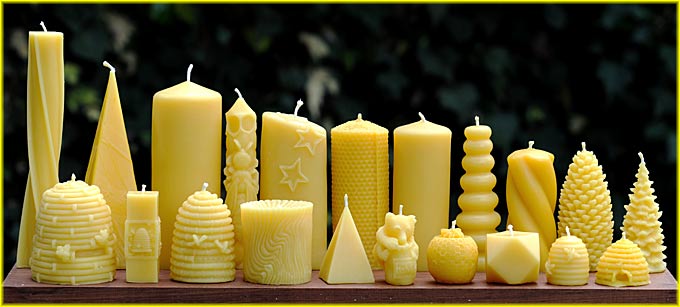
- Choose Pure Beeswax candles. These are without a doubt the best option available. Some manufacturers mix beeswax with paraffin, so definitely watch for 100% beeswax.
What about perfuming my home?
- Why not dip a whole bunch of wood skewers in your favourite essential oil blend and pop it by an open window to breeze through?
- Grab an oil burner and some beeswax tea light candles, and burn your favourite natural scents. Rosemary and Rose Geranium is a favourite of mine, or a little grapefruit in the morning.
- Pop a little water in a saucepan and do a 5 minute simmer of your favourite essential oils – The house will smell amazing in minutes!
- Add a few drops of your favourite oils to your shower while the hot water steams up before you turn on the cold and get in. It’s like stepping into a delicious aromatherapy treatment.
So how am I shaping a better world and a healthier me by changing my candles again?
- By saying no to GM farming when not going with soy candles.
- By saying no to petroleum products by not choosing paraffin.
- By minimising petroleum pollution.
- By stopping indoor pollution and low level lead poisoning from possible lead wicks in cheap candles.
- By saying no to pthalates, which are hormone disrupting chemicals found in fake fragrances, used to scent the majority of candles.
So where do I get real candles from?
I’d recommend BIOME eco stores, Great ranges. Beautiful, natural options.
Or you could ditch the candles altogether and go for essential oils and diffusing. There’s Young Living, Doterra, Twenty8 and Springfields to name a few good brands I’ve looked at and Springfields and Twenty8 are great because you don’t need to sign yourself up as a customer with an account and points and uplines if you’re not into the network marketing aspect of the other two.
Fancy learning more about what’s in everything and reducing your toxic load? Go Low Tox is my buy-anything signature course, which you will then have lifetime access to. It helps you reduce toxins across 22 daily-life topics.
It’s super inspiring and you will feel empowered and a veritable low tox ninja in no time!
Be sure to share your questions or ideas on the best low tox candle strategy with a comment and share this piece if you know a few friends out there who’d benefit from knowing the truth about all those candles out there!

Feature Image credit: Heathmont Money, Australian Honey products website.

Comments 18
Hi Alexx, I’m teaching myself some aromatherapy basics and recently went to grab a tealight candle for my diffuser. I looked at it and thought “I don’t know what’s in this!” As you state, almost definately paraben, possibly lead….so it seemed a bit ridiculous to try and do a good thing using essential oils in a diffuser to only pollute the air with the candle! That said, this weekend I will be trying my hand at making my own beeswax candles – with natural wick in a non-BPA plastic holder 🙂 Thanks for a great post!
Author
You’re super welcome Nicole. Send a pic through of your home made candle. It’ll inspire others and I agree re essential oils. So many tea lights out there are paraffin…
Have a fab weekend, Alexx 🙂
Oops- *parrafin* not paraben!!
Beeswax is certainly the way to go or go without. I have a kilo of organic beeswax that has been tempting me for almost a year…candles or crayons?? Now this is my motivation to get to it!
Author
fantastic! send a pic when you’ve made them 🙂
I prefer pure essential oils in an electric burner. Much less hassle than candles and the scent lasts.
Author
Sounds like a lovely alternative too Sheryl. There’s something about a candle burning that makes me so very relaxed but I do love the idea of the transportability of the electric option 🙂
Interesting read. I noticed that the US’s biggest candle manufacturer Yankee Candle do try to provide clarity on what’s in their yummy candles in a section on their site called Learning Center. May be useful for some of your other readers: http://learning-scenter.yankeecandle.com/yankee-candle-quality
Author
Thanks for sharing Tim.
Hi Alexx
I made the discovery of an amazing woman Cate aka Queen B. She has a factory down in Brookvale where you can see her beeswax candles being made. They are divine. Whenever I need cheering up I pop in there just to breathe in the pure air! In the factory you get wholesale pricing but they are also available online. I hope it’s ok to put the link in here… http://www.queenb.com.au/
best wishes
Helen
Author
Cate is amazing – and how have I not seen this comment until now!? Love Queen B x
Alexx – a bit late to comment but was wondering how you feel about Scentsy products? I am definitely not interested in buying anything, but I have several friends who are vendors for that product. One gave me a scent filled soft toy for our newborn daughter and while I politely accepted, it’s still sitting on the shelf in our living room because I would never put something like that in her bedroom. I have done some Googling, but there is not a lot out there on this. While it’s great that my friends are creating a second income while raising their little ones, it bothers me that so much of it is just . . . stuff . . and perhaps not good for the home environment? In the US Yankee Candle is a big shop here and my MIL had a lot of their products around her house. You can smell the shop before you see it. She gives us one at Christmas and I feel badly but we always throw it out – my husband because he can’t stand the smell and me because I know that the scents are potentially toxic.
Author
Unfortunately Scentsy contains Phthalates – hormone disruptive chemical type. It’s a tricky one with family. You could approach with a ‘I’ve stumbled upon a documentary I think we should all watch together called “Disappearing male” which focuses on phthalates quite a lot… Watching something together makes it less about YOU disciplining the family. xx
Author
your friends should look into Young Living as a business instead if they’re so inclined. That way it’s natural, helpful stuff and a much bigger range to service customers with. I’m happy to help there, or another good natural brand for a ‘have your own business’ type is Miessence. Great products too…
Thank you for your informative article. Any tips on counteracting the extreme “hangover” feeling from phthalate exposure. I’m particularly sensitive to endocrine disruptors since my menopause and become very ill. It seems that almost every shop we enter these days is heavily scented to supposedly draw customers.
I’m interested in the scientific evidence that demonstrates harm caused by GMOs. What peer-reviewed scientific journal articles support the idea that genetic modification is problematic?
Lead wicks have been banned since the early 90’s. Nice try, though.
Hello, are Ecoya diffusers good or bad?