







About this show:
Skin conditions and treatments. That is this week’s show with naturopathic doctor and herbalist Dr Julie Greenberg, founder of rootcausedermatology.com, helping clinicians get to the root of why skin presentations might be happening for that person and how to treat more holistically. She founded her clinic in LA, USA, The Center for Integrative & Naturopathic Dermatology Inc where she also sees patients to support them.
We discuss:
- How we treat skin conditions today and how it’s a broken system, needing stronger and stronger topical treatments and injectibles over time, used on younger and younger patients than was initially considered safe.
- How we can free ourselves from feeling ‘bad’ for what we’ve done to treat our skin issues in the past and see a place for SOS while we work on the long game.
- The difference between eczema, psoriasis and dermatitis.
- How the gut and immune function are intertwined, and can then impact our skin and either create or exacerbate conditions.
- The sun, the bad wrap it gets, how it relates to the 2 different types of cancers called ‘skin cancers’ and what we need to be doing to have a preventative approach to skin cancers.
I hope you enjoy the show!
We’ve done a few shows on skin issues in the past if you need more shows on skin, here they are:
- Asha Everts (brilliant chick who’s since left clinical practice so I’m very glad we have these shows with her to continue to help people; Part 1 and Part 2
- Kiran Krishnan, microbiologist on leaky gut and skin
- Liezel Barnard on strengthening our skin preventatively
And a brilliant masterclass we did on the “Skin Stress Cycle” with live Q&A with Dr Jude Lenart, is in our membership archive library – you can join the Low Tox Club any time for just $49AUD for the year and there are lots of lovely perks if you do! 600+ people can’t be wrong? It’s the loveliest, least overwhelming place on the internet for low tox support and chat.

Alexx Stuart
Founder of Low Tox Life and the Low Tox movement
Join me on Insta @lowtoxlife
Questions we explore in the show:
- What got you especially interested in the skin in your practice?
- Where are the gaps/shortfalls in conventional dermatology?
- What whole-body picture do you look at to improve immune, gut function and in turn bolster the skin?
- Why do some people seem more predisposed to Eczema and others arthritis?
- Crisis care vs preventative resilience building when it comes to skin.
- Looking at the most common things people go to a dermatologist for… Acne – Sunspot checking/aging spots/skin cancer –
- Dermatitis/Psoriasis/Eczema and working through these, what they are, how they happen and how we can treat/prevent holistically.
***
Thank you to this month’s show sponsors for helping you make your low tox swaps easier:
@ausclimate gives you 10% off their range for the whole of 2024, with brilliant Winix Air Purifiers, the best Dehumidifiers I’ve ever used and their new energy-efficient heating range. code LOWTOXLIFE https://bit.ly/ShopAusclimate
@therahealth Nordic Naturals have a reputation as one of the purest, best-tested fish oil supplements in the world and one we’ve had in our family for 16 years. A big thank you for sponsoring the show and growing bigger while staying good and true. https://bit.ly/4eJERnw
Be sure to join me on Instagram @lowtoxlife and tag me with your shares and AHAs of this week’s episode.
***
About Dr Julie Greenberg:
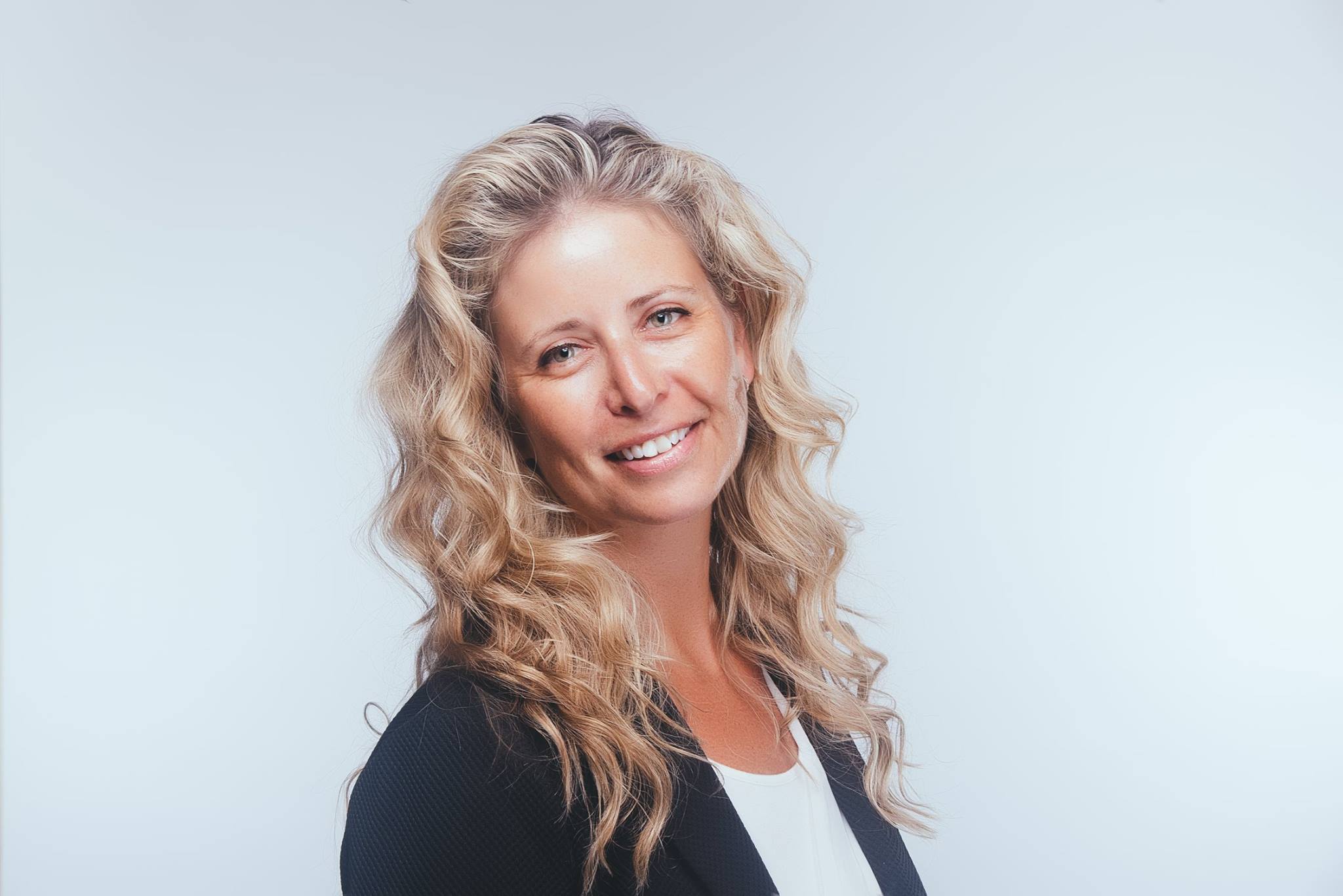
Dr. Julie Greenberg is a licensed Naturopathic Doctor (ND) and Registered Herbalist RH(AHG) who specializes in functional dermatology. She is the founder of The Center for Integrative & Naturopathic Dermatology Inc, a holistic clinic that approaches skin and hair problems by finding and treating the root cause. She is also the founder of RootCauseDermatology.com, a medical education website that trains functional medicine practitioners on how to treat dermatological conditions using her cutting-edge approach. Dr. Greenberg holds degrees from Northwestern University (BA), Stanford University (MBA) and Bastyr University (ND). Her research on the gut microbiome of acne patients has been published and presented at multiple conferences. She teaches dermatology classes at several naturopathic medical schools and is a highly sought after keynote speaker at conferences across the U.S. and internationally.
Connect with Julia on the following platforms;
Instagram— @dermatologycenter
Website— integrativedermatologycenter.com
More about this month’s sponsors:
Thank you to this month’s sponsors for partnering with our show and helping you make your swaps with their special offer:
Ausclimate’s highly recommended range of WINIX Air Purifiers is the ideal solution for cleaner, healthier indoor air. Easy to use, reactive features and settings with a truly comprehensive 4-5 stages of purification, including Hospital Grade True HEPA Filtration and Winix’s unique PlasmaWave® technology. Perfect for smoke, dust, pets, viruses, bacteria, household odours, and allergies (covering a variety of allergens). Breathe easier, sleep better, and feel better. Winix; is the most complete air purifier on the market!

Offer: Ausclimate is now giving all Low Tox Life followers an EXTRA 10% OFF their already discounted prices. Simply enter the discount code of LOWTOXLIFE on check out via: https://www.ausclimate.com.au/
This discount can also be redeemed for over-the-phone orders verbally.
Website: www.ausclimate.com.au
Facebook: www.facebook.com/Ausclimate
Instagram: www.instagram.com/ausclimate
Something that has been a staple in our house for 15 years is Nordic Naturals. I’ve not been without it for 16 years. Genuinely. My naturopath had me on it during pregnancy, and since Seb was a little dude, our paediatrician has had him on the Arctic Cod Liver Oil for brain and immune support and so we both take our teaspoon at breakky like the great grandmas used to get their families to do. It’s a mainstay for me due to my family history that shows I benefit from added support for both brain and vascular systems as well as all the good lifestyle measures. It’s a great wellbeing all-rounder.
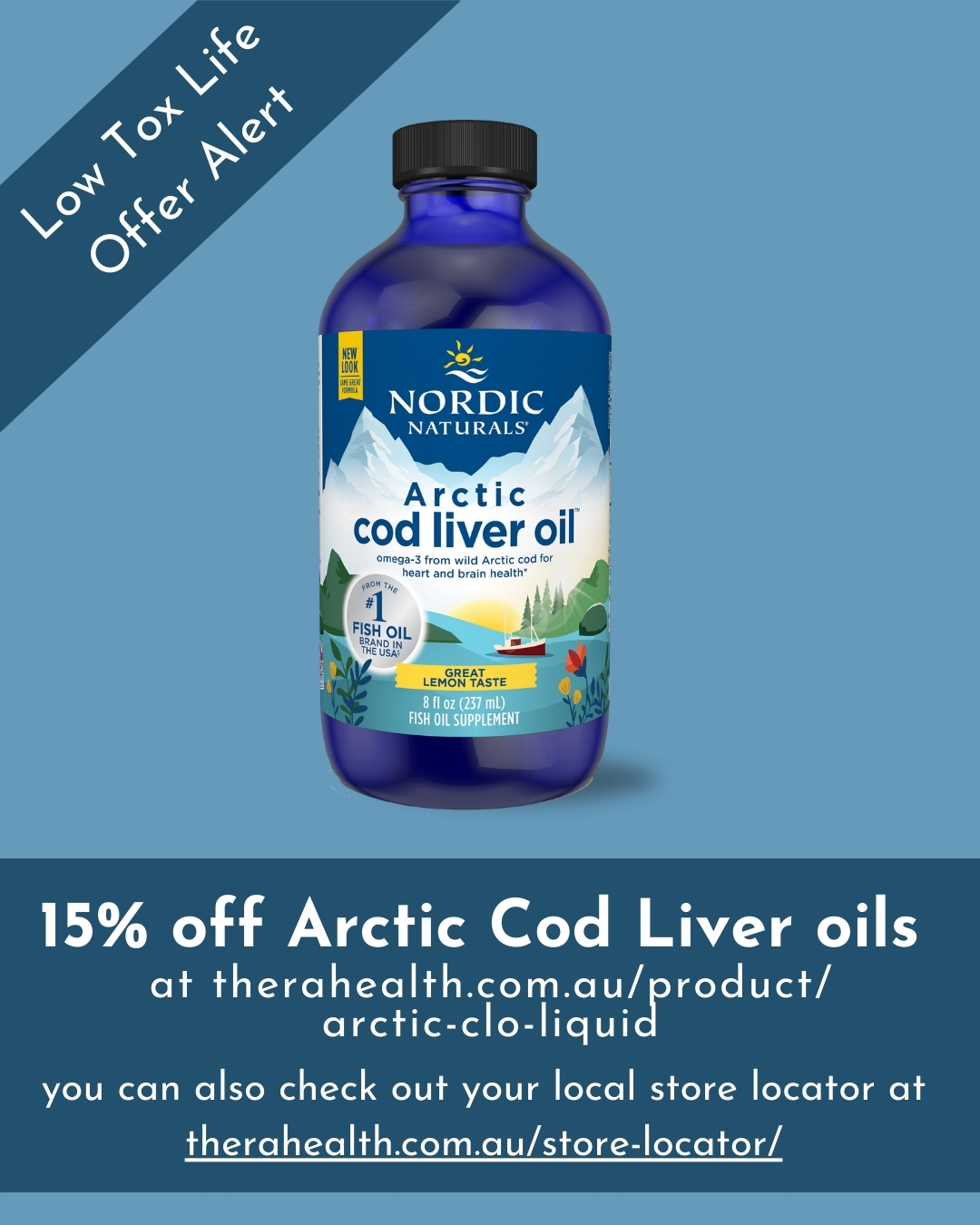
The Nordic Naturals Arctic Cod Liver Oil liquid is:
- Made from 100% wild Arctic cod (Skrei)
- No other fish oils or synthetic additives are ever used
- Has always been derived from sustainably sourced 100% wild Arctic cod, containing only naturally occurring vitamins and essential fats and nutrients, no other fish oils or synthetic additives are ever used.
- Every step of production from boat to bottle is managed by Nordic Naturals to ensure that their oils are of the highest quality, exceptionally fresh, stable, and effective. If you’ve smelt how gross rancid fish oil is from a cheap supermarket brand, you will know what the difference of a high-quality fish oil is! Rancid oil ingestion is never a great idea.
- They’re a great company that’s found a way to grow ‘good’ instead of grow and dilute quality which often happens.
Do you regularly take a fish oil? Have transparency and peace of mind on the quality front? If you don’t, Nordic Naturals is widely available to give a try, Alexx x
October 1-31st = 15% off Arctic Cod Liver oils at https://therahealth.com.au/
Find it for better prices at a retailer near you which can be located by using the Thera Health store locator – https://therahealth.com.au/store-locator/
***
Title show track, by LIOR.
Love the podcast music? You will hear excerpts from Lior’s track “Caught Up” – go check it out on iTunes or Spotify if you want to hear the whole song or album, Scattered Reflections. Co-written with Cameron Deyell, it’s a great song and I love the reflective energy of it – perfect for the show, right? Enjoy. Lior is always touring, so do check out his website. It is wonderful to hear him sing live, trust me.
Low Tox Club – The place to bring your low tox life to life.
Want to join a community of like minds and enjoy all the perks of being in the Low Tox Life inner circle such as an online membership platform, 50% off all our Low Tox courses, an awesome chat group, my monthly Q&A, and special guest star interviews for just $49AUD ($29USD/28EUR/23pounds) per YEAR? We have created a special place and set of resources to help you achieve your goals and it’s a wonderful place to be – MORE DETAILS AND REGISTRATION HERE.
***
If you would love reading like me or you just simply want to go through the full transcript, you can check below.
[Alexx Stuart] (0:00 – 8:57)The way we are treating skin conditions has got to have a shake up. That is today’s show. Hello and welcome to the Lotox Life podcast.
I’m Alexx Stuart, your host, founder of the and I’m thrilled to welcome you here to show 403. We are talking holistic dermatology today and I found a wonderful naturopathic doctor in the States, Dr. Julie Greenberg, joining me today. Julie realised that the way we looked after things that presented in the skin such as eczema, psoriasis, dermatitis, even skin cancer, which we talk about today as well, it’s a bit broken and you need often to start on drugs that get stronger and stronger and require more and more use over time or if you stop them, it all just comes back and I know a tonne of people listening today will really resonate with that. Now we’ve done a few shows on skin that have been epic over the years so I’m actually going to link to all of those in the show today for anyone who is working on their skin specifically. We’ve also had a fantastic masterclass in our Lotox club membership, which by the way we have every month and which by the way is only $49 Australian a year so that’s like 30 euro or American dollars and it’s where we unpack things deeper and we had Dr. Jude Leonard from BioFirst on the show on a recent masterclass discussing the skin stress cycle, which is also fascinating. But Julie’s work and practise is, you know, she founded the Centre of Integrative Naturopathic Dermatology and it’s a holistic clinic that tends to work towards finding root causes for things and applying a tonne of different ways to support healing, to support immune regulation and improve the skin’s resilience, which in turn of course supports people who have these sorts of skin presentations such as eczema, dermatitis, psoriasis. It was awesome to catch up with her, she holds degrees from multiple universities, she’s passionate about the gut microbiome, acne, which we didn’t speak to specifically today but she’s published many papers and presented at multiple conferences and I hope you love that chat.
Now and before we start that chat I will remind you that this show happens every single week for free wherever you are in the world, changing lives in all sorts of wonderful ways that I learned through my DMs and emails and the sponsors, they really do help us make this happen for you. A lot of people don’t realise how much it costs, costs about 50 grand a year to put a show on of this calibre with all the people that are involved and so Nordic Naturals is our show sponsor this month and of course AusClimate is our major sponsor all of 2024. Now Nordic Naturals is available worldwide, that is the good news, such a fantastic omega supplement range.
I love how transparent they are and I love their commitment to independent testing of every single bottle and batch and it’s so rare right, we often feel completely hoodwinked by industry who get to just publish safety data sheets and say you know generally regarded as safe or we’ve tested this and it’s all fine in our internal lab. Independent testing is key to a sense of trust and accountability and people in our community know this and gravitate towards brands who are really passionate about it. Nordic Naturals is one of those brands, a market leader in omega 3 supplements and the arctic cod liver oil is one of the very special products in their range and something we’ve taken by the spoonful, me since pregnancy, Seb since he was about one and still trying to work on convincing the husband to get on board but you know 16 years I’ve taken this incredible supplement and it’s just wonderful and you can put in your lot number on their website and it’ll show you all the independent lab testing certificates from certified labs.
They’re very committed to sustainability, gosh I can’t talk this morning and you have the entire transparency available on their website, it’s brilliant. So if you want to give a good quality fish oil supplement a go the arctic cod liver oil from Nordic Naturals is superb and it doesn’t taste fishy but you could drizzle it through say a salad if you didn’t want to take oil pure that’s fine or you could just stir it through your smoothie that kind of thing just in case the oil factor irks you but honestly you just get used to it and it’s a wonderful supplement to take in the mornings and there are therapeutic doses you can chat to your practitioner about if you have inflammatory issues or concerns around cardiovascular health. I know my mum got put on a more a stronger larger dosage let’s say because she takes it too.
So 15% off code lowtoxlifetherahealth.com.au and that is specifically for the arctic cod liver oil to give that a go but everyone in the world just jump on a website google arctic cod liver oil Nordic Naturals and you will see that they’re available extensively throughout the world and of course with us climate your dehumidifiers your air purifiers with dehumidifiers please don’t wait until flood events or leaks or humid seasons or big weeks of rain get in front of it now and just have one have one have a small compact 16 litre for example for your showers to really dry your bathroom out have a larger 35 litre or 50 litre for your big combined living dining spaces um or for using if something does happen and you really need something powerful with a good motor to get ahead of the humidity and the wetness and dry things out you will never regret owning one of these things I promise I get life-changing emails and dms every day saying oh my gosh I didn’t even know I had a moisture uh excess but it took 20 litres out of my bedroom in the last 24 hours since I’m packing it these are the kinds of stories I get you kind of can’t know until you try one with dehumidifiers and of course if you have allergies in your household and you’re working on the gut health piece and strengthening your immune system but you really need some support right now the Winix air purifiers are a fantastic range with a range of prices and sizes for different needs as well and the guys at Ozclimate are always happy to receive an email uh to ask you know okay this is our floor plan what do we need very helpful people so that is 10% off even if they’re on sale and that’s lowtox life as well from now on lowtox life is the code for anything on the podcast makes it nice and easy for you guys let’s jump into talking about holistic dermatology enjoy Julie hello how are you I’m doing well thank you so much for having me Alex oh I am really excited you know I literally combed the internet to find who was talking about dermatology in a way that wasn’t just let’s like burn things off and zap things here and whack a cream on it because the skin is part of our body and it just blows my mind that we are where we are with like wait lists for months to get into people who then end up treating the skin as a surface issue and I came across your work and I’m thrilled to have you here joining us
[Dr Julie Greenberg] (8:57 – 9:33)well thank you so much yes there as we were chatting a little before there is there are big problems in conventional dermatology the system is kind of broken and I think it’s hard on the dermatologist and it’s hard on the patients and like you said you can wait three to nine months to get in to see a dermatologist but they all are going to kind of do the same things so if you have eczema they’re going to hand you steroids to put on your skin or your children’s skin which doesn’t fix anything it just you know squashes and pushes down inflammation or you know if you have acne they might try to put you on spironolactone or accutane and none of these [Alexx Stuart] (9:33 – 9:56)
things fix the problem so it’s it’s frustrating really frustrating and what got you interested was it a personal issue that you’d experienced or patients were coming to you for other naturopathic concerns as a doctor and then you thought well hang on like their skin is stuffed and when we fix that we’re seeing this that’s amazing what was it yeah so I’m an ND in [Dr Julie Greenberg] (9:56 – 11:59)
naturopathic doctor and that’s different from an MD medical doctor the MD is kind of conventional doctor the ND the naturopathic doctor is is a more holistic alternative degree we still have four years of medical school but we get trained in the use of herbs and supplements and diet nutrition you know lifestyle and we really focus on preventative medicine and being a naturopathic doctor is the second career for me so I originally was in I went to business school and I worked in business and it was really a passion that drove me to become a naturopathic doctor and I like to say that the way I got to dermatology was very naturopathic because it was through another problem in the body and as naturopathic doctors we always say you have to treat the whole person because the all the organ systems are interconnected so like we’re saying like we can’t just take off the skin and make its its own separate thing it’s not it’s attached to everything else so I was diagnosed with Hashimoto’s hypothyroidism and autoimmune thyroid disease after I graduated from business school and when I you know went to the doctor it was my first experience with you know a chronic issue and really you know being in the medical system for a real problem and it was so disheartening to hear them say well we don’t know what causes it there’s nothing we can do to fix it and you’re just going to be on medication the rest of your life and you know the symptoms are going to be there and that was very depressing and so I started just trying to do research and thought like how can that be the answer you know and the more research I did the more I found out about the things that we put on our skin just the everyday personal consumer care products and how much just junk was in them chemicals endocrine disruptors and of course the thyroid is an endocrine gland hormone disruptors and it was really shocking to me and so I started trying to make my own skin care trying to clean things up and that’s really when I fell in love with the skin so it was my thyroid that got me to my skin in a very naturopathic way [Alexx Stuart] (11:59 – 12:44)
that was very naturopathic uh well while I don’t love that story for you because you had to go through that at the same time it’s funny how our mess becomes our message isn’t it absolutely yes so we we spoke super briefly at the start about the gaps and shortfalls of conventional dermatology and I love that you mentioned it’s unfair for the dermatologists as well because no health professional signs up to be a health professional to keep people sick like that’s not the plan you want you do it because you want to help people get better and I’m sure you would have MD friends who you’ve discussed these issues with over the years I’d love to see what insights you can give [Dr Julie Greenberg] (12:44 – 14:44)
on their frustrations as well yes well for both for dermatologists and everyone who’s in at least in the United States our medical system is you know based on health insurance and you know then getting prescribed pharmaceutical drugs and doctors in the United States have to see on average 25 to 40 patients a day because that gets built through insurance and that’s how they make a living so 25 to 40 patients a day is expected if you’re in the conventional U.S. insurance model whether you are seeing patients at your own business or whether you’re working for an employer that is a tremendous number of patients you know I want all of you who are listening who are not doctors to just think about shaking hands with 40 people a day and saying hello what if that was all you had to do is go down a line and say hello right you’d be exhausted now you have to treat 40 people hear their problems quickly get them an answer there is no time these these doctors do not have time they burn out um maybe they have 15 minutes max with a patient and so all they can do is hand these prescriptions and that’s what they’ve been trained in is prescribe a pharmaceutical so all of that education and money that they spend they’re trained on you know just writing a script it’s very difficult for them and they do get burned out I actually have a course called root cause dermatology and it’s a professional course where I teach licenced healthcare professionals how to treat dermatology the way I do and I have many many MD board certified dermatologists who have come through the course because exactly what you said they’re like I did not sign up to be handing out tubes of steroids that aren’t even working I’m so burnt out I don’t want to practise anymore I don’t want to be a doctor anymore and then you know I saw this and it’s a totally different way to practise medicine it’s completely fulfilling you aren’t seeing patients at this volume so at least in the United States our healthcare system is broken between this insurance and pharmaceutical [Alexx Stuart] (14:44 – 15:44)
model and the doctors are caught in between yeah and I have to say it’s kind of similar in Australia we’re a bit of an America light sometimes when it comes to medicine and you know my own doctor who’s helping me through mould illness by literally just looking at research papers and what people are doing because the integrative model is also a bit broken in how expensive it can end up privately right and so he said well let’s just figure this out and we’re doing it together and he said you know I don’t want to send you to any specialists because I know they will just laugh at you and so we’re just going to have to figure this out and I just like we have these conversations and he’s like okay I’ve got to I’ll do some more research tonight and I can see him struggling through his model as well and through how limited the education he received was in terms of going pardon the pun but it’s a really freaking good pun for this moment [Dr Julie Greenberg] (15:44 – 16:37)
off script yeah yeah and you know like you said you’re dealing with mould or mycotoxins there’s a lot of doctors and I treat mould and mycotoxins within my derm patients but there’s a lot of specialists but it’s like you’re saying you if you go through classic insurance and try to get referred to a specialist they are going to laugh at you they haven’t heard of really mould or mycotoxins even though it’s well established in the literature there are court cases at least in America where you can sue for black mould like Saki Botry’s mould and we know from farmers that you know animals like flocks of birds or you know herds of cattle or goats or sheep die and get very ill from mould and mycotoxin poisoning so it’s a real thing but it’s not at all within the conventional model you have to go out into more of the functional medicine or naturopathic model and yes a lot of times you’re going to pay cash and it certainly can be expensive for the patient [Alexx Stuart] (16:39 – 17:17)
so for me one of the best things we can do is actually educate people on how to take steps that they can take and have the power to take every day and we’re going to do that with skin so there are obviously a tonne of skin conditions that would come up on repeat how what would you say rises to the absolute top i think the eczema child whack them on steroids and basically if you want to keep it at bay you have to keep on with the steroids like that to me is one of the most broken ones because it’s our children that we see this proliferating in more than any generation [Dr Julie Greenberg] (17:17 – 18:12)
before can we unpack that one first yeah um let’s definitely talk about eczema and we’ll have a lot talk about because for all of the chronic derm conditions the conventional model is let’s whack it on the head and knock it down and wait for it to get up again and knock it down again um certainly 100 with eczema because the first line thing that you are going to get handed if you go to a dermatologist for eczema or if you bring your child to a dermatologist for eczema is steroids topical steroids that’s the first line that you’re going to get and there’s seven classes of steroids so class seven is the weakest steroid that’s hydrocortisone and you can get some hydrocortisone like over the counter from the drug store at least in the us and then you start going up to stronger steroid topical steroids they need prescriptions until you get all the way up to class one super potent steroid um something like clobetazole that’s 600 times the strength of [Alexx Stuart] (18:12 – 18:19)
hydrocortisone whoa yeah and and so do you end up kind of progressing through these levels because [Dr Julie Greenberg] (18:19 – 20:13)
they stop working steroid ladder yeah it stops but you’re putting it on you’re putting on more and more it stops working so they’re going to step you up to the next class of steroids and then that will stop working and you go up and up and what’s interesting is for these really potent steroids from like class four to class one when they first came out you know there was all these warnings do not use for more than two weeks do not use this one on the face do not use this one on children i mean there was all of these you know very stern warnings about how to properly use the and it’s really been thrown out the window because there haven’t been good options for squashing the inflammation with eczema and so it’s like we said they have to go to stronger and stronger steroids and so they started using them on younger and younger patients and all over and there’s kind of no rules now i mean i have patients who have been using topical steroids for like 20 years and now there’s other topicals that you’ll be offered by a dermatologist where they’ll say it’s not a steroid and that is technically true so something like tacrolimus which is a calcineurin inhibitor or protopic or something like eucrisa is a pve4 inhibitor they are not steroids but what you heard in both of those drug classes is inhibitor so it’s a similar thing it’s just squashing down inflammation they don’t try to get at the root cause of it and now the problem is that they’ve come out with these injectable biologics so dupilumab is the generic name and dupixent is the brand name and that’s an injectable biologic that squashes the immune system so now we’ve gone from just putting things on topically we’re going to inject it we’re going to push down the entire immune system and this drug is uh in the united states at least i don’t know about australia but in the u.s it started off approved for adults and then they kept going lower and lower it’s now approved in infants six months old oh gosh and can you talk us through [Alexx Stuart] (20:13 – 20:21)
um some of the the negative long-term impacts some of these drugs can have just so we connect to [Dr Julie Greenberg] (20:21 – 23:08)
a why on like fixing this problem yeah so with topical steroids there are known problems like thinning of the skin um you know you can get scarring um it stops working and then worst case scenario something called topical steroid withdrawal syndrome where when people have used it for a considerable amount of time especially with those stronger ones and then they suddenly stop using it the adrenal gland kind of gets messed up because the adrenal gland produces cortisol and there’s just a whole problem that happens where the system gets confused and with oral steroids so if you take like an oral prednisone um for long enough the doctor must taper you down because it’s understood that it’s life-threatening if you don’t but for some reason with topical steroids there’s been this complete resistance to admit that we’re absorbing enough of it to kind of cause a similar thing now the good news is again i i apologise but i only know for the u.s you know the national eczema society has recognised topical steroid withdrawal it’s on their website um in the u.s our insurance billing codes are what are used to diagnose things and then we should be getting an icd um insurance code for tsw within the next year or two which then will allow for insurance and coverage and research so topical steroid withdrawal is certainly the worst part of um using like long-term topical steroids do pixiv the injectable biologic you have a different problem so anytime you talk about injectable biologics you know our immune systems have lots of different ways that they can fight and i talk to my patients i say it’s like our armed forces we have uh air force in case the threat comes by air we have a navy in case the threat comes by sea and we have an army in case the threat comes by land we need to be able to respond in different ways to different threats so does our immune system there are biologics for different diseases but in the case of eczema and dupilumab it’s a th2 pathway which is our allergic pathway inhibitor so it’s going to inhibit the ability to respond to certain types of events that that the body sees we know that there’s a big issue with conjunctivitis so i eyeball inflammation um with it but there’s other problems like fungal infections that are coming up i was going to say yeah i mean you’re suppressing the entire path of the immune system you’re going to have more susceptibility to certain infections and other issues so and it all it is is in a suppressive so the minute you haven’t solved the problem you can’t go off it not to mention [Alexx Stuart] (23:08 – 23:15)
fungal infections can then exacerbate or bring up eczema ironically there’s something called [Dr Julie Greenberg] (23:15 – 24:36)
dupilumab dermatitis which is people were getting these like red rashes all over their face and neck and it was due to this fungal organism malassezia yeast which is on all of us couldn’t fight it because they were on dupilumab um and similar things happen you know we haven’t talked about psoriasis yet but there’s a whole boatload of biologic injectables for psoriasis and you know it’s the same thing it’s just inhibiting different part of the immune system the th17 ability to respond to like bacteria and fungi so it’s the the focus on pharmaceuticals the focus on suppressing symptoms is where we are going wrong in conventional medicine and i think we’ve kind of lost our sanity about it like it doesn’t make sense we we think we’re so fancy with all this research and medication but like let’s just take a step back why are we suppressing it why aren’t we trying to fix it the body should not be having eczema the body should not be having psoriasis we should not even be having acne why are these things happening and that’s what naturopathic medicine does is let’s we’re like two-year-olds why why why right we want yeah funding the wise until we get to that answer and say okay now i get it now i know what i can do to fix this and that way i don’t have to suppress it but we’re going to fix it very broken indeed and [Alexx Stuart] (24:36 – 25:03)
so you’ve mentioned their eczema psoriasis and dermatitis and these guys often get grouped together in three when they get mentioned but they’re obviously different is it dependent on the bioindividual as to which one you get and root causes that then push out a certain result or are they just separate and they happen for separate reasons yeah the first thing is dermatitis [Dr Julie Greenberg] (25:03 – 27:51)
is just skin inflammation so it’s not telling us why usually we’re putting that in the same bucket as eczema which is atopic dermatitis or allergic dermatitis but just to be technical there’s you know lots of different types of dermatitis but if we look at eczema and psoriasis i would say that there’s similarities in terms of what drives it and then differences the similarities my approach is i like to see what is going on in the gut microbiome and i think at this point people have heard of the gut microbiome but if you’re not sure what it is exactly it’s an adult patients it’s about three to five pounds of microbes so trillions of microbes that are living in your gut rent free and we feed them for free and the reason we have these microbes is that we’ve co-evolved together we cannot exist without them and they can’t exist without us so we we are living this commensal life together and it’s a lot of bacteria but it’s also fungal organisms things called archaea we can have protozoa viruses worms all sorts of things in there we need a we need a microbiome we need a gut microbiome that’s essential but a lot of our western lifestyle causes dysbiosis or dysfunction in our gut microbiome where we don’t have enough or even the presence of the good guys that we want and we have too much or you know way overgrowth of the bad guys and that’s where i start is by testing and fixing the gut microbiome so every patient who walks through my door has to do a stool test and a urine test called an oat and the reason i’m having them do these is that this will show me what are the microorganisms living in their gut and in which amounts and what do i need to do to fix things because our immune system is really driven by our gut microbiome the the good guys are there to keep a healthy and calm immune system and things go awry when we have things like leaky gut or overgrowth of unwanted organisms so for me like all of the dermal dysfunction whether it’s eczema psoriasis rosacea alopecia areata acne whatever it’s all going to start with the gut microbiome and me doing these two foundational tests to see what’s going on now that being said you know i tend to see different patterns so in eczema i tend to see a certain pattern of stuff going wrong that’s very different for example from my acne patients so you know i would say that sometimes there’s similarities but there’s definitely differences between all the diseases what’s happening on the skin the skin microbiome and also what’s driving the bus so to speak like is it more of an army problem or a navy problem to go back to that example we talked about before yeah practical analogies love it [Alexx Stuart] (27:51 – 28:26)
and and so you mentioned patterns can we get a bit nerdy and talk about some of the patterns you do see on both an oat which for people who might not know that one is an organic acid test a urine metabolite test and the stool test and because i know everyone’s going to be like what type of stool test alex she didn’t mention it i’m asking you now just to have the preferred one that you use in the states because we often actually believe it or not as australians ship our poop to the states to get analysed and our urine because we don’t have labs big enough here to do it yet [Dr Julie Greenberg] (28:27 – 28:33)
yeah so my favourite stool test is the gi map by diagnostic solutions labs and they have an [Alexx Stuart] (28:33 – 28:44)
affiliate in australia we do we have thera health so um you can definitely go through your naturopath or nutritionist locally to get that here but we have lots of american listeners who [Dr Julie Greenberg] (28:44 – 32:20)
are going to be able to ask for that too yes yes and i know that gi map has distributors throughout the world so wherever you are you can check and see if your functional medicine doctor you know can get them but that that’s the stool test i use um and okay so the patterns yes so um with eczema i see a leaky gut and let’s go back and again i think this is a term that a lot of people have heard of and then if you say do you know what it is or like maybe if you explained it to me so our gut most people are surprised to hear we have a lot of mucus production in the gut um it’s a thick mucosal layer that acts as a barrier and why do we need a barrier well let’s kind of think through the biology of this the chemistry we eat and we poop right so it’s the beginning of the digestive tract the end of the digestive tract what’s happening in between we are digesting the food and extracting nutrients and then we’re getting rid of the waste so we got all these nutrients in the stomach and in the intestines do we want it to stay there do we just want all the nutrients living in our intestines you know no of course no thank you every cell of our body needs these nutrients that’s why we’re eating the hair on your head needs nutrients your pinky toenail your brain your heart your liver everything so how do we get the nutrients to every cell the bloodstream is the superhighway of the body and so we absorb the nutrients through our gut into our bloodstream so we need a semi-permeable gut in order to absorb nutrients and stay alive but we don’t want everything getting into the bloodstream from our gut we don’t want all that bacteria and you know the three to five pounds of microbes living in the gut they belong in the gut not getting in the bloodstream or undigested food or things like that and so that mucosal barrier i was talking about is really the guardian it’s like the bouncer at the door saying oh you’re you know a carb come on through your glucose here we go your vitamin a yes walk on through and then when it sees a bad guy like oh wait you’re a microbe no no we don’t want you in the bloodstream you know you’re not fully digested food nope stay out here we we want this kind of process where certain things get through but other things do not and that thick mucosal surface navigates this for us naturally and some of the good microbes in our gut are there to help keep this mucosal barrier healthy in a leaky gut that mucosal surface is degraded and we have kind of entry into the bloodstreams to unwanted organisms and so that leaky gut picture is definitely what i see on uh in my eczema patients and i see that in the form of there’s two commensal bacteria that help maintain the gut microbiome one is acromancia muciniphila and another is fecalibacterium presnitzii and those are either low on the gi map or they are below detectable limits meaning not found then secretory iga is another marker i use for leaky gut that is secretory immunoglobulins it’s the immune system of the gut and it comes from that mucosal surface if that’s really low that’s also an indicator that that mucosal barrier is really degraded and low as well now there’s other markers you can order a zonulin and other things it’s not like one marker for leaky gut um but the pattern i tend to see is low or no acromancia low or no fecalibacterium presnitzii and a low secretory iga i see that on an eczema and then i see overgrowth of staphylococcus and streptococcus bacterium and candida yeast so that’s kind of the eczema gut and acromancia is kind of one of [Alexx Stuart] (32:20 – 32:38)
those new buzz um strains that a lot of people are talking about the supplements for that strain tend to be quite expensive are they effective in your clinical practise have you seen people being put on them and it really helping things yeah i do use the acromancia probiotic i [Dr Julie Greenberg] (32:38 – 33:10)
use the one by pendulum therapies um i think there’s two elements to probiotics one you know is it going to repopulate the gut we know that they don’t kind of work that way it’s more the postbiotic effects like what those microbes have made and what’s in it so you know my plans are complex i haven’t just ever tried a just acromantia plan but i do use it in my plans i just even if it’s not repopulating the acromantia on its own that the postbiotics from that missing [Alexx Stuart] (33:10 – 33:37)
acromantia could be helpful yeah really valid point and in terms of the the leaky gut and the things you see that tend to correlate with your eczema patients why do some people have a leaky gut and not get eczema you know like what is there something extra that’s happening that would then cause it to present on the skin for certain people yeah you’re right so just because [Dr Julie Greenberg] (33:37 – 34:34)
you have a leaky gut absolutely does not mean that you have access you know you have eczema but part of it is genetic so we know that people with eczema or psoriasis or alopecia areata there does tend to be a family history so there’s certain genes that might kind of predispose you to it there’s a protein uh that we make in the skin called filaggrin and filaggrin goes on to make something called natural moisturising factor nmf natural moisturising factor protects the skin from overgrowth of something like staph aureus a lot of people who are predisposed to eczema have filaggrin gene mutations especially people who have had it as infants so they don’t produce as much filaggrin as like kind of you know typical genetics you know typical people do so they’re going to be predisposed to it and then when they get the leaky gut kind of everything goes off so i think there’s a lot of reasons but there’s certainly a family history and a genetic component to are you going to is this problem going to lead you off to develop eczema or more [Alexx Stuart] (34:34 – 34:40)
of a psoriasis picture and then so how is psoriasis different let’s talk about that [Dr Julie Greenberg] (34:40 – 36:50)
yeah so eczema we talked briefly before is this th2 pathway and the th2 pathway is an allergic response so when the body sees an allergen it’s going to go for th2 and everyone with eczema has got a lot of th2 response there’s other the th stands for t helper cells so it’s a type of immune cell traditionally we thought of eczema just as a th2 as it turns out there’s other responses that can be happening like th1 and th17 but it’s always and predominantly this th2 response psoriasis is heavily a th17 response which is a non that’s not the allergic one we don’t see th2 in psoriasis we see th17 why are th why are t helper cells 17 up regulated we tend to see bacterial and fungal at mucocutaneous sites so things like the respiratory tract the gut the skin and for psoriasis the number one most known environmental trigger trigger is getting strep throat and so that’s a bacteria at a mucocutaneous site that’s going to set this th17 path off that’s not the only one but you know it can be gut dysfunction and other things psoriasis is th17 and th1 so predominantly th17 with kind of a secondary th1 so it’s different immune responses to different problems again it’s you know navy army air force or where is the problem coming from you’re going to have a different response and with eczema we typically see patches on what we call the flexural surfaces so the inside of the elbow behind the knees where the where the limbs will fold in fold up it’s that pocket area inside the elbows behind the knees psoriasis tends to be these scaly plaques on the extensor surfaces so on the outside of the elbow on the top of the knees when you extend the limb onto that outer joint that’s where we see psoriasis those are the only places but that’s kind of the typical you know spots for where you’re [Alexx Stuart] (36:50 – 37:36)
looking for things yeah and and so in terms of root cause and a root cure like obviously we don’t want to make people feel bad who might be on conventional treatments right now but my hope is that we start to realise that while they may provide a function in an sos context because people have to live and of course we don’t want people hurting and burning and not being able to show up to work totally get that we also want to really step through some of the ways that we can start having more empowered conversations or at least starting to seek out health professionals in our own lives that want to have those conversations about the long game [Dr Julie Greenberg] (37:36 – 39:03)
right yes and 100 a lot of my patients come to me already on some of these injectable biologics or whatever they were suffering so badly and they just needed something to allow them to live day to day function and i think when you look at conventional medicine and pharmaceuticals that’s where it shines right it’s amazingly powerful but we can use that for short periods of time to control symptoms while we’re trying to figure out what’s going on people should not needlessly suffer and and levels of anxiety depression and even suicidal ideation are increased in people with these dermal conditions these are not vanity issues these are systemic inflammatory conditions that can be really life-changing and debilitating so 100 if somebody needs these medications i think they should go on it and please for anyone who’s listening do not stop your medications without talking to your healthcare provider it can be dangerous to just stop them so you always want to work with your prescribing physician you know on any changes in medication but the way i use it is like if you know usually patients are coming to see me because they’re on these drugs but they want to get off it they want to be able to find the root cause and treat it and get back to a healthy place with their body and their life and so that’s what we do investigating what’s driving this process for them while they are on the medication to kind of control the symptoms and [Alexx Stuart] (39:03 – 39:48)
allow them to live and and when we start with gut health you know that’s one of those really interesting things for me because obviously we hear a lot you know i’ve had kieran uh on the on the show your show a couple of times um and we’ve talked about the importance of eating the rainbow and quality protein and starting to up your fibre but if we up the fibre in a sick patient that can really backfire um and so eating healthy to repair the gut often comes in stages as well can we just speak to food for a little minute uh and how you would often find yourself guiding people [Dr Julie Greenberg] (39:49 – 40:48)
in that area i focus on many of the same things eating the rainbow um and for my adult patients i do like them to work up to 35 grammes of fibre a day and 30 different plants a week so we’re looking at quantity and diversity but the first thing we do before anything is i have them track their meals their diet for about three or four days so that we can see right now how much fibre are they averaging because while the goal is 35 let’s say they’re at 15 we can’t just flip a switch and go to 35 because it will be very hard on their system they can get constipated they can get a lot of gas and bloating and burping and really uncomfortable so we have to slowly work up the fibre and you know say we’re not in a race and so i like to do that with about one serving um increasing a serving of vegetables a week and just allowing their system to kind of adjust to that go really gradual yeah [Alexx Stuart] (40:48 – 40:59)
and then in terms of herbal medicine there’s obviously some really beautiful herbs that can be used to start supporting both the gut and the skin what are some of your favourites yeah so those [Dr Julie Greenberg] (40:59 – 42:18)
are my workhorses my heavy lifters are my herbs and you know as a naturopathic doctor were trained for four years and in herbs i’m also a registered herbalist through the american herbalist guild um so they’re what i use and there’s so many beautiful herbs i mean i love neem oregano garlic berberine uva ursi caprylic acid grapefruit seed extracts i mean there’s just some great herbs out there i like to use formulas i so i use a lot of like combinations and i switch up the herbal protocols about every two and a half months oh and why would that be is that because bodies again get used to different herbs yeah i mean certain herbs even in combinations are better at attacking different organisms there may be an unwanted impact on some commensal organisms that we can’t necessarily control for so after a patient has been on it for about two and a half months we switch them up and just make sure that we’re not kind of hitting the same organism you know over and over without making changes over time it’s not like antibiotics where you’re going to get resistance antibiotics are one chemical and it’s much easier for microbes to get resistant to that one chemical um but even the blends of of herbs do a better job on certain organisms than [Alexx Stuart] (42:18 – 42:54)
others so you have resistance in that way got it and in terms of uh our kids obviously we’re seeing a generation with skin issues greater than ever before um what are some of the key things that you think women could even be doing in pregnancy to like is there any research starting to show that what we could be doing in the preconception and and pregnancy phases start breaking this crazy pattern we’ve seen of proliferating skin issues yeah there’s a couple things i mean if at all [Dr Julie Greenberg] (42:54 – 43:53)
possible avoiding antibiotics while pregnant or you know early antibiotics early in an infant’s um it really just destroys the gut microbiome and so you get this short-term benefit but long-term it can cause damage i have a lot of patients where um i’ve been treating an infant with eczema and or a toddler and then the mom is thinking about getting pregnant again and so oh there’s a lot of those moms where i’m treating their gut microbiome they don’t have skin issues necessarily per se but the baby was born with such gut microbiome dysfunction that we fix the moms before she goes to get pregnant again and of course nothing is you know a guarantee nothing is 100 but having mom have a good healthy gut microbiome to support a developing new life because mom is the donor of her gut microbiome to the baby i think is really helpful yeah absolutely [Alexx Stuart] (43:53 – 45:47)
i remember my naturopath putting me on a very um comprehensive programme during pregnancy to get that piece right um sadly i was also part of a generation where if you had that um i think it was strep b positive test probably they gave me antibiotics at birth like during the labour and uh and you know we all wish we could turn back time sometimes when we learn new stuff but i am of the opinion that we get excited about what we know now and we can do now rather than um things we didn’t know and operating in regret um in in in wanting to help people not regret things like that because so many women have thought oh god i’ve got to do the best for my baby and then you’re in the the fear like we can actually improve gut function and therefore skin resilience at any age and stage right any age yes so good now i want to talk lastly about sunspots and skin cancer um a controversial topic which i don’t think it needs to be i think we should all be on team let’s reduce skin cancer i don’t know why that’s controversial to then actually have a debate about how best to do that but it is um so something so many people go to the dermatologist for is zapping and cutting off of little bits and pieces of their faces because they’re pre-cancerous or and and i’m certainly not um disagreeing with any doctors doing any of that by the way um but what is your take on how um much skin cancer is proliferating and how it correlates with us staying out of the sun and with more sunblock than we’ve ever used [Dr Julie Greenberg] (45:47 – 51:04)
before yes so let me just say you know i’m a naturopathic doctor who specialises in dermatology i’m not a dermatologist treating skin cancer is not within my scope of practise so i’m not taking care of skin cancer patients but i have a lot of patients who have skin damage or you know history of things and there’s things that we can do i i think that the problem we have is that we have become sun phobic and so most dermatologists are going to tell people to stay out of the sun but there are very good studies large studies on large cohorts of people who completely avoid the sun and we know that people who completely avoid the sun are sicker and you know younger than people who go in the sun like we are not vampires we’re not nocturnal we’re creatures we were meant to be up with the sun out in the sun all day and then go back to the cave and go to sleep at night so first of all i think we actually have too little sun exposure i think we see that in low vitamin d levels and the problem is the easy thing is like well let’s just supplement everybody with vitamin d and get their blood vitamin d up we can do that but unfortunately the research doesn’t show that jacking up blood levels of vitamin d it’s not actually really helpful like there was just a whole new meta-analysis for eczema or atopic dermatitis that they pump people full of vitamin d that had low vitamin d and their eczema didn’t get better why because vitamin d is really a proxy for sun exposure there’s a lot more benefits we get from the sun than just vitamin d and by just giving somebody a vitamin d pill we don’t get those benefits so i think we need to be getting more sun i actually counsel my patients you know to try to get you know at least 15 minutes a day i think avoiding the face and the back of the hands exposure is a good idea because there is ageing from uv radiation and we don’t need to get it from the face so body parts is actually a better way to get vitamin d production but we need the sun for for so many reasons and you know it’s just like a plant would wither and die if it never had sun well it’s part of our you know healthy lifestyle just like water and sleep we need sun now that being said we know that there’s skin cancer and there’s different types of skin cancer so there’s basal cell and squamous cell carcinoma are the non-melanoma skin cancers and they’re actually the most common now the good news is they’re not deadly usually like you’ll see it far in advance and that does pretty directly correlate with uv exposure but there’s things that we can be doing to limit the uv damage the foods that we eat provide internal sunscreen right we’re not vampires the minute a ray of sun hits us we don’t start burning and disappearing we all matter what your ethnicity is there’s some amount of time you can be in the sun without burning and that’s that internal uv you know protection there are studies that eating foods high in lycopene and green tea and other polyphenols actually allow you to be in the sun longer without burning so it increases your internal uv protection we’re not eating those foods like we used to so we don’t have it as much but you can eat your way to some amount of sun protection of course you can use you know natural physical sunscreens with the zinc oxide you can cover yourself up but there’s healthy ways to get sun exposure and there are some supplements that can help with people with squamous cell and basal cell carcinoma niacinamide is a derivative of vitamin b3 and there was a good on-track study that showed that people who previously had basal cell and squamous cell carcinomas if they supplemented with 500 milligrammes of niacinamide twice a day it reduced the risk of getting additional those types of non-melanoma skin cancers up to a third wow niacinamide is a water-soluble vitamin so you have to keep taking it or try to eat foods high in niacinamide now there’s melanoma right melanoma is the scary skin cancer because that’s the killer but the trouble with melanoma is we get melanoma in places where the sun don’t shine so that’s where i recommend patients you should have a dermatologist you should go in and get a full body mole mapping from that dermatologist every year they are looking at all the nooks and crannies and places where you can’t see and even your partner might not be looking to make sure that there’s not a melanoma hiding because that will kill you and that can kill pretty quickly because it mutastasizes and then you know it’s a deadly deadly form of skin cancer but that you know that correlation exactly with sun if that’s where you know the research starts to falter a little bit because how then why are you getting the melanoma you know in between your butt cheeks that really doesn’t get sun exposure so i think there’s more to the melanoma skin cancer and sun discussion there’s still research to be had the basal cell and squamous cell it does seem to be pretty tightly correlated with uv exposure and so for example bald men the tops of their heads will often get you know the face the ears the nose the stuff that’s always out in the sun those are the more [Alexx Stuart] (51:04 – 51:40)
prone places to get that type of cancer yeah and we’ve got such good apps now to like in australia i mean the sun is so harsh compared to um in europe where my mom’s side of the family’s from and i you really feel it so but you can be guided by a an app really easily on when to to stay covered up or um use a bit of zinc oxide based um natural sunscreen and when you should be also going out and getting your sun exposure yeah yeah we all mostly need more sun exposure [Dr Julie Greenberg] (51:40 – 51:49)
rather than less and we have to do it in a responsible way you never want to burn you know if the skin gets lightly pink but when you’re back inside for about 15 minutes that should disappear [Alexx Stuart] (51:49 – 52:09)
that’s all healthy sun exposure yeah and i i feel like we actually just need to get used to the healthy sun exposure in itself um because we’ve been so terrified of sun exposure um growing up and with the ads and uh clearly it’s not working because we’re just getting more skin cancer than [Dr Julie Greenberg] (52:09 – 52:15)
ever before so it doesn’t even make sense when you think about it otherwise we would be nocturnal [Alexx Stuart] (52:15 – 52:53)
creatures we’re not so oh so many things more i could ask you julie but i will ask you this to to finish um to help people like almost audition decent practitioners that are going to have root cause conversations about skin issues they’ve had or their their kids have had what could you offer as helpful tips i mean in a perfect world we’re all able to just come and see you over in the states um but i think a lot of people struggle to know what questions to ask to know they’re on the right track finding the right kind of practitioner to help them [Dr Julie Greenberg] (52:53 – 54:55)
yeah i think that’s very important because a lot of people say they treat derm for example but what are they doing you know do they specialise how what’s the approach so i am licenced in california oregon and washington so anybody who is listening to that who’s a full-time resident of one of those three u.s states you know they can go to my website integrativedermatologycenter.com and i’m not always open to accepting new patients because i get too full but if i’m open you’ll see that but there’s a real lack of qualified healthcare practitioners out there so i started a course called the root cause dermatology course for professionals yes i saw that and i love this so good so i’m training other healthcare professionals like i mentioned even board certified dermatologists other naturopathic doctors functional medicine mds dos nurse practitioners physician assistants registered dietitians a lot of different degrees i train them in my methods and there’s a practitioner database so you can go to rootcausedermatology.com and then at the top they’ll find a link that says find a practitioner and it’s more u.s based although there’s more and more international providers coming out but as they graduate and complete and pass the course they get listed in that database if there’s nobody in there and you’re still looking for somebody i mean i would interview them i offer for example a free 15 minute consult i think most naturopathic or functional medicine doctors offer some sort of a free consult and i like to do it to make sure it’s a good fit do i treat the condition that this person has do i feel confident in it and you know am i a right fit for them so i think that’s important so hopefully they have something where you can chat with them and ask them their approach i think too many functional medicine and naturopathic doctors when it comes to skin they’ve just focused on elimination food diets which you know on some level might be helpful but that’s just a small piece of the puzzle so if all they’re talking about is eliminating foods [Alexx Stuart] (54:55 – 55:00)
you know maybe keep looking going down the intolerance road and that’s it then you end up [Dr Julie Greenberg] (55:00 – 55:34)
on a diet with like three things and you’re still an issue and it’s not usually the way to get to really the root cause you know if they’re talking about the gut microbiome um you know if they’re talking about things that resonate with you then i think you can feel a little more secure that they’re going to be more experienced and ask them you know do they specialise in how long they’ve been doing it you know that those kinds of questions but you know i i would want to hear that that practitioner is looking at the gut microbiome yeah so good thank you so much for [Alexx Stuart] (55:34 – 58:46)
taking the time to share with us julie i really appreciate it and i love to know that there is holistic dermatology happening in the world now it’s it’s it’s the 2.0 the skin needed so thank you so much for joining us thanks so much for having me i hope you loved today’s show as much as i loved bringing it to you i want to remind you that if you are someone who craves a low-tox community that is judgement-free full of empowerment has health professionals and building health professionals that can support you as well as me in their answering questions multiple times a week i want to invite you to join the low-tox club for the price of less than a cup of coffee a month you have an annual membership for 49 australian so it’s about 30 us or euro that allows you to have a member master class every single month with a health professional or global expert from the podcast where we have them to ourselves for an hour to ask questions and deep dive further you have the beautiful supportive chat group you have q and a’s with me me answering questions we read books and talk about them and a whole bunch more you can head to lowtoxlife.com hit the explore tab and join the club is the very first option on that list of course we have over 10 evergreen courses that you can jump into anytime whether it’s navigating everyday low-tox swaps with our go low-tox signature course whether you have kids and you’re wanting to know how to best support them with our low-tox kids course whether you’re planning a family and looking at a healthy low-tox preconception journey reducing inflammation especially the chronic kind with our inflammation ninja course many many other courses you can again head to lowtoxlife.com hit the courses tab and you’ll see all of the options which includes a business course my low-tox method programme a lot of people don’t know but i was doing a lot before starting low-tox life in 2009 and i was a business consultant across hospitality health retail and cosmetics i have been in business consulting for a very long time so i absolutely adore helping people move into the low-tox space or develop their low-tox businesses so that’s a way i can support you and then of course there’s our wonderful social media communities at lowtoxlife on instagram and of course the website with over 250 gluten-free recipes blogs downloadable pdfs to help you navigate wanting to get rid of synthetic fragrances in your school or office i could go on so head to lowtoxlife.com see what takes your interest or fancy and thank you so much for being a part of our podcast community i love love love reading your reviews i appreciate every follow and subscribe and i want to just remind you to finish off that if there’s anything you heard that you found interesting from a medical or scientific perspective it is intended as education only please always chat to a health professional who knows you and your situation best i’ll see you next week bye
