

Taking care of our dental health naturally is one of the smartest and least impactful choices we can make for both our mouths and overall well-being. Given we’re now starting to see that our oral microbiome can be linked to Alzheimer’s Disease if poor, along with other degenerative disease conditions, it’s more important than ever to understand how to care for our oral health – and it ain’t by blasting the bacteria with mouth wash. I’ll never forget hearing my retired dentist Dr Ron Ehrlich say “The funny thing about the mouth being treated separately to the body, is that it ISN’T separate to the body: In many ways, it’s the gateway to it!”. He became my dentist shortly after I heard him say that, and I now see his nephew, the legend Dr Lewis.
Our mouths are home to a complex environment of bacteria, an ecosystem that is part of our bodily microbiome. Like many things we find with the body – it is all intricately connected. Many aspects of chronic disease are linked to poor oral health, for example, heart disease, diabetes, and other inflammatory conditions. A balance of ‘good’ and ‘bad’ bacteria is essential, and it all plays a key role in maintaining our oral ecosystem and an on-flow effect on our gut health and various other areas. The health of our mouth is so important – it can affect our smile, language, and self-esteem. And if poorly maintained, the bank balance!
This month, there have been some questions around dental care, the low tox way, in our membership and a great couple of offers from OhGigi as a podcast partner (to save you scrolling down LOWTOXTEETH = 15% off your first order).
So… we thought we’d put together a list to focus on for good oral health – a back-to-basics, ‘what’s important here that works and is proven to help’.
Who doesn’t love a good list to keep things simple, right? So here it is, and down below the list, we have a bunch of tooth care suggestions from awesome different businesses, providers and podcast guests past.
We hope the list helps and everything I blog is done in collaboration with our in-house naturopath & building biologist, Lisa.
Here’s your preview, and we’ve made a handy list of recommendations further down in a neat list for you, too!
Happy reading and listening if you dive into some of the podcasts we’ve done with dentists over the years, too!
- Avoiding the chemicals that upset the balance in the mouth
- Regular brushing
- Regular flossing
- A diet that feeds STRONG teeth!
- Posture and breath
- Speak to a holistic dentist
- Consider mouth taping at night
- Give oil-pulling and tongue cleaning a go
- Ways to support our kids with healthy dental habits early on
- Consider holistic dental methods as early as the preconception stage if you can
1. What do we know about chemicals commonly used in dental products?

Conventional dental products – for example, toothpaste and mouthwash, contain an array of chemicals that aren’t super friendly. Somewhere along the road we confused the concept of ‘being clean’ as needing to kill off all the good guys – which happens if some dental products are used long-term enough. The king boast is antibacterial effects – but we need some of the bad guys to stay, so the good guys can do their thing!
We’ve gone into depth on this a number of times on the show, and it’s also covered in depth in the Go Low Tox course, for those who want to know more. Here are some dental ingredients we get the most questions about:
- Sodium lauryl sulphate (a.k.a. SLS): it can be sourced from petroleum, coconut or palm oil, and since our gums are incredibly soft and absorbent, the known irritation from SLS in research, can cause your gums to develop canker sores, ulcers, become inflamed or lose protective oral mucosa. It’s also harmful to aquatic life (source: EWG.org and Chemical Maze research team).
- Sodium saccharin: petroleum-derived synthetic sweetener. Suspected reproductive and developmental toxicity and can cause rash and hives (source: EWG).
- Flavour: a ‘black box’ with no transparency, it can be proprietary and companies do not have to disclose the contents.
- Sodium fluoride: published scientific literature has explored the effects on dental fluorosis, bone cancer, bone fractures, suspected respiratory, developmental, liver, musculoskeletal and neurotoxicity (Scorecard, Chemical Maze). While some evidence supports its topical use in some cases for slowing cavities, the jury is still out when it comes to guaranteeing its safety for us to drink in the water supply but the evidence mounts of the toxicity to the brain st amounts that while higher than what is usually found in drinking water, we must especially consider babies and children being given the same amount as adults in ‘dose’ as a red flag that demands rigorous research and solid conclusions so the non-expert internet debates and comment threads can have a definitive answer. Shows 107 & 110 with Dr. Lewis Ehrlich discuss this in more detail.
- Chlorhexidine is another chemical that has popped up more in dental products, and research suggests that products containing this ingredient can lead to oral dysbiosis (the collective name given to a disruption of beneficial bacteria), possibly allowing harmful bacteria to thrive. There is limited research on how mouthwashes impact fungi and viruses within the oral microbiome, lots of studies are primarily limited to laboratory conditions and mice. Similar to what we understand of overuse with antibiotics, though, recent evidence suggests that mouthwashes may contribute to antimicrobial resistance (Pubmed source here) and potentially create superbugs in the mouth – Ewww. No thank you!
2. Make brushing a habit
It might be obvious, but brushing your teeth twice a day is one of the simplest yet most effective habits for good oral health. Brushing teeth twice a day helps remove particles, plaque – that sticky film that can make your teeth feel ‘furry’ or remnants from lunch 4 hours ago that remain. If it hangs around for longer than 24 – 48 hours, there is a high chance it will harden into tartar, which can lead to cavities, gum disease and stinky breath.
Soft/Medium bristled toothbrushes are ideal, since these are great at getting in between gaps and being flexible enough to cover the tooth surfaces. As long as you cover them with the right technique, of course! Don’t forget front, back, chewing surfaces. If you are not squeamish, gently brushing the roof of the mouth is also beneficial. Warning: It can be a little ticklish!
A smooth, firm, yet gentle brushing technique can ensure a happy balance between removing the bad stuff, but also we don’t want to brush too hard nor do we want to brush the gums specifically as it can wear them down over time – focus on the teeth and don’t brush your teeth angry 😂.
3. Regular flossing
Ideally, daily, this practice is great at getting into all the places your toothbrush can’t, again to help remove the particles and plaque and avoid tartar build-up that can all set the stage for cavities. Even a few times a week – even, heck., twice a week, you’re still streets ahead of the game.
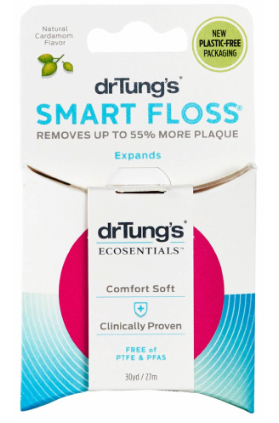
As flossing happens, the gum surface is temporarily and slightly pushed downwards, which encourages the unwelcome bacteria lurking there to become aerobic momentarily. This is what we want – as it is then brought to the surface and gets washed away once you rinse with water after flossing. Otherwise, it stays behind, trapped between gums, and can turn to hardened plaque and calculus. It is plain and easy to see on dental x-rays if you’ve ever had ‘before’ and ‘after’ ones done by your dentist. Quite amazing, really!
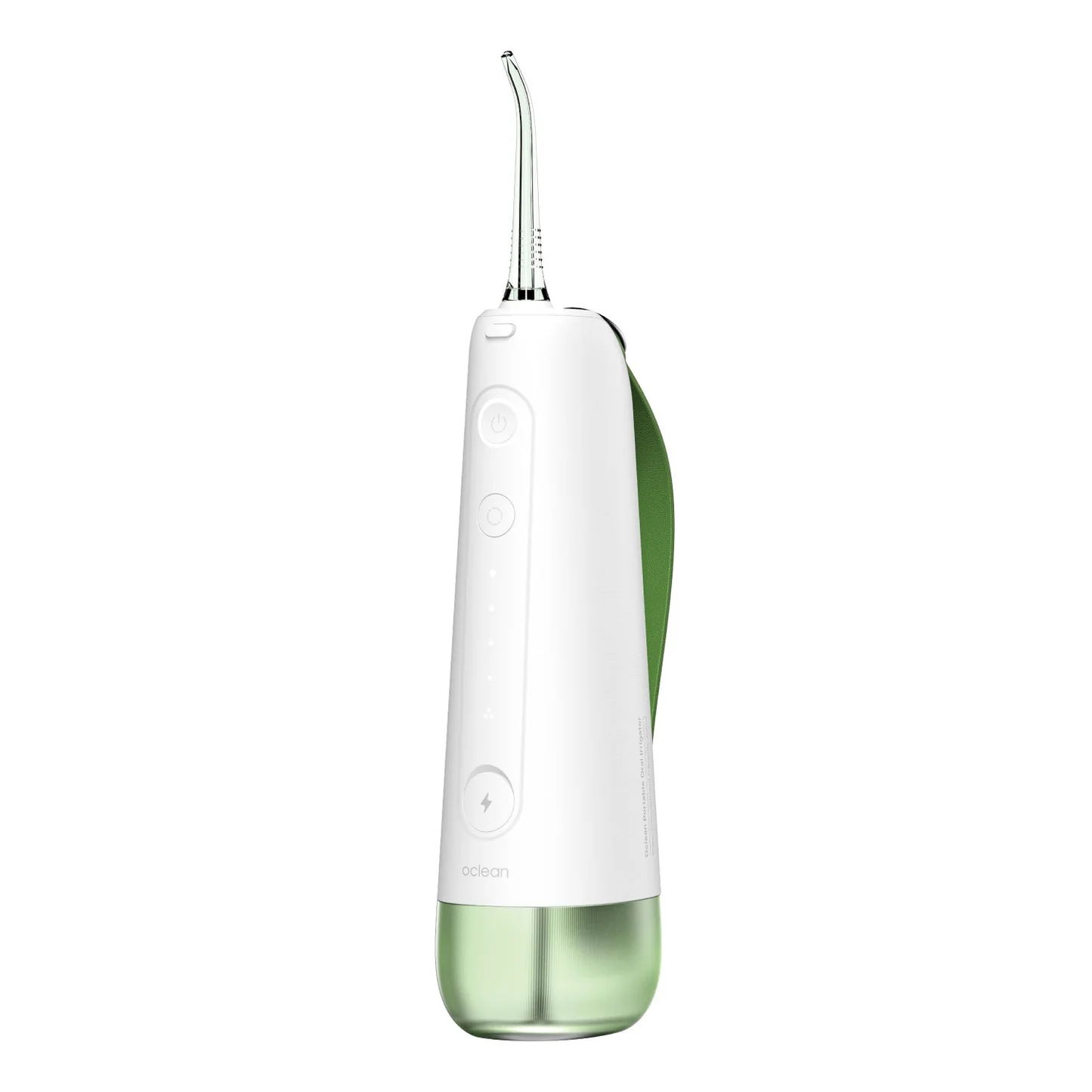
If your gums are a little sensitive, you might prefer water flossing because it gently blasts food and plaque away with pulses of water from tricky-to-reach spots. It can be a bit easier on the gums than traditional string floss.
4. A balanced diet and remove the nasties
The past show with Steven Lin covers this in some great depth. There is so very much to be said about eating a diet rich in essential vitamins and minerals and its effect on healthy oral microbiomes. For starters:
- Healthy fats, for example in egg yolks and organ meats. This is also where you’d often find coQ10, also important for dental health.
- Fat-soluble vitamins such as A, D, E and K.
- A balance of calcium, magnesium, zinc and phosphorus (an excess of one or more can throw the others out so you may want to explore your status further with an integrative practitioner such as a naturopath, integrative doctor or holistic dentist).
- Vitamin C! Conventional dental treatments seemed to forget this along the way, but it didn’t just happen to sailors two hundred years ago and it does still happen nowadays and cause continued dental concerns. People are quite commonly deficient. You don’t have to have outright scurvy to be deficient, and symptoms can be subtle.
- Keeping away from things like cigarettes, vaping, carbonated, sugary and energy drinks, and excessive alcohol consumption.
- Drinking filtered water (which could be a whole other topic in itself and also covered in the Go Low Tox course).
5. Posture and breath
The show with holistic dentist Dr. Ron Ehrlich goes into this in a lot more depth, but posture and breath are often overlooked factors in dental health. They play a huge role in maintaining a healthy mouth and preventing oral issues. Good posture helps align the head and neck properly, allowing for better jaw function and reducing strain on the muscles involved in chewing. These factors were also discussed on the show with Cole Clayton and Jalal Khan. Osteopathy is another amazing modality that may offer some support or assistance for chronic poor posture associated with breath that may effect oral health.
Poor posture, especially slouching is so common in our society – look at how many people are stooped over on their phones! This can lead to misalignment of the jaw, worsening issues like grinding and jaw pain. This is known more chronically as TMJ (tempo mandibular joint) pain. Sore jaw muscles become tense and impact your ability to bite and chew food. It can also effect your breath and this may put your body into a ‘fight and flight’ mode, which can make you feel stressed, even if you’re not – or make stress even worse if you are. Mouth breathing is another associated issue which goes hand in hand. Think – if your mouth is open, your saliva production will surely decline. It also won’t have as good a chance at doing its job – allowing our oral microbiome to flourish.
There are many different techniques for correcting or supporting healthy posture – therefore, ‘dental posture’, and it is best to chat with a professional and find the right one for you. Leading us to…
6. Speak to a holistic dentist
We’ve had several holistic dentists on past shows. The benefit of this modality is that treatments are tailored to the individual and quite detailed in terms of what they cover and ask about your health history. There is a focus on the whole body as well as what might be going on in the mouth that could impact general health or vice versa. Holistic dentists encourage the prevention of disease, explore ways to break the cycle of chronicity and suggest the use of biocompatible materials that are proven safer for the body in the long term – from the filling materials they choose, to the cleaning agents and the topical cavity protection they use.
Holistic dentistry considers the potential impacts of dental treatments on overall well-being. For example, a holistic dentist will avoid using mercury-based fillings (amalgams) or fluoride, which can be toxic in large quantities or cause reactions for sensitive people. They may want to extract (no pun intended!) some reasons for why you keep getting those cavities in the first place, or explore why that tooth is still giving sensitivity even though you brush and floss regularly and do “all the things”. Yes this is happening… but WHY. That’s the health professional you want on your team.
They can provide support with devices such as those that help with chronic grinding, poor sleep, snoring, jaw position and an array of other things. Holistic dentist Dr. Ron Ehrlich discussed this in depth on the show, along with how our sleep effects our oral health and vice versa. Leading us to…
7. Consider mouth taping at night
While we’re on the topic of holistic dentists and dental posture, this has been a huge game-changer. Sleep is another aspect that goes hand in hand with dental health and breathing – remember what I said about it all being connected?! It turns out that poor dental health is often a reason people don’t sleep well. And vice versa. And guess what – if you don’t breathe well or have a healthy posture, or are stressed, then chances are – you’re not sleeping well. Is this starting to join the dots now?
Newsflash – if your mouth is open at night, you are possibly not likely to know about it, unless for example, you wake yourself up by snoring often and you’ve figured it out. Ever woken with a dry mouth? Even chronically so? Ever noticed you wake up exhausted every day despite not ‘waking in the night’. A big clue and very common. Of course, our partners will soon let us know if this is happening (I *may* have video-recorded my husband once to prove it. Possibly. Don’t quote me. Ha!), but for those who sleep alone, it is probably a good idea to consider a sleep study and/or help from a professional to diagnose any chronic sleep disturbances or disorders if you suspect that to be at play. There is no shame in needing modern interventions like C-PAP machines while you drill down to potential causes for your apnoea or obstruction causing poor sleep-breathing. Even if you need it permanently. Low Tox is not an ideology centred around ‘zero intervention from modern medicine’ – it’s about healthy outcomes for all, doing our best in our situations. I want to spell this out and not leave it to chance that anyone in our community would feel ashamed of needing intervention – sleep is golden, and if it helps with sleep, it helps you lead a healthier life. Maybe even (if related to lifestyle factors like weight or alcohol consumption), it will then get your energy levels up to motivate you to seek support for lifestyle change because you’re sleeping better – more winning!
Mouth taping is something to try if you have cleared this with your health professional and suspect mouth breathing at night. It can take a bit to get used to, but it is a great way to ensure your mouth stays closed when it should be, and this will be amazing for your oral health – and sleep quality!
A suggestion for a tape to try: Nitto Yu-Ki Ban’s, which is quite gentle on the skin. Patrick from Buteyko Breathing & Oxygen Advantage is a great resource.
8. Give oil-pulling and tongue cleaning a go
That’s right. In Ayurvedic practices, scraping the tongue first thing in the morning can help to eliminate toxins and harmful bacteria and fungi that build up overnight, leading to decay if they stick around over time. It’s curiously addictive, just like oil-pulling, another Ayurvedic technique that can help to support oral health. Here is a published meta-analysis on the latter that may help to provide some motivation to give it a go.
These are effective practices for maintaining oral health due to their ability to remove harmful microorganisms and promote oral hygiene. Oil-pulling consists of swishing a vegetable oil (usually sesame or liquid coconut) in the mouth for up to 10 or even 20 minutes – I have never made it for 20 minutes, though, just saying, so please don’t go all Olympics on this, just give it a go for a few minutes and see how it feels after a few days. This can help to discourage plaque, bacteria and toxins from sticking around. The oil binds to them and pulls them away from teeth and gums, and in India, it’s been done for thousands of years.
OhGigi has a great plastic-free, copper tongue cleaner if you haven’t got one yet.
9. Help for the kids with healthy oral habits
This is covered in depth on a couple of past podcasts we’ve done with Dr. Staci Whitman, and Cole Clayton & Jalal Khan from Quantum Kid and in the Low Tox Kids course.
Some points to get started:
- Lead by example: another way to appeal to the fun side of brushing, a ‘let’s do it together’ approach.
- Establish a routine: this is necessary for all of us, right? BUT, it can be tricky, so teaching our kids to habit-stack is important. We wake up, brush our teeth, pour a glass of water and go outside or open a window and look out for a couple of minutes and that is what the start of our day looks like.
- Educate with visuals: Find a funny video about brushing online for under 5s who resist the practice – pick it together so they have agency “Ok so we have to brush or our teeth can get sick and painful holes in them – lket’s find a funny video to watch while we brush our teeth and copy a character you like). Positive association and they had a part in controlling a piece of the situation.
- Offer whole food snacks: back to our point above about the balanced diet!
- Regular dental visits – it can be overwhelming, especially with multiple kids, to keep on top of everyone’s brushing precision and plaque build up – a 6 monthly dental clean with a friendly professional they feel safe with, is one of the best things we can do for our kids.
10. Preconception
In a past show with Dr. Lewis Ehrlich, this is unpacked in depth and we dive deep into nutritional factors in our Preconception Ninja course also. But it makes sense to get as many roadblocks out of the way early on as possible. Yes, believe it or not – there is a link between mum’s (and dad’s!) oral health before conceiving and the health of the person born to them!
Some helpful low tox swaps
If you’ve never heard of the Ayurvedic practices of tongue cleaning or oil-pulling before, you are not alone. Bear with me, we’ll dive into these further down…
Toothpaste
- Each jar of the OhGigi tooth power range prevents 2.5 tubes of toothpaste from going to landfill, and it’s an awesome option, with a hydroxyapatite range, targeting remineralisation. It will take a few days to get used to powder, if you’ve been a paste-user all your life, but if you’re trying to reduce plastic AND go low tox and both are really important to you, it’s a great option – first-time try-ers get 15% off with the code LOWTOXTEETH, too.
- Georgorganics Tooth Tablets are another plastic-free option, in a crisp minty flavour, too.
- Other low tox brands include Dr Bronner’s, Grants, Weleda’s (which both include a kids range).
- Grants also has a specific Sensitive option if you need that.
- For a DIY option you could take a look at the recipe in my first book, Low Tox Life.
- USA/CANADA-Based? Past show guest Dr Staci Whitman has FYGG has an awesome hydroxyapatite toothpaste and oral care range and you have 15% off single orders AND subscriptions with code LOWTOXLIFE. Loved our podcast on pediatric dental health – listen to it here!
- Dr Michelle Jorgensen, guest on podcast #422, has a great tooth powder and natural mouthwash, too.
Mouthwash and oil-pulling
- The Georganics mouth wash is gentle and minty.
- An Aussie option is Riddell’s Creek.
- There is also the Ratanhia Mouthwash from Weleda – wonderful for dry mouth. Some people swear it’s helped reduce bleeding gums!
- Black Chicken’s oral swishing oil is strangely satisfying.
- USA option with Dr Michelle’s mouthwash.
Floss
- Dr. Tung’s vegan version is great, and has just converted over to a plastic-free packaging, to boot!
- Noosa Basics have a whole range in all different flavours, to suit all situations.
- Dental lace, made from ethical silk – is a thing, too and not just teflon-coating-free, but plastic free entirely! Their range now includes vegan options.
- Biome stocks one made from algae called OmMade.
- If you’re INTERNATIONAL or order things on iHerb sometimes, I have a fave of my husband’s to recommend – this is a great plastic free option Radius.
- Oclean’s W10 Water Flosser can shoot up to 1,400 water pulses per minute and is an alternative to traditional string floss.
Whitening
- Activated charcoal can be helpful if you don’t overdo it, to pull out discolourations and impurities, for example with Love Beauty Foods’ Teeth Whitener from Biome.
- My Magic Mud is great! It has a minty flavour, too.
Toothbrushes
- Bamboo brushes are versatile, even for sensitive teeth or the kids, as bristles are quite soft. And a fairly environmentally friendly option – OhGigi has you covered, there.
- Jack N’ Jill have a comprehensive range for kids, including a stage one silicone option for bubs.
- Charcoal brushes are another therapeutic option to try with their ultrafine bristles, and some options also come with a compostable handle.
- Prefer an electric toothbrush? The Turtle Tribe is worth a look. The standout feature is its replaceable heads made from FSC-certified bamboo, which break down in roughly six months. On top of that, it’s the work of an award-winning Australian business and a proud member of 1% for the Planet, meaning every purchase helps fund beach clean-ups across the country. There’s a lovely story behind this one, too. If you prefer a ‘brush’-style head over the round oscillating design (think Oral B), it’s well worth trying. Our naturopath and building biologist, Lisa, suggested the team offer a three-pack made entirely of their 70% plant-based nylon 1010 (bamboo) heads — and they agreed. A wonderful win for the planet!
Tongue cleaners
- ohGiGi carries a pure copper version here.
- Dr. Tung’s offers another copper one, and there is also a stainless steel version here by Bare & Co.
To wrap up…
By using low tox oral health practices above as our foundation, we nurture the body’s ability to bolster a healthy oral microbiome and prevent unfavourable bacteria from building up and entering the bloodstream via our gums. If you have a resistant oral-care family member, I find glaring research like the link between gum disease and Alzheimer’s risk can be helpful to get that extra brush or floss in!
Prevention is key through nutrition that doesn’t just ‘fill us up’ but actually nourishes us, literally down to our bones and teeth is key. Incorporating Ayurvedic practices such as oil-pulling and/or tongue scraping can be great for removing overnight build up of bacteria and fungi in he mouth.
Avoiding ingredients that simply help big companies cheaply fill their mainstream tubes of toothpaste, rather than contributing to our oral environment; so many things we can do, most of them simple and easy to add in bit by bit.
Any questions, feel free to ask in the comments below or share a favourite dental product or practice you’ve come across! Want to continue the chat? Come join our chat community in the Low Tox Club. The loveliest most supportive low tox space on the internet + lots of member perks and practitioner Q&As included every month for low-cost holistic health support.

