






About this show:
Show 400 – How did we get here!? Well, it took a few people to get this show to where it is today and I’ll list them below because if you’re reading this, you’re one of them.
In the show today, I’ve chosen 4 excerpts from past shows that weave together in funny ways, once I listened to them all in a row… 10 or so minutes from each of these deep-from-the-archive shows that are every bit as necessary and useful today, as they were when I first published them.
- Bruce Lipton – on breaking the programs we downloaded very young, and changing your energy to change your life. So, so good.
- Past shows and details I mention along the way through this mash up:
-
- Show #271 – Melanie Salmon: Healing Trauma with QEC
- Show #378 Stop trying to ‘control’ your emotions, and here’s why… with Cedric Bertelli
- Show #228 – Ashok Gupta: How Brain Retraining Leads to Health and Happiness
- Show #390 Somatics: How to Make your Journey Real and True with Irene Lyon, MSc.
- Show #359 Dr Karin Luise – Writing New Personal Stories and Learning to Tune In
- Show #278 – Are Physical Symptoms An Invitation To Explore How To Get Back To Homeostasis? Dr John Demartini Helps Us Unpack It
- Show #333 – Dr Peta Stapleton: Memory Improvement Through EFT/Tapping
-
- Past shows and details I mention along the way through this mash up:
- Charles Eisenstein – on self love quests being perhaps the wrong tactic, yet self love being the key to being free of judgement of the ‘others’ and carving a path to de-polarising our world.
- Sage Magdalene – on the invitation nature gives us to have more reverence for the big things happening everyday around us that we don’t notice, and yet if we did? We would find perhaps what we constantly seek as humans without knowing what we’re seeking.
- Jade Miles – on Future Steading and how we can apply the principle of living aligned with a world that has a future, from wherever we are and whatever we can do to restore balance in our lives.
-
- Her wonderful book “Futuresteading” is available at Booktopia and The Book Depository if you fancy grabbing one.
- Low Tox Podcast Index
-
I hope you enjoy these excerpts and I encourage you if you remember listening to it ‘back then’ to listen again. I learned so much – again!
- You, the listeners – no point making a podcast if no one shows up to listen! Every share, review, star-rating – thanks so so much for being here.
- Our incredible guests across food, body, home, mind, family and environmental topics. Some of the people I’ve had on the show, especially in the earliest of days, have gone on to be huge voices in health and advocacy and to play a small role in amplifying their voices, then, I’m so happy to have had that honor.
- Stevie my producer who’s been with me since the beginning and who makes sure every cough, sneeze, garbage truck in the background all magically disappear from a home-office recorded show!
- Norie and Ele on my team who help with coordinating the guests, getting all their details and book pdfs for my research prep, prepping the podcast docs with all the info we need to produce that show, moving files into folders, creating show notes, transcripts and social media tiles…
- Our sponsors who help the show happen weekly but also help you make your swaps with their ever-generous offers. I hope they help you stock up on faves with a sweet deal, or finally make that transition to something you’ve been wanting to do!
Thank you so much for being here, here’s to many more shows to support our low tox lives.
Alexx Stuart
Founder of Low Tox Life and the Low Tox movement
Join me on Insta @lowtoxlife
***
Thank you to this month’s show sponsors for helping you make your low tox swaps easier:
@ausclimate gives you 10% off their range for the whole of 2024, with brilliant Winix Air Purifiers, the best Dehumidifiers I’ve ever used and their new energy-efficient heating range. code LOWTOXLIFE https://bit.ly/ShopAusclimate
@blockbluelight_official gives you 20% off site-wide, including their brilliant red light panels, to help you achieve the perfect light balance in your home and for quality sleep, rest and repair. Code: LOWTOXLIFE https://bit.ly/4cRGf6d
@cleannectarine gives you a huge 20% off site-wide to help you make your low tox personal care and beauty swaps achievable! Wow. So generous. CODE: LOWTOXLIFE (excluding water filters) https://bit.ly/4g1Ixm9
Be sure to join me on Instagram @lowtoxlife and tag me with your shares and AHAs of this week’s episode.
***
About Alexx Stuart:
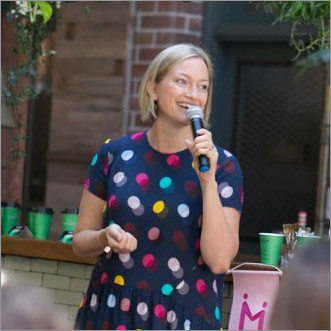
Alexx Stuart is an educator and change agent who founded Low Tox Life in 2010 after seeing the lack of transparency in our food system, personal care and cleaning products. She’s built a movement that’s non-judgmental, positive and says low tox peeps are a force to be reckoned with! A columnist for Wellbeing magazine, she is also a sought-after speaker and consultant to businesses committing to change for good.
More about this month’s sponsors:
Thank you to this month’s sponsors for partnering with our show and helping you make your swaps with their special offer:

Ausclimate’s highly recommended range of WINIX Air Purifiers is the ideal solution for cleaner, healthier indoor air. Easy to use, reactive features and settings with a truly comprehensive 4-5 stages of purification, including Hospital Grade True HEPA Filtration and Winix’s unique PlasmaWave® technology. Perfect for smoke, dust, pets, viruses, bacteria, household odours, and allergies (covering a variety of allergens). Breathe easier, sleep better, and feel better. Winix; is the most complete air purifier on the market!

Offer: Ausclimate is now giving all Low Tox Life followers an EXTRA 10% OFF their already discounted prices. Simply enter the discount code of LOWTOXLIFE on check out via: https://www.ausclimate.com.au/
This discount can also be redeemed for over-the-phone orders verbally.
Website: www.ausclimate.com.au
Facebook: www.facebook.com/Ausclimate
Instagram: www.instagram.com/ausclimate
 Blockblue light are a wonderful company and you might remember Daniel, the founder, being both on the podcast last year discussing the light spectrum, but also doing a masterclass in our Low Tox Club on infrared, sauna and the ins and outs of different options.

If you’ve been wanting to see whether incorporating light bulbs that keep the blue light out of your evening home space (we do this by only using our lamps in the evenings and having the bulbs in there, or getting a good travel lamp for blue light avoidance in very-well-lit hotel rooms and air BnB’s, or trying an exceptional quality red light panel (can be used for face as well as injury and mitochondrial support and are much better quality infrared than those landfill face masks btw!) or trying a pair of glasses for the day time when you’re at the computer, or the night-time ones when you are mid-exciting-show but want to avoid blue light and also would like to look more like a rockstar… then you are most definitely in luck.
September 1-30th = 20% off site wide. CODE: LOWTOXLIFE
Instagram: instagram.com/blockbluelight_official
Facebook: facebook.com/BlockBlueLightOfficial
What to say about the good news that my good friend Irene Falcone is back on her terms with a brand new and beautiful low tox store – Clean Nectarine. Clean Nectarine is a beauty and health low tox store with strict ingredient vetting and fast shipping Australia wide – orders packed every day by local school mums. When Irene built Nourished Life to be the huge business it was it was no longer doable on her own. She thought selling it to a big company would be the answer but then had to watch them ruin all her hard work of 10 years and her legendary status as an amazing customer service focused business.

I just love and admire so much her resolve to start all over again on her terms and in a way that will work for her AND her customers.
And to celebrate it? Irene is giving us (Aussies) 20% off store wide with the code Low Tox Life
- This is excluding filters (you still have 12% off those on Waterscofilters website though remember till mid-September with code Low Tox Life)
So many things to love on the site – some of my favourite low tox businesses like Weleda, Mukti, 100% Pure (omg the apple enzyme products – helloooo fresh, vibrant skin!) and the Hurraw tinted lip balms. The only things I wear on my lips that don’t dry them out. I also love the 100% pure make up – the eyeshadows a fun yet natural and make me feel like I’m still wearing my skin, not covering it.
Enjoy taking a look around and making the most of the 20% off this month!
Instagram: Instagram.com/cleannectarine/
Facebook: facebook.com/talkingclean
***
Title show track, by LIOR.
Love the podcast music? You will hear excerpts from Lior’s track “Caught Up” – go check it out on iTunes or Spotify if you want to hear the whole song or album, Scattered Reflections. Co-written with Cameron Deyell, it’s a great song and I love the reflective energy of it – perfect for the show, right? Enjoy. Lior is always touring, so do check out his website. It is wonderful to hear him sing live, trust me.
Low Tox Club – The place to bring your low tox life to life.
Want to join a community of like minds and enjoy all the perks of being in the Low Tox Life inner circle such as an online membership platform, 50% off all our Low Tox courses, an awesome chat group, my monthly Q&A, and special guest star interviews for just $49AUD ($29USD/28EUR/23pounds) per YEAR? We have created a special place and set of resources to help you achieve your goals and it’s a wonderful place to be – MORE DETAILS AND REGISTRATION HERE.
***
If you would love reading like me or you just simply want to go through the full transcript, you can check below.
[Alexx Stuart] (0:00 – 16:48)400 shows this week on the LOTOX Life podcast. Welcome, I am Alex Stewart, your host and founder of the LOTOX movement, and I’m so excited to have you here this week, whether you have only just started listening listening to the show recently, or whether you’re one of my original listeners or you jumped in somewhere along the way. We have been together, if that’s the case, for just over eight years.
We are now in our ninth year. Six million times this podcast has been downloaded. That just makes my head spin.
And people have tuned in from over 140 countries around the world. So wherever you are hearing this, hello. And I really want to say a special thank you to people who have taken the time to leave a five-star review on a platform somewhere.
I am a small, produced from my home office with incredible guests all around the world, but tune in on Zoom so we can make this happen show. And every single review and every single podcast share is so deeply meaningful to me. I literally cannot say that in a way that you could possibly understand how much it matters.
So if you haven’t and you wanted to give the podcast’s 400th birthday a prezzie, the five-star review wherever you tune into the show would be amazing. I also want to thank my producer Stevie. He’s been with me since the beginning.
He’s amazing. The fact that you don’t hear coughs and sneezes and dogs in the background, garbage trucks pulling up down the street, that is his genius. My team, Nori and Elle, who between booking guests, organising the calendar, making the socials happen, getting everything ready on the document for the producer and me to be able to do all my research, read the books, yada yada.
There’s a lot that goes into it, making the show notes, transcripts, so much. So thank you, Nori and Elle. Huge thank you, of course, to more people, to the guests.
Aren’t they amazing? They are just amazing. The things that we have covered over the years, the people that we have seen go on to explode into huge voices in health, wellness and environmental topics, honestly just blows my mind.
I remember finding Carrie Jones on Instagram and going, why does this woman only have 2,000 followers? I’m getting her on the podcast. She’s incredible.
And look, she’s literally the internet’s hormone queen these days. Same with Gabrielle Lyon and her incredible knowledge on muscle-centric medicine and really putting that on the map. I could go on.
Just being a small part of these incredible people’s journey and helping to amplify voices as well as uncover voices. I really genuinely feel like we can end up hearing from the same tiny gang of people in health and wellness influence. And I think the conversations are always wider than they seem, and I love bringing lots of people out of the woodwork.
So guests. And then lastly, to our incredible sponsors. A, they help us put on the show because there’s a few people to pay in the mix there, right?
But B, they help you with your low-tox swaps. And I know most of them are Australian. I’m sorry to our overseas listeners.
I’m sure you just skip on through when it’s not relevant for you. But every now and then, like this month, we do have an international option in the mix, and I’d love to get more because I recognise a lot of people either love a sweet deal and stocking up on their favourites, or of course, making that category swap that you’ve been working on prioritising in your low-tox life right now. So this month, those sponsors are of course our major sponsor, Oz Climate.
This one’s for the Aussies. You have your incredible dehumidifiers, but also the Winix air purifier range. And if you are plagued by dust mite allergies, or you live where it’s quite dusty, maybe there’s construction next door, maybe your child has multiple sensitivities right now that you’re working on the gut health piece through, and you just need to lighten the environmental load, my number one tip is to get a four-stage HEPA air purifier in the bedroom.
A lot of kids spend not only the time sleeping in there, but if they’re doing homework or they’ve got friends over, they actually spend a huge amount of their time in the bedroom. Hopefully, a lot of time outside as well, of course, but that is where we like to hang when we’re kids and we’ve got friends over. So making sure the air is well filtered in there is brilliant.
And the four-stage air purifier from the Winix range is truly an excellent little powerhouse. You can join their filter club to keep the cost nice and low for the replacement filters. Highly, highly, highly recommend starting with a bedroom filter.
Second sponsor is an international one. And if you have been working on your light hygiene, making sure that you’ve got Sweet Dreams light bulbs or the full spectrum light bulbs, so that you can move to the evening light option from Block Blue Light. Wow.
I mean, it is actually quite hard to explain just how much sleepier you get, how much sooner, when you start paying attention to your light hygiene. I genuinely thought I was a night owl. It turns out I was actually just exposed to way too much blue light after sunset.
And so the light bulbs are a great stop. Or if you’ve got family members kind of bucking against that, you could always go with the really sexy Bono glasses, the orange ones. I love them.
My husband calls me a rock star when I wear them. And I do all my evening reading, watching TV, if I’m watching TV, or if I’m on my phone chatting with you guys, that all happens wearing those orange glasses. Unbelievable how much sleepier I get sooner.
All of a sudden, I started going to bed at 10, 10, 30, when usually I used to go to bed around 11, 30, 12. So it made a huge difference to me. And we know that those hours before midnight are incredibly nourishing for cleaning out the brain, for hormone production.
So the more sleep we can get on the good side of midnight, the better. And I genuinely believe Block Blue Light products helped get me there. So if you want to try and see the difference, brilliant.
Also, they’ve got little nightlights that you can plug in for nursery feeds. There’s really something in there for everyone. And now that code is LOTOX LIFE.
The discount is 20% off. Of course, these details are always in the show notes at lotoxlife.com forward slash podcast. Last offer is for the Aussies.
And it is 20% off at cleannectarine.com.au for all of your LOTOX beauty and personal care needs. Now, Clean Nectarine founded by Irene, who you might remember as your LOTOX OG online retailer with Nourish Life back in 2011. She’s brought Clean Nectarine to the fore after a few years out of the industry.
And it’s a great store. So you have 20% off code LOTOX LIFE. And I want to highlight a couple of things.
Two that I use and one that is just crazy good value. And a lot of people just don’t know this brand. Number one, I love the Mook 2 in 1 facial exfoliator.
I think it’s called a micro exfoliator. It’s about $72. So with 20% off that takes what almost $15 off the price tag.
And it will last you months. And it is honestly as close as you could get to going for a dip in the ocean on your face. It is so refreshing, so pure, and your skin just glows afterwards.
That’s my number one tip. My second tip is the pomegranate firming face lotion from Weleda. They have the day and the night.
Both are gorgeous, really fresh, but also nourishing. So if you’re finding yourself like me in this midlife hormone chaos phase, and you know, your skin is dry one day, a bit oily the next day, it’s kind of a bit all over the shop. Oily combination like a teenager going through puberty.
It is a beautiful, nourishing, firming range. And I adore it. And so those are my two picks just from things that you might want to check out and try.
But the third one is the 100% pure range full stop. It’s an American range. Irene has a huge amount of it in cleannectureen.com.au and one of the reasons she’s passionate about this brand is because they deliver obviously really clean ingredients, but so inexpensive for what they do. I mean the apple enzyme, I think it’s called the apple enzyme serum. And it’s like $39 and you put it on under your moisturiser. So right now my routine is popping that on under the pomegranate Weleda face cream at night.
Wow. I mean, there are people charging a lot for gentle AHA kind of, you know, exfoliating your sleep kind of products. But that is ridiculous value.
And for the Americans listening, you can find 100% pure in any of your low tox beauty stores, Canada as well. So I just wanted to give you that tip on that range in general. I mean, it’s got the kind of celebrated cult following caffeine eye cream as well.
But just tonnes of fantastic value products for all skin types. And of course, the beautiful makeup and nail polishes as well. They’ve managed to take like pretty much every awful thing out of regular nail polish without making the nail polish awful.
And I just actually got myself a couple of colours there. She’s got the Hurrah New deodorant balms that come in like a tube, a metal tube. Brilliant.
So go check it out. 20% off Code Low Tox Life. And now onto the show.
So I want to talk you through, thank you for indulging me in such a long intro today. Because I had to say those thank yous. I mean, 400 shows is epic.
It’s crazy. So I really appreciate it. And I wanted to think about how I might do this 400th show.
And I originally thought, oh, I want to do low tox stories and get, you know, some of you guys to jump on the show. And I got so many DMs, I was a little bit overwhelmed. And then I looked at my diary and I was like, okay, this is three weeks away.
And I’m not going to have time for the team and me to coordinate that and make it happen. But I have all these special shows. And often we might skip a show because we think, oh, I don’t need that right now.
Or we might not know the name and therefore we don’t engage. Or maybe you listen to it, but it might not have been at the right time. And a lot of what I’m hearing right now centres around people being frustrated that they can’t break out of patterns and programmes, no matter how diligent, no matter how many therapies, no matter how much they try to bring in the goals and things that they feel they’re capable of, but somehow can’t connect to or call in.
I’m hearing a lot of that. I’m seeing a lot of awful stuff online where serious issues around, say, vested interests in government or transparency in pharmaceutical and huge food conglomerates, all of that is really real. And we really, really need change, of course.
But I’m seeing a lot of patriarchal, narcissistic capitalism of these subjects. And by capitalism, I mean they’re capitalising on people’s dopamine chasing by posting awful, polarising, divisive, single-sided, zero perspective, trying to just look good and get 5 billion likes, shock value content. And it feeds us further apart from each other instead of bringing us where we overlap.
And so I really wanted to do a couple of shows. The first one is with Bruce Lipton on the programming and busting through that because that’s just coming up a lot. And then the second one is with Charles Eisenstein on polarisation and how potentially a lack of self-love is at the absolute root of it and at the absolute root of the people trying to polarise us the most.
So yes, I’m sharing little snippets from each, sort of 10, 15 minutes tops. And then I’ve got Sage Magdalene. Oh my gosh, this show was a revelation.
She is one of the guides that takes people on quests from the Animus Institute. So if you are feeling called to a wilder life, a deeper, more connected life, even if you live in a city or a town or the suburbs or in the bush, but you feel disconnected still, there’s this one line at the absolute start of the show where she says, when I was growing up and even into my adulthood, I felt like I was looking for something in my life and I just didn’t know what it was. Right.
And so that went to doing an excerpt out of that. And then the final excerpt is going to be one with the beautiful Jade Miles, an advocate for regenerating our planet, starting with the backyard here in Australia. But her book is gorgeous, Future Steady.
She’s about to bring another one out. And I really wanted to include a piece from the show I did with Jade because some of the terminology she uses to make us all feel like we can be a part of the conversation of repair and regeneration, no matter where and how we live right now is very, just is very beautiful. So those are the four show excerpts that I have in store for you today.
I’m going to thread them through with a tiny little joiner if you’d like in between each, but I’m just going to leave these to you. We have linked all of the original shows in their entirety in the show notes so that if you feel like this is actually a really great taster as a newer listener, it’ll be really easy for you to connect with them. So to get to the show notes, it’s always lotoxlife.com forward slash podcast, and then click on today’s show. There’s actually super handy index in there as well at the top of the page that you can click on and then it has all the different shows by topic. So food, body, home, mind, kids and parenting, women’s health, environmental health. So that if you’re really working on a particular area right now and you want to deep dive through a few shows, obviously done a whole bunch of shows on mould in the home and the body categories.
For example, you can just jump in there. There’s also an alternative therapies category. So for people who might want to just go shopping outside the box for ways to circuit break some of the things that aren’t serving you in your life right now, there’s some fascinating conversations we’ve had over the years.
Enjoy this first excerpt with Bruce Lipton as he invites us to work on recognising what the unhelpful programmes we downloaded age zero to seven are and how we might go about doing that with a crazy good story about how he met his friend, Rob, at the end. Enjoy.
[Bruce Lipton] (16:48 – 20:32)And so this is really the most critical insight that is to reprogram that subconscious. Now, when I first started the lecture and say, Oh my God, this new knowledge means you’re creating heaven on earth. You can have it every day.
And then they looked at me and my programme was no, that’s when I wake up, call this away, just because I got the knowledge in no way changed the character of my life at all. And that’s where the separation of the mind comes in. The conscious mind being creative can learn in any way, read a book, watch a video, go to a lecture, you know, just go, Aha, you can change conscious mind, conscious minds, habit mind.
I say, well, why is it wrong? I said, if habits just changed every day like that, then they wouldn’t be habits anymore. A habit, something you want to hold on to without having to relearn it each time.
So I’ll give a good example of a subconscious habit. When did you learn how to walk before you were two? Are you still walking?
Yep. Do you have to think about it? Absolutely not.
Don’t even have to think I’m going to walk across the other side of the room. I just have the intention and the programme of walking is automatic. So thank God I have a subconscious programme, because these are the kinds of things that allow us to do our day to day things without putting consciousness into every movement and trying to It’s just like riding a bike.
That’s right. Okay. So there are good programmes.
And then I said, well, there are also bad programmes. And I say, and if it’s a programme, it already resists change, because if it changes, then it’s not a programme anymore. But you can rewrite the programme, but then you have to recognise the second part.
I said, the two minds don’t do the same thing. Conscious mind is creative, wishes and desires. Subconscious mind is habit.
Whatever the programme is, I push a button, I just play the programme. No thinking. Okay.
So I say, and where did I get the habits? Well, we just said first seven years, I get them from observing all the people around me, and things that I learned, personal experience, like walking, or not putting my finger in the flame after it burns me the first time. I got it.
Not again. Okay. So what was the point?
We’ve got programme. Now they’re, they are habits. And these programmes occur in the first seven years, then we find out, my God, when we’re only driving toward wishes and desires 5% of the time, 97% of the time, we’re playing habits.
And we don’t see them because they’re automatic. And I say, so a little helpful moment here, helpful point A, hacker my programmes, why? Because you got them when you were zero, you got them when you were one, you got them when you were two, you weren’t there, there was no consciousness to observe the programme.
So you have programmes that you have no idea because you weren’t there. But then I say they control 95% of your life. So all of a sudden, I say, ah, but here’s an insight.
Since 95% of my life is coming from my programme, then my programmes are printed out in the expression of my life. So I say, oh, well, then look at your life, and you’ll know your programme. I go, what do you mean?
I say, the things that you like, that come into your life, come in because you have a programme to acknowledge that. But the things you want, desire, and you have to work hard and struggle and sweat over and put effort into it, you know, to make things happen. Then the question is, why are you working so hard?
And then the answer inevitably is, whatever programme you got, doesn’t support that. And your efforts are to override an invisible behaviour that is cancelling your destination. So this is where the problem comes from.
So I give my lecture…
[Alexx Stuart] (20:32 – 20:36)This is why we get the, why does this always happen to me? I’m trying so hard. [Bruce Lipton] (20:37 – 21:29)
Because trying is conscious. And programme is repetitive programme. And if you don’t change the programme, by definition, it will repeat itself until you change that programme.
So the idea is, well, what is it, your programme? And that’s what we just said. Why did that happen again?
Because it’s a programme. So now you, you know, you want to change the programme. Okay.
But then it’s like, well, how do you do it? And I said, because it learns in a different way. You can’t use the same way you made a conscious programme.
So you can read the self-help book and instantly download all that knowledge. And I say, yep, it’s right there in your head. I’ll give you a quiz.
You get a hundred. I understood the book. I say, well, did the book now go down?
And what’d you learn have changed your life? And the answer is no. Why?
Because that’s not how the subconscious learns.
[Alexx Stuart] (21:29 – 21:35)That’s how we go to these amazing conferences. We’re all inspired. And oh my gosh, I’m going to put all of this into practise. [Speaker 6] (21:36 – 21:44)
And you just check in with that person as a fly on the wall two weeks later, and they’re still doing exactly what exactly, exactly. [Bruce Lipton] (21:45 – 28:54)
So now the question is this, does it have to be that way? I say, when you have knowledge, no, because there’s alternatives. We don’t have any knowledge.
It’s just happening. It just happens. I go, no, it’s not just happening.
It happens by a reason. So if you understand the reason, then you have power to control the outcome. That’s the whole point.
So the first reason is why is it happening? And the answer is because 95% of the day is the time spent thinking, which then means 95% of the day is the time programmes are running. And 95% of the day is the day you’re not observing the programme.
So if it’s a negative programme, you’re sabotaging yourself and you have no idea because all you saw was the result. You didn’t see that you were participating. You see that it didn’t work.
So, and then your conscious mind goes, well, I wouldn’t have made that. And then you say, I’m a victim because I wouldn’t have done that. And the fact was not in your conscious mind, you wouldn’t have done that.
But if that’s part of the programme, you would have done what you get. That’s what you get. So now we say, okay, we looked at the programme and I say, we want to change it.
Then I go, well, then there’s the situation as well. Oh, the subconscious learns in a different way than conscious. That’s why reading a self-help book went into the conscious mind, but did not go into the subconscious mind.
Why? There are three fundamental ways. The first two are natural.
I said, what was the first two? I said, well, the first one we mentioned that in the first seven years of your life, your brain is operating in a lower than consciousness vibration called theta, which is hypnosis, which means that’s how you’ve downloaded it. You want to change a programme in a subconscious, you can use self-hypnosis.
I go, what’s that? I go, well, remember there are different vibrations to consciousness. That’s when they put the wires on a person’s head and read, call it EEG, electroencephalograph reading brain vibrations.
There are several levels. The conventional high during the day is called beta, which is school room focused. When you come home, the vibration slows down.
It’s called alpha. That’s called calm conscious. High consciousness at work, come down at home, vibration slows down, calm consciousness.
At the moment you fall asleep, consciousness disconnects, but the brain is still working. It’s at the next vibration, which is called theta. Well, that was the vibration of hypnosis.
I go, yes. You fall asleep, you’re in alpha conscious, you fall asleep, you’re in theta. Shortly after theta turns into delta, which is now you’re just unconscious asleep.
The point is this, every night when you go to bed, the moment consciousness checks out and the instant you fall asleep, there’s this short period of time where the mind is still operating at theta, which is record. If I put earphones on at night when I go to bed and I’m playing a programme of things that I want to be true, health, happiness, wealth, anything you want that you’re having struggle with, you put a programme with a positive nature of that as a programme and you put the earphones on at night. The moment you fall asleep, guess what?
You don’t hear the recording. Consciousness is falling asleep, but subconscious is hearing it. Repetition of that process will put a new programme in.
Every night, just put the earphones on. After a short period of time, guess what? You wake up and you realise you didn’t need to put the earphones on because now your life is already doing what you wanted it to do.
Not because the programme has downloaded in a repetitious manner for the period of time through self-hypnosis. That’s number one. I say number two, I say, what about, oh, I say, well, after age seven, you still learn things.
You learn how to drive a car, play a music instrument or something very complex behaviour that now becomes a habit. I say, you still learned, but it’s not hypnosis. I say, oh, well then how did I learn after age seven?
I go, repetition, practise, habituation. When you got in a car, you didn’t know how to drive the car the first minute you got the keys. You had to practise driving the car.
And the more you practise, the easier it got. Now, after you’ve been driving a while, guess what? You don’t even think of the details of driving.
You put the key in, your thoughts are where you’re going and what’s going to happen, what you’re going to do. And guess what? The next thing you know, you’re there without paying any attention to the driving.
Why? Because it’s automatic. It’s a habit.
And you’re thinking, and I say, what are you thinking about? Well, what you were going to do? So I said, well, when you were thinking, then you weren’t paying attention to the driving.
I go, nope, autopilot drove you. That’s the way it goes. So I say, you want to put a programme in after age seven, another way of doing it then is repetition.
You engage in that behaviour that you want to be true and just repeat it. Like if you’re not happy during the day, then anytime you have a moment that you realise, wait, you have to say, I am happy. I am happy.
Just say it. I am happy. I’m happy.
As many times a day as you can possibly remember to say it. And I say, why? Every time you say it, it’s creating a habit.
And there is a point where the habit is installed, where you don’t have to say I’m happy. Why? Because once the programme is in 95% of the day, the mind will manifest that programme.
I am happy. Without you putting any effort, it’s there’s a very positive side. What’s the point?
You put some effort in to put the programme in. Once the programme is in, it requires no more effort because it’s operating 95% of the day without you paying any attention. So it’s like easy then.
And then the third way is something new. There’s a saying something like necessity is the mother of invention. Human civilisation is facing a six mass extinction of life precipitated by our behaviour.
And the only way we’re going to survive this is humans have to change their behaviour, which is programming. So we’re facing a necessity. A necessity to change programming fast.
The first two ways, the self-hypnosis and the repetition. Okay. There’s time you got to do.
That’s time. You got to put effort in a lot of time. Okay.
Not a lot of effort. Just put time into listening or practising. The master way is this third way, the new way it’s called energy psychology.
And energy psychology is a bunch of modalities of engaging the equivalent of super learning, which allows you to download things really, really, really fast within minutes. Okay. And so on my website, just to make things simpler right now under resources, well first brucelipton.com.
Not simple. The under resources, it says belief change modifications. And I think they’re about 25 or more different energy psychology modalities that can be used to rapidly download new beliefs.
[Alexx Stuart] (28:55 – 29:01)Wow. Right here on the website. I have not dug that far, but I am headed there straight after our chat. [Bruce Lipton] (29:02 – 29:09)
Well, yeah. I mean, my life was so profoundly changed by energy psychology, which I didn’t know anything about. [Alexx Stuart] (29:10 – 29:15)
Was this an existing science that you connected with people on around that time? [Bruce Lipton] (29:16 – 30:48)
Yeah. Well, I was lecturing let’s say back in the early 80s, 85, 86, or something like that. And giving what I thought were the most fabulous lectures because it was the newest science about how consciousness creates life and that, you know, that you could create the most wonderful life.
And then, you know, and say, and the problem is we’ve been programmed and thank you very much. And that the first question was always, well, how do I change the programme? And it was like, for me, that was an irritation because I knew it was programme, but I had zero idea about changing the programme.
To me, it was like all the beautiful science that led to the conclusion. It’s like, oh, that’s screw the science. How do I change the programme?
Let the air out of the balloon at the end of my every lecture. And I’d walk away. And this particular time I was in the Rocky Mountains at a conference.
And I remember getting the same question and saying, okay, you know, nobody asks anymore. If you didn’t know how to change the programme, okay, what else? So I was putting my computer in my briefcase, carrying it to the back of the room.
And I hear the next guy say, I’m going to show you how to change those beliefs that Bruce was talking about. And I thought, huh? I had to turn around.
And here’s this guy who’s going to say that he’s going to bring somebody up on the stage, which he did, and change their belief in minutes. I go, really? You know, it’s like, really?
Are you kidding me? You, you’re so brazen to think that you’re just going to change somebody’s beliefs in front of us in minutes. I thought, watch this one, you know?
[Alexx Stuart] (30:49 – 30:56)So you at that point in time, still thought this science had yet to evolve into that part B where we knew what to do. [Bruce Lipton] (30:56 – 31:53)
Yeah, I was just like, I was just like anybody else in the audience. Oh, show me. And I’ll never forget it.
Because yes, anybody want to change a belief and almost everybody’s hands went off. But I saw this woman put her hand up and then down and then then up like, close up like that. And of course, and my friend now, Rob saw this, and he saw her, I saw her, he picked her.
And he said to her, tell us your name. And what issue you want like to change. And everybody looked at her and she just turned beet red.
Nothing. I mean, she’s like, glow red. She was not a word came out of her mouth.
Not a word. He had to go in the audience, get next door and talk to her one on one. Find out her name is Pauline and her issue.
She can’t talk in public. Well, geez, we already know that. She couldn’t even say her name.
She couldn’t say her name.
[Alexx Stuart] (31:54 – 32:01)But how paralysing would that be to walk through life like that? So many people have that. Right. [Bruce Lipton] (32:01 – 33:00)
It’s a real surprise. And to see her be, I mean, her face got red. It was just like, because she, she was so emotionally.
And I thought, Oh, I’ve crossed my arms like all this. I’m going to see this. And he went through his process called psyche.
And it was about 10 minutes later. She was sitting in a chair during the process. He has her stand up, they completed the process 10 minutes or so.
And I remember he had his arm on her shoulder turns her to the audience and says, Pauline, would you like to tell the audience about what you just experienced? He took his arm off her shoulder. And this woman started giving a lecture walking up and down the stage.
We’re talking about this, talking about that, talking about this. So the funniest piece of all thing was there’s Rob going, Pauline, would you please sit down? You’re using up my lecture time.
[Alexx Stuart] (33:01 – 33:06)Okay, we love that you can talk now. If you could just please take your seat. Yeah. [Bruce Lipton] (33:06 – 33:16)
But it was so amazing to see this transformation. And like a 1015 minute process was like, wow, how good right? [Alexx Stuart] (33:17 – 35:50)
Oh my gosh, I could genuinely listen to Bruce Lipton forever. And if you want to listen to the whole show, like I said, we’ve got all the links in this week’s show notes to the original shows. And I highly recommend you check out how Bruce and Rob, his friend that he mentions in that story at the end met.
And they have a YouTube together. It’s so good. Rob’s Psych K is one of the many ways that you can look into working on your circuit breaking.
And I’m actually going to put in the show notes as well. Some of the shows I’ve done with various practitioners that help work on everything from nervous system regulation to trauma dissolution to subconscious mind therapies. Because I know Bruce mentioned he has on his website, a bunch of options, but I’ve interviewed some amazing people in this space who are helping people every day.
And I am such a believer that the right teacher shows up for you at the right time. And it’s not the one guru for all, just like dietary science does not apply to every single person. We always have to take many factors into consideration when it comes to dietary mix.
It’s the same for therapeutic support of any kind. Like think about it. You might’ve tried four naturopaths before you landed with the one that you just love and adore, who you feel like they just really see you.
Same with working on the subconscious mind. I believe the right guide is there for everybody and it’s just a matter of shopping around. And I’ll pop some shows in there for you.
Now this next one, we talk self-love. We talk freeing ourselves from a sense of judgement of others. And we talk about how polarisation happens and how we can actually shift our focus to be more productive citizens in our everyday, to then make a contribution to a more united, peaceful world where we focus on our overlaps rather than constantly berating each other for our differences.
I don’t know about you, but I’m exhausted by that dynamic and it all changes with us, what we choose to consume, what we choose to share. I truly believe it. If you want to see something different, you got to be something different, as my friend, Dr. Jade Teter says. So enjoy this excerpt with Charles Eisenstein.
[Charles Eisenstein] (35:51 – 37:43)What is greed actually? Greed isn’t to meet your needs. Greed is to take more than you need.
That’s what greed is. So why would anybody ever take more than they need? And you could ask this about overeating.
You could ask this about overconsumption. You could ask this in many realms of life. Why would anybody want more than they need?
That’s not actually even to your benefit. So the origin of greed then comes from some deeper wound where we’re compensating for another kind of lack, the lack of something that we do need with more and more of what we don’t need. Therefore, if we can meet the authentic lack, the greed will not have anything to power it.
It’s a very different way of approaching change, approaching healing. Even in medicine, a lot of standard medicine, healing often comes again through a war, through dominating something, killing the antivirals, antibiotics, surgery, or the pharmaceutical domination of body hormones. It’s all the same mentality.
We see it in every realm actually of civilisation. So I think that the deeper revolution would include really examining where does this greed come from, and where everything that we judge, where does that come from? Then we can have real healing.
[Alexx Stuart] (37:45 – 38:46)And so something that’s really confounding to a lot of us who are trying to be more peaceful, trying to find the overlap in where we all can connect from and depart from forward in a more collaborative way, everything seems to be trying to be pitched in these black and white extremes these days. Politically, dietarily, you’re bad if you’re vegan, or you’re bad if you’re an omnivore. There’s the two arguments.
It just seems to be so much energy spent in this fight around who is right. And I would love your insight on how we find the beautiful overlaps that we all share, and start to be more respectful of people who just prefer to live a different way to us. It just seems like that respect is flying out the window right now, out of control.
[Charles Eisenstein] (38:46 – 42:39)Yes. I think that this polarisation and this fighting over every issue, this division of society into opposing camps, we’re right and they’re wrong. I think it comes from a wound of self-rejection.
And it comes also from the disintegration of community and the tide of separation that has cast us out from full participation and belonging in the world. When we’ve been cut off from community, from intimate relationships with nature, from this entire matrix of relationship that tells us who we are, that knows us intimately, then we don’t know who we are. And when we have a religious system, a parenting system, a school system, even a scientific ideology that says fundamentally that you’re bad, and that progress comes through overcoming the self, then in order to establish that you’re good, you have to take sides and identify with being right and being on the good team, team good and not team evil, the light side of the force and not the dark side of the force. As long as we carry this collective and personal wound of self-rejection, then we’re going to be susceptible to narratives that demonise others and valorise ourselves. And so, we can create situations where we can hear the stories of others.
We can propagate teachings of empathy. We can try to instil a sense of what it’s like to be somebody else. We can do all of these things.
And these are good. But as long as the basic wound of self-rejection is there, we’re going to be susceptible to dehumanising narratives about other people. And we’re going to be susceptible to political divisiveness, polarisation.
And we’re going to be, because we’re never going to solve our problems. We’re going to always expend all of our political energy fighting each other. Because when you diagnose the problem as the bad people on the other side, that’s another false diagnosis.
You blame the greed of the oil company executives or the greed of the meat eaters or whoever you’re blaming and saying there’s something wrong with them. If I were them, I wouldn’t do that. I would never do that.
It’s inexcusable. I would never do that. What you’re saying is I’m better than you.
Is that actually the truth? Or is it that if you were in their situation, maybe you would do as they’re doing? Do you really know what it’s like to be them?
Do you know for sure that you wouldn’t do as they do? So the ideology of evil basically obscures what it’s like to be somebody else. It obscures, it blocks empathy and it locks us forever in a cycle of fighting that never reaches the real cause of any of our problems.
[Alexx Stuart] (42:39 – 42:59)And so how do we at a start with one, start with us level, start to repair that, do you think? What does it look like in our daily lives? What do we catch ourselves in?
What do we raise our awareness on as we respond to different things that we see and talk about?
[Charles Eisenstein] (43:00 – 44:07)Yeah. I mean, there’s a lot of spiritual teachings and practises and not just spiritual, but relational, where we’re encouraged to notice our assumptions about other people, to notice the stories that we’re carrying, to notice what we project onto others, and to ask, like Byron Katie does, is that actually true? And to take responsibility ourselves for the stories we’re running about other people.
These are powerful practises. And I think to go back again to that primal wound that disposes us to those stories and attracts those stories to us, like this is not necessarily, I would love to say, here’s how to heal that wound. Here’s how to really love yourself.
And then I’d be making it into another thing you have to do.
[Alexx Stuart] (44:08 – 44:12)It’s like, oh, I’ve got to fit in my meditation. I’ve got to fit in my… Yeah. [Charles Eisenstein] (44:12 – 45:19)
Yeah. I was speaking to a young woman a couple of weeks ago. And she was like, I’ve been working on self-love for years now. And I said, maybe this isn’t something that you can work on.
Maybe the way that you learn self-love is by being loved. We learn by example. We learn by modelling others.
So, if you’ve never experienced unconditional love, if love has always come with conditions, if you were raised as a that you have to earn love, deserve love, get loved by obeying, by being a good girl, then how do you ever learn self-love? It’s always like, I love myself because I am X, Y, and Z. I am a good person because I’m X, Y, and Z.
And underneath that, there’s the sneaking suspicion that maybe I’m not a good person, and maybe therefore I’m not worthy of love.
[Alexx Stuart] (45:19 – 45:25)And a lot of people have that little internal voice waiting to come out. [Charles Eisenstein] (45:26 – 45:41)
Yeah. So, if you’ve been working for years on self-love, is that even loving? What if… [Alexx Stuart] (45:41 – 45:52)
I get what you’re saying. So, it’s almost like you’re punishing yourself eventually because you haven’t figured it out yet. Yeah.
And then you become even worse than you were before at not loving yourself.
[Charles Eisenstein] (45:53 – 48:03)Yeah. And so, maybe the thing to do, maybe this is something that we have to receive, that it’s not up to you. And if you have not healed this wound of self-rejection and really discovered authentic self-love, it’s not because you did something wrong.
Maybe it is a gift that is coming in right now. Maybe the doorway to that gift is maybe just what I just said. Like, oh, it’s okay.
It wasn’t my fault. I did the best I could. Here’s why I have this wound of self-rejection.
Like understanding, that’s a kind of an understanding and a relaxation. Because really, love, whether of self or others, is our native state. And what we’re searching for is…
Pardon me for sounding like a spiritual teacher because I don’t aspire to be one, but what we’re searching for is already there. It’s already there. And simply to direct some attention to it, to the self-love, the self-appreciation, the pride in your accomplishments, that’s already there.
The knowledge that it’s okay to love yourself, that you’re not going to get in trouble for meeting your needs, that you get to have joy in life, that you don’t have to qualify, that you’re already a good person. Like that seed of knowledge benefits from some attention. And you don’t have to make it happen.
It’s already there. And right now I’m just pointing attention to that.
[Alexx Stuart] (48:04 – 52:42)Yeah. Did what Charles was saying there about the freedom in letting go of searching to love oneself more, to accept oneself better, resonate with you? I think we just are so flipping hard on ourselves.
And the amount of energy that is spent being hard on ourselves is tough. I’ve seen it from… I’ve run courses where you add everybody up and I’ve been in active coaching groups with more than 10,000 people over the last decade.
And in that time, I’ve seen so many people say, and please, this is not a judgement of you, but… And there’s no but either, it’s and. It is, I’m so behind.
I’m only up to topic four. Or, oh my gosh, I haven’t been able to change all of our mattresses and pillows yet. Am I causing a toxic buildup in our home because of this?
Or I can’t buy the Lotox couch. Is it going to be really awful and toxic if I have to buy an Ikea couch? I mean, so much not enough.
I’m not good enough. I’m not doing this fast enough. I’m not making changes in the best way possible.
When we could actually just take a deep breath and accept exactly who and where we are, and look at the magnificent efforts we are making in our everyday lives, and just proceed. Proceed with love, proceed with knowing there’s no finish line or race, and that we’re all just moving however we can to the best of our ability wherever we’re at. That’s it, folks.
That’s what we’ve got to be doing. Because I genuinely got goosebumps when Charles was, and I could see he was actually unpacking the thought live when we were talking about that. I’d forgotten that.
And even at one point, apologised for trying to come across as some sort of spiritual teacher when he doesn’t are assumed to be. But I thought that it was the sheer act of exploring why we’re so disconnected from ourselves, why we’re so cruel to ourselves, and then perhaps why that cruelty can come out by creating tribes and polarisation, and how change in the world really does start with us and love and self-acceptance. Wow, I just think it was really profound.
So I hope you enjoyed that excerpt. And we now move on to talking with Sage Magdalene. Now if you haven’t come across the work of the Animas Institute, and if you’ve been, if you’re one of the people out there who’s like, oh my gosh, I just feel like the world is broken, I’m broken, I just want to strip it all back, and I want to get down to what I truly am in my wild.
I’ve had a couple of incredible guides from Animas over the years on the show, Sage being one of them, Rebecca Wildbear being another one of them, I’ve had two shows with Rebecca, so I’m going to pop those in the show notes. But this excerpt is quite at the start of the show we recorded together, and it’s very much about starting to notice what happens when we do strip everything back, and how tiny things become big things all of a sudden that are happening in nature, and how if we start to reframe as all of us being beings, even inanimate objects, we can start to actually have reverence for everything, and a deep appreciation.
And one of the questions I ask Sage is around what she eats, given she so deeply values everything, because I was really curious about that. I know a lot of people grapple with do I eat animal proteins or not, and we unpack that, and I thought that was really interesting. And so I hope you enjoy this show with Sage, and if you’re curious about what else we talked about, we actually go into unpacking certain creatures in our lives that show up for us again and again, and what that might mean.
And yes, I roll out my spider story with the huntsman and my grandma, if you haven’t heard it before, then I would definitely encourage you to listen to the whole show, because what Sage shares in response kind of blew my mind. Enjoy.
[Sage Magdalene] (52:42 – 54:50)Yeah, so I just got back a couple days ago from what we call a quest, an animus quest, and it involves a solo time where a person is on their own in nature for three days and three nights, usually fasting, not eating anything. And when they come back, they tell a story about, so what happened in three days and three nights? And of course, we do many things.
The whole thing is about 12 days, so we do quite a bit of preparation, looking at the dreams they’re having before they go out, the big questions that they’re asking in their lives, the conversations they start having in the natural place where we’re working. But then they go out on their own, and then they come back, and we sit in council, the whole group, and each one in turn tells the story of what happened. And of course, you only could have so much time in a council setting, but they’ll speak for maybe about 15 minutes about what happened.
And then myself and the other guide will mirror back to them, will reflect back to them their story. And in a way, we’re just telling them their story back, but we might have a little different perspective, where there might be something that we see that they didn’t see that will support them in, I don’t know, dropping in a little deeper to the story. Sometimes somebody will occasionally come back and say, you know, well, nothing really happened.
And you know, I just was sitting there the whole time, and you know, I felt this, and I felt that, but nothing really happened. And it’s really fun to kind of tease out from them, you know, ask them some questions about, well, what birds did you see? And what kinds of things did you say to the natural world while you were there?
Because we are encouraging a lot of a conversational approach to this time in the wild, as opposed to a perhaps more meditative approach where they would just be focused on their breath or something like that. We really want them to engage with the world.
[Alexx Stuart] (54:50 – 55:53)And that’s so interesting, when you say nothing really happened, like sometimes people say that. I instantly thought about the magic that you see when you tune into nature. Like, you know, you could say, oh my gosh, at one point, I saw this wasp dragging along a huge spider.
And obviously, he was trying to, you know, take it back to a burrow to have a feast. And like, big things are happening all the time. But I think it wasn’t a Broadway play or a Michelin star dinner or, you know, all the things that we’ve built around ourselves, which, by the way, I really enjoy.
But at the same time, to treat nothing really happening as a thing in the natural observation is, yeah, missing out on. And so, at that point, you then drill down to different things they saw, sounds they heard, so that they can peel back some of those layers and express what actually happened.
[Sage Magdalene] (55:54 – 56:43)Yeah. And that’s, I love your example there, because that is a really big thing, right? To see one creature, it’s a life-death struggle between it always just blows my mind when I see that kind of thing.
Yeah. So, and those are the kinds of things that might not have received much attention that happened. Sometimes a person becomes so caught up in their own discomfort or their own hope for something big to happen, that they might not even notice the little thing that happens.
And so, your example is great of just like, really offering one’s attention to the natural world. And what does happen? Oh, well, the moon went across the sky, you know, and every night the moon got bigger during this particular journey.
And, you know, many things happen.
[Alexx Stuart] (56:43 – 56:57)Yeah. And what do you think we gain by tuning, what do you see happen for people in a positive way when they start to tune into those things and realise that they are important happenings? [Sage Magdalene] (57:00 – 59:06)
Well, there’s a couple things. One, just being in nature. I think there’s a possibility of our senses opening up and then having particular practises such as talking out loud to other beings other than human beings.
It opens up a realm of the possibility of other people. And I use the term people, not just for human people. The wasp and the spider are people for me.
So, the possibility that other people’s lives are as important as our lives is a pretty radical these days. It sounds simple, but how many people really, how many human people really respect the life of the wasp and the spider as them having their own intelligence and their own interests and their own desire to procreate and have children and get food and, you know, the many things that we need in our lives, they have just as much as we do. So, one thing that happens is, I suppose, when people go out, they begin to feel more connected in the sense of the moon does move across the sky, Orion does, the constellation does move across the sky, and the birds come, and I’m sitting here all by myself going through whatever I’m going through, and the hummingbird comes to me at this moment and shows its plumage, its iridescent plumage.
So, people begin to open. I can only, I can’t really explain to you what it looks like when a person goes out for the three days. We send them through a ceremonial rabbit hole, and when they come back to us, their faces are so open.
Of course, they’ve lost weight because they haven’t eaten for four days and four nights. So, they look kind of hollowed out sometimes in a way, but they also look awakened. They look refreshed.
It’s hard to describe what they look like, changed, transformed.
[Alexx Stuart] (59:06 – 59:13)And is the fasting to just remove the distraction of food and get them tuning in more to their natural surrounds? [Sage Magdalene] (59:15 – 1:01:13)
Fasting also shifts consciousness. And so, by shift consciousness, change our everyday way of looking at the world, of perceiving. By shifting consciousness, we make it possible for ourselves to perceive the world in different ways, I guess, put it that way.
And shifting consciousness could happen a lot of ways. People do dancing, or running, or lovemaking, or various kinds of plant medicines, for example, that will shift consciousness. So, there’s many ways, drumming, rhythms, trance dancing kinds of things.
So, there’s lots of different ways to shift consciousness. Slowing down to the breath, like meditation is a form of consciousness shifting. So, the fasting helps with that, helps to begin to be more open to the possibility that the world is speaking to us.
You might say our goal, in a way, is for people to come to a place where the veils are more thin, where they can feel the world behind the world, the world beneath the world, because this world is much more than what we see in our day-to-day living. So, we want to soften, and we barricade ourselves against that seeing, right? Because, in a way, it’s not safe for us humans to go where the veils are thin.
It’s like going closer to the world of ancestors, and spirits, and the voices of trees, or the voices of mountains, and imagine what it’s like to hear those things, and to perceive those things. It can shake the me that I think I am, that I’ve been busy, the life that I’ve been busy building. It can shake my attachment to many things if suddenly creatures that I just thought were sort of like objects have something to say to me.
[Alexx Stuart] (1:01:15 – 1:01:49)So, I’m curious then, how do you eat knowing that everything is living? Or do you accept that life and death are a cycle, and there’s like you literally cannot not have death by eating a bite of food, and so you just release, and let go, and just try and eat ethically? I’m very curious to know the thought process of someone who is so in tune with the importance and significance of all beings, including plants.
How that works for you?
[Sage Magdalene] (1:01:50 – 1:02:56)Well, yeah. Some would say that the world is the constant love-making, that everything is making love with everything else, but it’s also the constant devouring. Everything is eating everything else.
As you say, it’s necessary, and it’s beautiful. So, you might imagine taking the life of something with a great deal of reverence, whether that’s a carrot or a cow. What if that were done with a great deal of appreciation for the life given?
And the truth is that everything we have, our clothing, computer stuff, everything that we use in the world, our tea, is something dies. Our teacup, something dies to make that. But mostly these days, people aren’t attending to that.
There’s not a lot of gratitude given for the teacup and the lives that were given for the teacup. Fascinating stuff, right?
[Alexx Stuart] (1:02:56 – 1:03:42)Like I said, full show is in the show notes. And now we go into this beautiful excerpt from a show I did with Jade Miles when she had just brought out her new book at the time, Future Steading, which was a few years ago now. But I genuinely believe this book to be a beautiful offering for people wanting to be a part of the regeneration conversation at the most basic level from our homes and our days.
And in this excerpt, we talk about what it is to have enough and to truly admit what enough looks like for you and then to let go of everything else. Oh, wow, what an offering. So, enjoy the excerpt and I’ll see you on the other side.
[Jade Miles] (1:03:42 – 1:04:13)But I’m also aspirational. So, we’re building a great big barn right now that’s costing more than the money that we’ve got in the bank only by a bit because we try and save everything we need for the vision in front of us. We don’t try and borrow outside of our capacity.
But you know, knowing you’re enough and then actually living it is really empowering. It’s not how we exist as a culture though. And so, it’s actually a pretty big paradigm shift for people to acknowledge that we actually all are beyond privileged.
[Alexx Stuart] (1:04:15 – 1:04:57)For sure. And then another question, what if growing food was as celebrated as growing dollars? Oh, my gosh.
When I think of how hard farmers work, you know, most people wouldn’t make it a week before they said, screw this, no chance. It is tough work. I would say the toughest around and very high risk, you know, some horrible big storm could come and destroy the year for you or, you know, it’s just so many variables.
And really under-celebrated. Under-celebrated.
[Jade Miles] (1:04:57 – 1:05:01)There’s no farmer out there doing it to be celebrated, but imagine they were. [Alexx Stuart] (1:05:01 – 1:06:17)
I know. I mean, like I have been disgusted by the amount of press Jeff Bezos has received going into space this week. It is actually making me feel physically sick.
And let’s not even talk about the shape of the spaceship itself. I acknowledge that building a company of that size takes an extraordinary amount of risk taking and now and vision and creativity. I certainly don’t agree with how it grew and the people underneath who were left very much behind in terms of equity and prosperity along the way.
And I think about that story because it is so prolific everywhere you look online right now. And I think about the extraordinary work of some of our regenerative farmers out there discovering methods that can literally save the planet, sequester carbon, do the most amazing things. Where is their Bezos in space moment?
And it’s not offered.
[Jade Miles] (1:06:17 – 1:06:37)It’s not offered in mainstream media because it’s just, you know, it pushes the paradigm shift boundary too far to be ever placed on the table. And interestingly, though, every single one of us eats. So it’s so intriguing that it doesn’t become something that we do understand more and celebrate more. [Alexx Stuart] (1:06:38 – 1:07:02)
Yeah. I was just doing a seeing waste as a resource cooking workshop for a corporate client today. And I said, you know, just one of the most important things we can stop doing is saying, what am I in the mood for today for dinner?
And looking in your pantry, looking in your fridge, looking at the markets and saying, well, yeah, yeah, make the most of instead of what am I in the mood for?
[Jade Miles] (1:07:03 – 1:08:47)And I think that’s pretty critical to a future setting. It’s about building a rhythm, a deep rhythm that really connects with what’s actually going on in the outside world. You know, until, you know, the dominance of Christianity, we had been deeply, deeply connected with everything that happened in the natural world.
And since then, we’ve had this expectation that, you know, we can dominate it. We can control it. We can curate it and we can rape it for the returns that we need because we are the dominant species.
But in reality, we are but one small part of it. And it wouldn’t hurt us to be a little more humble about that. And when you do become a bit more humble and do become more deeply connected to it, whether it be through your hands in the dirt or, you know, the meditation session that you take in the afternoon or whatever it is that works for you, you develop really incredibly powerful rhythms and rituals across the entire atom.
And I talk about that all the way through the book. The second part of the book, there’s lots of, I have six seasons in here and they do revolve around my growing. Growing food might not be for everybody, but what are your rhythms?
Let them reflect the patterns of the seasons that are happening around us. Let summer be for high social interaction and activity and let winter be really inward facing and pensive and contemplative and planning. And, you know, let it kind of mimic what’s going on outside because actually we have done that for all time until just very recently.
We haven’t actually evolved out of not mimicking what’s happening there. So let it take you and let’s see and see where it takes us as a culture.
[Alexx Stuart] (1:08:48 – 1:09:11)Yeah. And when you say that, and when you give that example of socialising and being really outward in the summer and inward in the winter, it makes me think perhaps no one’s an introvert or an extrovert. It’s actually about using those different aspects of ourselves, magnifying them at different times when it feels right to and going inward when it feels right to go inward. [Jade Miles] (1:09:11 – 1:09:33)
And there needs to be natural cycles. They’re really important. We cannot always have abundance and we cannot always have, you know, lots of externalised input required.
It just wouldn’t be sustainable. So it’s really important that we have these beautiful natural flows. And luckily for us, a year gives us kind of everything we need across the seasons.
[Alexx Stuart] (1:09:34 – 1:09:36)And you say six seasons. Why? [Jade Miles] (1:09:38 – 1:09:38)
So for me. [Alexx Stuart] (1:09:39 – 1:09:43)
Is it like fashion where you have the resort season midway through? [Jade Miles] (1:09:44 – 1:09:46)
It’s definitely not like that. [Alexx Stuart] (1:09:46 – 1:09:48)
Or the cruise cruise range. [Jade Miles] (1:09:48 – 1:12:21)
Yeah, definitely not the resort or the cruise. It’s based for me on exactly what’s happening outside with my ability to grow. So it starts with awakening and you kind of the words I’ve given them explain exactly what they are.
It’s those first little buds pushing out of the trees. And it’s the slight tinge of warmth that comes from the sun that wasn’t there the week before, even though it was out. And it’s that kind of internal awakening where you start to open yourself back up again to externalise what you’re doing.
And you’re going outside a bit more and you’re throwing your curtains open and the fire’s not going 24 hours a day. It’s going just at night. And then you move through to alive.
And that’s literally branches springing with leaves that are tumbling in all directions. Every colour of lurid green you could imagine. And everything that’s growing is bouncing out of its skin.
And then into high heat, which actually in this part of the world becomes a bit top and tail of the day. You’re very busy in the morning and very busy at night with sunset and twilight walks and yoga and activity and friends. But the middle of the day is really hot.
So you kind of bunker below shaded areas. And then yeah, in the middle of the day, it does. And then it goes to harvest.
Well, that’s pretty self-explanatory. You’re just getting as much out of the garden as you can and preserving it for all your life so that you’ve got winter stores. And then the turning.
And the turning is actually my favourite season of all, because you start to actively notice that you’re tired. You’re physically tired after a season of being frivolously busy and overly worked physically. And you start to know that winter is on its way.
And you’ll start to turn inward a bit. And you don’t spend as much time with all and sundry. You start to just have quieter picnics with neighbours or smaller bonfires in the paddock with smaller groups of friends.
And then you’re really going to deep chill, which is the winter hibernation period where you introvertedly ponder what has been and plan what can be. And so you have this beautiful natural cycle that, for me, is driven by growing. But it could, in fact, apply to just about anything else that you’re doing.
So it gives you the chance for rest and recuperation and introspection and recovery and nourishment before you then bounce back out ready for a whole other season of it.
[Alexx Stuart] (1:12:21 – 1:15:27)How beautiful. Oh, I love that book. I love Jade’s work.
And I encourage you to check out the whole show. We have actually done a show on food and what sustainability actually means since the time of recording that initial show. So I’ll put both of those in the show notes as well.
That is it for the excerpts. I thought I’d take you on some more philosophical, introspective, archive digs. We’re all working on different health issues, challenges, goals.
But those four shows, for me, are so powerful in the way that they’re inviting a deeper connexion to sense of self, a deeper examination of what’s not serving us, and a deeper call to live a life on purpose and attuned to the things that we know we can do, deserve, and know that deeply nourish us. So I thank you for joining me for this 400th Lotox Life podcast and these incredible digs from the archives. I hope you enjoy the full shows.
If you think, wow, I didn’t even know that one existed. Or maybe it’s speaking to you in a way you didn’t necessarily hear the first time. I know that happens for me a lot with these sorts of more philosophical shows.
So enjoy. A big thank you once again. You can always find me at Lotox Life on Instagram, Facebook.
Lotoxlife.com is the website. Of course, you can come and join our brilliant low-cost club, $49 Australian a year, which is about 30, 32 Euro American. And for that, you have a gorgeous support group with truly the kindest Lotox-like minds you will ever find.
There is no othering in that group. We are all walks. We have made all sorts of different choices.
We live in all sorts of different places. And we’re all just helping each other do the best we can with our goals at that time. Such a gorgeous group.
We do wonderful Lotox masterclasses every month for our members, whether it’s me doing like a cooking demo or a gorgeous guest like we had last week, Chrissy Ballinger doing a DIY body care products demo, which blew my mind. Magnesium oil. So freaking easy to make.
I’m never spending 30 bucks on that stuff again. And we do a bunch of things that are sort of member perks, like special offers from brands and other things. So enjoy checking that out.
You can do that at Lotoxlife.com. Hit the explore tab and join the club is the very first option in the dropdown. And I think that is all I have to say.
Here’s to another 400. God, can you imagine if we do another 400 shows? I mean, we’re never going to run out of topics.
There’s always so many interesting things to discuss and people pioneering stuff. So thank you for joining me this far. And here’s to what the future brings.
